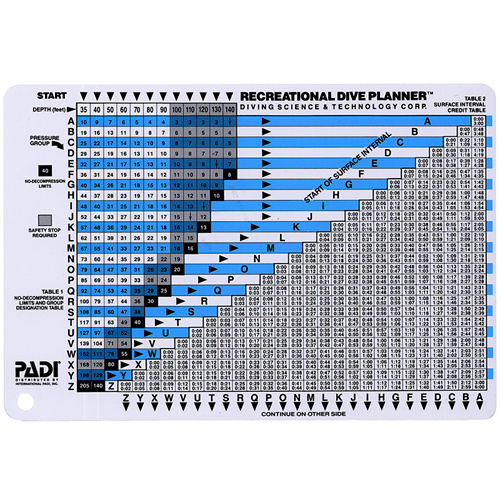
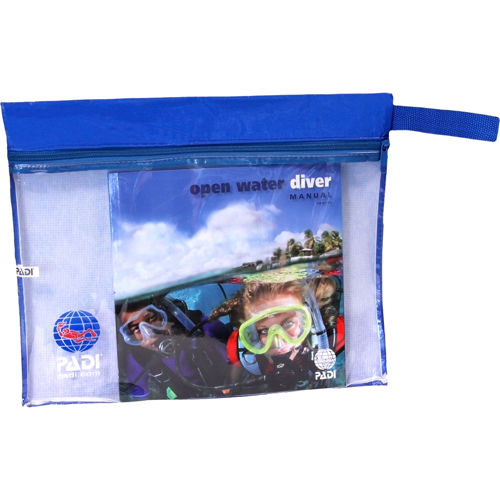
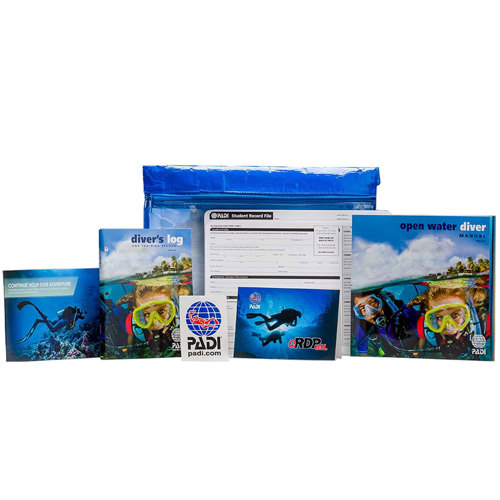
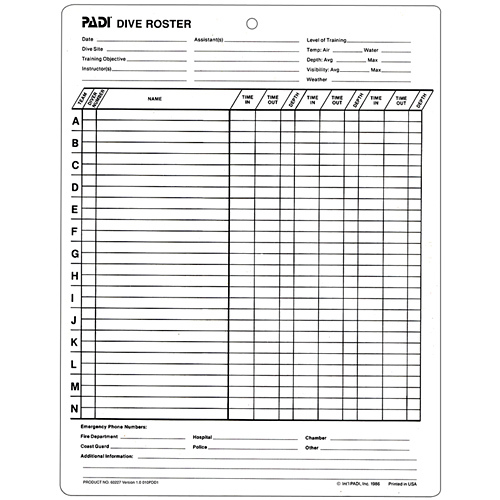
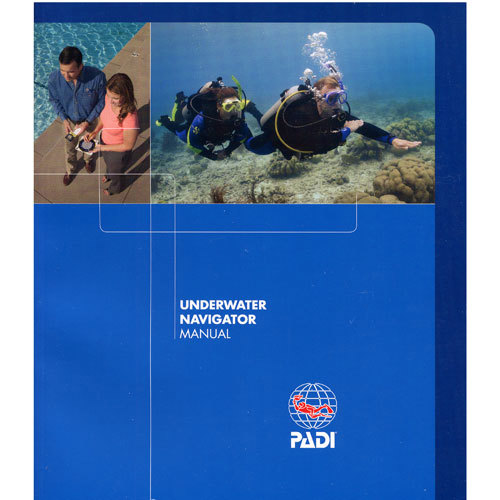
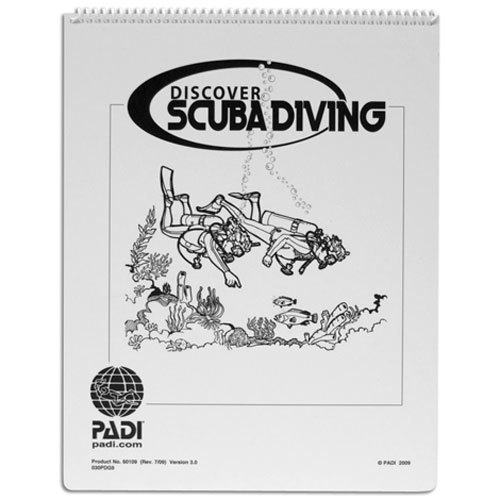
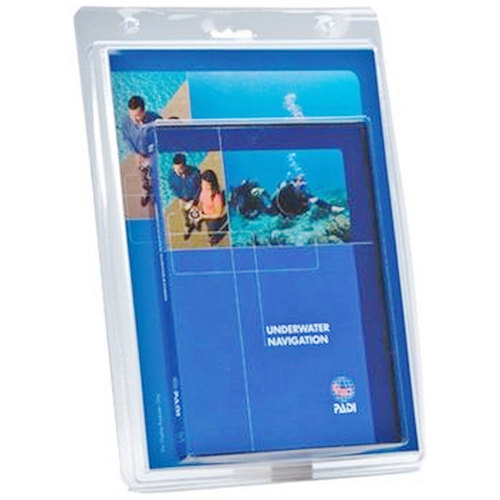
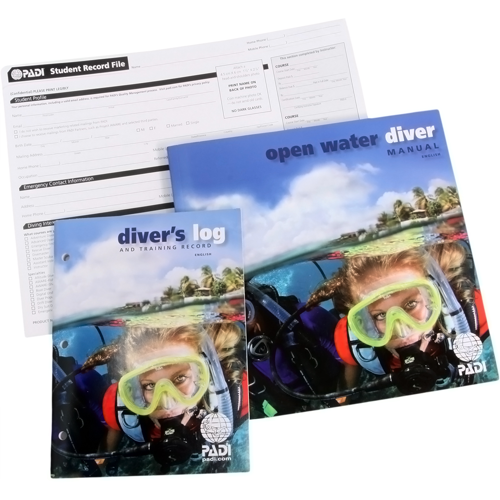
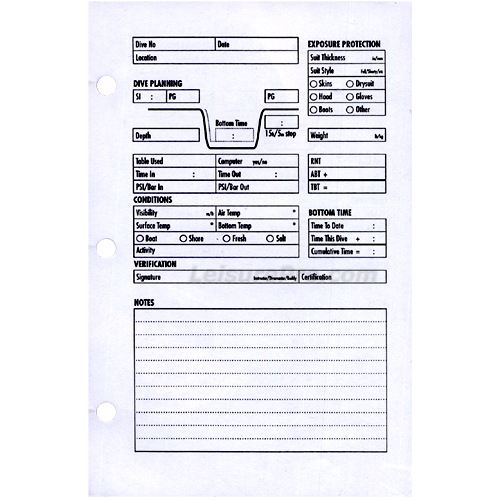
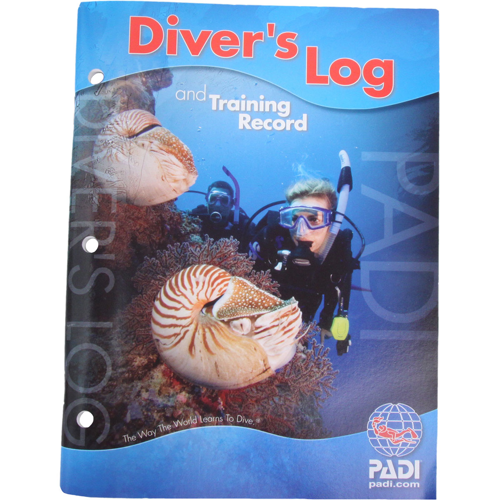
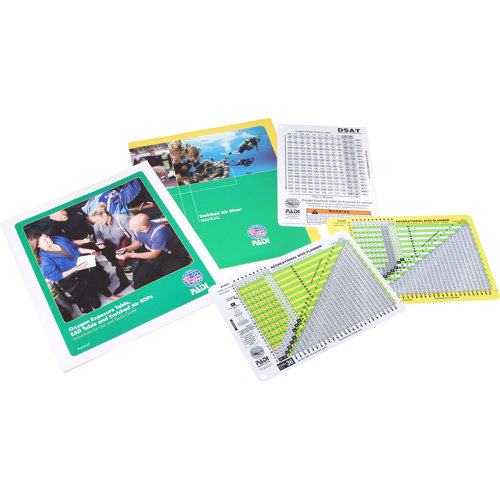
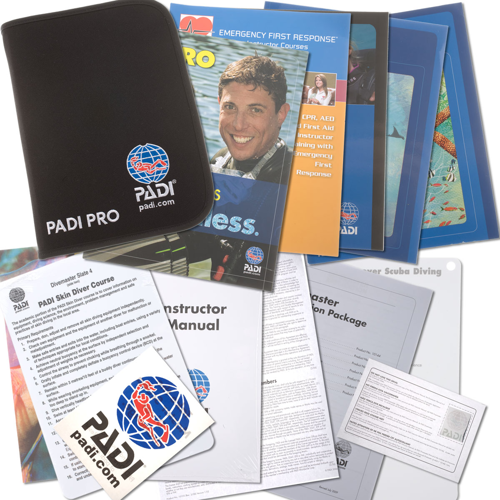
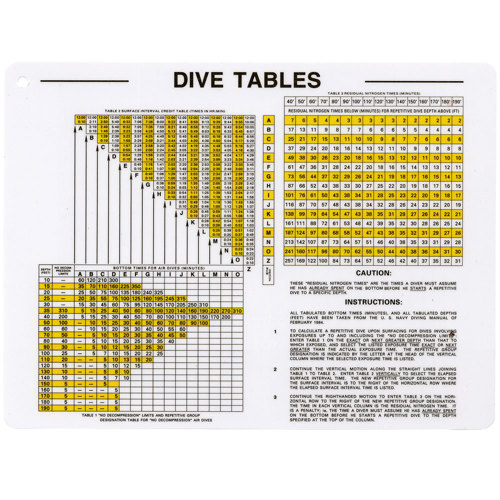
Scuba diving course planning tools are essential companions for divers at every stage of their journey, from beginners taking their first breaths underwater to seasoned technical divers mapping out complex decompression profiles. As the spring season approaches and water temperatures begin to shift, many divers start to plan their upcoming courses and adventures, making this the perfect time to evaluate the planning tools that support safe and enjoyable dives. These tools range from digital dive computers and mobile applications for real-time planning and logging, to classic analog slates, logbooks, and physical dive tables that serve as reliable backups or primary resources, depending on the diver’s preference and training requirements. For new divers, the tactile experience of using a physical logbook to record their first open water dives can be both memorable and educational, reinforcing the foundational skills taught during certification. More advanced divers, especially those venturing into technical or deep diving, often rely on sophisticated software and planning apps to calculate multi-gas blends, decompression stops, and to simulate dive profiles in detail. Each piece of planning equipment plays a unique role in the diver’s toolkit, helping to manage risks, enhance situational awareness, and ensure that every dive is conducted within safe limits.
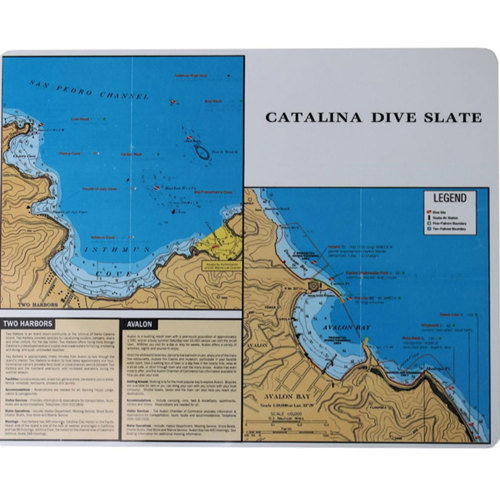
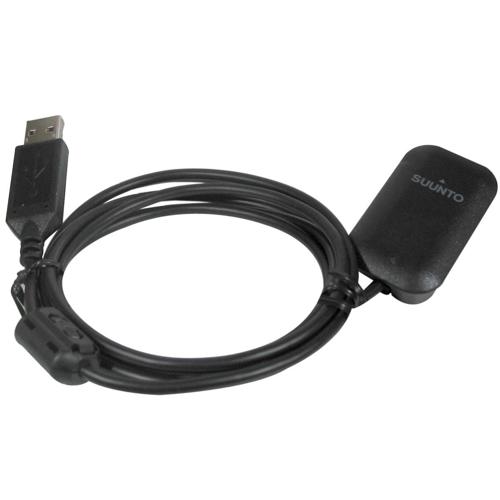
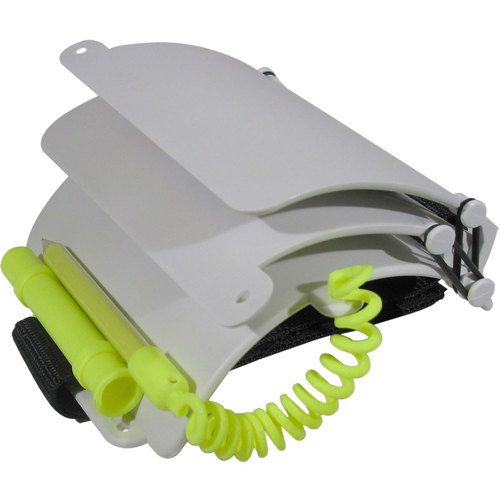
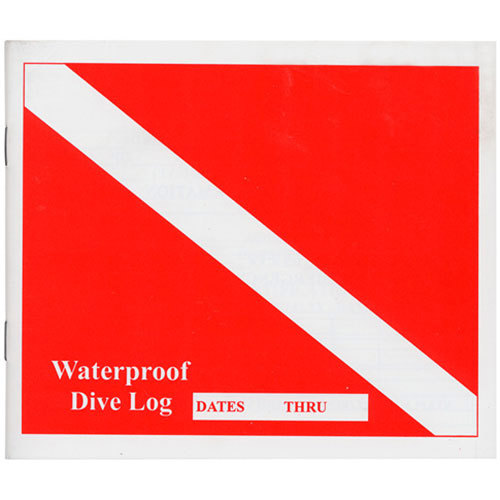
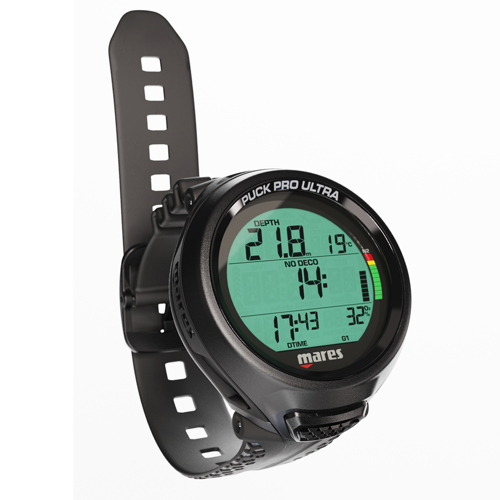
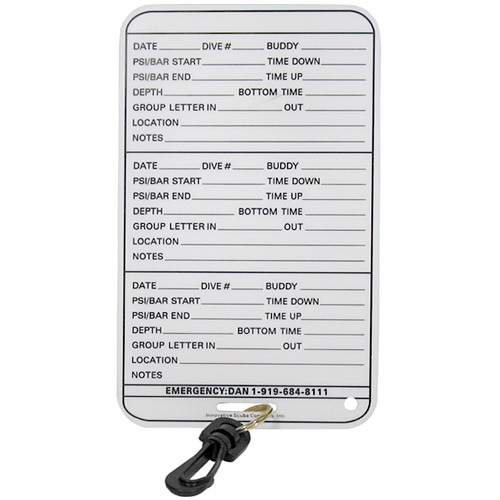
Selecting the right course planning tools involves considering the specific needs of the diver and the type of diving being undertaken. Dive computers are now commonplace, offering accurate, up-to-the-minute calculations on depth, time, and no-decompression limits, but many instructors still emphasize the importance of understanding and practicing with traditional dive tables to build core competencies. Mobile apps have revolutionized the way divers log and share their experiences, with some providing the ability to upload photos, map dive sites, and connect with a global community of underwater enthusiasts. For those who prefer analog methods or need to make notes underwater, waterproof slates and wet notes are indispensable, allowing divers to jot down compass headings, draw site maps, or communicate with buddies during training exercises. These tools are not just for students; instructors and dive leaders use them extensively to plan courses, brief teams, and document site conditions. As the season transitions and dive shops prepare for an influx of new students, these planning aids also make thoughtful gifts for aspiring divers, instructors, or anyone passionate about underwater exploration. Gifting a high-quality dive log or a set of wet notes can be a meaningful gesture, symbolizing support for someone’s diving ambitions and providing them with practical resources they’ll use for years to come.
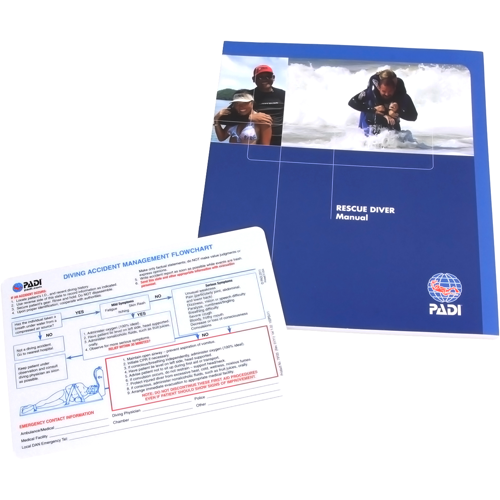
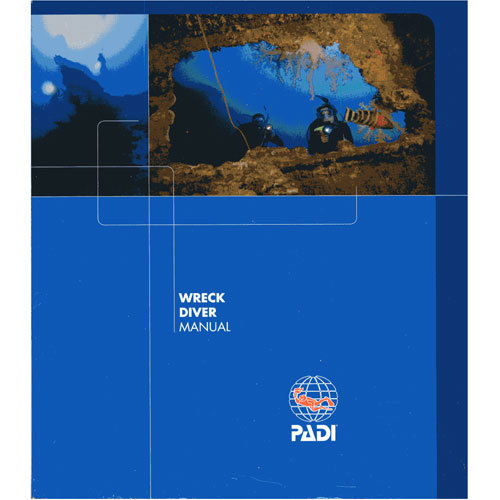
Whether you’re preparing for your first certification class or refining your skills as a technical diver, the right planning tools are integral to a safe and rewarding underwater experience. They help divers visualize dive profiles, anticipate navigational challenges, and keep accurate records of their training and progress. As you browse this collection of course planning essentials, consider how each tool fits into your personal dive routine or the training needs of those you care about. For a more comprehensive overview of essential gear and planning resources for dive courses, visit our curated list at
Tools for Dive Courses. Equipping yourself or your dive buddies with reliable planning tools is an investment in safety, confidence, and the freedom to explore the underwater world with peace of mind.