Safety stop indicators play a crucial role in a wide range of environments where safety, awareness, and compliance are paramount. From the busy intersection in a city to the controlled chaos of a factory floor, and even beneath the waves during a scuba ascent, these visual cues are designed to prompt a momentary pause—an opportunity to assess, react, and prevent harm. The unmistakable red octagon of a stop sign, the steady glow of a traffic light, or the bold text of a “Do Not Enter” placard all serve as universal languages of caution. In industrial settings, floor markings and illuminated signals guide both pedestrians and machine operators, ensuring that everyone moves through shared spaces with heightened awareness. These indicators are not just about rules; they are about creating a culture where safety is second nature, where every individual is empowered to make decisions that protect themselves and those around them. Whether it’s a flashing light warning of a forklift’s approach or a scoreboard tracking accident-free days, each signal is a thread in the fabric of workplace and public safety.
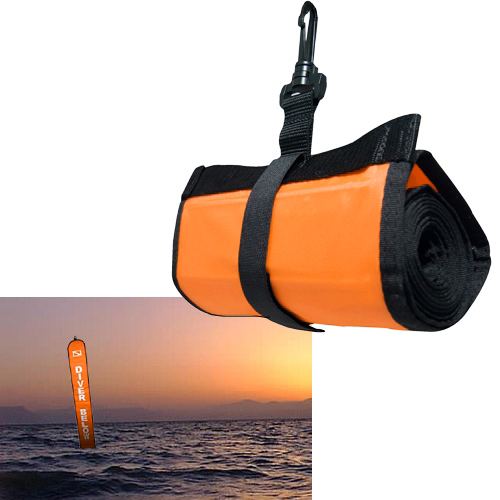
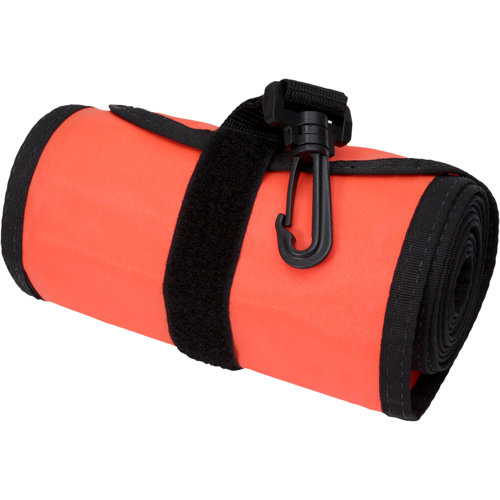
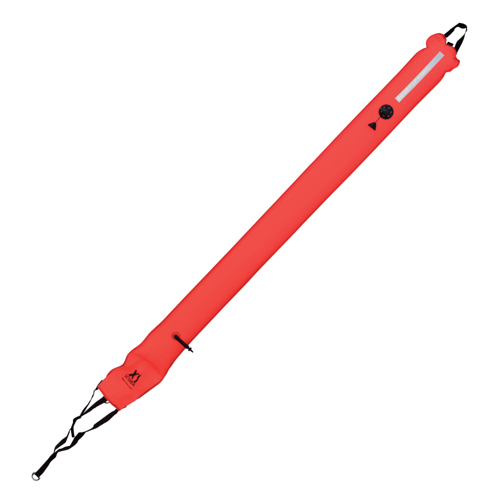
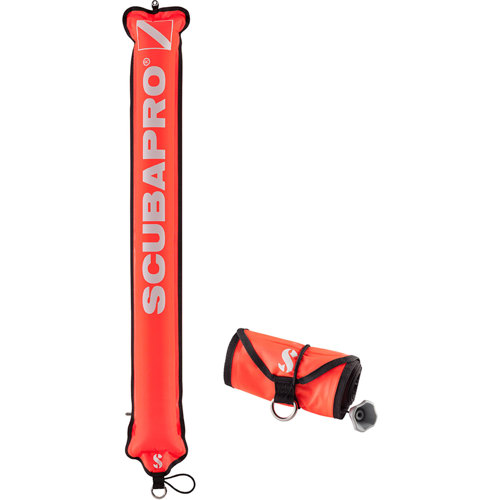
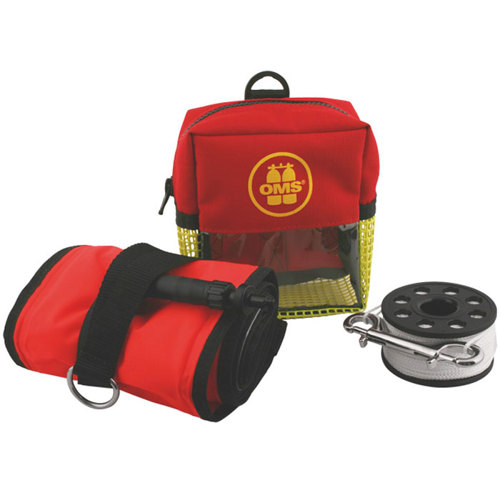
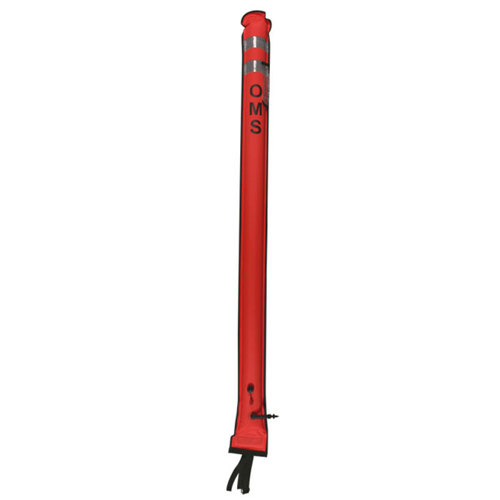
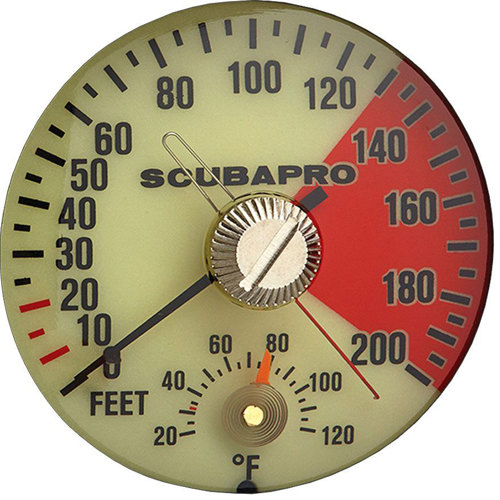
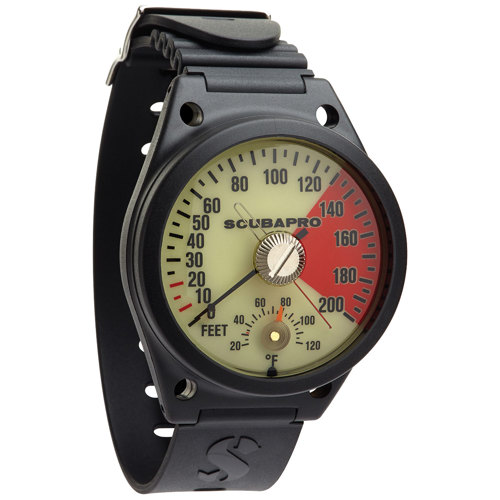
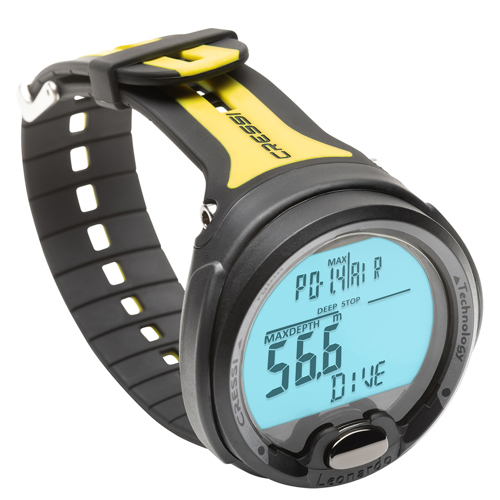
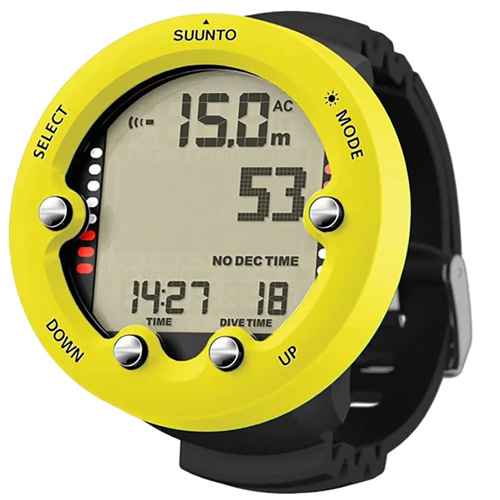
For divers, the concept of a safety stop takes on a unique significance. As you ascend from the depths, pausing at 15 to 20 feet for several minutes is more than just a best practice—it’s a vital decompression procedure that protects against the risks of rapid ascent. Underwater, where communication relies on gestures and equipment, a reliable safety stop indicator is indispensable. These devices provide clear, unmistakable cues, helping divers maintain the correct depth and duration for their stop. For new divers, a well-designed indicator can be a confidence booster, transforming what might otherwise be an anxious pause into a calm, controlled routine. Experienced divers appreciate the precision and peace of mind that comes with a dependable visual or auditory cue, especially during challenging conditions like low visibility or strong currents. As winter gives way to the anticipation of spring dive trips, now is an ideal time to review your gear and consider upgrades that enhance both safety and enjoyment. Safety stop indicators also make thoughtful gifts for dive buddies, instructors, or anyone passionate about underwater exploration—practical tools that show you care about their well-being.
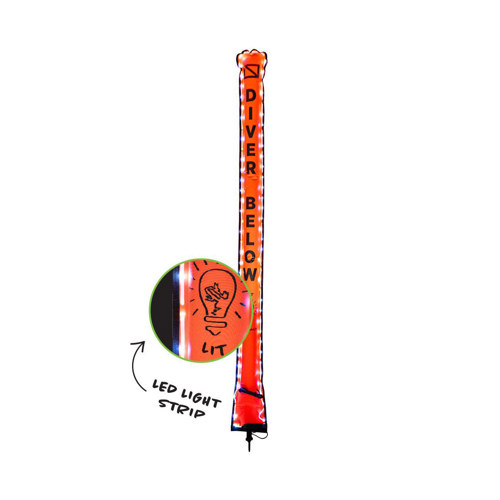
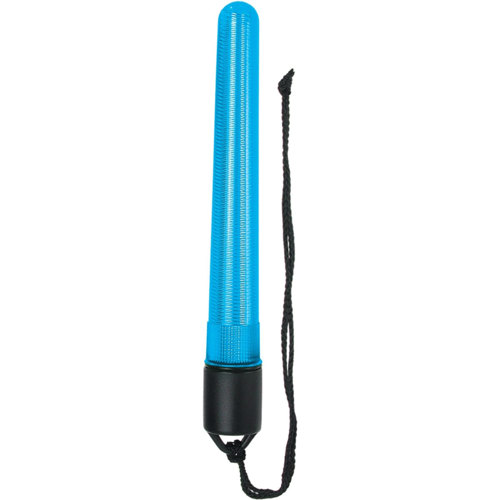
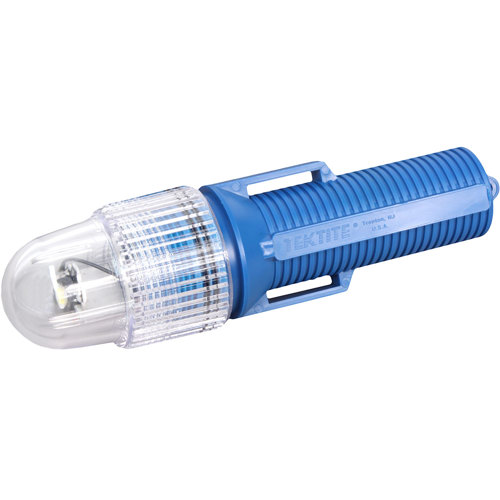
Selecting the right safety stop indicator involves considering the environment and specific needs of the user. In traffic and pedestrian areas, durability, visibility, and compliance with local regulations are key factors. For industrial and workplace applications, look for indicators that are resistant to wear, easily understood by a diverse workforce, and compatible with existing safety protocols. In diving, choose indicators that are robust, easy to deploy, and clearly visible in various underwater conditions. Many divers pair their safety stop indicators with other essential
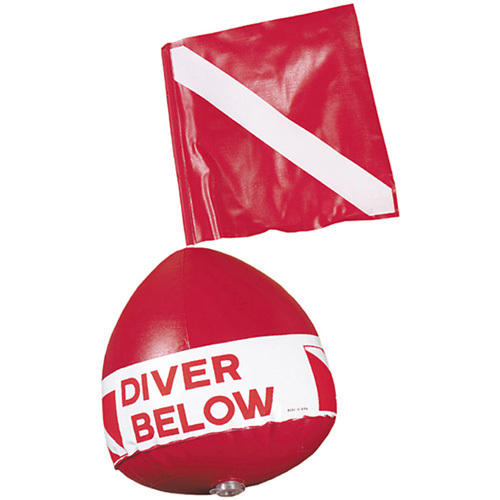
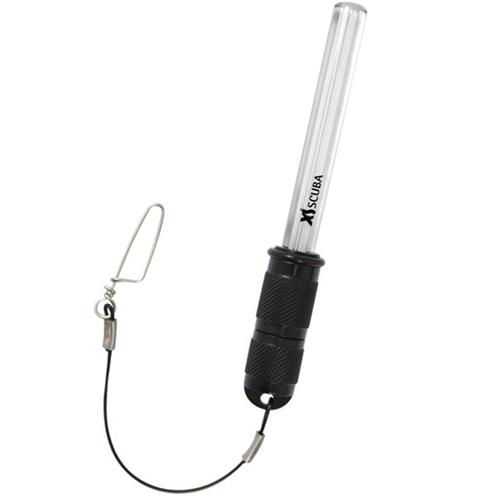
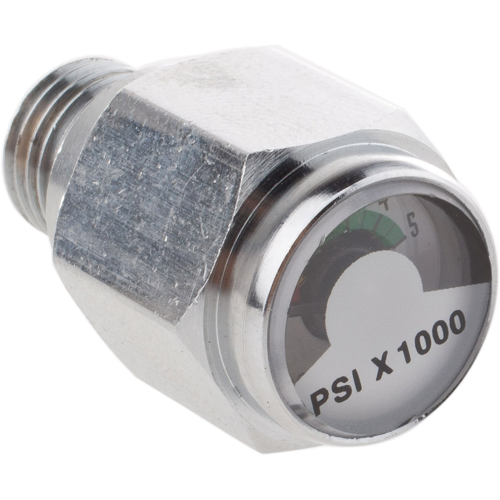
Safety Signaling Devices to ensure comprehensive preparedness for any situation. Whether you’re outfitting a busy warehouse, updating public safety infrastructure, or preparing for your next dive adventure, investing in high-quality safety stop indicators is a proactive step toward a safer, more confident experience for everyone involved.