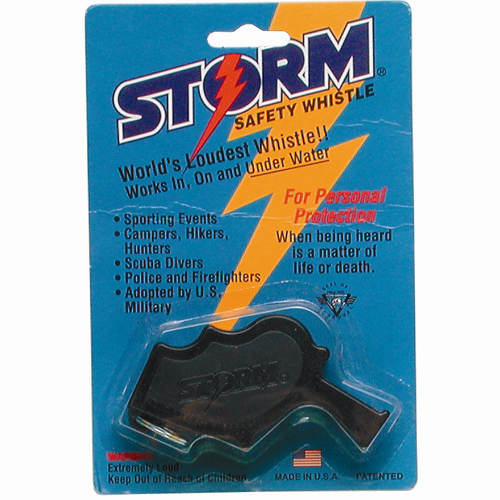
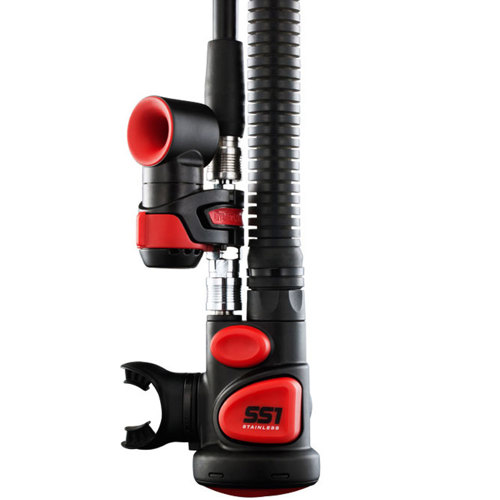
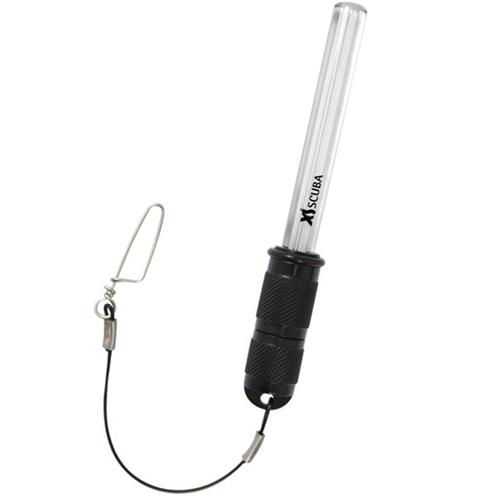
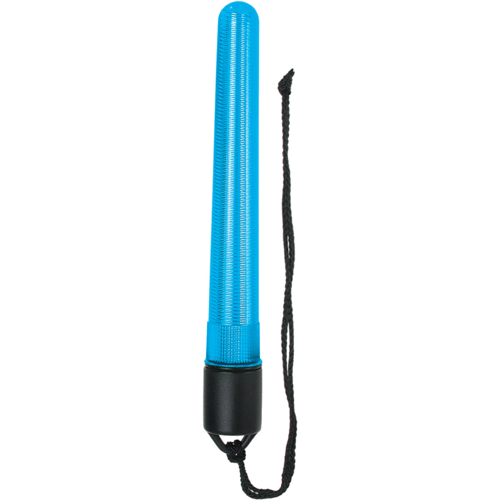
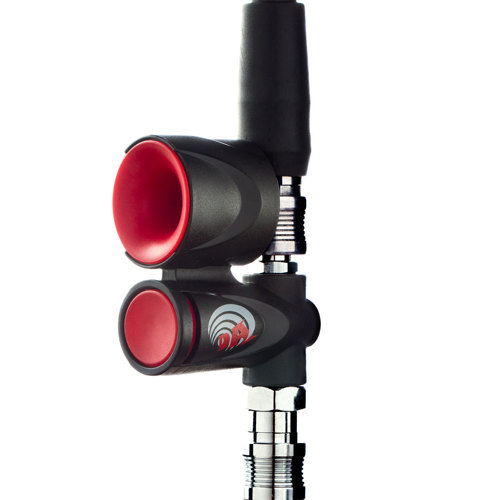
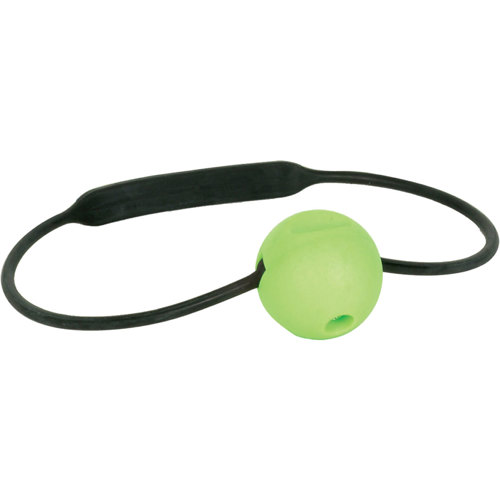
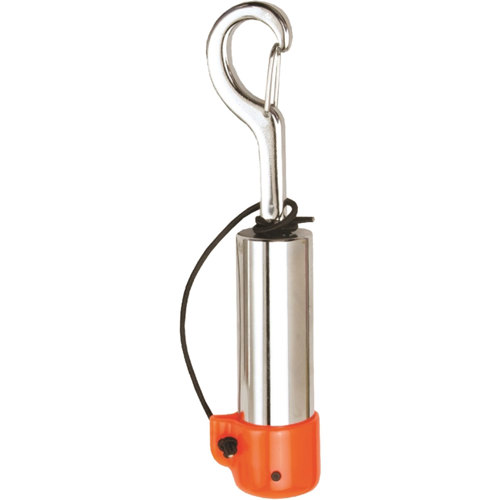
Diving safety alarms are essential tools that enhance communication and security for divers in a variety of underwater environments, from crowded training sites to remote open water locations. As the water warms and diving season gets into full swing during late spring and summer, more enthusiasts and professionals are drawn to the ocean, lakes, and quarries, making the need for reliable signaling devices even more critical. These alarms come in several forms—air-powered horns, underwater shakers or rattlers, tank bangers, and high-decibel safety whistles—each designed to serve a specific purpose in the diver’s toolkit. Air-powered devices, often referred to as a dive alarm or diving alarm, connect seamlessly to your BCD’s low-pressure inflator hose and emit a piercing sound that can cut through surface noise, alerting boats or nearby divers to your presence. Underwater, shakers and tank bangers produce sharp, attention-grabbing sounds that travel well through water, making them invaluable for attracting your buddy’s attention or signaling a group to regroup or respond to an emergency. High-pitched whistles, crafted for maximum volume and durability, serve as critical surface signaling tools, especially in challenging conditions where visibility is low or currents are strong. Electronic options, such as personal GPS beacons or compact VHF radios, extend your signaling range dramatically, offering peace of mind for divers exploring offshore reefs or drift diving in unpredictable currents.
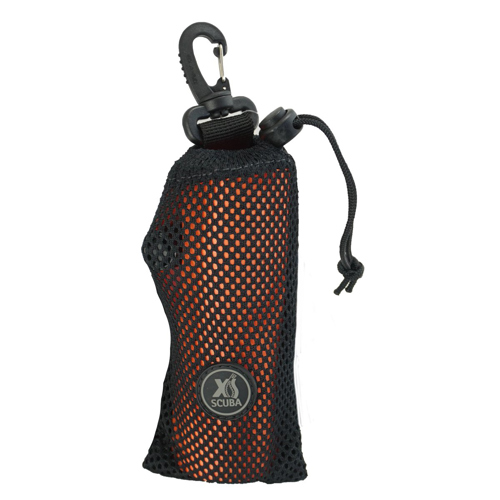
When choosing a diving safety alarm, it’s important to consider the type of diving you do most often and the environments you’ll encounter. For those who regularly dive from boats or in areas with heavy surface traffic, an air-powered horn can be a lifesaver, ensuring you’re heard above the roar of engines. Shore divers and instructors often rely on tank bangers or rattlers for their simplicity and effectiveness underwater, while technical and deep divers may opt for electronic alarms that provide both acoustic and visual signaling capabilities. Durability is another key factor—look for alarms constructed from marine-grade stainless steel or impact-resistant plastics to withstand exposure to saltwater, UV rays, and repeated use. Many of these devices are compact enough to clip onto your BCD or tuck into a pocket, making them convenient for travel or as backup safety gear. Diving safety alarms also make thoughtful, practical gifts for new divers, instructors, or anyone expanding their dive kit, especially as the season brings more opportunities for adventure and exploration. Whether you’re preparing for a summer dive trip, joining a group expedition, or simply want to increase your confidence underwater, investing in a reliable signaling device is a simple step that can make a significant difference in your overall safety and enjoyment.
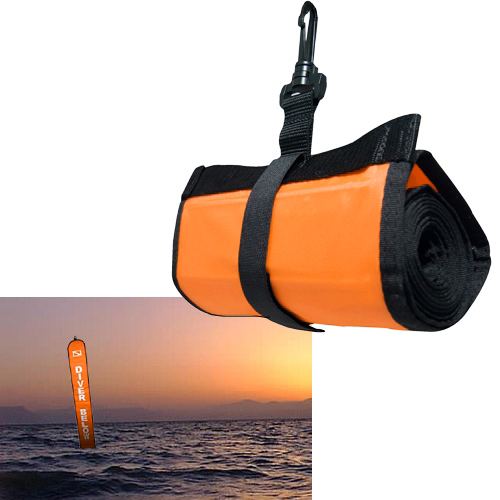
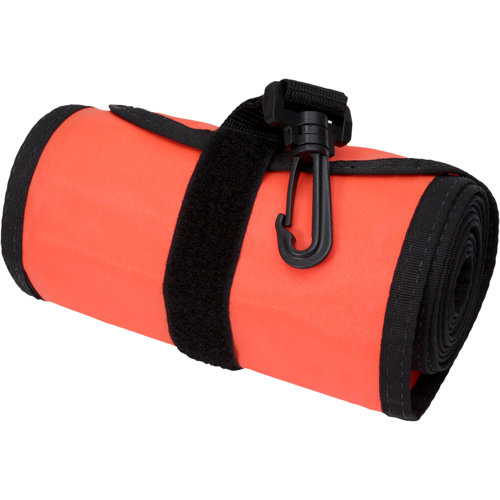
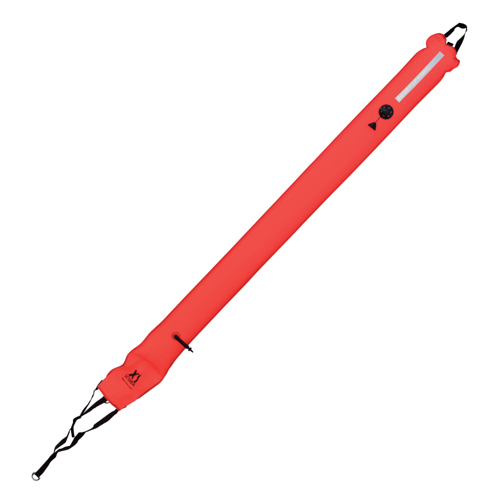
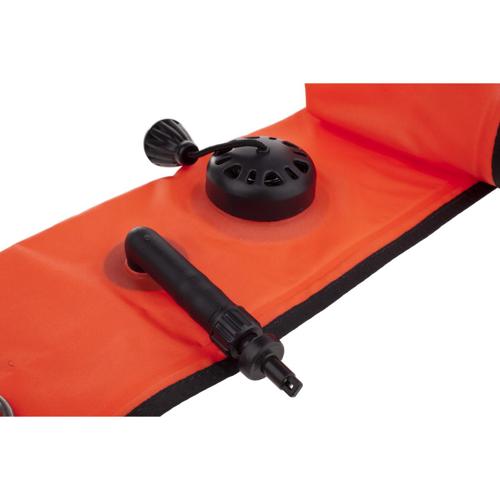
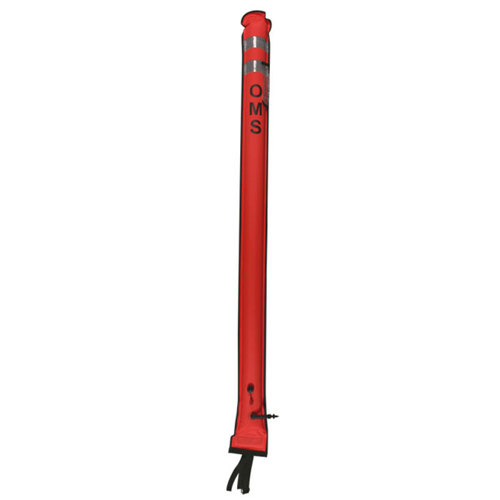
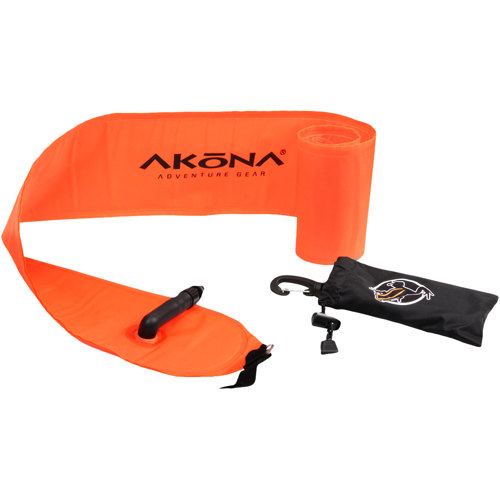
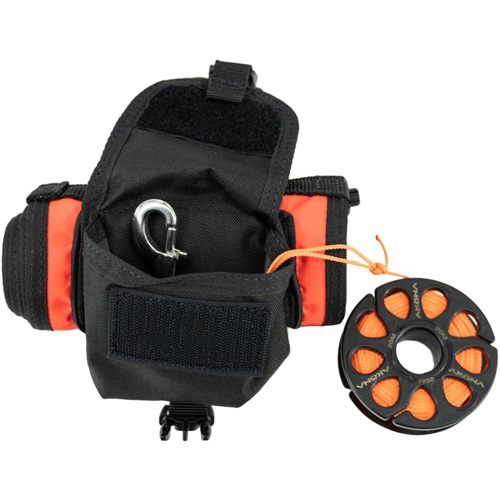
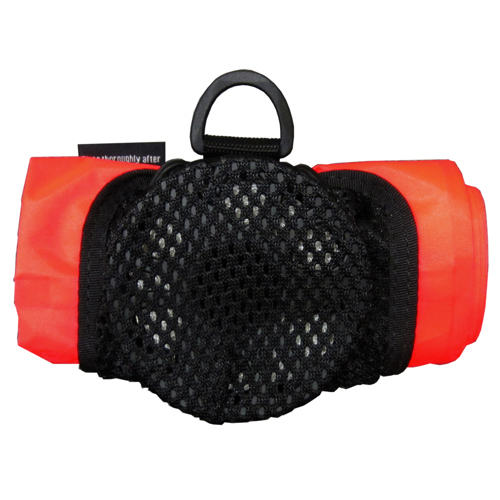
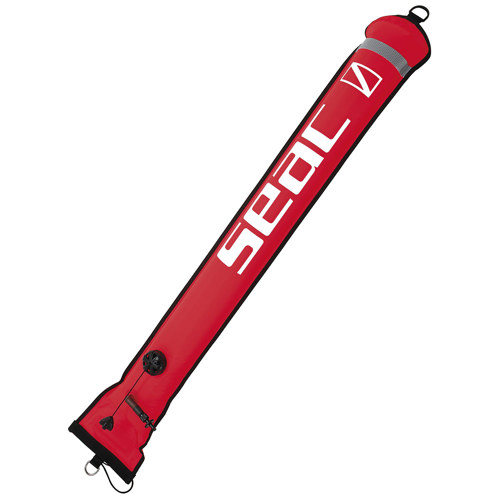
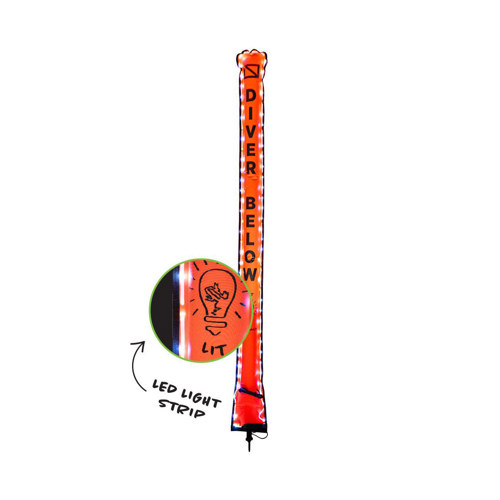
In addition to acoustic alarms, many divers pair their signaling devices with visual aids like surface marker buoys for maximum visibility and preparedness. It’s always wise to review your gear before each dive and practice using your safety alarms so you’re ready to respond quickly if the need arises. For those interested in further enhancing their underwater safety and awareness, consider exploring additional tools such as
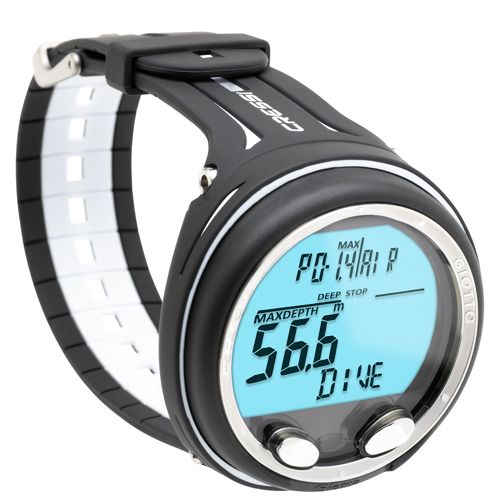
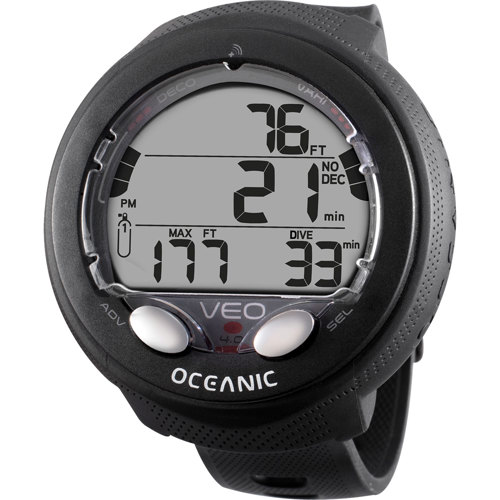
Dive Depth Alarms, which help monitor your depth and alert you to critical thresholds. Ultimately, a well-chosen diving safety alarm not only provides peace of mind but also fosters better communication and teamwork, whether you’re navigating a bustling dive site or venturing into the tranquil blue. With the right equipment and preparation, every dive can be a safer, more connected experience, letting you focus on the wonders beneath the surface.