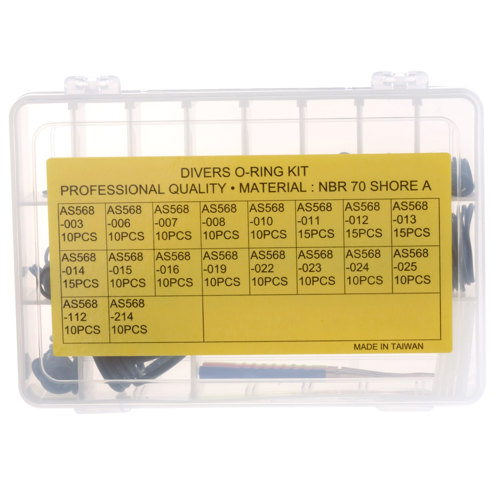
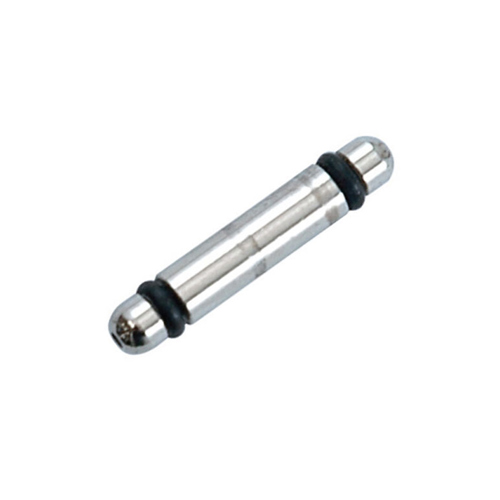
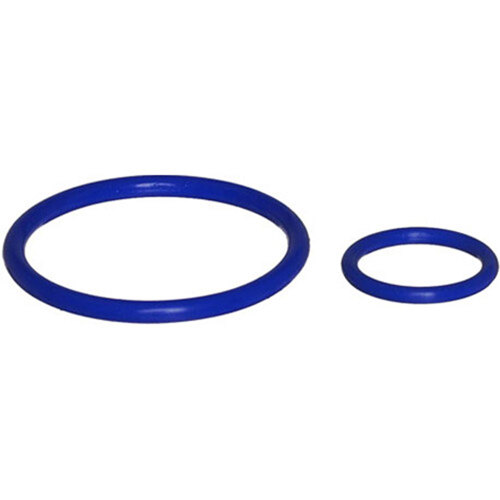
Rubber O-rings are an essential component across a wide spectrum of applications, serving as the unsung heroes of reliable sealing in everything from high-performance scuba gear to household plumbing and automotive systems. Their versatility is rooted in the variety of materials from which they are crafted, each engineered to meet specific environmental and chemical demands. Nitrile rubber (NBR), for example, is prized in general sealing and fuel system contexts due to its robust oil resistance and dependable performance across a broad temperature range, making it a staple for both recreational and professional users. For those who dive or work in environments where exposure to harsh chemicals or elevated temperatures is a concern, fluorocarbon O-rings (often referred to by the trade name Viton™ or FKM) offer exceptional resilience, standing up to aggressive fuels, solvents, and heat. Meanwhile, silicone O-rings provide unmatched flexibility and temperature tolerance, which is why they are frequently found in medical, food-grade, and specialized underwater applications, though they are best reserved for static rather than high-friction uses. Ethylene propylene (EPDM) O-rings excel in outdoor and aquatic environments, resisting UV rays, ozone, and steam—a critical feature for divers and boaters who rely on their gear through changing weather and water conditions. Neoprene O-rings, with their balanced resistance to weathering and moderate chemicals, are often found in refrigeration and air systems, providing a reliable seal even as the seasons shift from spring’s mildness to the heat of summer.
Selecting the right rubber O-ring is about more than just material; it’s about understanding the specific demands of your equipment and environment. For those engaged in scuba diving, snorkeling, or underwater sports, a well-chosen O-ring can be the difference between a smooth, leak-free adventure and a frustrating day cut short by equipment failure. The pressure and temperature extremes encountered underwater call for O-rings with the proper hardness (durometer) and chemical compatibility, especially when dealing with high-pressure tanks, regulators, or camera housings. A softer, more flexible O-ring may provide a better seal in low-pressure environments, while harder, high-durometer options are essential for high-pressure or high-wear scenarios. It’s also important to consider the fluids and chemicals your O-rings will encounter; for instance, EPDM should not be used with petroleum-based lubricants, while NBR and Viton™ are well-suited for such exposure. These considerations extend beyond the water, too. In industrial settings, O-rings are vital for hydraulic systems, pumps, and pneumatic equipment, where failure can halt an entire operation. In plumbing, the right O-ring keeps faucets drip-free and water filtration systems running smoothly, while in automotive repair, they maintain the integrity of fuel, oil, and coolant systems during the hottest days of summer or the cooler months that follow.
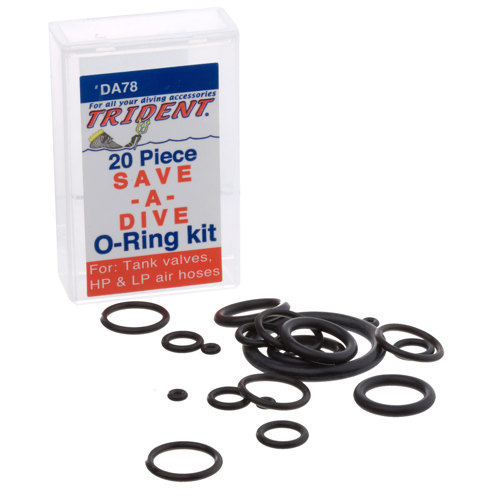
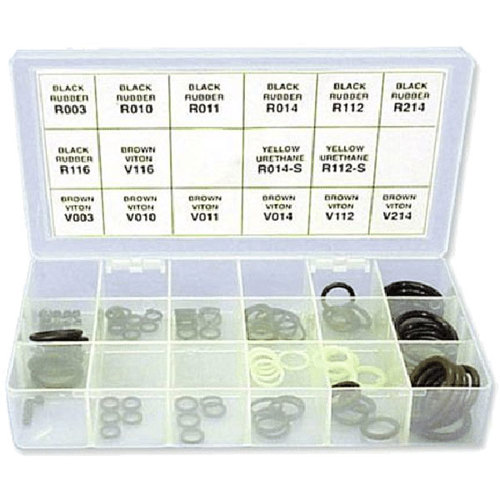
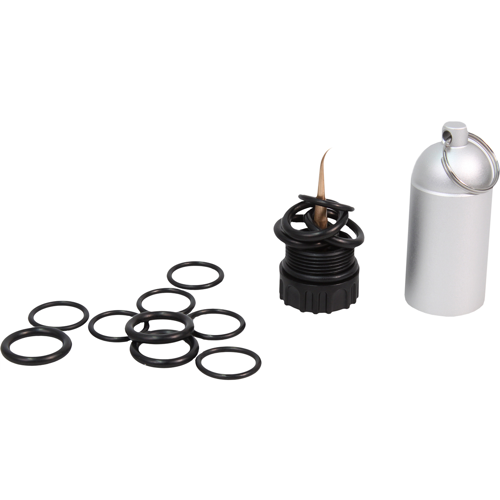
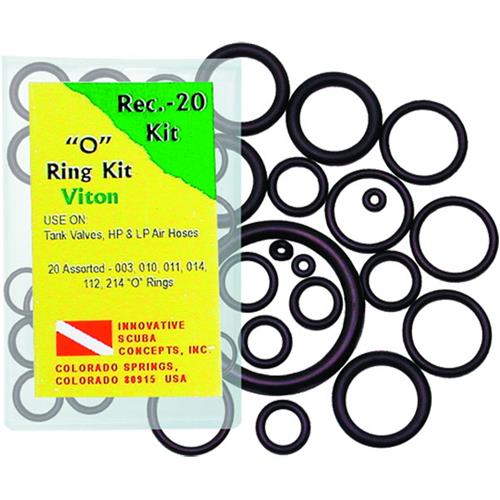
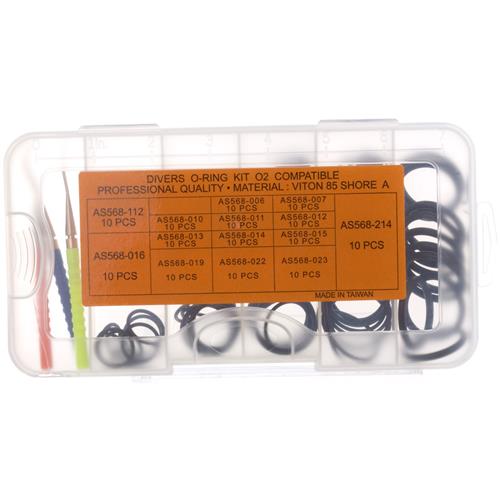
Rubber O-rings are also a thoughtful gift for the gear enthusiast or DIYer in your life, especially as many diving and outdoor activities pick up with warmer weather. A well-stocked kit of assorted O-rings ensures that quick repairs or regular maintenance never have to wait, whether it’s replacing a worn seal on a dive regulator before a weekend trip or fixing a leaky garden hose as summer projects get underway. Their small size makes them easy to tuck into a toolbox, glove compartment, or dive bag, and their utility spans countless hobbies and professions. For those seeking more detailed information or a curated selection of O-rings tailored to specific sealing needs, our
O Ring Seals page provides expert insights and recommendations. Whether you’re preparing for a season of underwater exploration, tackling home repairs, or simply ensuring your equipment is ready for whatever the coming months may bring, the right rubber O-ring is a simple yet critical investment in safety, performance, and peace of mind.