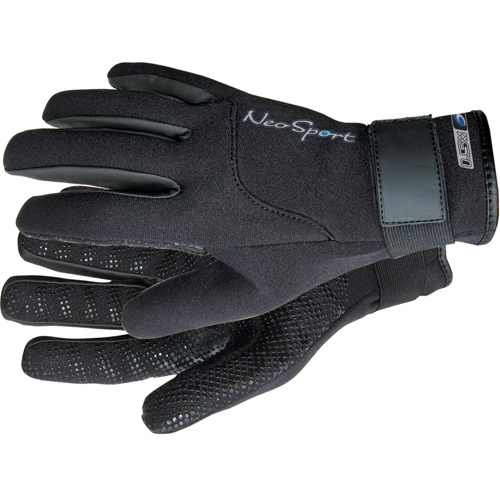
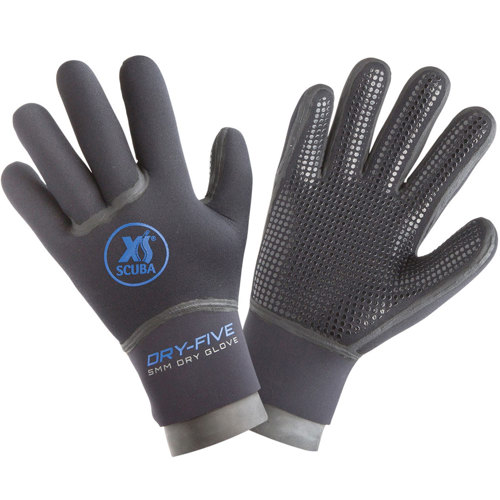
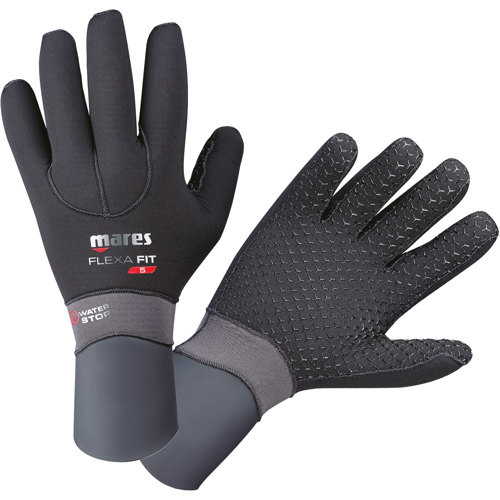
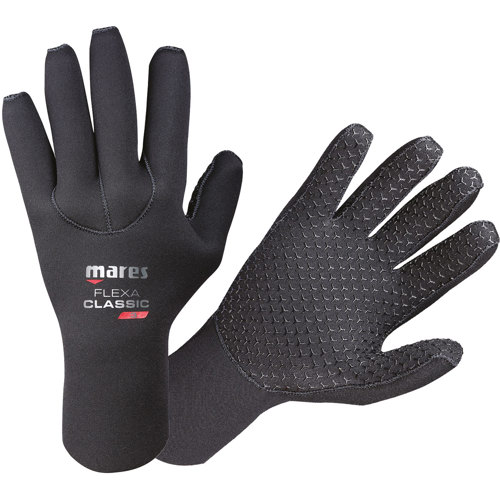
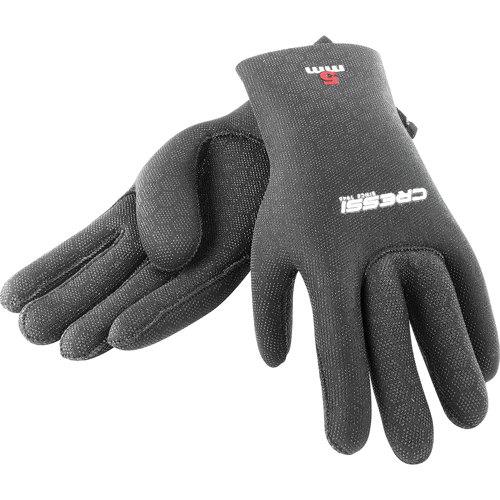
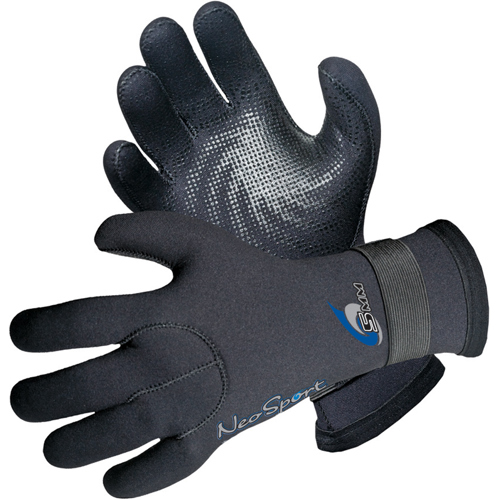
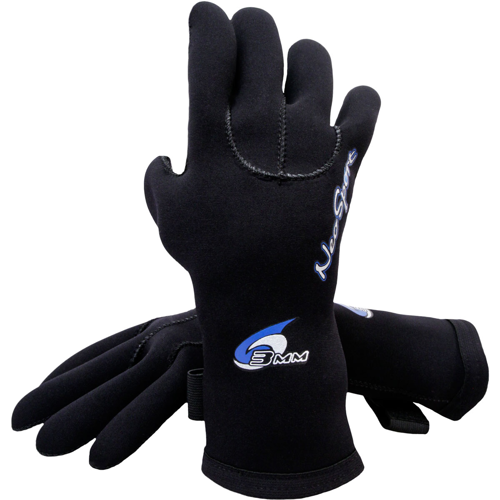
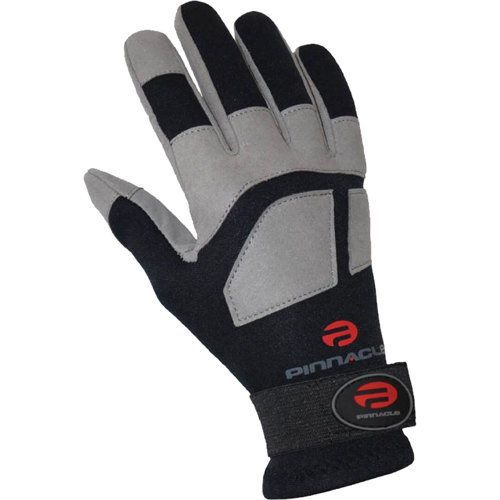
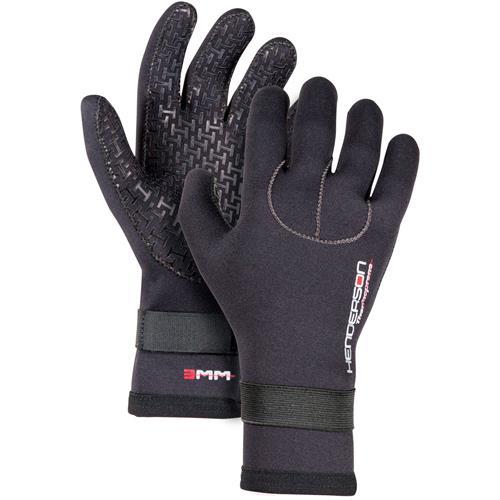
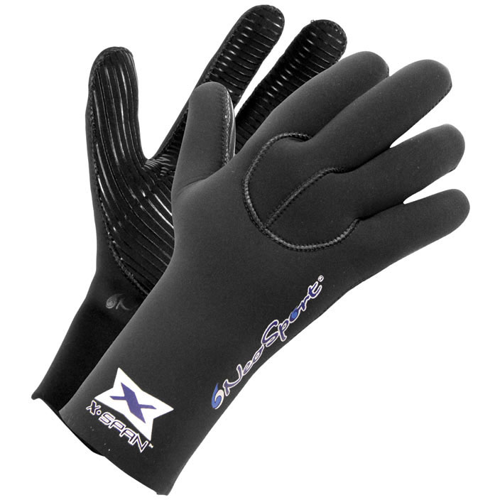
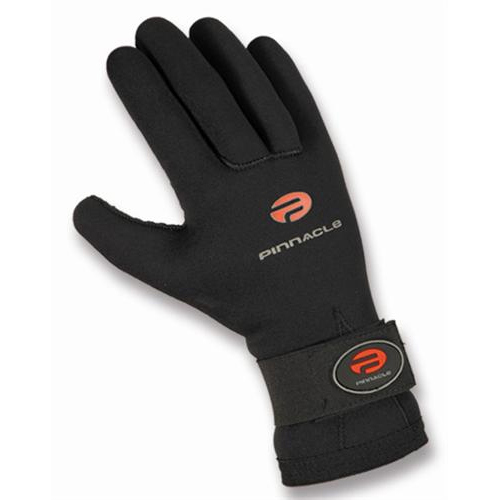
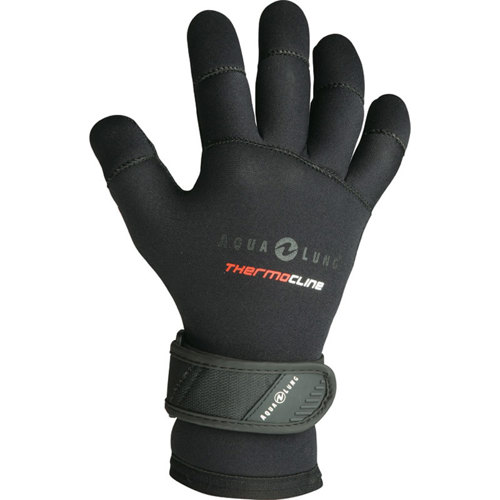
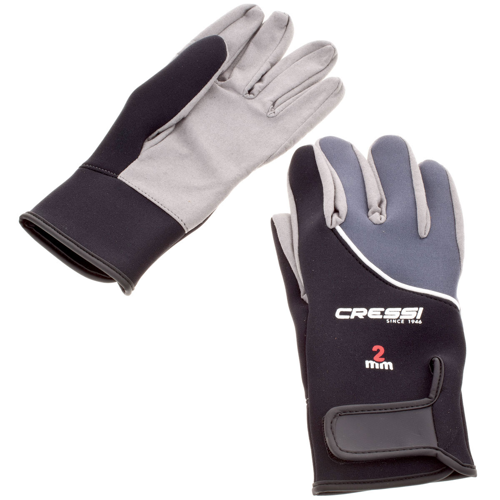
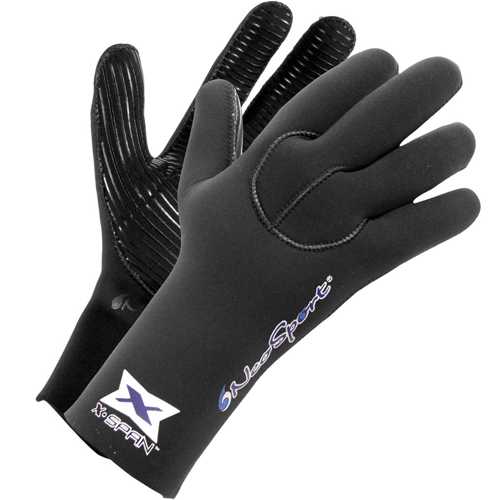
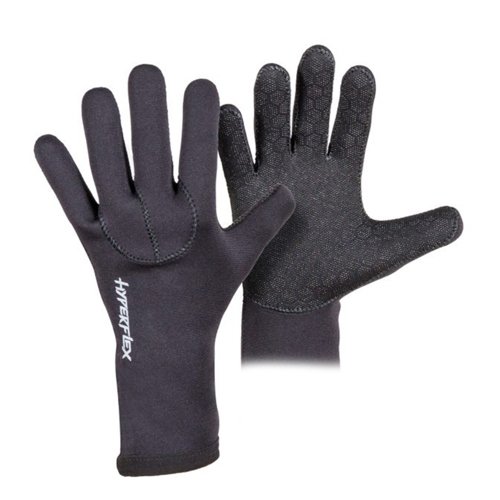
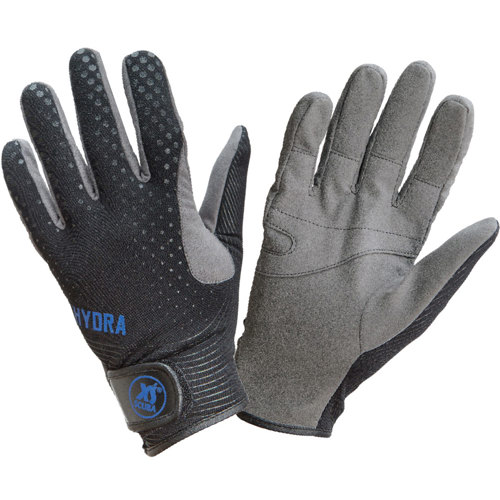
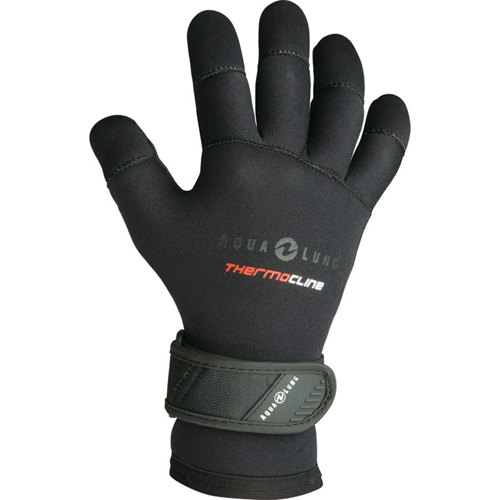
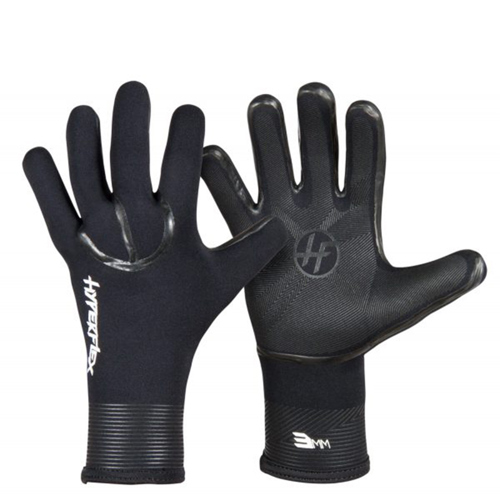
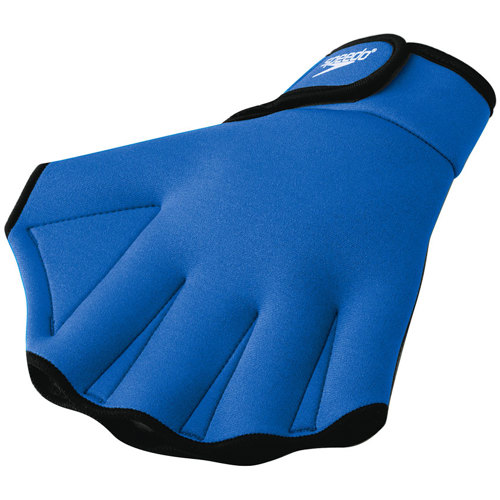
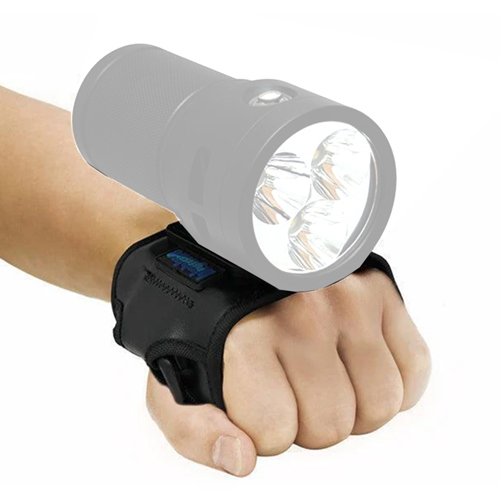
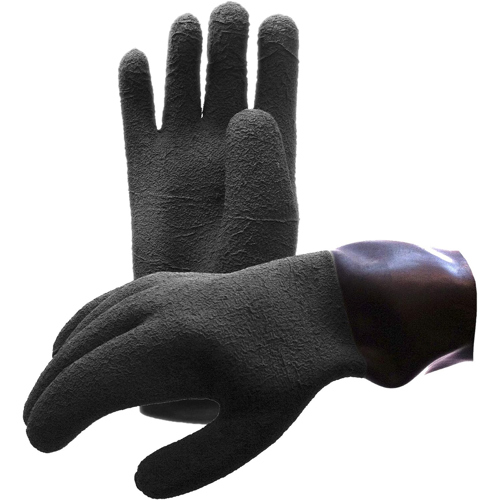
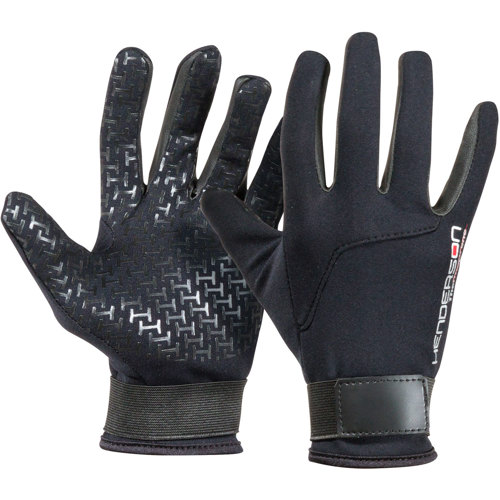
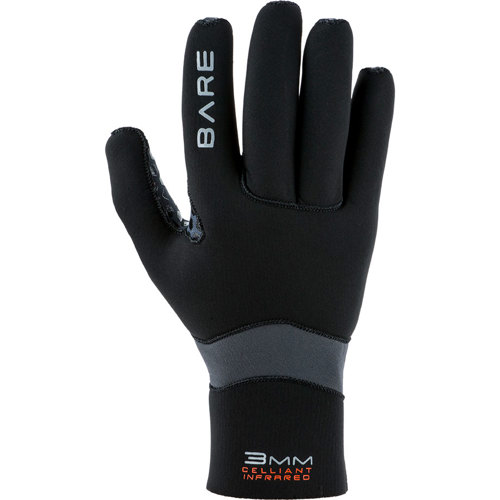
When the water temperature starts to dip in early spring, many divers, snorkelers, and water sports enthusiasts reach for neoprene rubber gloves to extend their season and keep their hands protected. These gloves are more than just a barrier against the cold; they are a crucial piece of gear for anyone who values dexterity, comfort, and safety in the water. Neoprene, with its unique insulating properties, traps a thin layer of water between the glove and the skin, which the body then warms, creating a buffer against chilly conditions. Whether you’re exploring a kelp forest off the California coast or combing through tide pools along the Atlantic shoreline, the right pair of neoprene gloves can make all the difference. For divers, a snug fit is essential—not just for warmth, but also for maintaining the tactile sensitivity needed to adjust equipment, operate cameras, or handle delicate marine life with care. Snorkelers and freedivers, on the other hand, often appreciate gloves with reinforced palms that provide grip on slippery rocks and coral, while still allowing for fluid movement in the water.
Neoprene gloves aren’t just for those venturing beneath the waves. Kayakers, paddleboarders, and even cold-weather swimmers find them invaluable for keeping hands nimble and protected from abrasions or blisters. The versatility of neoprene gloves makes them an excellent gift for anyone who loves spending time on or near the water, especially as the weather transitions in March and early spring brings unpredictable conditions. They’re a thoughtful present for avid anglers too—those who rise before dawn to cast a line know that numb fingers can spoil the experience. In fact, there are specially designed options for fishing, and if you’re looking for gloves tailored to that pursuit, you can explore our dedicated collection at
Neoprene Gloves For Fishing. For families planning a beach vacation or friends preparing for a group dive, neoprene gloves can be a practical addition to any gear bag, ensuring everyone stays comfortable and safe as they explore new underwater worlds.
Selecting the right neoprene gloves involves considering the thickness, cut, and additional features that match your activity and the conditions you’ll face. Thinner gloves, typically in the 1-2mm range, offer maximum flexibility and are ideal for warmer waters or activities where dexterity is paramount, such as underwater photography or spearfishing. Thicker gloves, up to 5mm or more, provide superior insulation for cold water dives or extended sessions in brisk conditions. Look for gloves with glued and blind-stitched seams for better water resistance, and textured palms for improved grip, especially if you’ll be handling gear or navigating rocky shorelines. It’s also wise to pay attention to wrist closures, as a secure seal helps prevent water from flushing in and cooling your hands. Many seasoned divers recommend having more than one pair on hand—a lighter set for the shoulder seasons like March, and a heavier pair for the depths of winter or colder climates. No matter how you use them, neoprene rubber gloves are a small investment that can significantly enhance your comfort, performance, and enjoyment in and around the water.