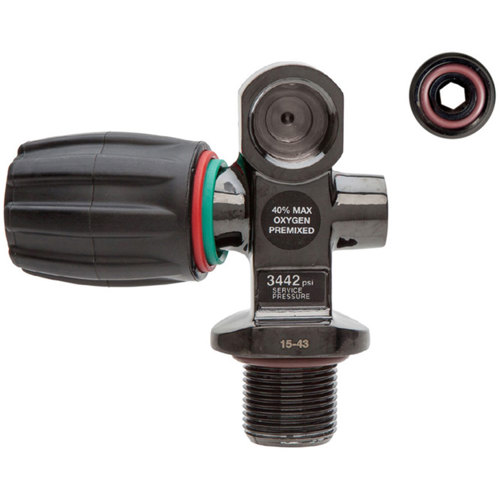
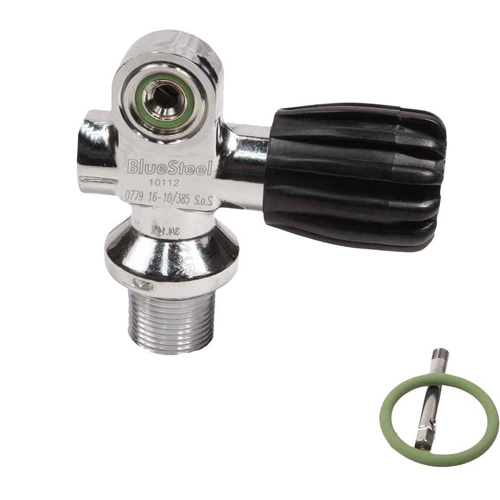
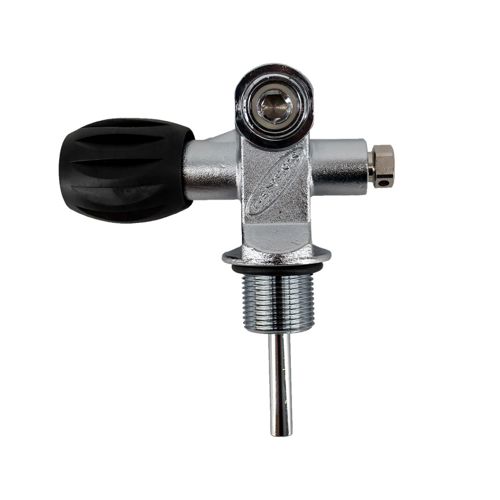
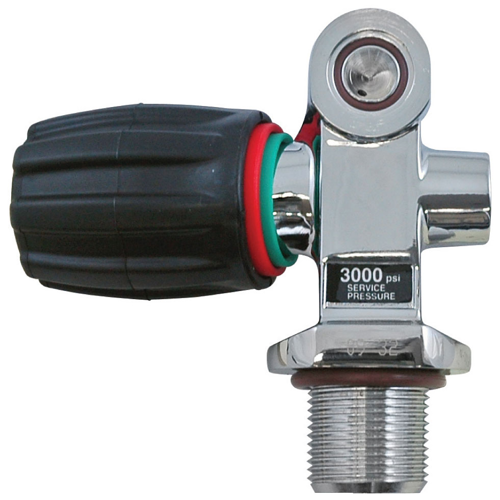
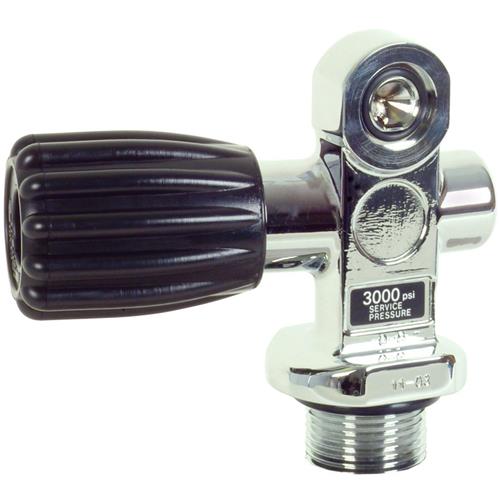
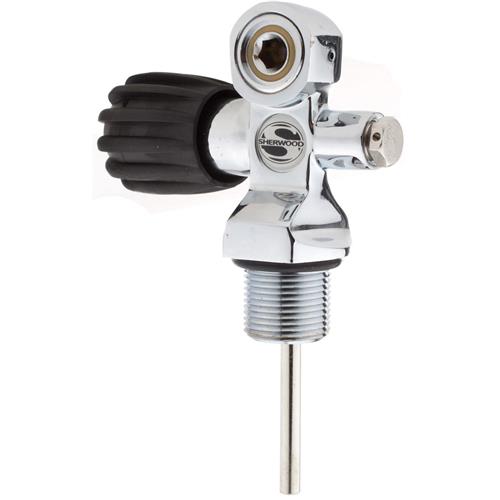
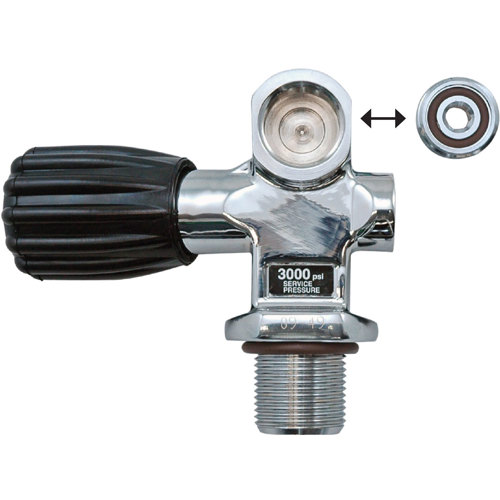
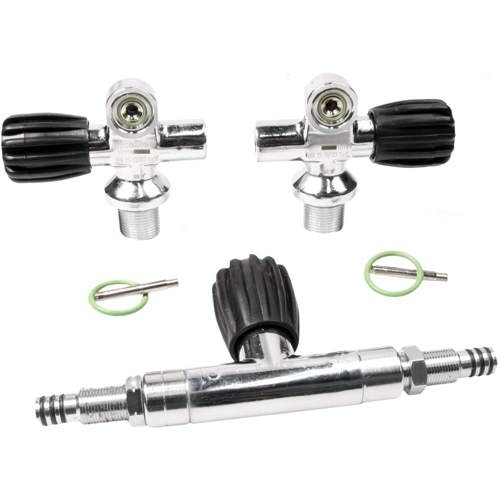
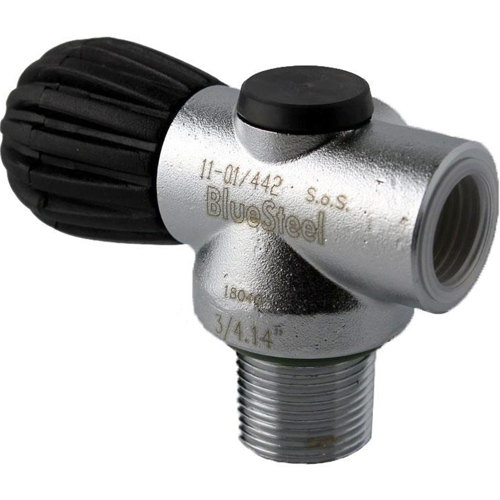
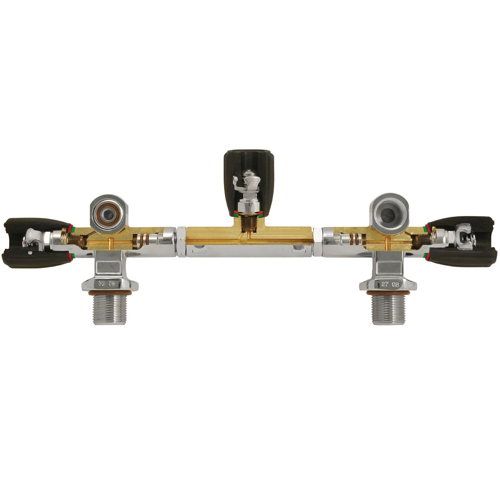
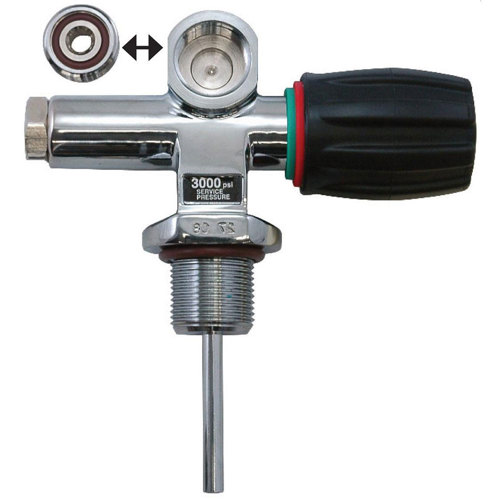
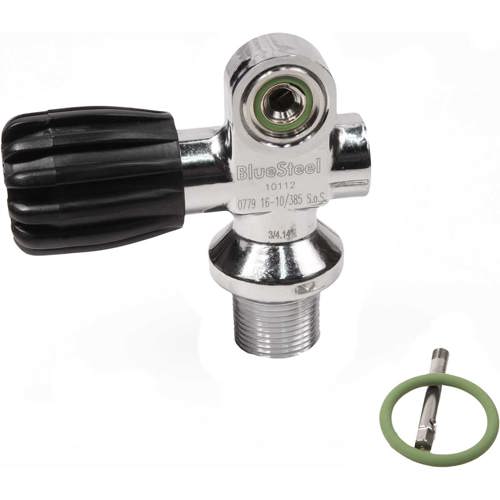
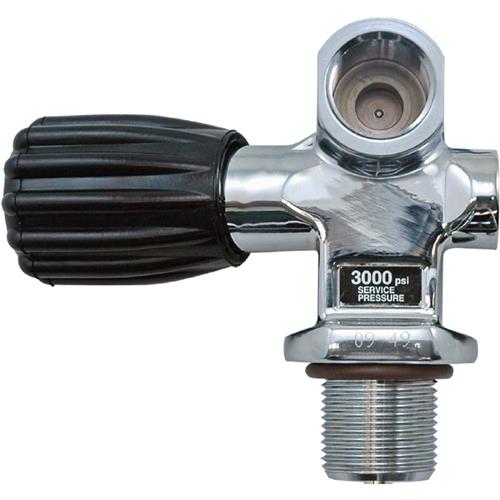
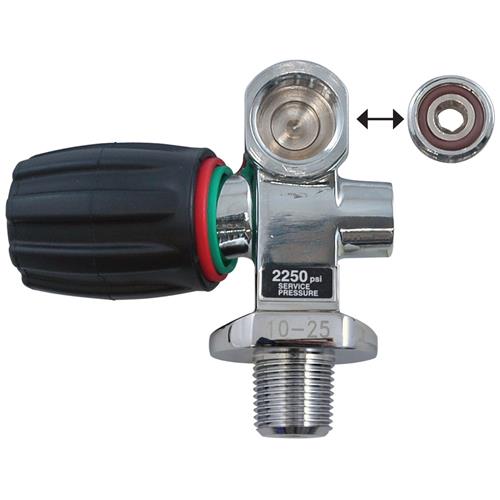
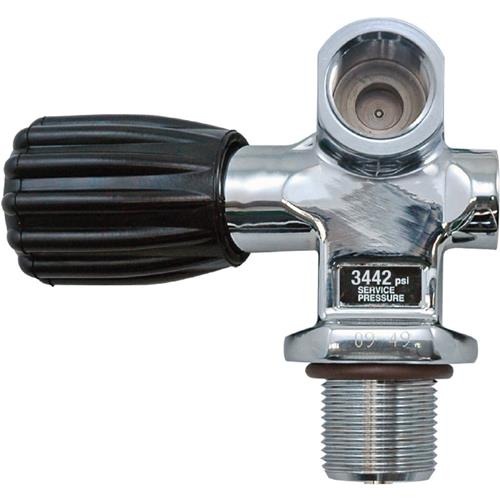
Rescue diving demands a unique blend of skill, preparation, and specialized equipment, with valves playing a pivotal role in ensuring both safety and performance beneath the surface. Whether you’re a professional rescue diver, a technical enthusiast, or someone looking to elevate their emergency readiness, understanding the nuances of rescue diving valves is essential. These valves—ranging from DIN and yoke connections to the more specialized J-valves and diving isolation valves—are engineered to address the specific challenges encountered during rescue scenarios. For example, twin-tank setups often incorporate isolation manifolds, allowing divers to isolate a compromised cylinder in the event of a leak, a procedure that can be life-saving during an emergency ascent or when performing the well-known “V-drill.” The design and function of each valve type cater to different needs: DIN valves provide a robust, high-pressure seal favored in technical and rescue applications, yoke valves (or A-clamps) offer simplicity and widespread compatibility for recreational and instructional use, while J-valves, though less common today, are remembered for their mechanical reserve feature—a backup that seasoned divers still appreciate for its ingenuity.
Choosing the right rescue diving valve involves careful consideration of your diving environment, the type of cylinder used, and the level of redundancy required for your dive plan. For those operating in colder waters during the winter months, the security of a DIN valve’s threaded connection can offer peace of mind against accidental disconnections, especially when gloves make dexterity a challenge. Technical divers and instructors often opt for diving isolation valves in manifolded twin sets, providing the ability to quickly shut off the flow from a leaking tank and preserve breathing gas for a safe return. These features are not just for professionals; advanced recreational divers who regularly dive in overhead environments or lead group dives may find that upgrading to more robust valve systems enhances their ability to manage emergencies. Rescue diving valves also make thoughtful gifts for dive buddies, instructors, or loved ones who are progressing into technical or rescue training—giving the gift of safety and preparedness is always appreciated by those who understand the risks of the underwater world. When evaluating options, pay close attention to compatibility with your existing gear, serviceability, and the ease of operation, particularly under stress or while wearing thick gloves in colder conditions.
For divers interested in expanding their knowledge or complementing their safety equipment, exploring related gear such as
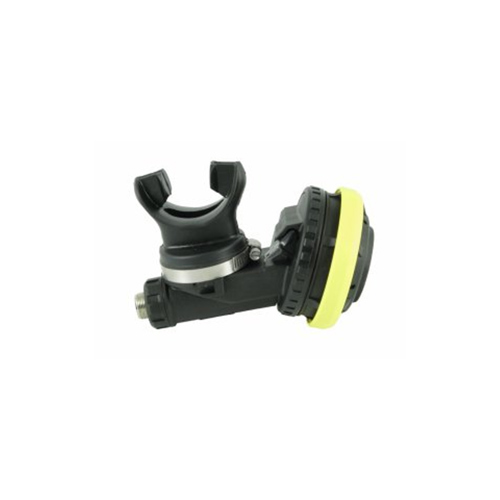
Dive Relief Valves can further enhance your ability to manage gas flow and pressure in critical situations. The winter season, with its unique challenges and reduced visibility, is a timely reminder of the importance of reliable, well-maintained valve systems. Whether you are upgrading your kit, preparing for a rescue course, or simply ensuring your gear is ready for the unexpected, investing in the right rescue diving valves is a decision that underscores your commitment to safety and the well-being of your dive team. The right valve not only provides peace of mind during routine dives but can make all the difference when seconds count, turning a potential emergency into a controlled and successful resolution.