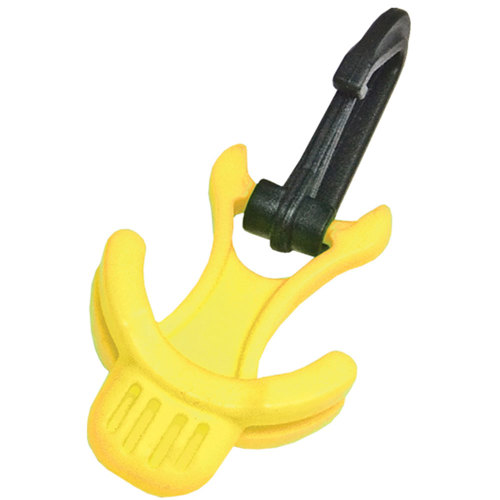
Reef Hooks
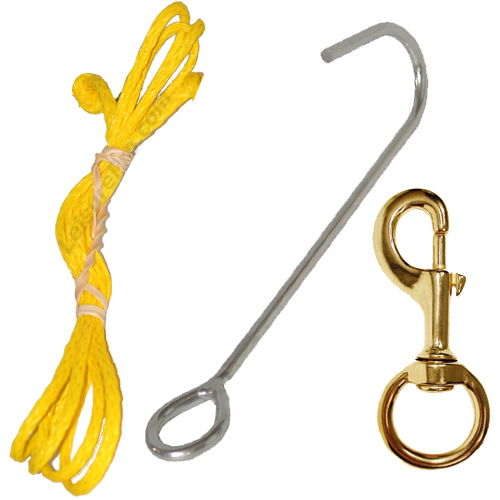
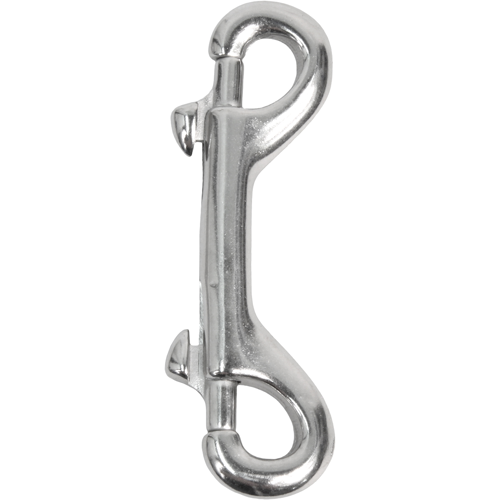
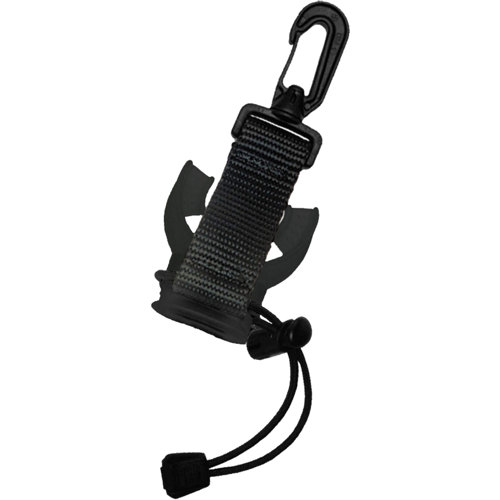
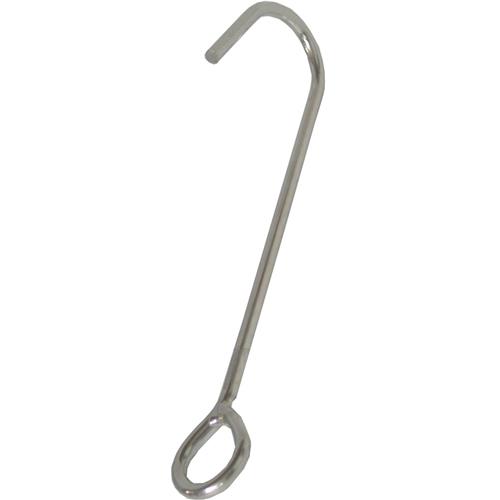
Reef hooks are a staple in the toolkit of experienced divers, especially as the weather warms and dive conditions become more dynamic. These compact, reliable devices—also called reef hook scuba or dive hook systems—are designed to help divers maintain position in strong currents, allowing for extended observation or photography without the fatigue and air consumption that comes from constant finning. Typically constructed from corrosion-resistant stainless steel and paired with a durable rope or cord, a reef hook attaches securely to a diver’s BCD via a robust clip. When used correctly, a reef hook provides a safe and efficient way to anchor oneself to dead rock or seabed debris—never to living coral—minimizing both environmental impact and personal exertion. Whether you’re drifting along a vibrant wall teeming with life or hovering at a safety stop on a current-swept site, a well-placed reef hook can transform a challenging current into an opportunity for effortless exploration.
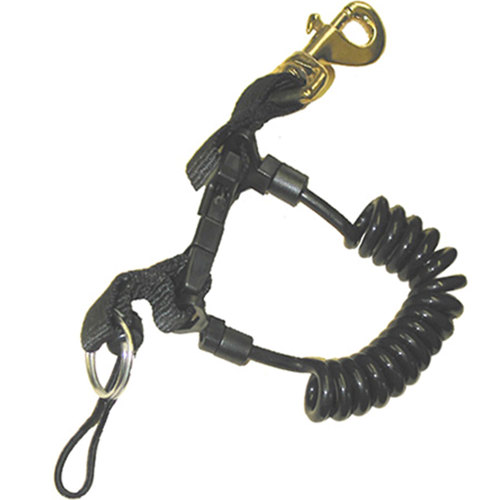
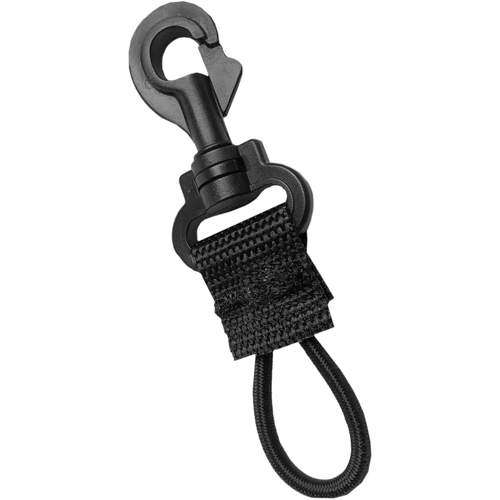
Choosing the right reef hook involves a few key considerations, shaped by your experience level, typical dive environments, and personal preferences. Length and thickness of the line, strength and shape of the hook, and the quality of the clip all play a role in both safety and ease of use. Some divers prefer a compact setup for travel, while others opt for a longer line to allow more freedom of movement when hooked in. It’s essential to practice responsible use: always seek out solid, dead substrates for anchoring, maintain excellent buoyancy control to avoid contact with the reef, and keep your body suspended above the bottom while using the hook. For underwater photographers and videographers, a reef hook is invaluable during those moments when you want to frame the perfect shot without drifting away or disturbing the marine environment. Dive professionals and guides often keep a hook dive tool handy for group management and safety stops in unpredictable currents. As the diving season stretches from late spring through late summer, reef hooks also make thoughtful gifts for avid divers preparing for upcoming trips to renowned current-swept destinations—think of them as a practical upgrade for anyone’s gear bag.
Reef hooks are not just for the seasoned diver; they’re also a smart addition for intermediate divers looking to expand their skills and comfort in more challenging conditions. When paired with good buoyancy skills, a reef hook can open up new sites and experiences, from exhilarating drift dives to peaceful observation of pelagic life on open water reefs. They are also a practical complement to other specialized gear, such as
Reef Spearfishing Lines, especially for those who combine underwater exploration with responsible spearfishing. When selecting your reef hook, prioritize quality materials and construction—look for smooth, rounded hooks that won’t snag or damage gear, and lines that are easy to deploy and stow even with gloved hands. Always remember that proper training and practice are essential: take the time to master deployment, anchoring, and retrieval before relying on your reef hook in demanding conditions. Used thoughtfully, reef hooks enhance both safety and enjoyment, helping divers make the most of their time beneath the waves while protecting the delicate ecosystems that make every dive memorable.