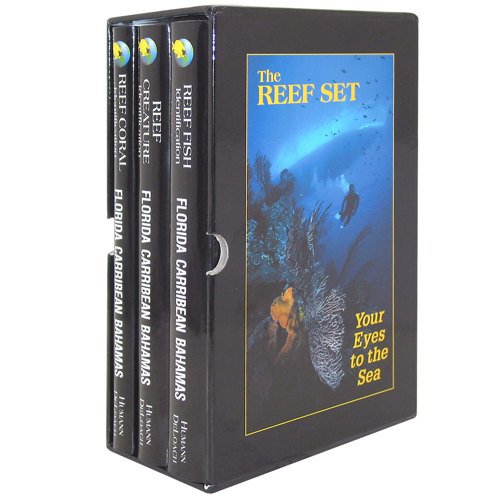
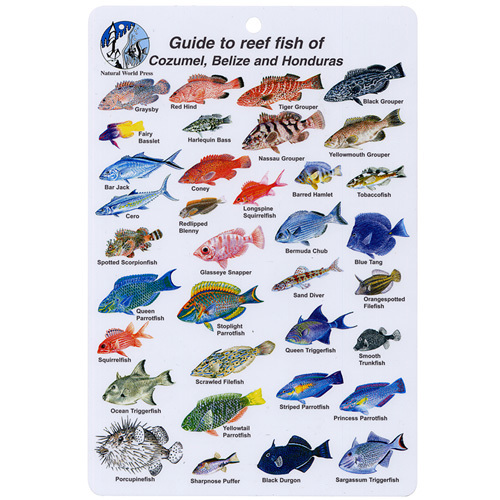
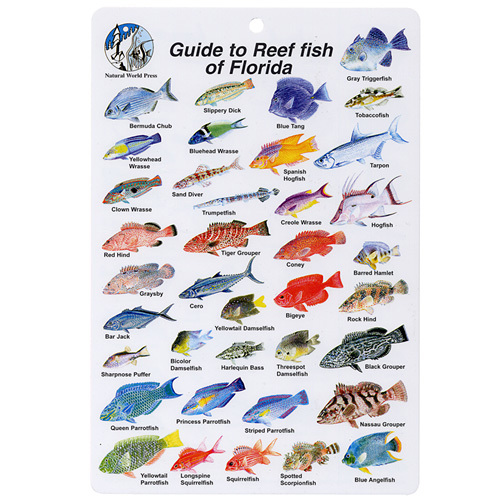
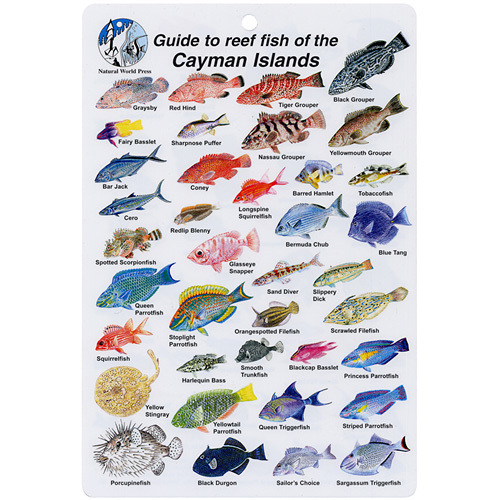
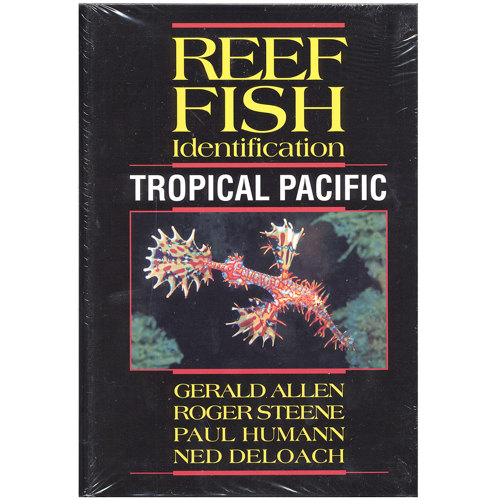
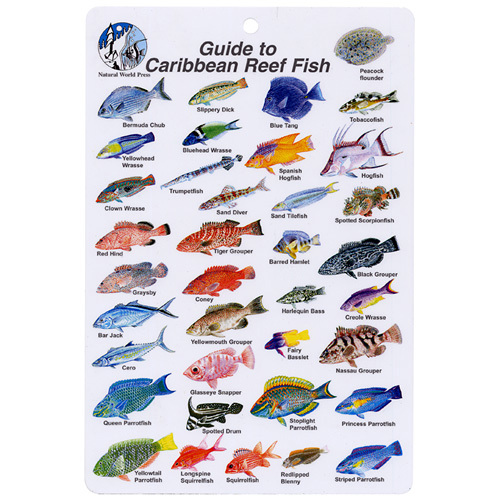
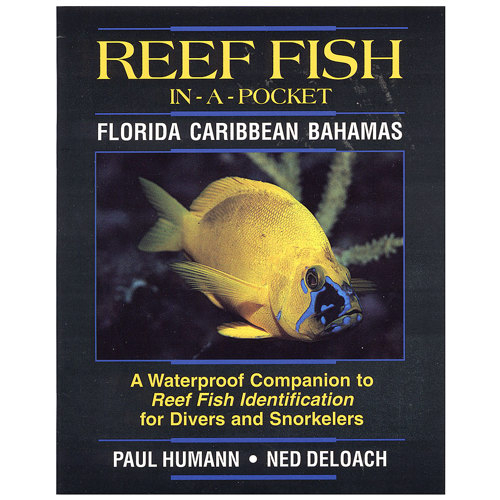
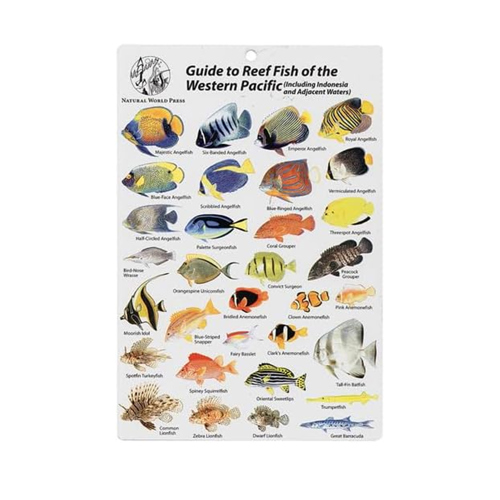
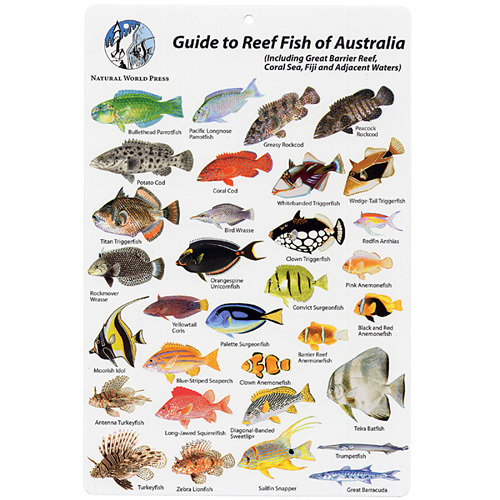
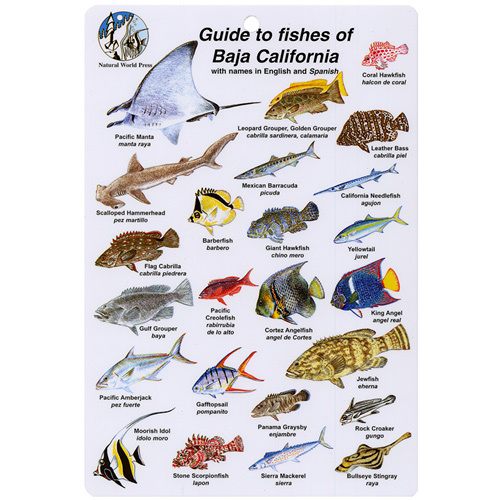
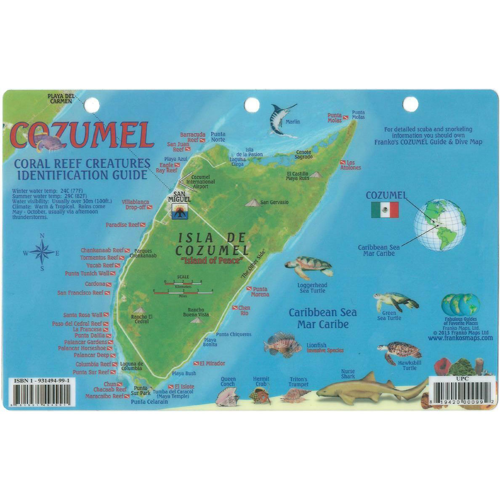
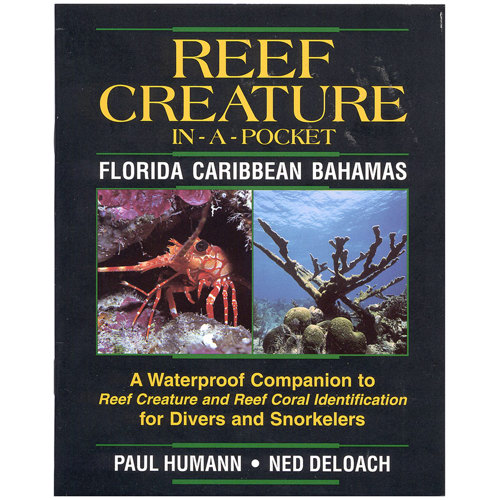
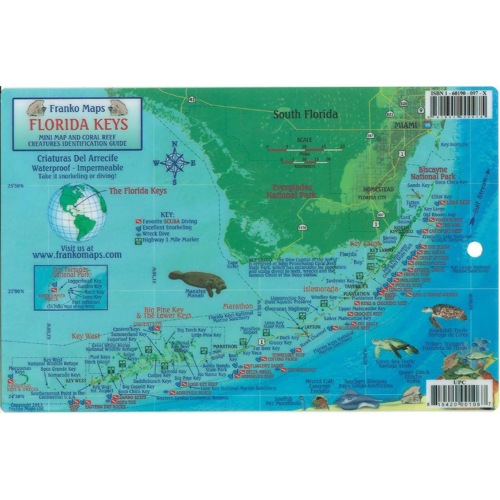
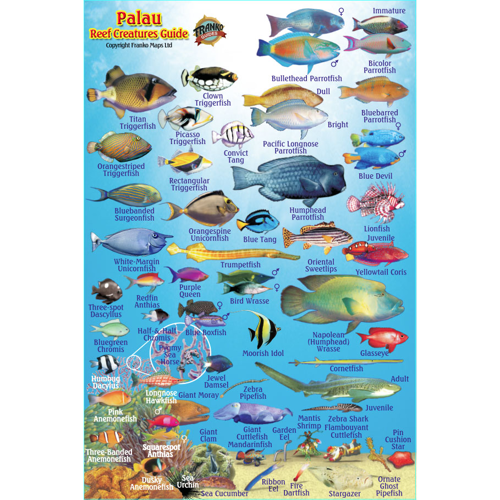
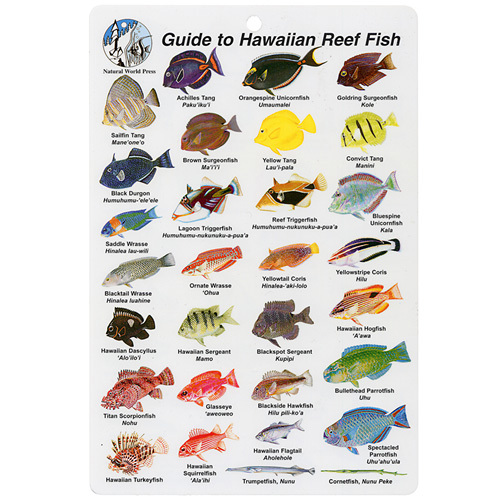
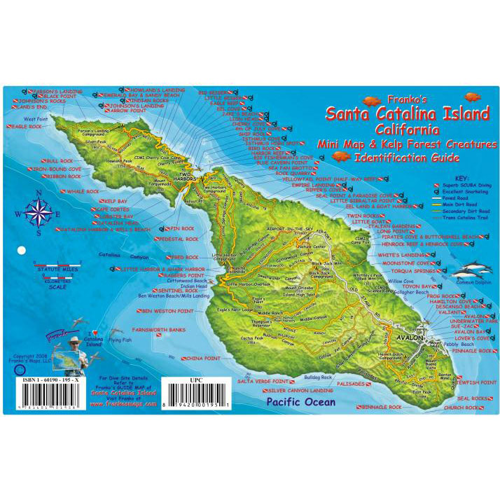
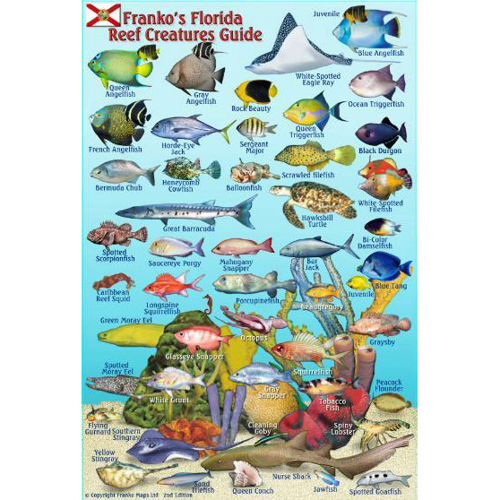
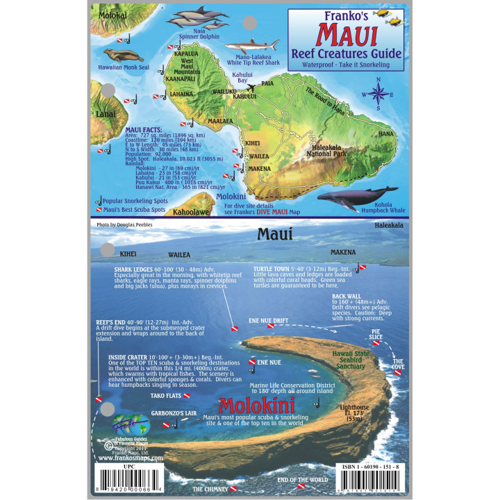
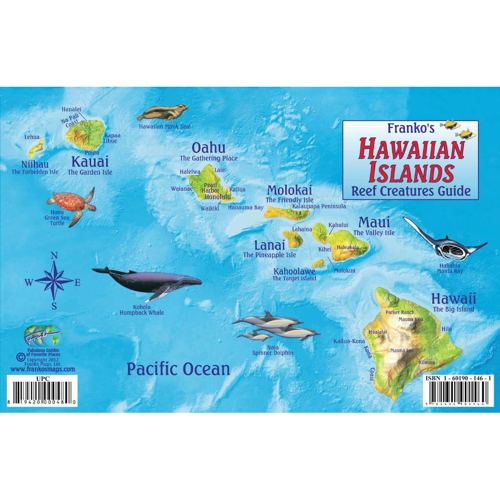
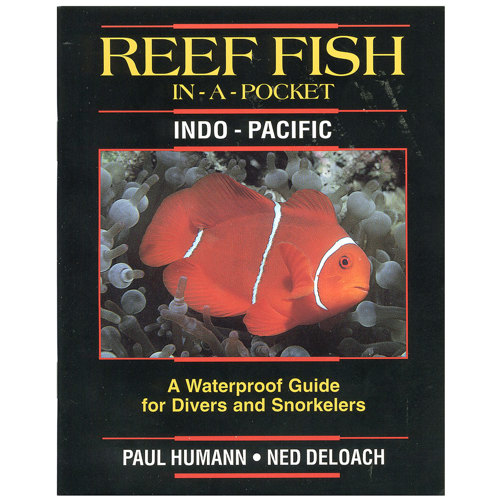
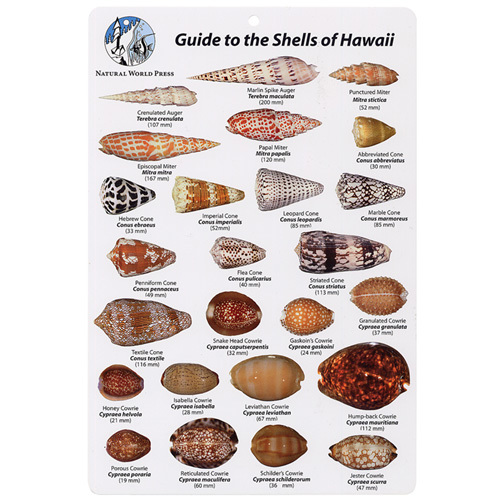
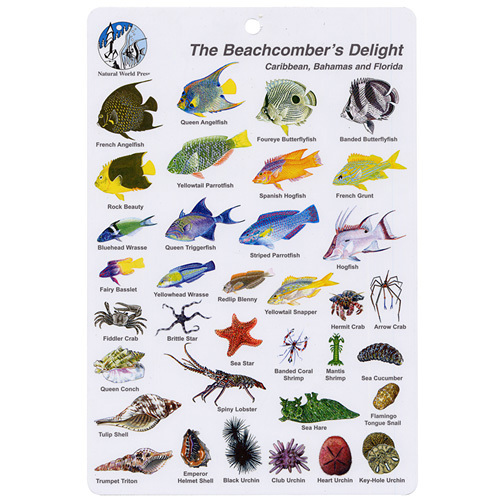
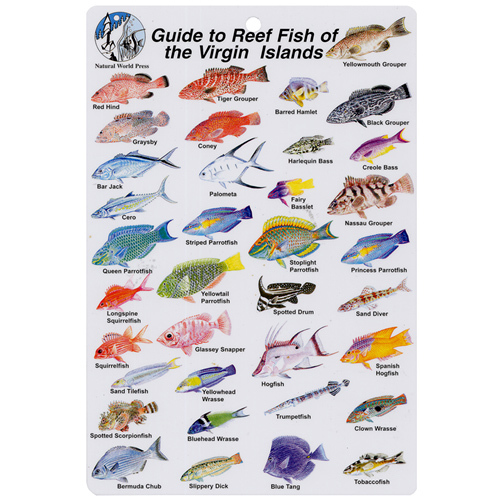
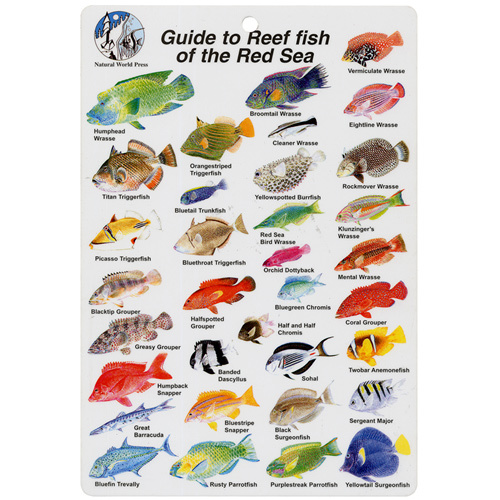
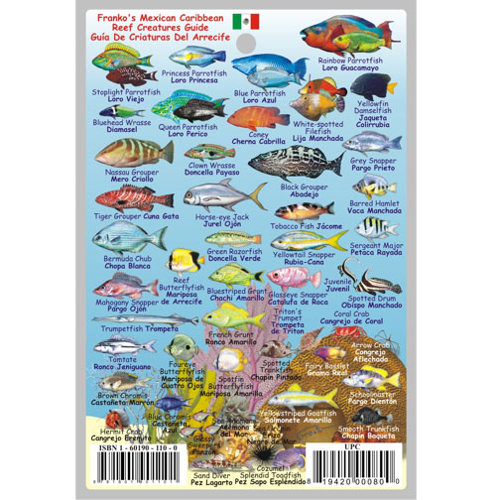
Exploring the vibrant world beneath the waves is a rewarding pursuit for divers, snorkelers, and marine enthusiasts of all levels. As the weather warms and aquatic adventures beckon, reef identification tools become essential companions for anyone eager to deepen their connection with the ocean’s ecosystems. Whether you’re a seasoned diver meticulously cataloging reef fish, a new snorkeler marveling at the kaleidoscope of life on your first shallow reef, or a budding marine biologist conducting fieldwork, having the right identification resources can transform a routine swim into a fascinating journey of discovery. These tools come in many forms, from durable, waterproof pocket guides that slip easily into a BC or wetsuit pocket, to comprehensive field manuals brimming with vivid photography and detailed descriptions of fish, corals, and invertebrates. For those who prefer digital convenience, interactive mobile apps and online databases offer instant access to a wealth of reef species information, making it easy to cross-reference sightings and log new discoveries on the go. Some divers even prepare for trips by studying with flashcard apps or participating in online quizzes and training sessions, sharpening their reef fish ID skills before ever entering the water.
Selecting the right reef identification tool depends on your experience, destination, and personal learning style. Physical guides are often preferred for their reliability underwater and the tactile satisfaction of flipping through pages with wet hands, while digital solutions excel in portability and the ability to update content as new species are discovered or taxonomies change. If you’re heading to a specific region—like the Caribbean, Indo-Pacific, or Red Sea—look for guides tailored to local marine life, ensuring your observations are as accurate as possible. Many tools are designed to withstand saltwater, sun, and sand, with laminated pages or rugged cases, making them ideal gifts for ocean lovers, dive buddies, or students embarking on marine biology studies. Gifting a well-chosen reef identification tool can inspire curiosity and foster a lifelong appreciation for marine conservation, whether it’s for a birthday, graduation, or as a thoughtful gesture before a big trip. Families traveling together often find that a shared guidebook sparks engaging conversations and encourages kids to spot and name new fish, turning every snorkel session into an interactive learning experience. For those pursuing citizen science or participating in reef surveys, specialized identification sets and logbooks help organize data and contribute to broader conservation efforts, connecting your personal adventures to global initiatives.
No matter your reason for exploring the reef, the right identification tools enhance every underwater outing, from casual snorkeling excursions to dedicated research dives. They help you distinguish between lookalike species, recognize rare or endemic creatures, and develop a deeper understanding of the reef’s intricate web of life. With the growing popularity of marine photography, many divers also use these resources to match their photos with species names, creating lasting memories and field notes to share with friends or dive communities. For a curated selection of both classic and innovative identification aids—including waterproof guides, digital apps, and more—visit our dedicated page on
Underwater Species Identification Tools. Equipping yourself with a quality reef fish ID tool not only enriches your own experiences but also supports the broader mission of protecting and celebrating the world’s coral reefs for generations to come.