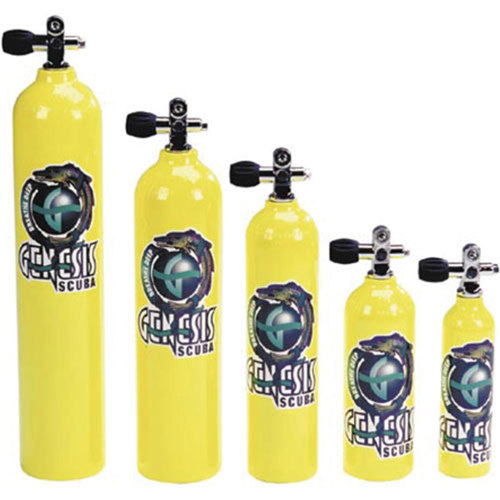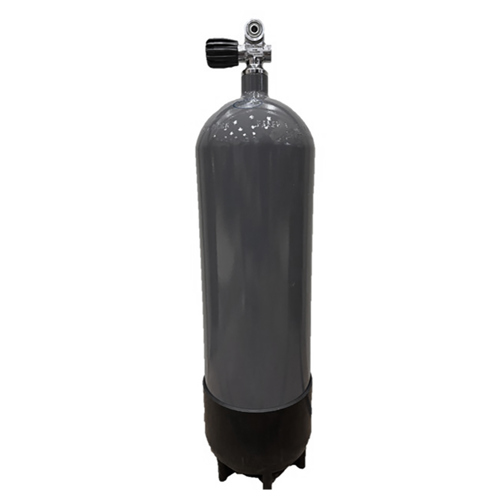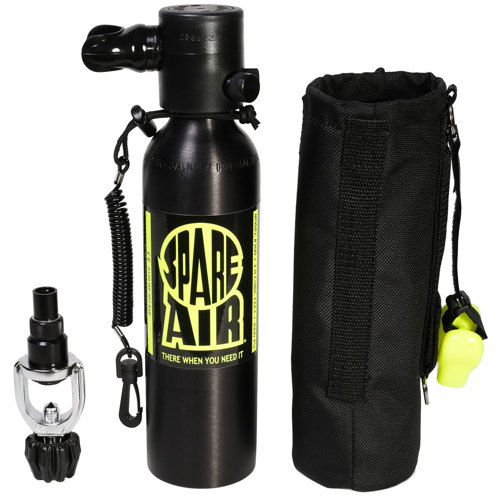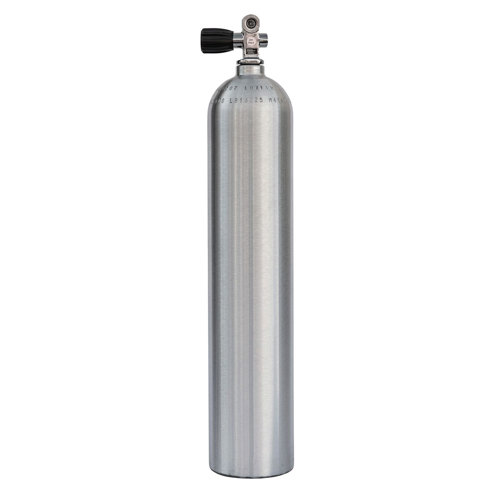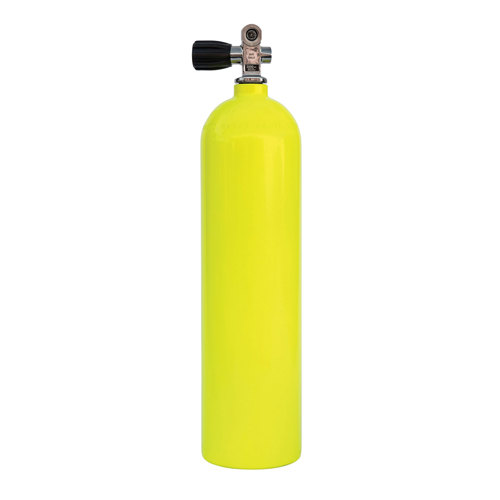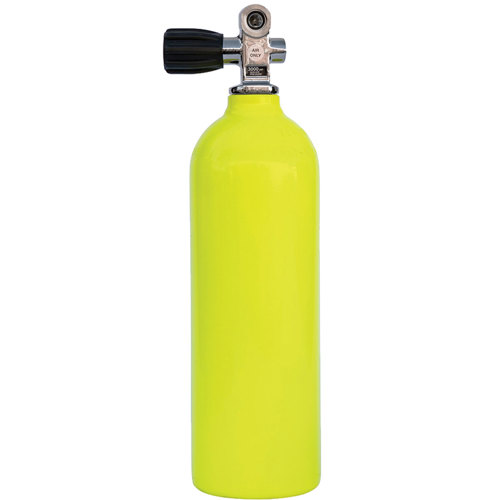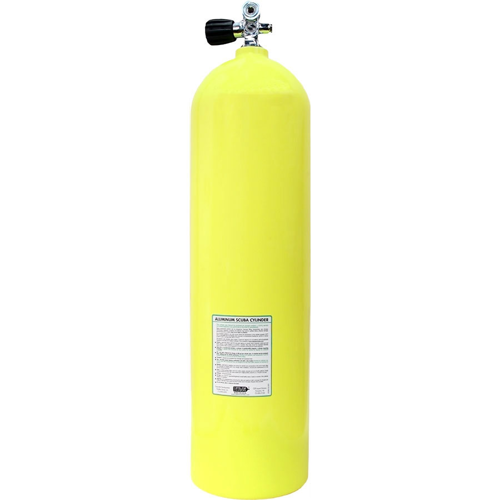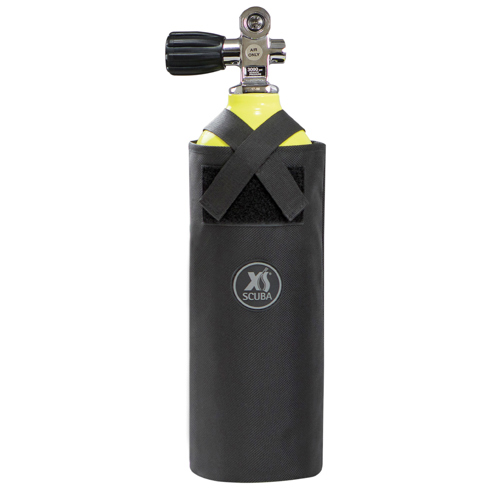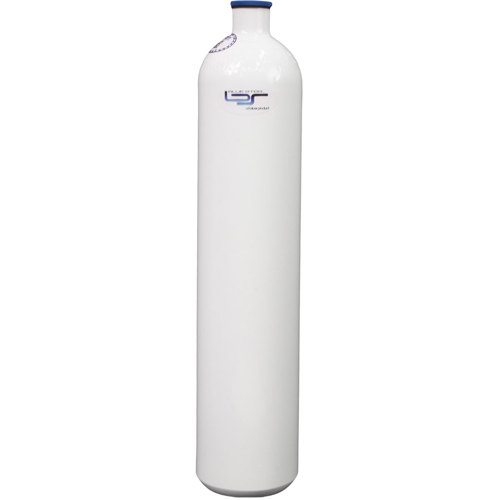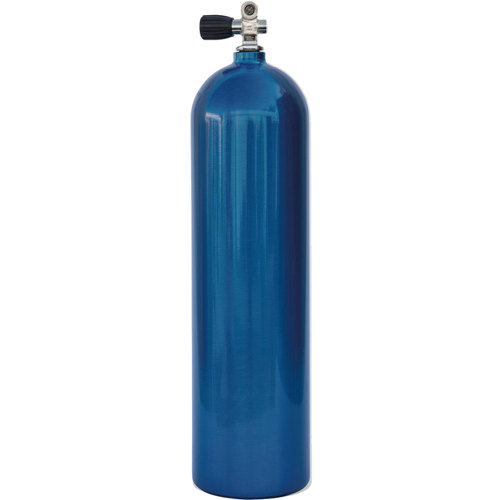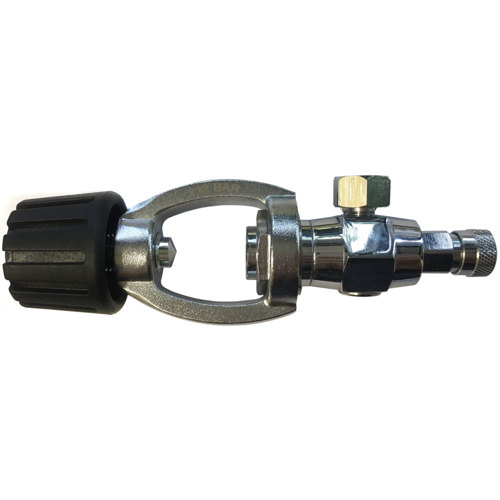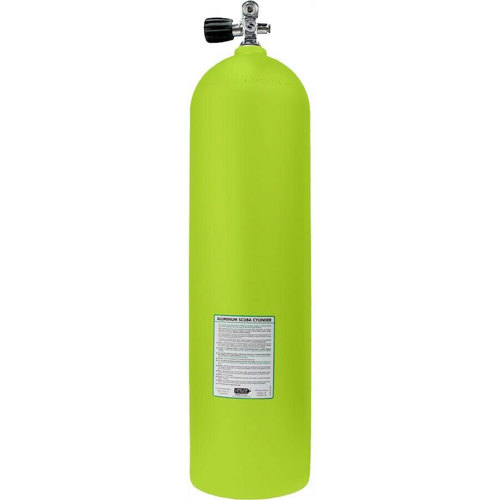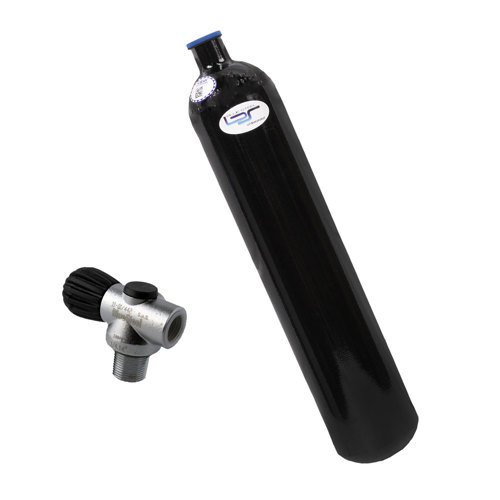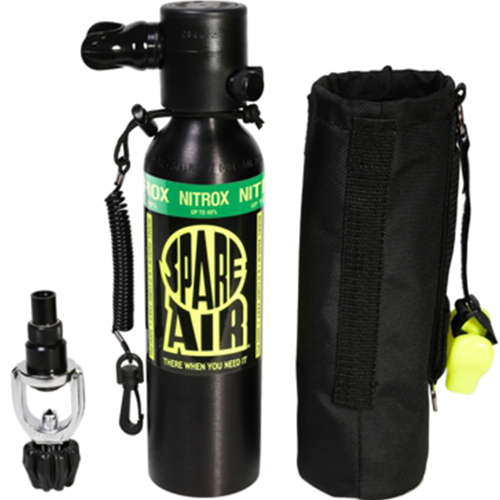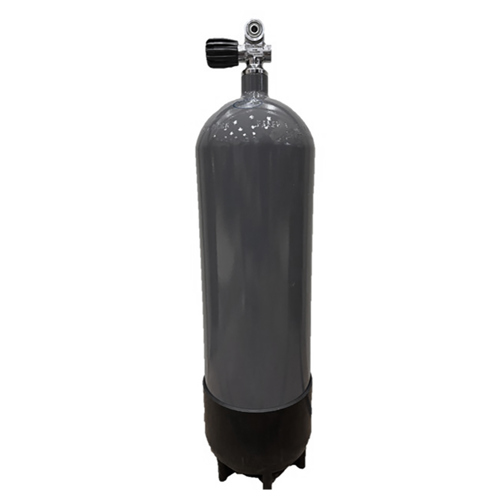
Redundant air tanks have become an essential addition to the gear setup of divers who value preparedness and safety, especially as diving conditions shift in the winter months. As water temperatures drop and visibility can change unexpectedly, having a backup air source provides peace of mind and an extra layer of security. Redundant air tanks, whether in the form of compact emergency cylinders or larger pony bottles, serve as a dedicated reserve supply, completely independent from your primary tank. This distinction is crucial: unlike a buddy’s alternate air source, which still draws from the same main cylinder, a redundant tank is a self-contained system. For divers exploring deeper wrecks, venturing into colder offshore sites, or those who simply want to minimize anxiety and maximize self-reliance, this equipment is invaluable. Technical divers, solo adventurers, and instructors often rely on these systems, but they are equally suitable for experienced recreational divers who want to add a safety margin to their dives. In fact, gifting a redundant air tank to a passionate diver—especially during the winter season, when gear upgrades are top of mind—shows a thoughtful understanding of their commitment to safe diving practices.
Selecting the right redundant air tank involves several important considerations. The size and capacity of the tank should match the type of diving you do: smaller, ultra-compact units are designed for brief emergencies and can be easily stowed, while larger pony bottles provide several minutes of breathing gas, offering a more robust safety net for complex dives or colder conditions where stress on equipment is higher. For those planning extended or deeper dives, double-tank setups or sidemount systems provide even greater redundancy and gas management flexibility. Mounting options also play a role—some divers prefer tanks clipped to their BCD, while others opt for streamlined harness systems that keep the backup out of the way but instantly accessible. It’s important to remember that these tanks are not intended for routine use or to prolong bottom time; their primary purpose is to facilitate a calm, controlled ascent in the unlikely event of a primary air supply failure. Proper training is essential to ensure you can deploy and use the backup system effectively, as is regular maintenance—each additional piece of gear requires its own inspection and servicing schedule. For those new to redundant setups or looking to compare the full range of options, our
Redundant Air Systems page offers a comprehensive overview of available configurations, helping you make an informed choice tailored to your diving goals.
Adding a redundant air tank to your dive kit is more than just a technical upgrade—it’s a mindset that prioritizes safety, responsibility, and the ability to handle the unexpected. Divers who have found themselves in challenging conditions, whether separated from a buddy in low visibility or managing an equipment issue in colder water, know the value of having an independent backup. The confidence that comes from knowing you have a reliable reserve allows you to focus on the underwater experience, whether you’re exploring a sunken ship, photographing marine life, or guiding students through their first open water adventure. As you plan your next dive, especially during the winter months when conditions can be less predictable, consider the added assurance a redundant air tank can provide. It’s a practical investment in your own safety and a thoughtful addition to the gear of any diver who takes their underwater adventures seriously.