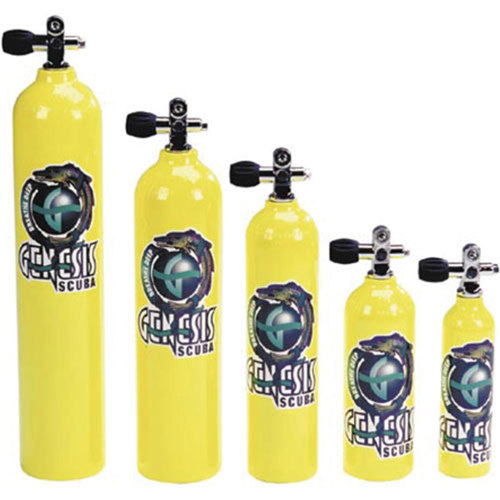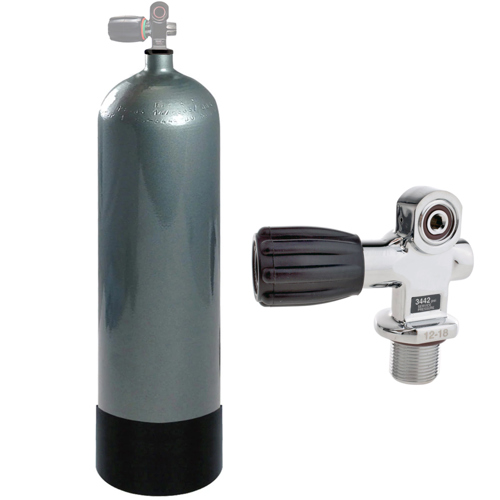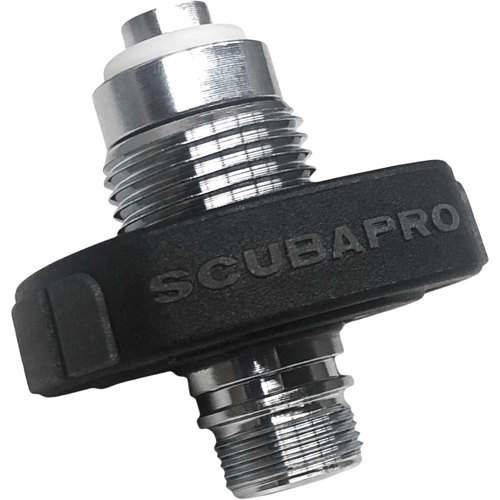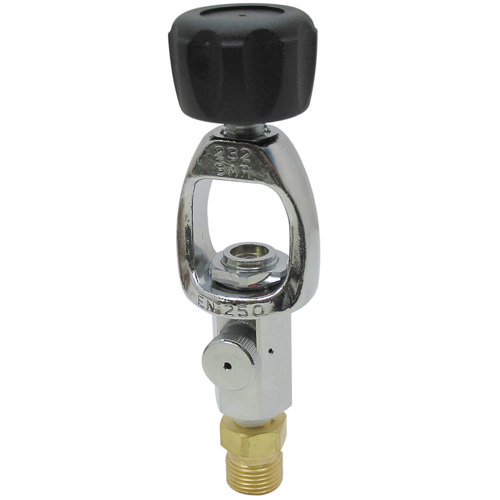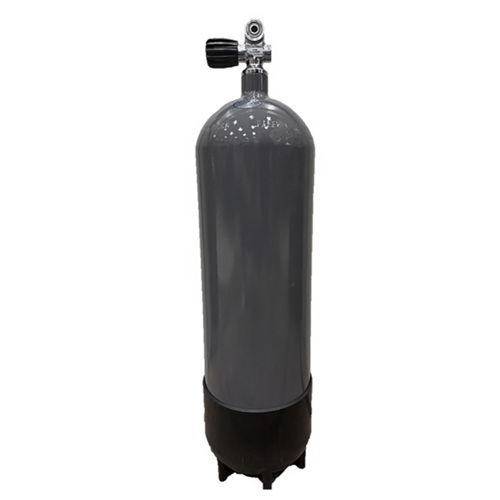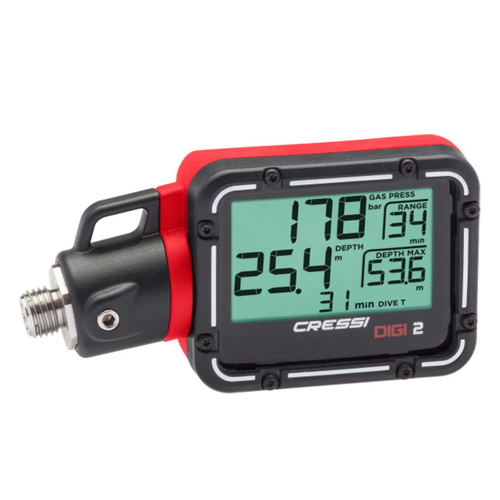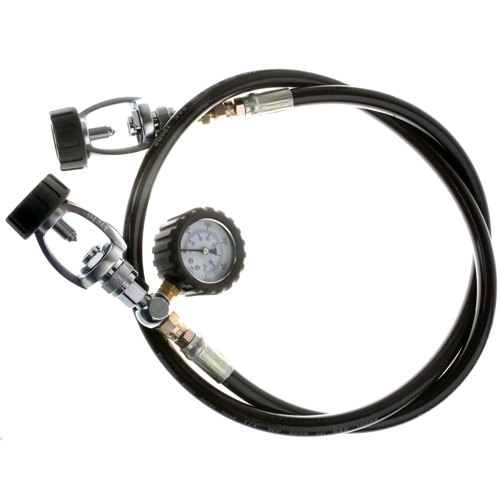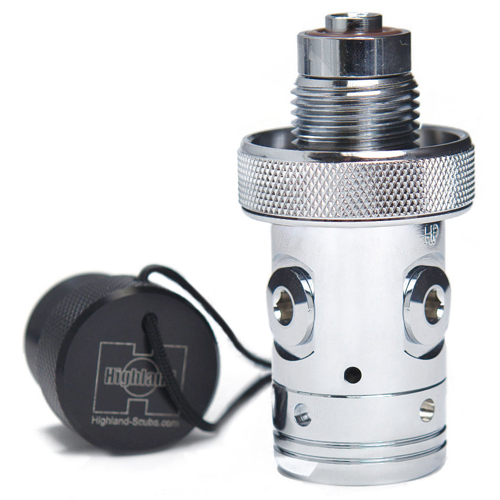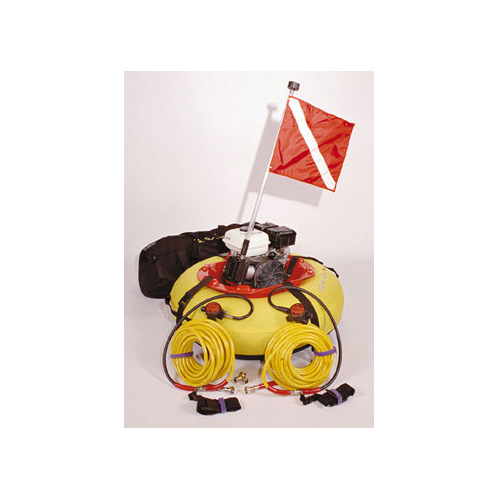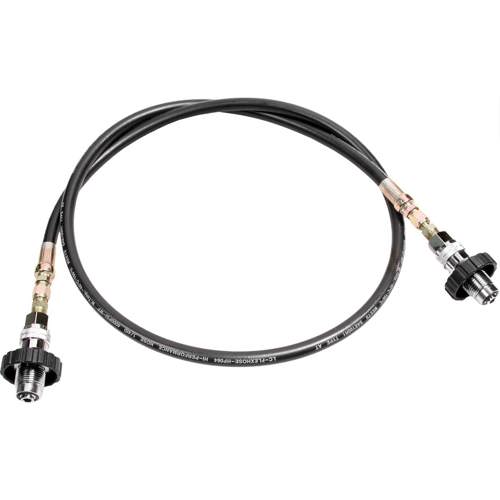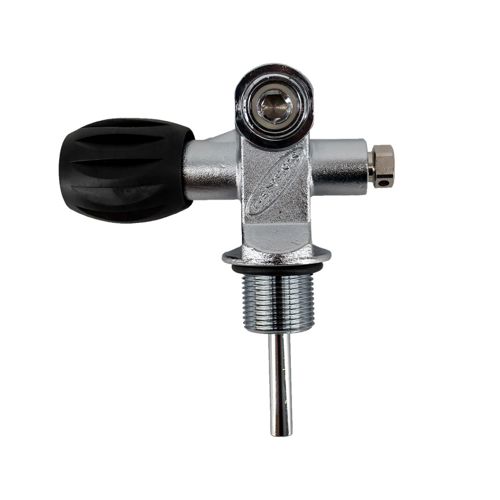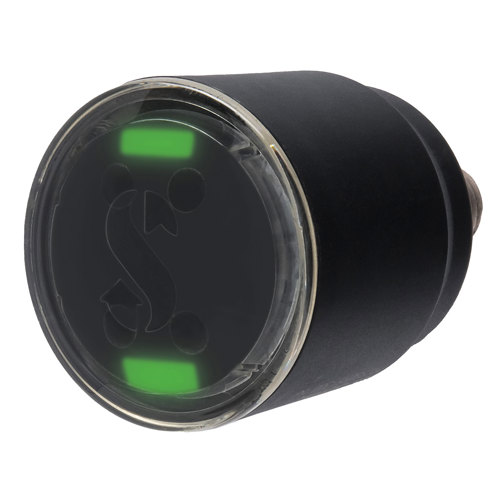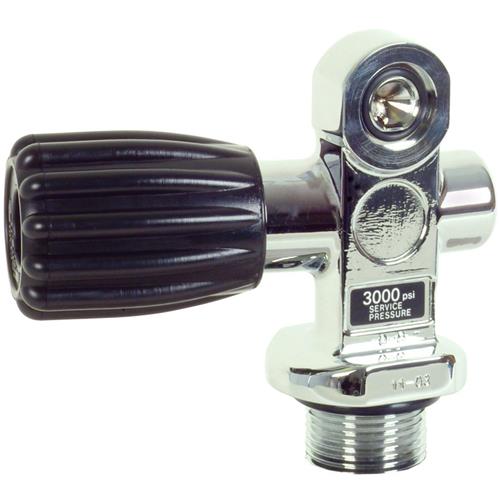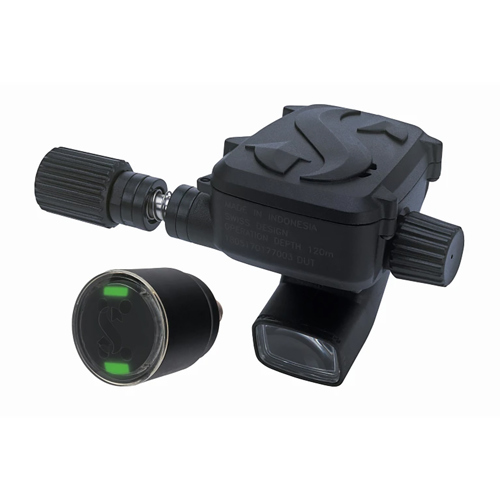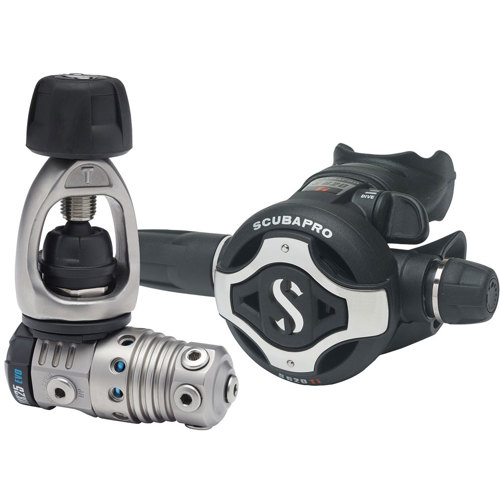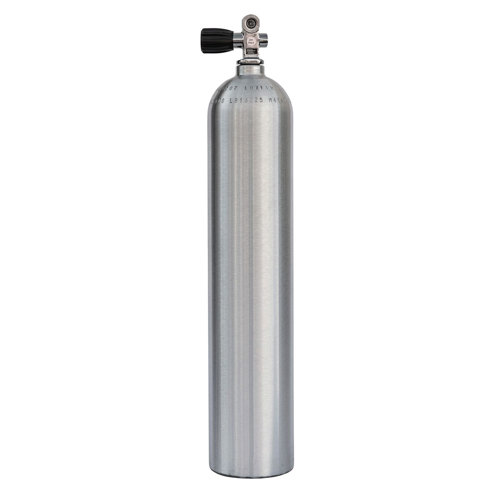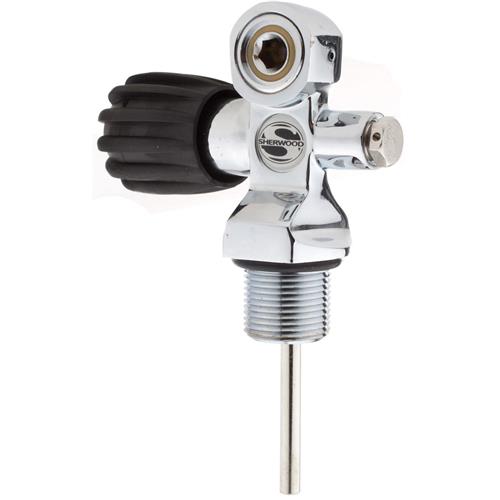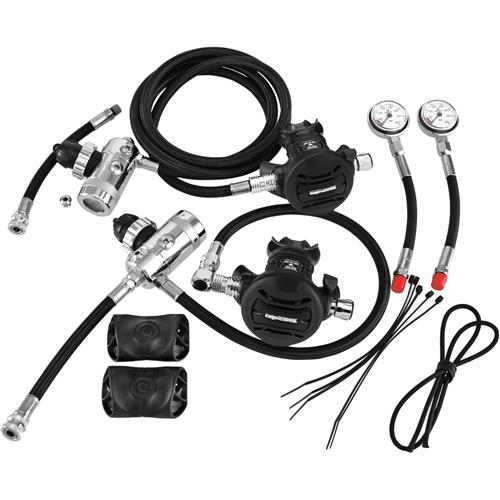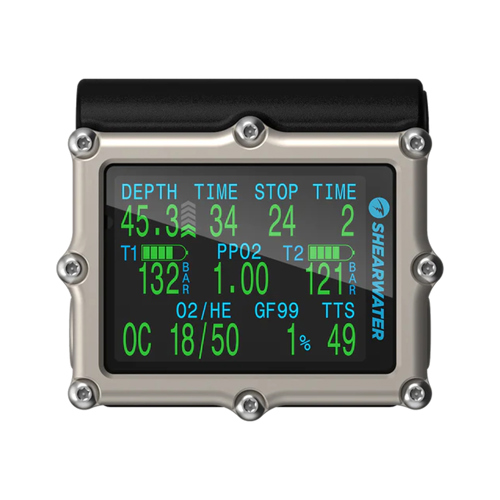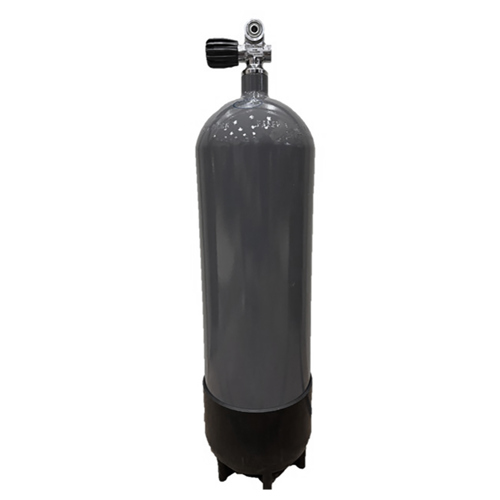
Scuba gas systems are at the heart of safe and enjoyable underwater exploration, providing divers with the essential life support needed to breathe comfortably beneath the surface. Whether you’re preparing for your first open water adventure or planning technical dives that push the limits of depth and duration, understanding the components and options available in scuba gas systems is key. These systems typically include the gas cylinder—often constructed from durable aluminum or lightweight titanium for corrosion resistance and longevity—along with regulators, hoses, gauges, and sometimes advanced delivery mechanisms such as rebreathers. Open-circuit systems, the most familiar to recreational divers, release exhaled gas into the water, making them straightforward and reliable. More advanced closed-circuit rebreathers, on the other hand, recycle the exhaled gas by scrubbing out carbon dioxide and replenishing oxygen, allowing for longer, quieter, and more efficient dives. The choice between these systems depends on your experience level, dive objectives, and the environments you plan to explore.
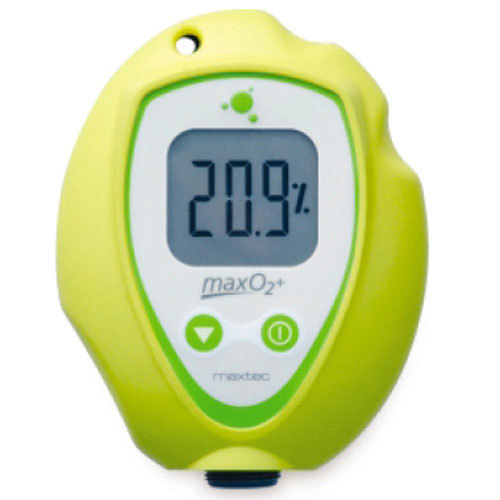
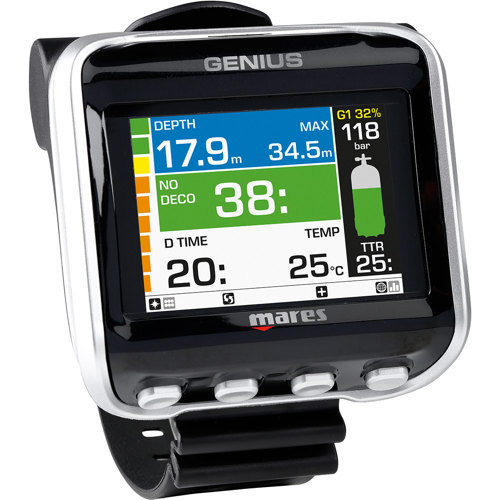
Selecting the right scuba gas mix is another crucial consideration, especially as you venture into more specialized or technical diving. Standard air, composed of roughly 21% oxygen and 78% nitrogen, is suitable for most recreational dives, but as your ambitions grow, you may find that enriched air nitrox, trimix, or even heliox become necessary. Nitrox, with its higher oxygen and lower nitrogen content, allows for longer bottom times and reduced decompression risk, making it popular among those who want to maximize their time exploring reefs or shipwrecks. Trimix, which introduces helium into the blend, is favored by technical divers venturing into deeper waters, as it reduces the risk of nitrogen narcosis and oxygen toxicity. Heliox, a mix of helium and oxygen, is reserved for the deepest dives, eliminating nitrogen entirely to further minimize narcosis. Each gas mix demands precise blending and analysis, underscoring the importance of reliable scuba systems and the expertise to use them safely. Regulators play a vital role in this setup, reducing the high pressure of the gas in the tank to a breathable level that matches the surrounding water pressure—a crucial function for comfort and safety at any depth.
Scuba gas systems make thoughtful gifts for seasoned divers looking to upgrade their gear or for aspiring adventurers eager to embark on new underwater journeys. The winter months, especially in January, are an excellent time to invest in or gift these systems, as divers prepare for upcoming dive seasons or plan warm-water getaways to tropical destinations. A titanium scuba tank, known for its strength and lighter weight, is particularly appreciated by those who travel frequently or dive in saltwater environments where corrosion resistance is paramount. When selecting components, consider compatibility with other gear such as buoyancy compensators and inflator systems; for more information on related equipment, explore our dedicated page on
Scuba Diving Inflator Systems. Whether you’re outfitting yourself or surprising a loved one, investing in high-quality scuba gas systems ensures every dive is safer, more efficient, and more enjoyable, allowing you to focus on the wonders of the underwater world—from vibrant coral gardens to mysterious deep-sea wrecks. With the right system in place, you’re equipped for unforgettable experiences, whether you’re gliding through clear Caribbean waters or exploring the silent depths of a local lake.