Rebreather Valves
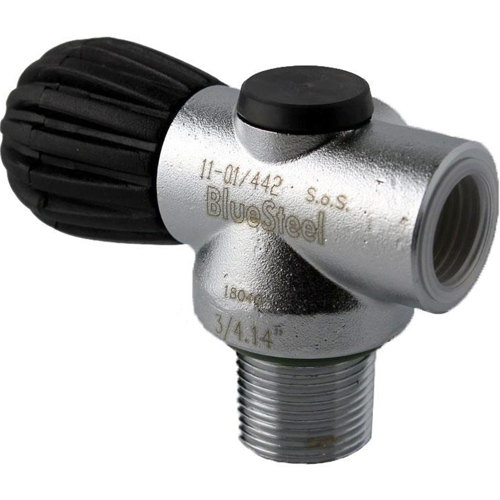
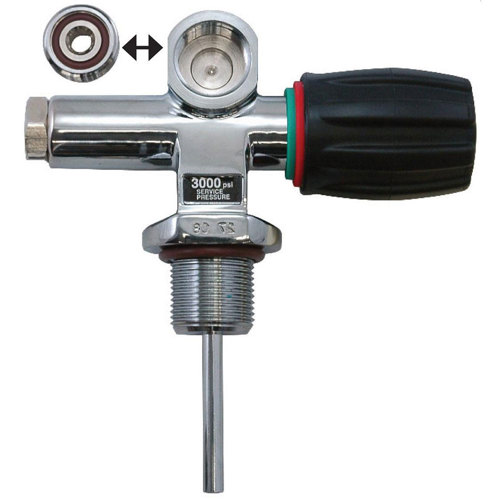
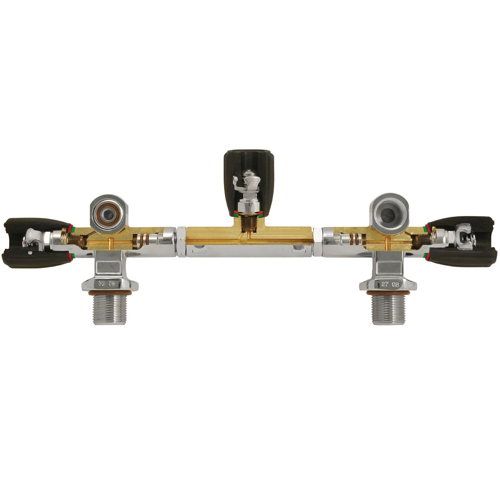
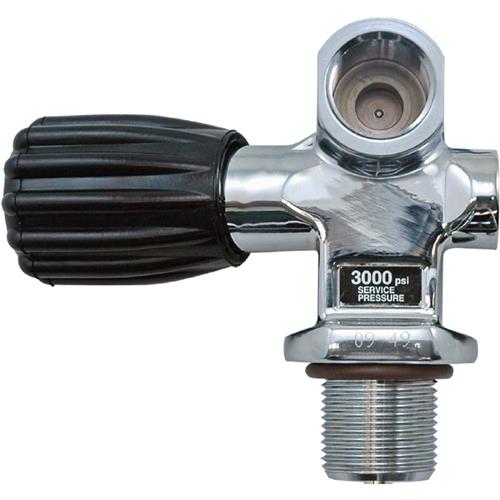
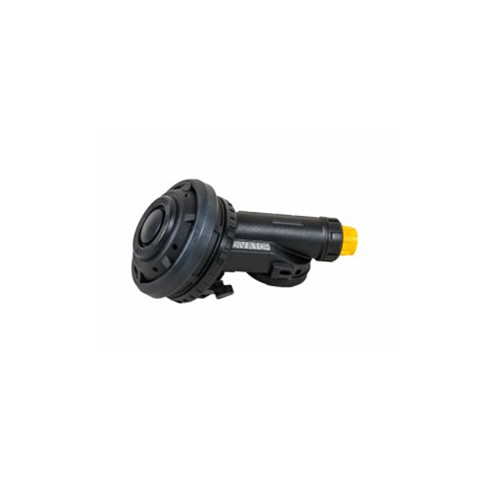
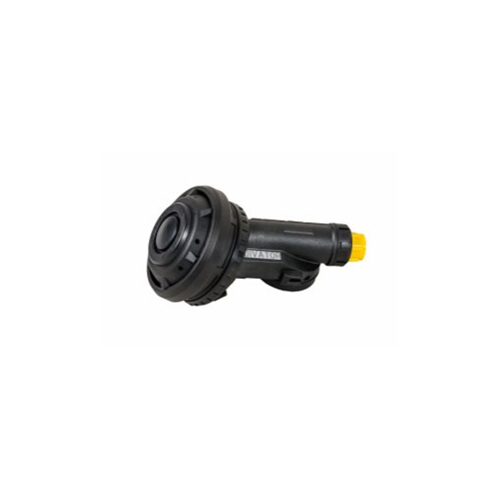
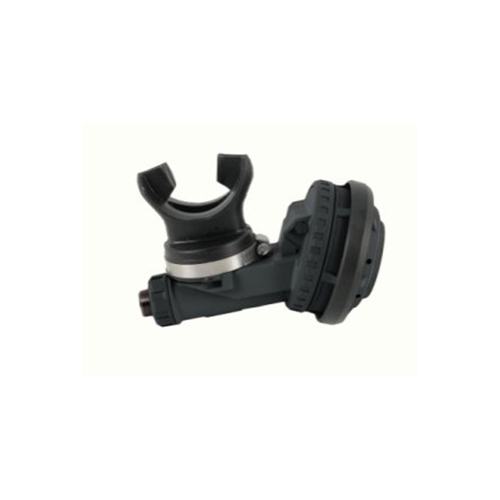
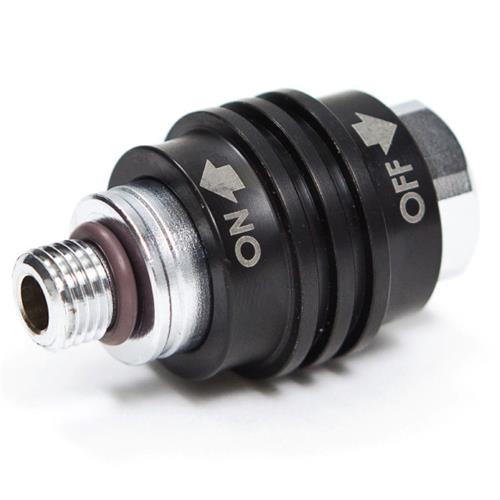
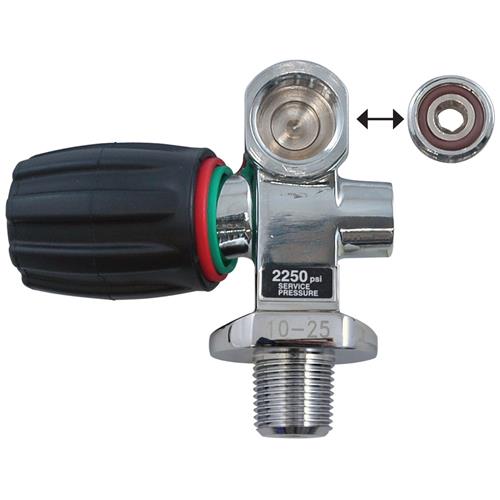
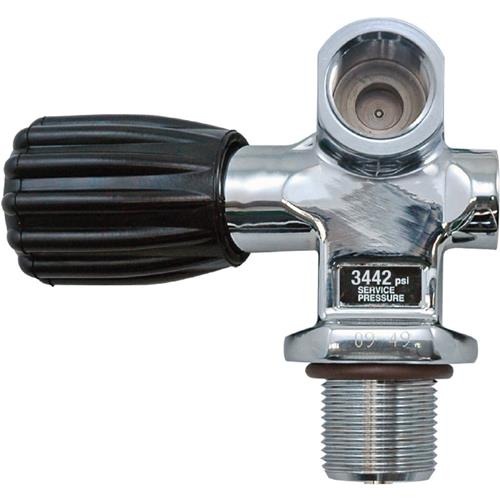
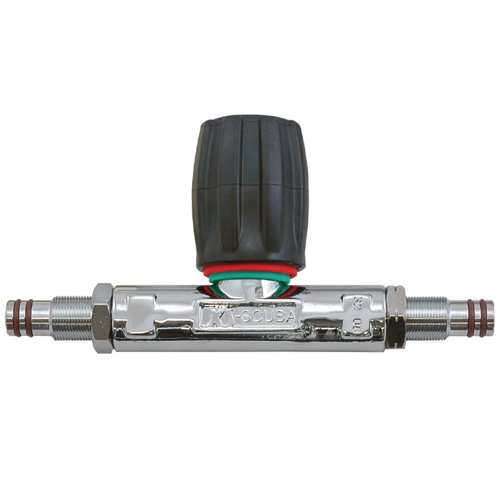
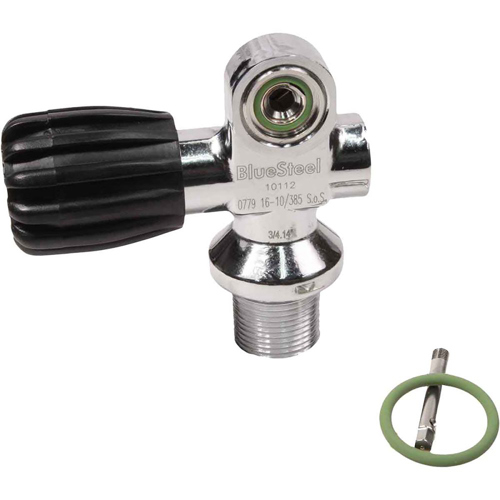
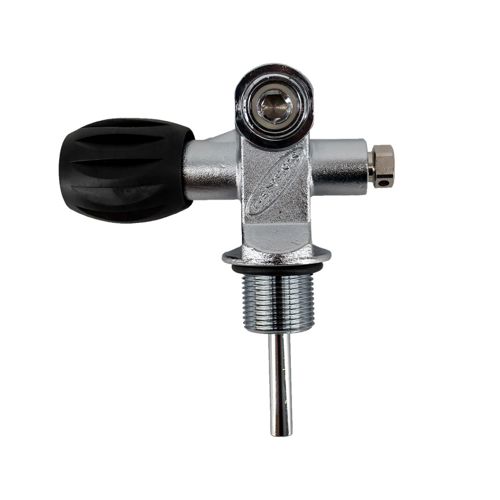
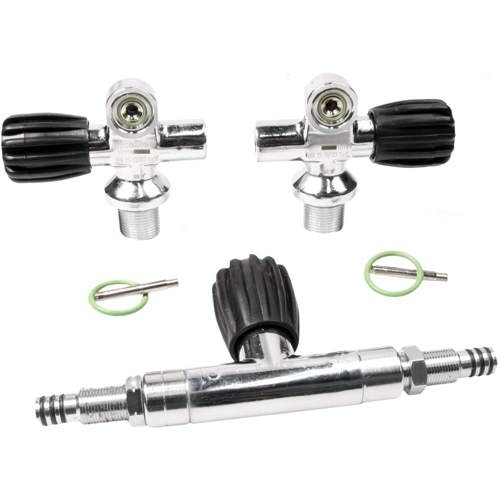
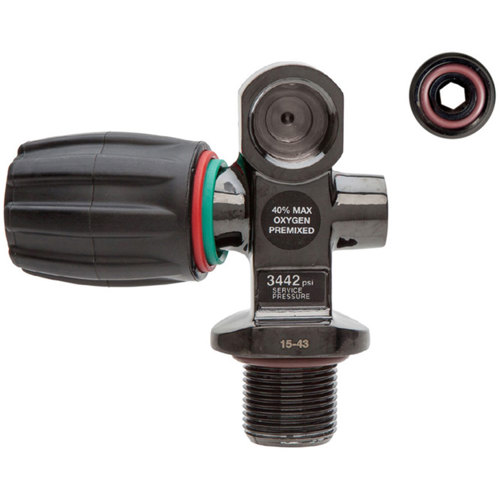
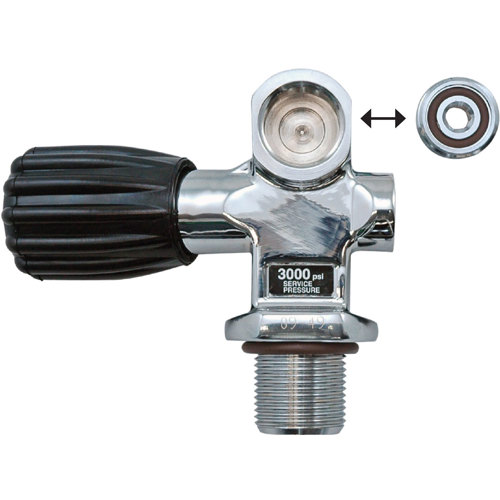
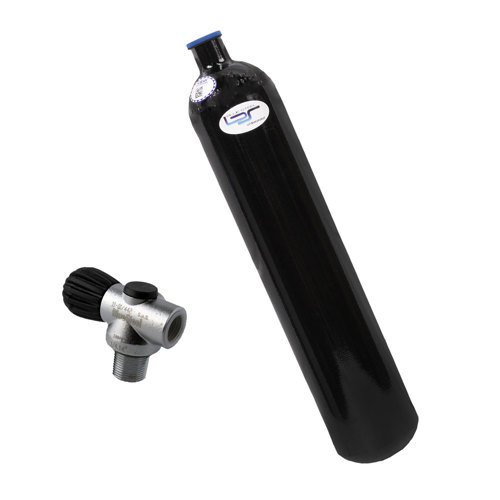
Rebreather valves are an essential component for divers who utilize closed-circuit rebreather (CCR) systems, offering precise gas management and safety in demanding underwater environments. These specialized valves come in a range of configurations, including inline rebreather valves with low-profile "T" or straight shapes designed to fit within the compact housings of modern rebreathers, and side valves often used on units like the AP Diving Inspiration or Evolution, which feature bump guards for added protection. The careful engineering behind each breathing valve for diving ensures compatibility with high-pressure DIN outlets, typically 200/232 bar and sometimes up to 300 bar, and inlet threads that match industry standards for scuba cylinders. Materials are selected for their durability and corrosion resistance, with most valves constructed from robust brass and finished with matte chrome plating, ensuring reliability even after repeated exposure to saltwater. The inclusion of high-pressure burst discs—often rated at 5250 psi—adds a critical layer of safety, preventing over-pressurization during dives.
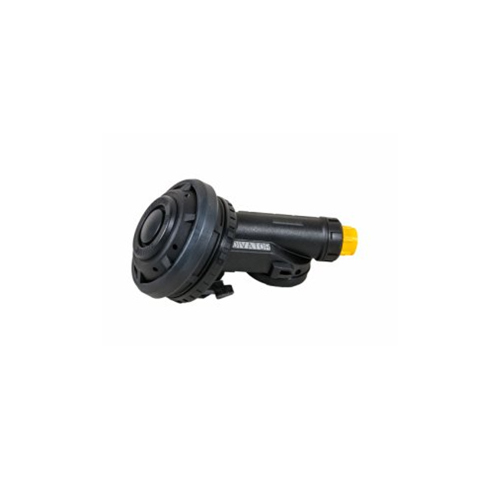
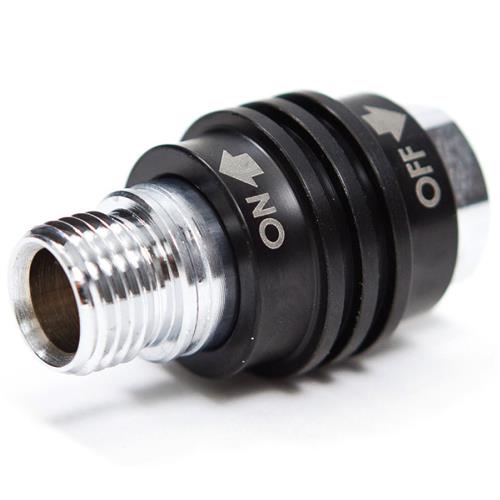
For those venturing into technical or extended-range diving, understanding the function of each valve is crucial. Automatic Diluent Valves (ADV) play a vital role by delivering diluent gas to the breathing loop automatically when inhalation creates negative pressure, allowing divers to maintain optimal gas composition without manual intervention. Manual Add Valves (MAV) provide direct control, enabling the addition of oxygen or diluent as needed, while Constant Mass Flow (CMF) valves offer a steady, continuous flow of gas tailored to the diver’s metabolic demands. The ergonomics of rebreather valves are thoughtfully considered, with handwheels often color-coded—green for oxygen, black for diluent—and designed for easy operation even when wearing thick gloves. These valves must be O2-cleaned and lubricated with compatible products to maintain safety and performance, especially when handling high-purity oxygen. Whether you’re preparing for a summer expedition to a remote wreck or gifting a seasoned technical diver with an upgrade for their setup, choosing the right valve involves matching the specifications to your rebreather unit, ensuring compatibility with your gas supply, and prioritizing ease of use and maintenance.
Selecting rebreather valves is not just about function; it’s about enhancing the overall diving experience. As the waters warm in May and dive conditions become more inviting, many enthusiasts find themselves tuning up their equipment or seeking upgrades to maximize safety and comfort on longer, deeper dives. The compact design of modern valves allows for streamlined equipment configurations, reducing drag and making it easier to maneuver in tight underwater environments. For those new to rebreathers or considering them as a thoughtful gift for an experienced diver, investing in high-quality valves is a gesture that supports both safety and adventure. Each dive becomes an opportunity to trust in your equipment, knowing that every component—from inline valves to side valves and beyond—has been engineered for reliability under pressure. For a complete selection of compatible parts and accessories, including a range of rebreather valves, visit our
Rebreather Supplies page to ensure your next underwater journey is both safe and unforgettable.