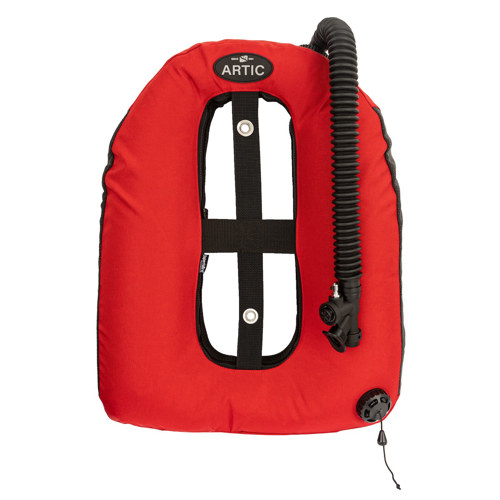
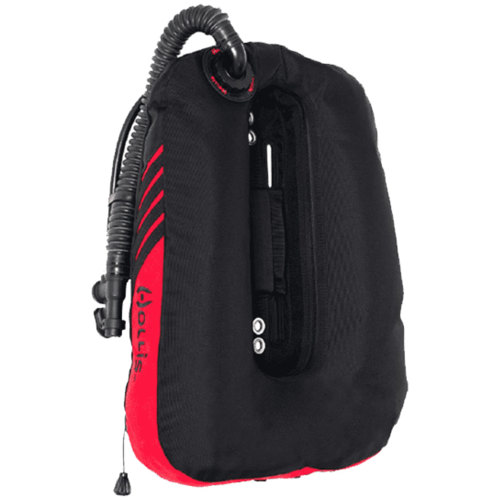
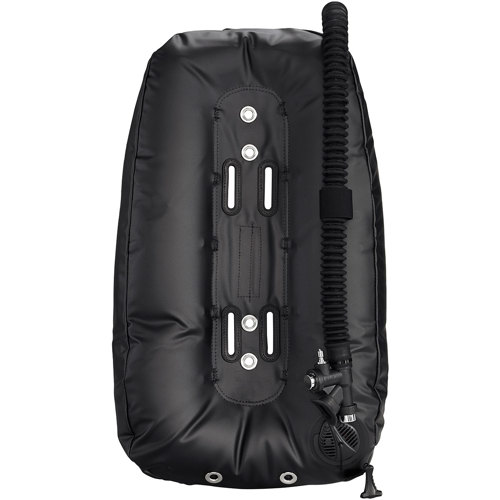
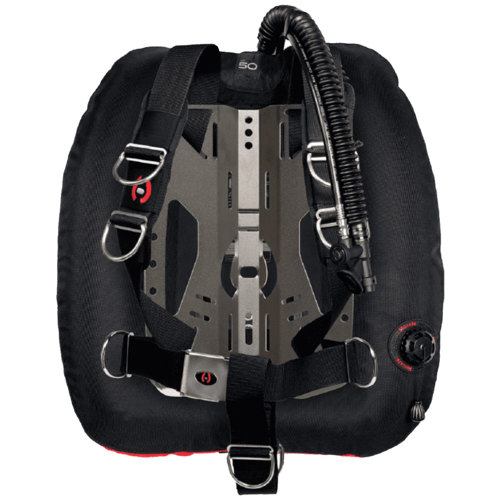
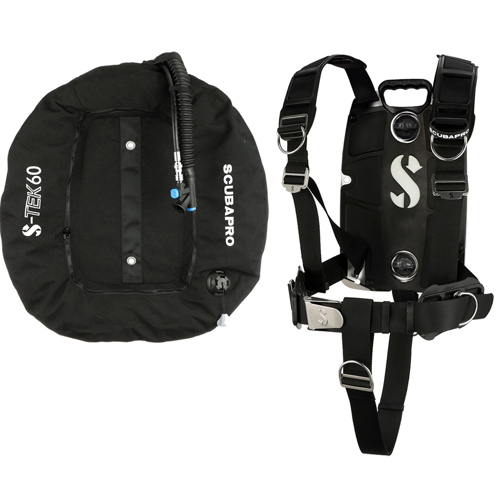
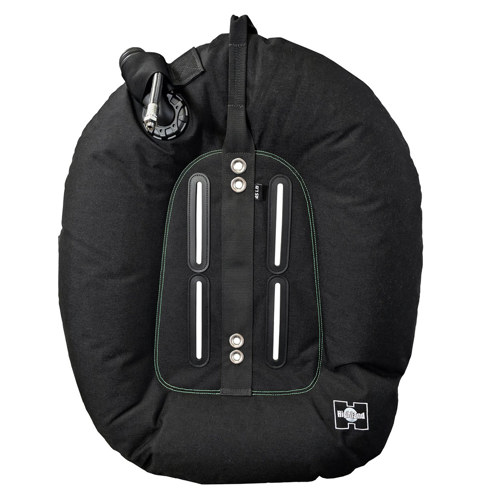
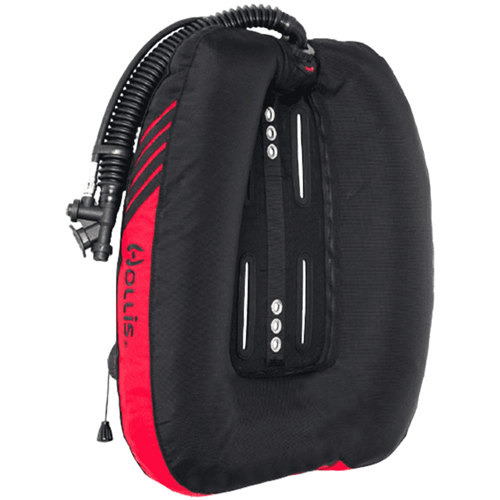
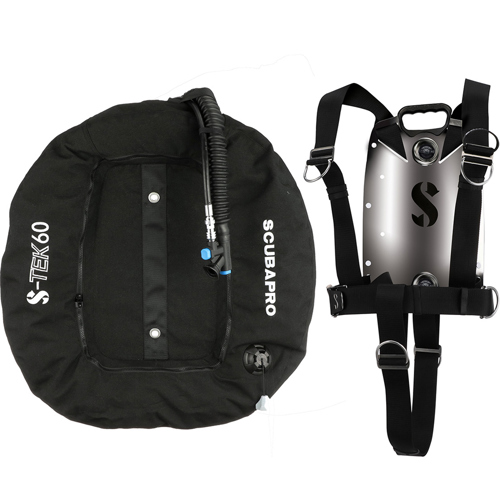
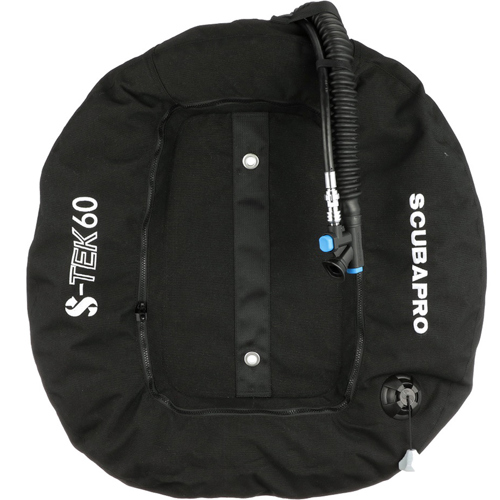
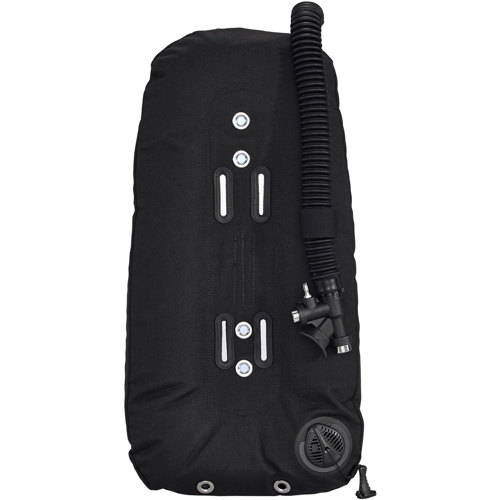
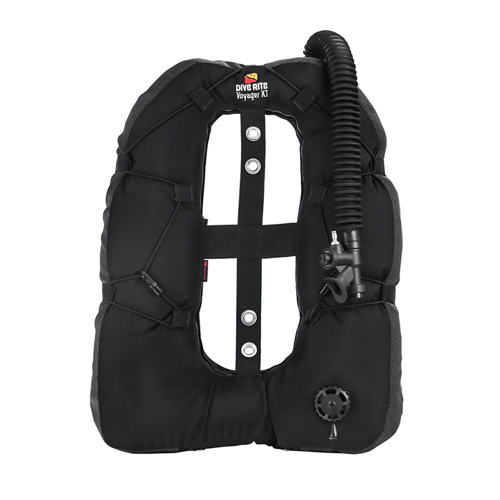
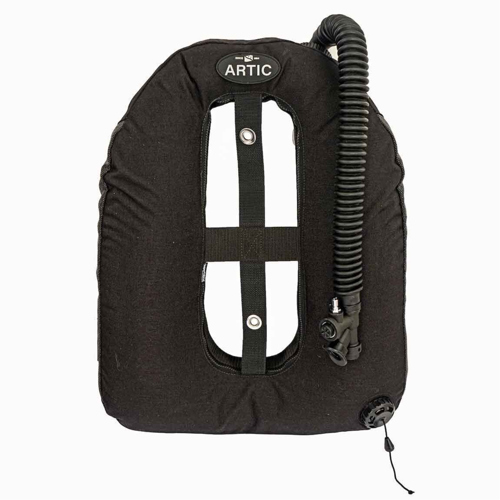
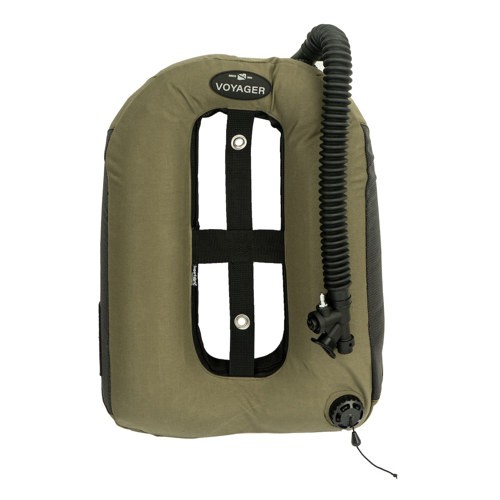
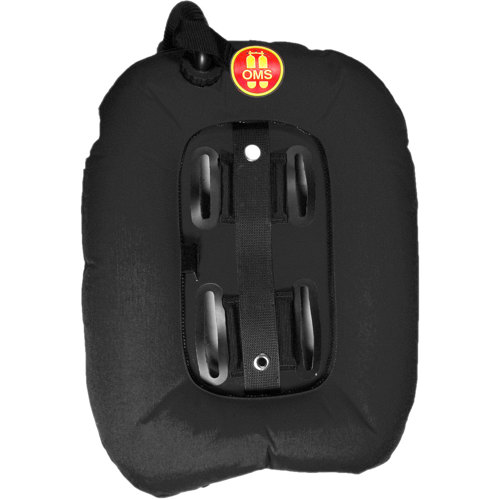
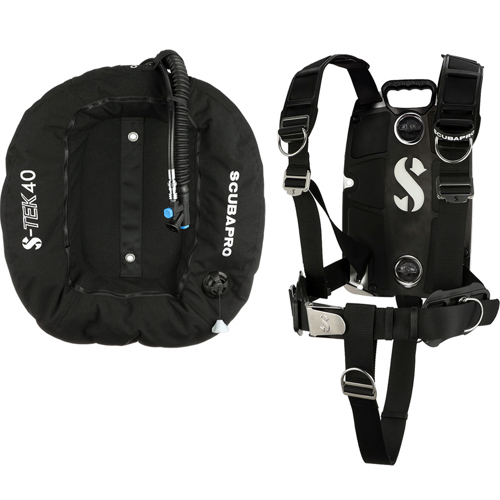
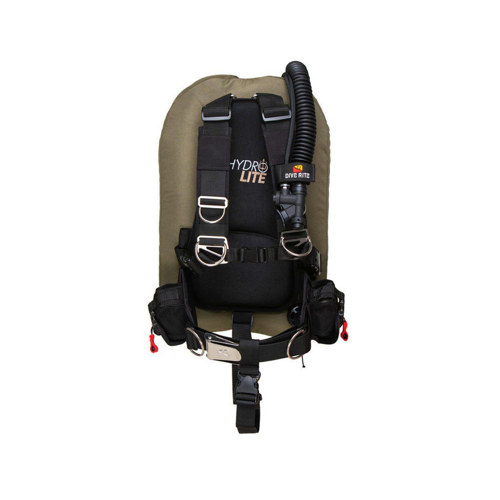
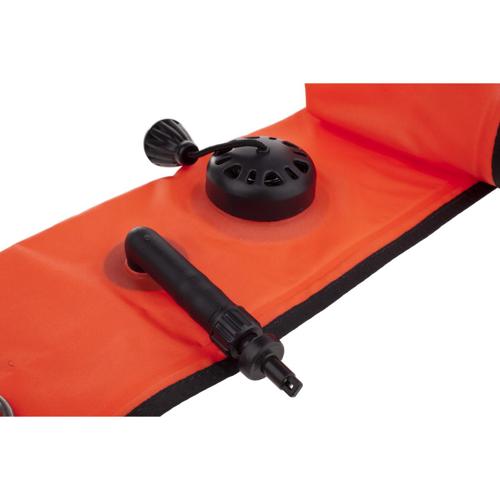
Public safety diver wings are a cornerstone of reliable buoyancy control in rescue, recovery, and emergency response diving. Built for divers who operate in unpredictable and often hazardous environments, these specialized wings are engineered for resilience, streamlining, and adaptability. Whether navigating the murky depths of a river in late autumn, searching a lake at dusk, or responding to a winter emergency, public safety professionals rely on gear that can withstand abrasion, resist entanglement, and dry quickly after repeated use. The robust construction of these wings—often utilizing high-denier materials and reinforced seams—ensures they hold up against sharp debris, rough surfaces, and the constant rigors of public safety missions. The donut-shaped bladder design offers a stable, balanced platform, keeping the diver in optimal trim while allowing for smooth, precise movement underwater. This streamlined profile is not just about efficiency; it’s about safety, reducing drag and minimizing the risk of snagging on submerged obstacles, which is critical when time and maneuverability are of the essence.
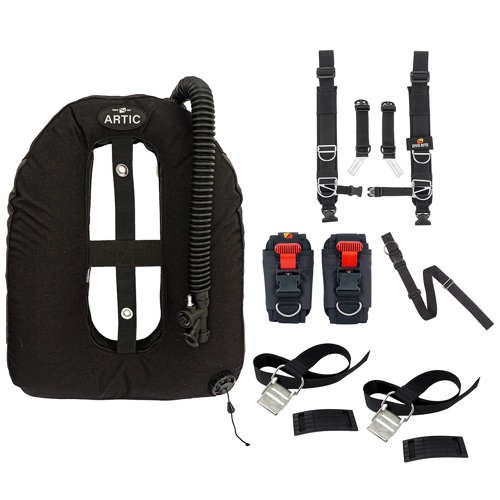
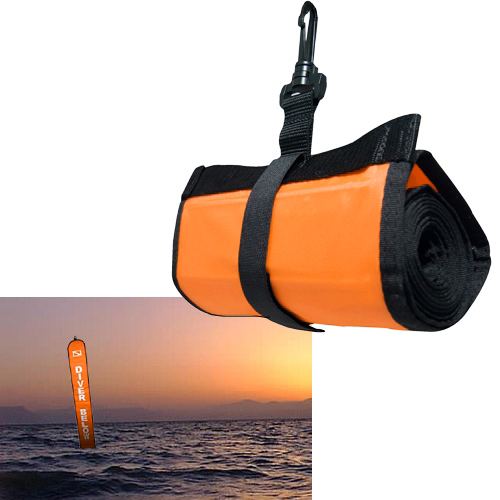
For those considering the purchase of a public safety diver wing, it’s important to think about the modularity and compatibility with other gear. Many wings are designed to integrate seamlessly with a variety of harnesses, backplates, and accessory systems, making them adaptable to different mission requirements and personal preferences. Features such as integrated weight pockets help distribute ballast evenly, improving comfort and control, while high-visibility colors and reflective accents can be vital for diver identification in low-light or high-turbidity conditions. Overpressure valves and rugged inflator assemblies are standard, ensuring reliable operation even after repeated exposure to silt, sand, and cold water. Accessories like marker buoys can be attached for surface signaling or marking points of interest during search operations, further enhancing the utility of these systems. As the colder months approach and water temperatures drop, the durability and easy-draining properties of public safety wings become especially valuable, allowing for quick turnarounds between dives and reducing the risk of equipment failure due to freezing or water retention.
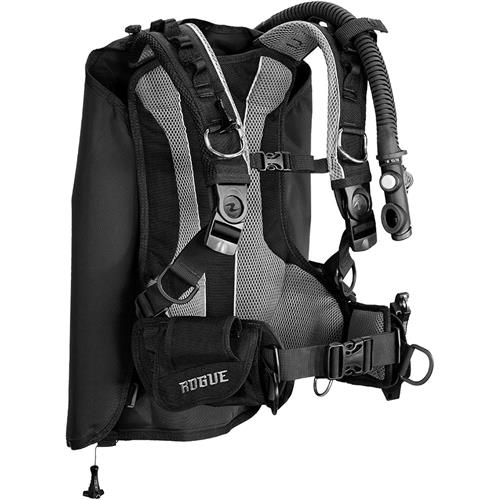
Public safety diver wings are not only essential for law enforcement, fire departments, and search and rescue teams; they are also highly valued by technical divers and advanced recreational divers who demand rugged performance and versatility. For dive instructors working with public safety trainees, or for departments looking to outfit a new team, these wings make a practical and meaningful gift—one that supports both safety and operational readiness. The ability to customize a scuba diving wing system with modular components means that each diver can tailor their setup for single or double cylinders, add trim weights, or integrate quick-release harnesses as needed. This adaptability is especially important in public safety scenarios, where the nature of each dive can vary dramatically. For those interested in exploring the broader world of wing-style buoyancy compensators, our dedicated page on
Scuba Diving Wings provides a comprehensive overview of available options, helping divers make informed choices based on their specific needs and environments. Whether you are preparing for the challenges of winter diving or equipping a team for year-round readiness, investing in a quality public safety diver wing ensures that you have the reliability, comfort, and adaptability required for the most demanding underwater missions.