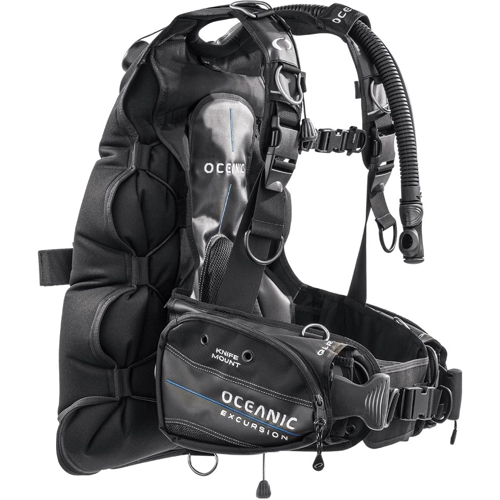
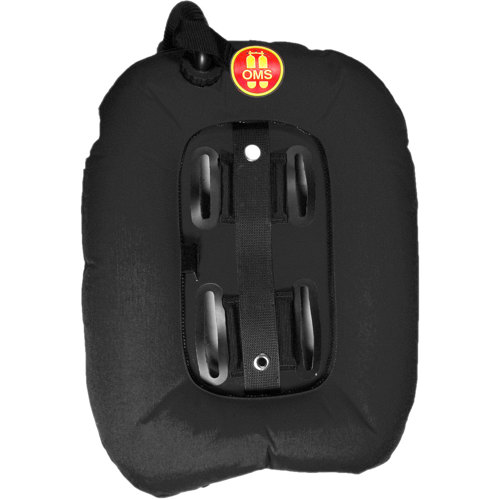
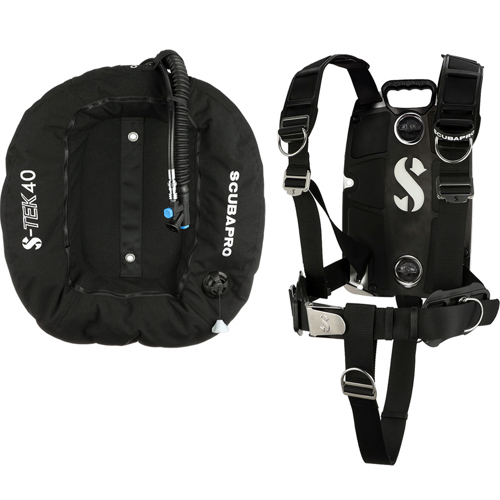
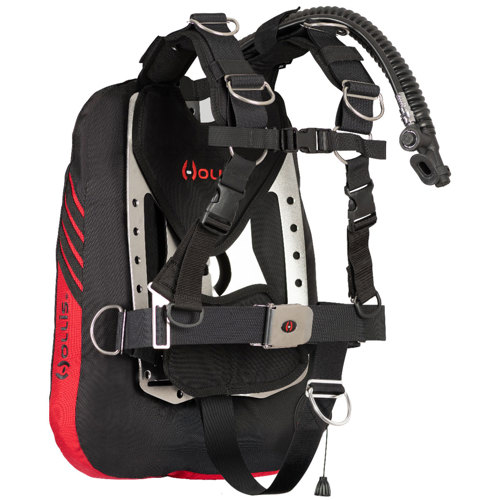
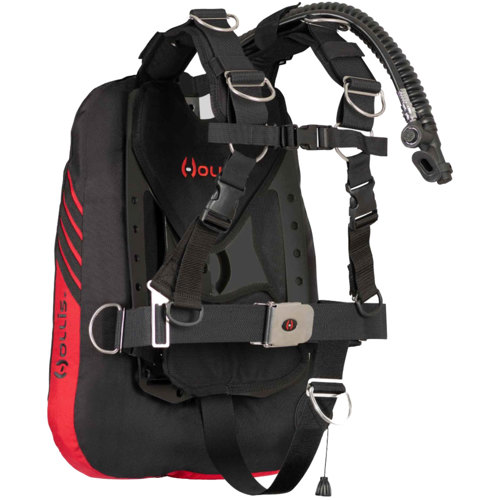
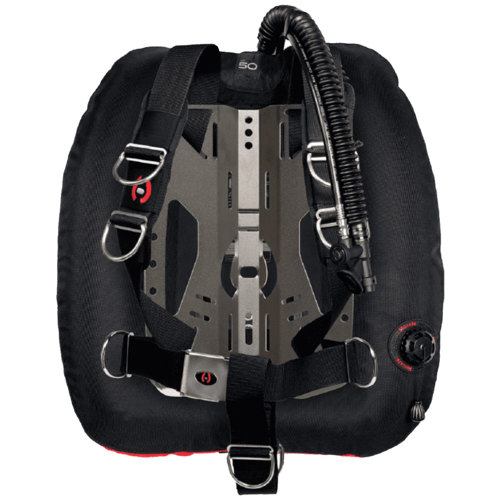
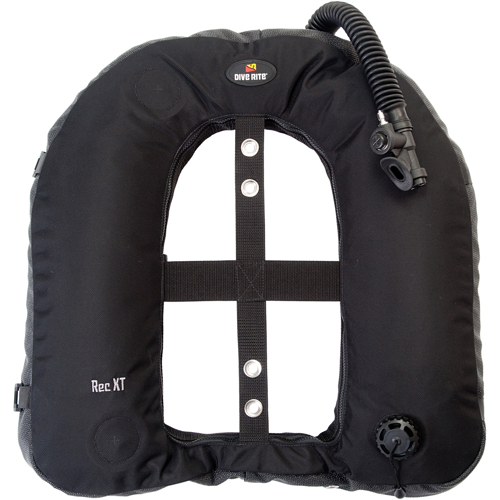
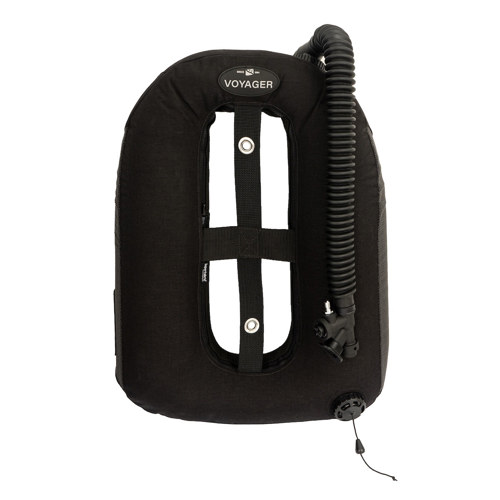
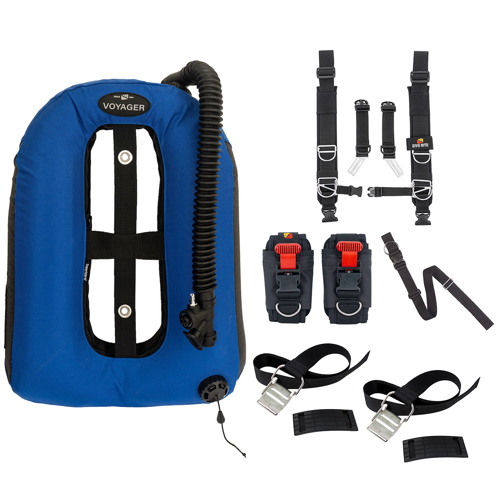
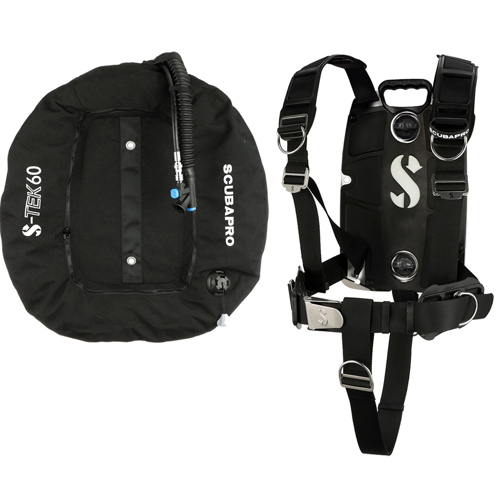
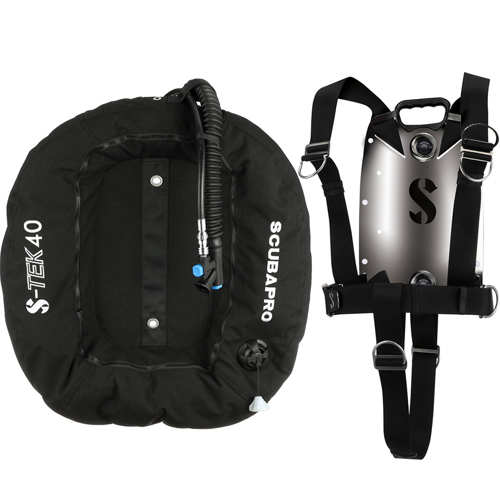
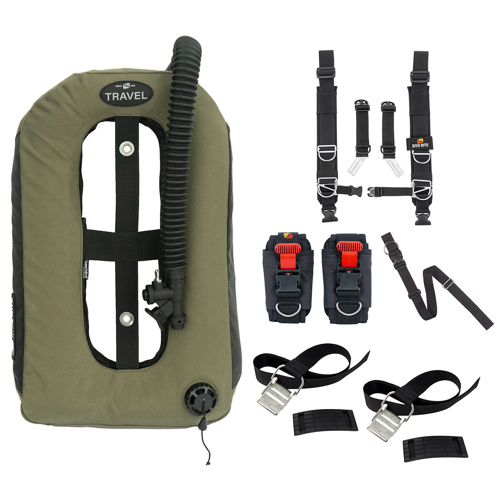
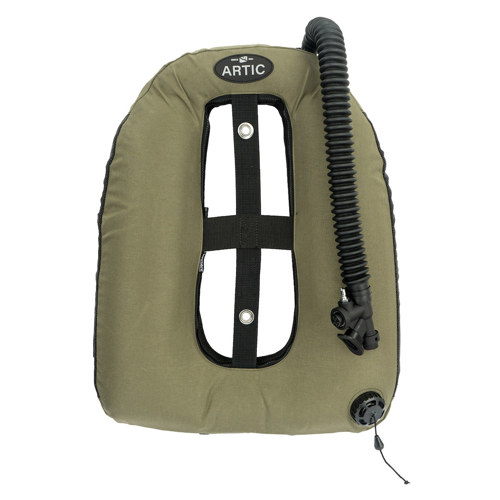
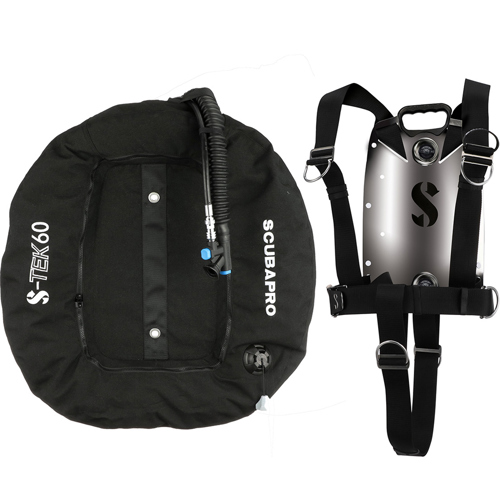
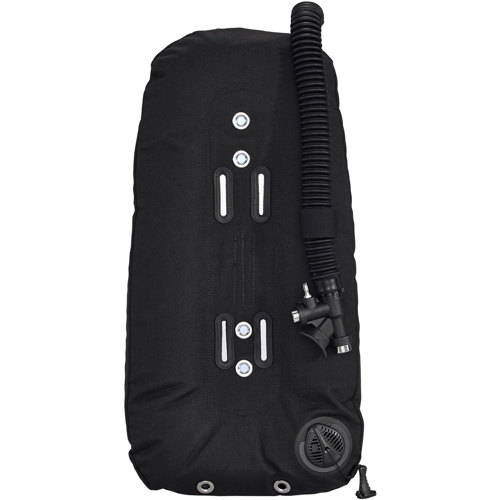
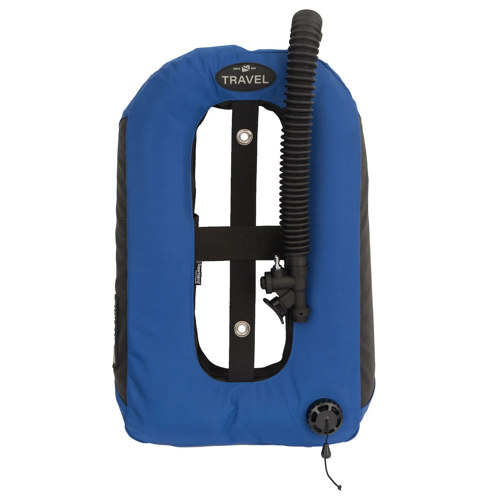
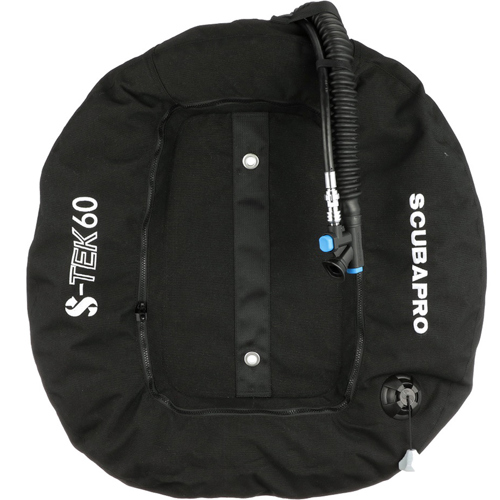
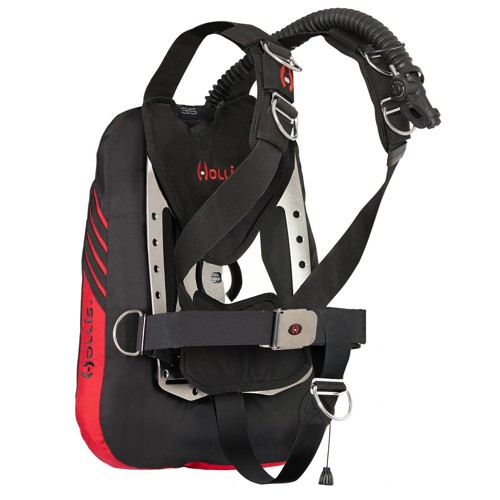
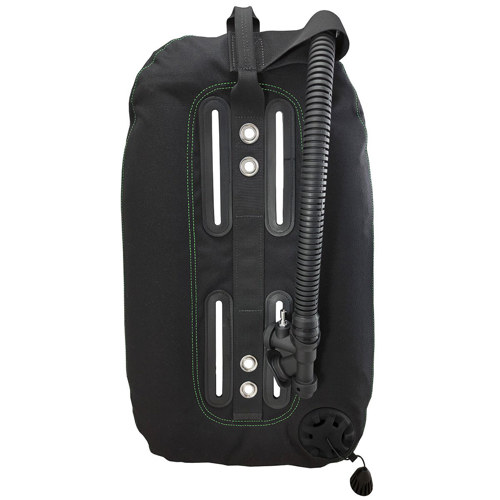
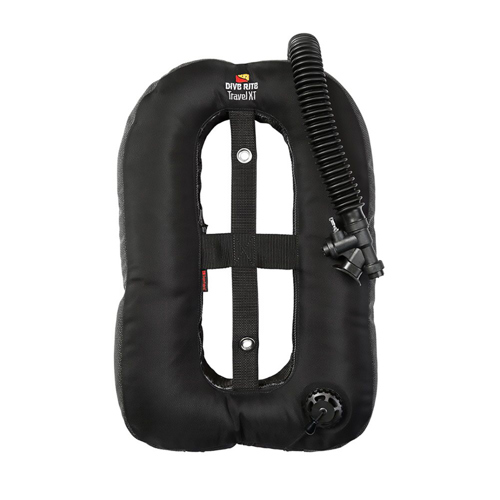
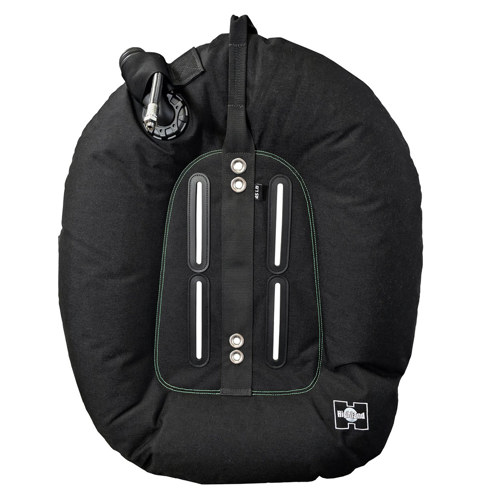
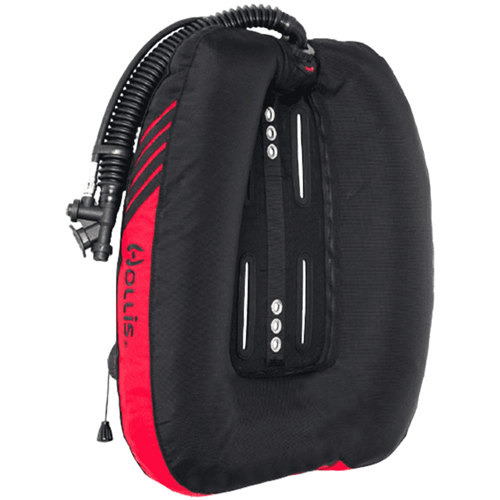
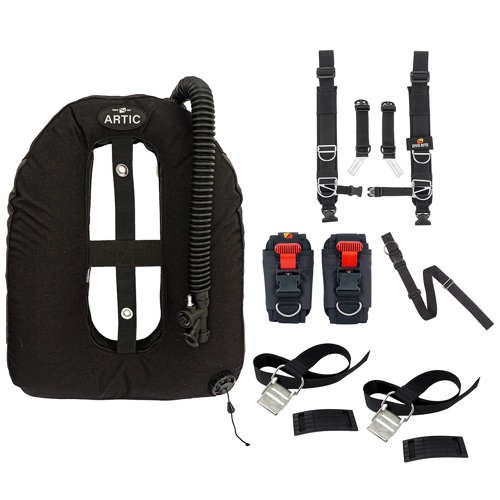
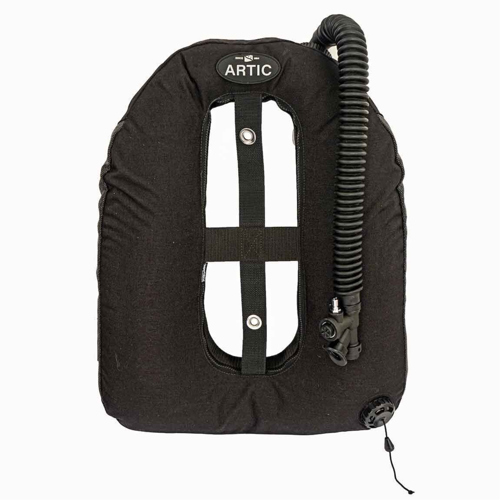
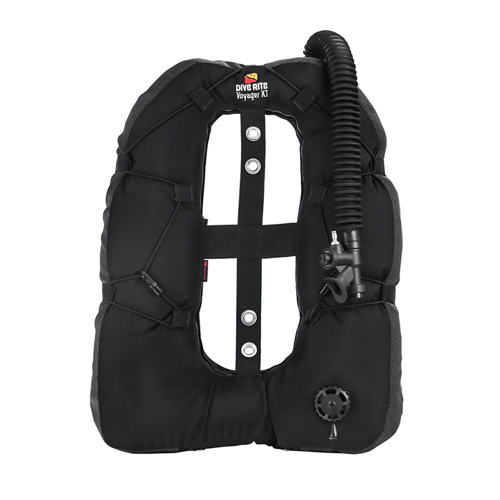
Rescue diving wings are a cornerstone of technical and professional diving, designed to deliver the reliable buoyancy control demanded by challenging underwater environments. At their core, these wings—often donut-shaped for even air distribution—offer the stability and lift necessary for carrying heavy gear, such as double tanks, stage bottles, and specialized rescue equipment. The donut shape is favored by many rescue divers for its ability to prevent air from getting trapped on one side, ensuring smooth trim adjustments and effortless maneuvering even in stressful situations. As the water warms in May and more divers take to the lakes, oceans, and quarries, the need for dependable, high-lift wings becomes especially pronounced. Whether you’re a public safety diver, a technical explorer, or an instructor leading rescue scenarios, choosing the right diving wing is not just about comfort—it’s about safety and performance under pressure.
When evaluating rescue diving wings, lift capacity is a crucial consideration. For standard recreational or single-tank setups, a wing with 30–35 lbs of lift might suffice, but rescue operations often call for wings in the 45–60 lb range or higher, particularly when additional gear or redundant systems are in play. Some models, like the robust oms wing 94 lbs, are engineered for the most demanding circumstances, offering ample buoyancy for double tanks and heavy-duty accessories. Construction quality is equally important: rescue wings are built from abrasion-resistant materials capable of withstanding rough surfaces, sharp rocks, and the inevitable wear of repeated emergency drills. Many wings designed for technical or rescue use incorporate redundant bladders—an extra layer of security that ensures continued buoyancy even if the primary bladder is compromised. This redundancy can be a lifeline during complex recoveries or deep-water rescues, where every second and every breath counts.
Rescue diving wings aren’t just for professionals; they make thoughtful gifts for advanced divers, instructors, or anyone progressing into technical or public safety diving. Those who spend their weekends volunteering with local search and rescue teams, or who are training for certifications that require heavy gear, will appreciate the thoughtful engineering behind these wings. The variety of options on the market—from classic dh wings to innovative wet wing designs—means you can find a system tailored to specific needs, whether for open water, confined spaces, or even jet ski wings used in surface support roles. As you browse, consider how the wing will integrate with existing harness and backplate systems, and look for features like quick-drain panels or reinforced attachment points that make a real difference during high-stress missions. For a broader look at buoyancy systems and to compare rescue-specific models with other styles, explore our comprehensive
Scuba Diving Wings page. Equipping yourself or a loved one with a high-performance rescue diving wing is an investment in safety, control, and peace of mind—qualities that matter most when every dive could mean saving a life.