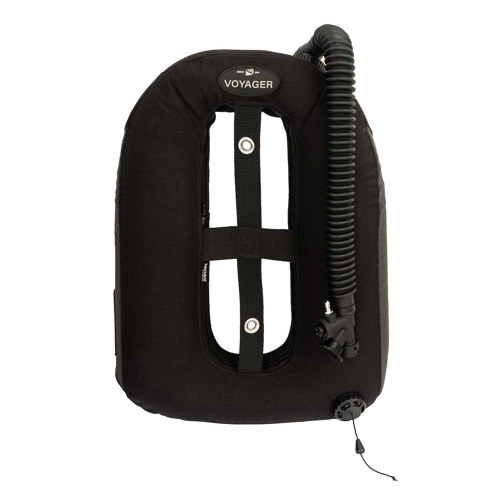
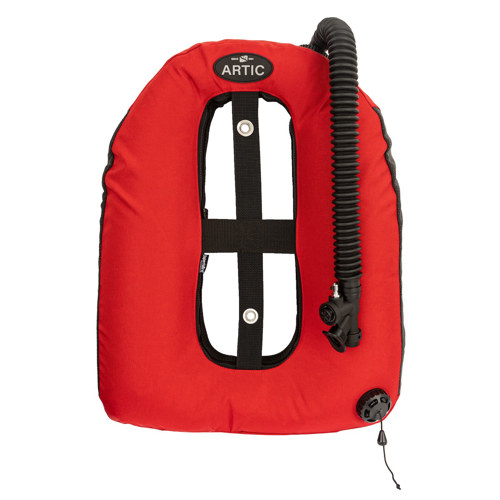
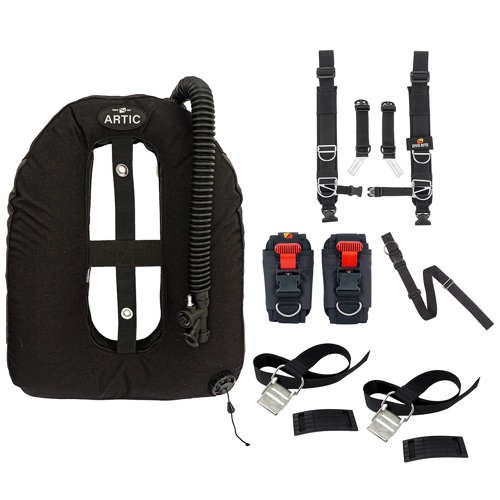
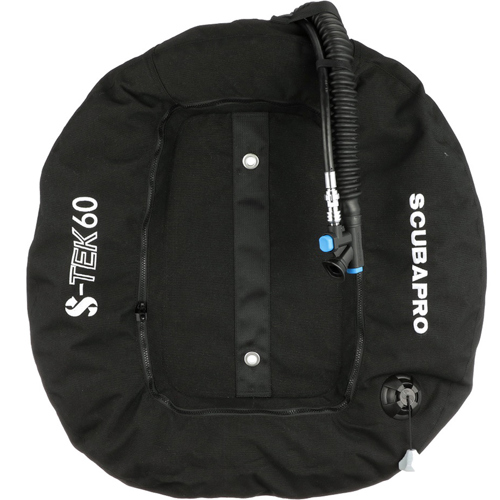
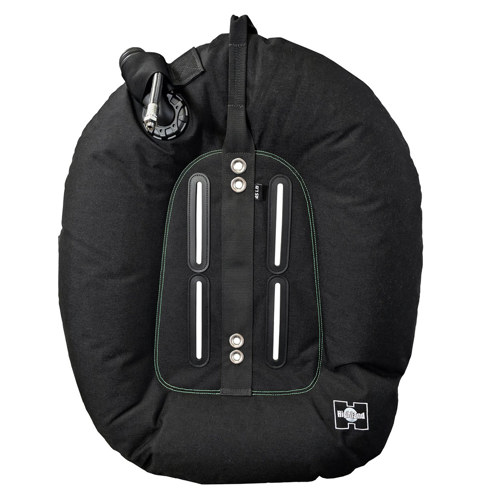
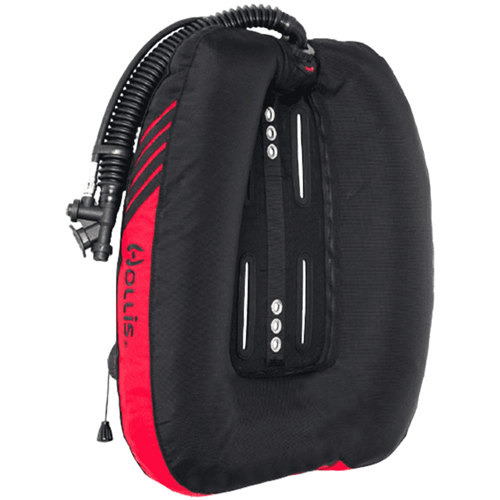
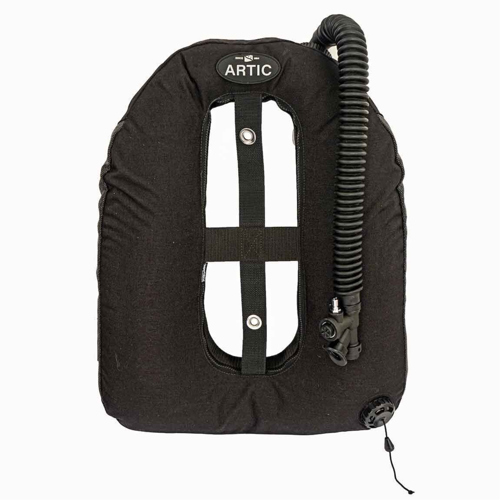
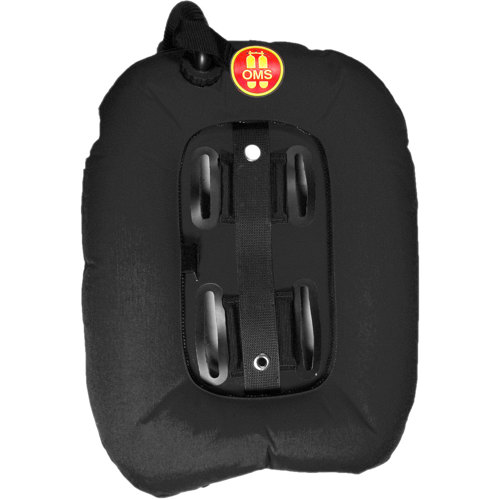
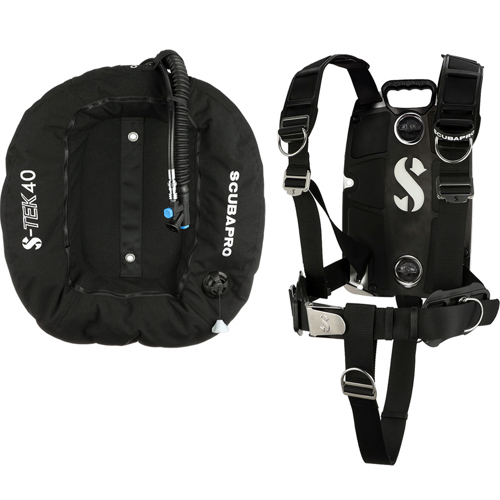
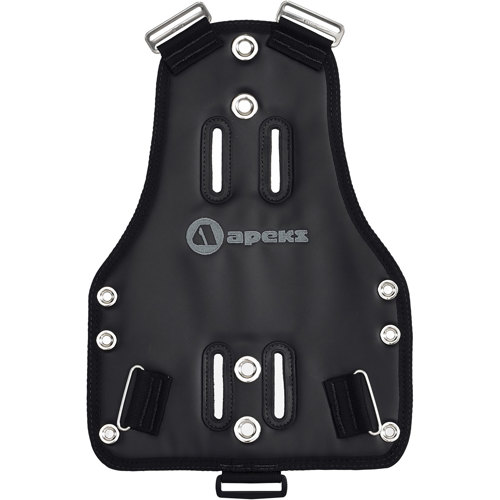
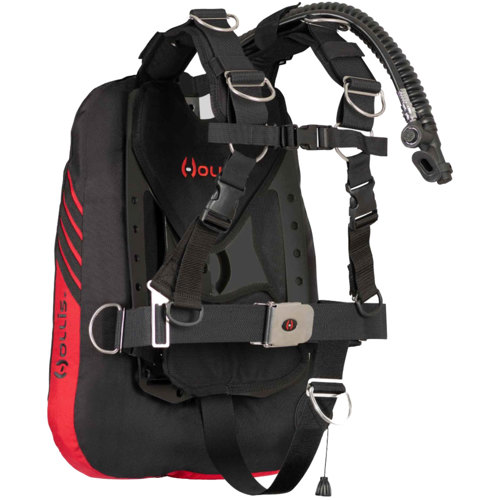
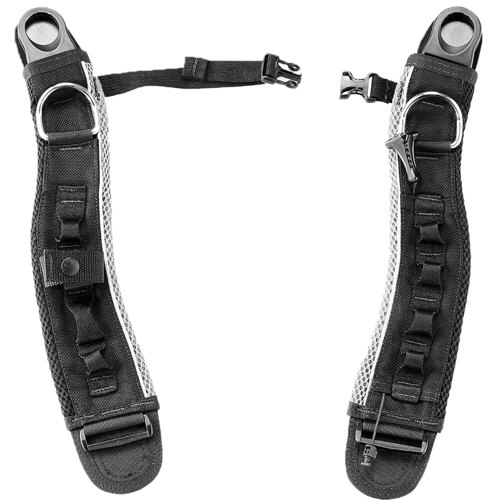
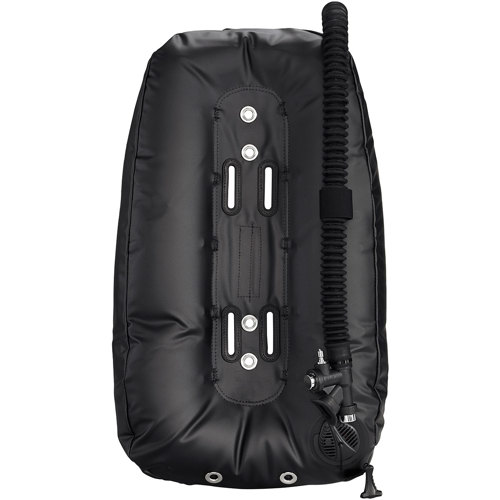
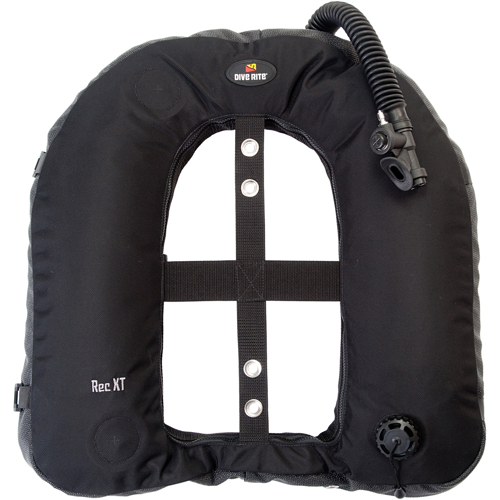
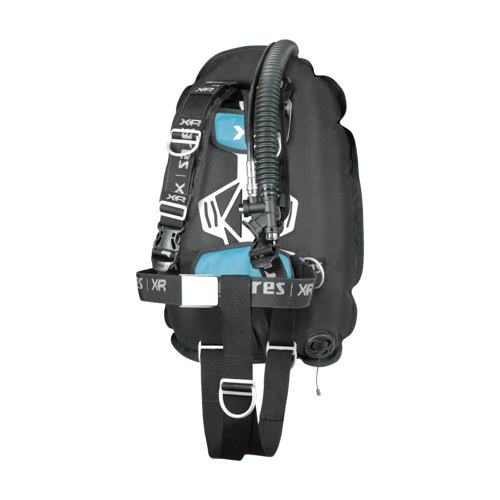
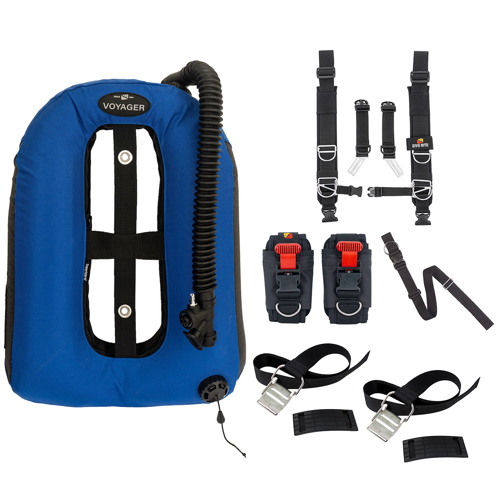
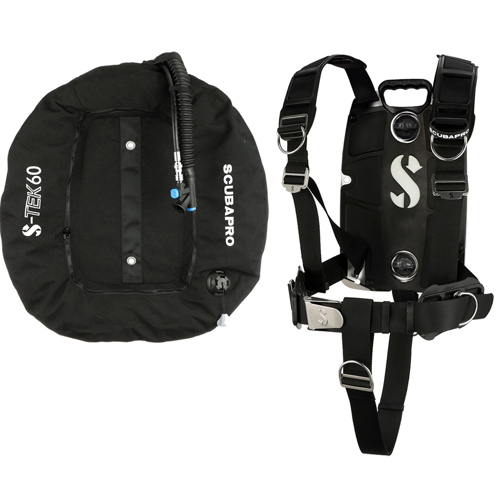
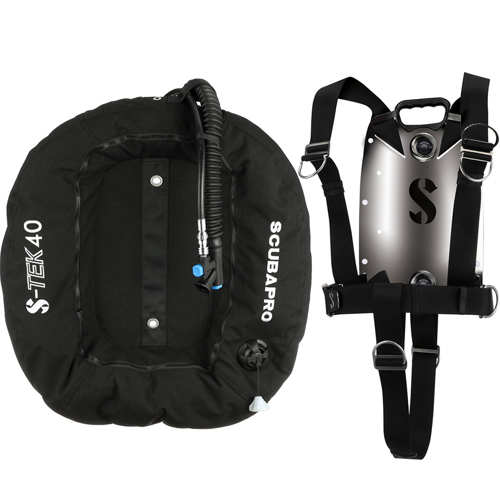
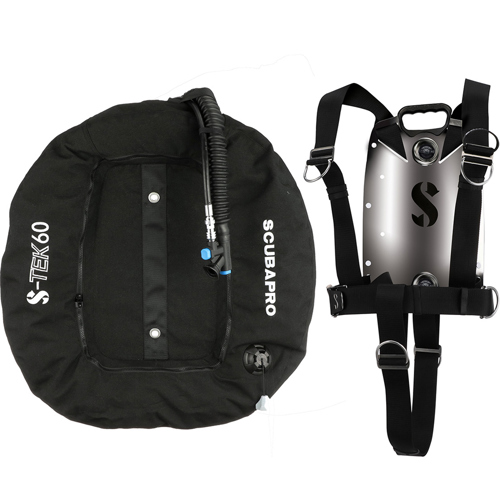
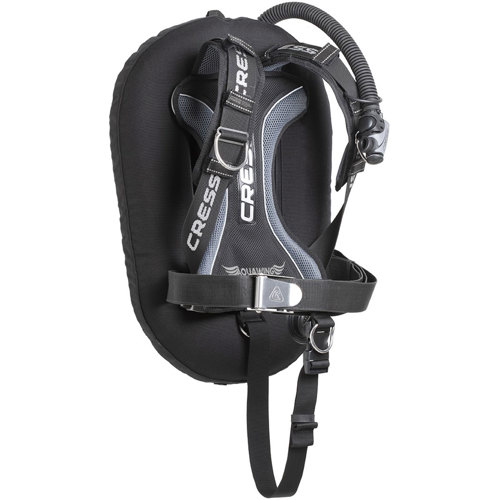
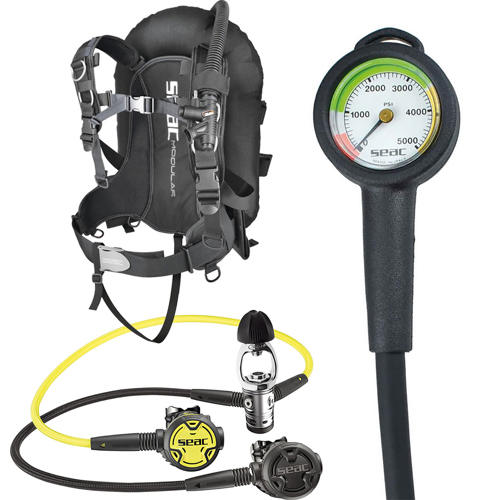
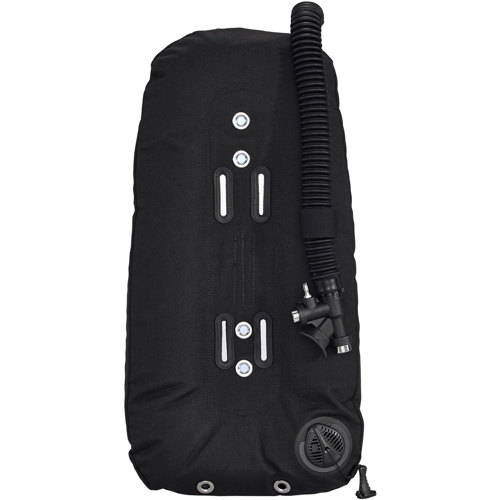
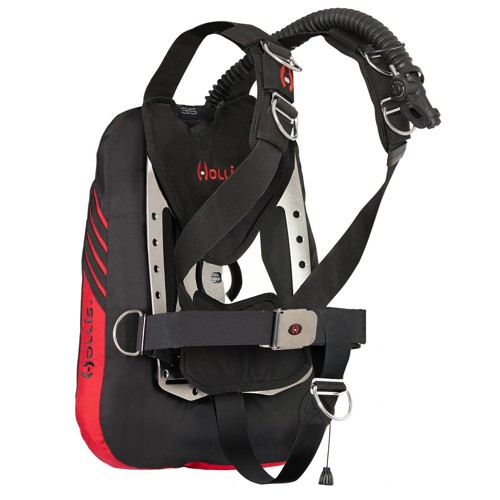
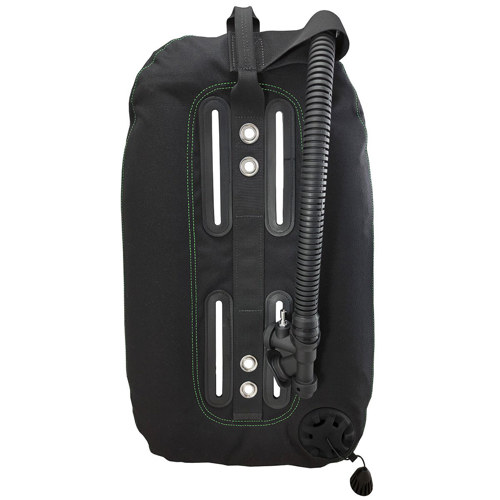
Drysuit diving wings are an essential piece of kit for divers venturing into cold water, technical, or overhead environments where a standard buoyancy compensator simply won’t suffice. These high-lift wings are engineered to manage the unique demands of drysuit diving, where thick undergarments, steel cylinders, and additional ballast are the norm. The increased lift capacity—typically 30 to 55+ pounds—ensures that you can maintain neutral buoyancy even with the extra weight of a drysuit and heavy tanks. This is particularly important during winter months and early spring, when water temperatures remain low and divers rely on robust thermal protection. The design of drysuit diving wings often features abrasion-resistant materials such as 1680D ballistic nylon or SuperFabric®, providing long-lasting durability against rough surfaces, sharp edges, and the general wear and tear of demanding dive sites. The modular nature of these wings allows for pairing with metal backplates and customizable harness systems, letting you fine-tune your trim and weight distribution—whether it’s with P-weights, V-weights, or integrated systems. For divers who frequently switch between single and double tank setups, or who are progressing into more advanced diving, the versatility of drysuit diving wings makes them a smart investment.
The choice of a diving wing for drysuit use is shaped by several important considerations. First and foremost is lift capacity: cold-water divers often require at least 40-45 pounds of lift to offset the negative buoyancy of steel cylinders and thick undergarments, though some configurations may be comfortable with 30-35 pounds, especially if aluminum tanks are in play. Donut-style wings are popular among technical and drysuit divers because they promote smooth and consistent air movement, making it easier to maintain optimal trim throughout a dive. This is critical in environments where precise buoyancy control is not just a matter of comfort, but of safety—such as deep wrecks, caves, or extended decompression stops. The durability of the outer shell also matters, especially for those who find themselves squeezing through tight swim-throughs or hauling gear across rocky shorelines. Features like reinforced grommets, corrosion-resistant hardware, and replaceable bladders add to the longevity and reliability of a wing. Because these wings are designed to integrate seamlessly with technical harnesses and backplates, they’re also a thoughtful gift for experienced divers who are upgrading their setups, or for anyone preparing for a season of expedition-level diving. The winter and early spring months are a great time to invest in new gear, as many divers are planning their upcoming trips or refreshing their equipment for cold-water adventures.
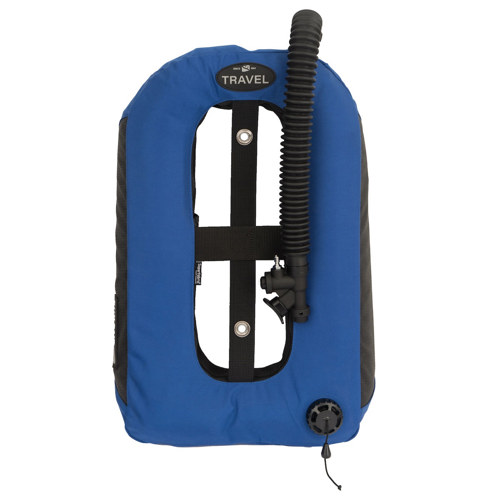
For those who travel or dive in a variety of locations, there are wings specifically tailored for portability without sacrificing the ruggedness required for drysuit diving. Streamlined profiles, lighter hardware, and modular components allow you to pack efficiently while still enjoying the high-lift performance necessary for safe and comfortable dives. If you’re interested in exploring wings that strike a balance between travel convenience and the robust features demanded by technical diving, you can find more information on our dedicated page for
Technical Diving Wings For Travel. Whether you’re gearing up for icy lakes, deep quarries, or offshore wrecks, investing in a quality drysuit diving wing is a decision that pays off in safety, comfort, and adaptability. The right wing transforms cold-water diving from a challenge into a pleasure, letting you focus on the underwater world rather than your equipment. With thoughtful selection, your wing will become a trusted companion for years of exploration, supporting you through every season and every adventure.