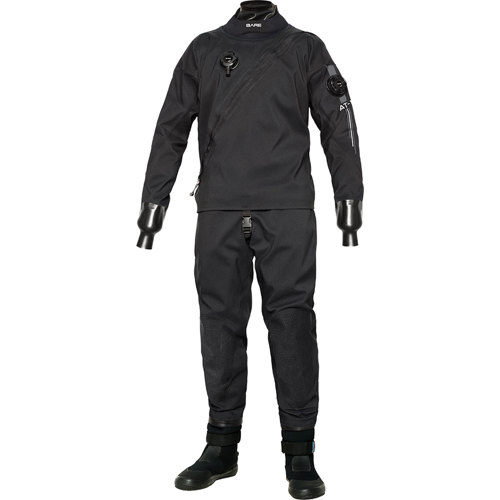
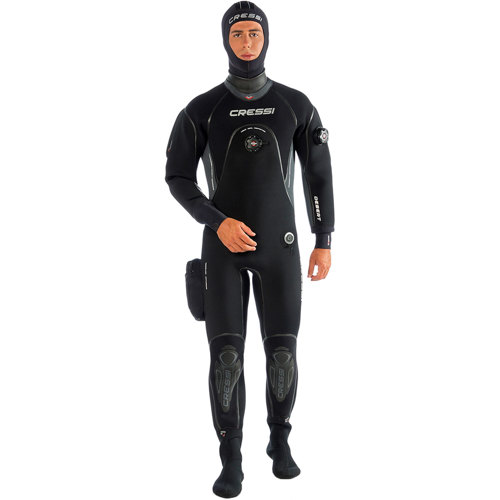
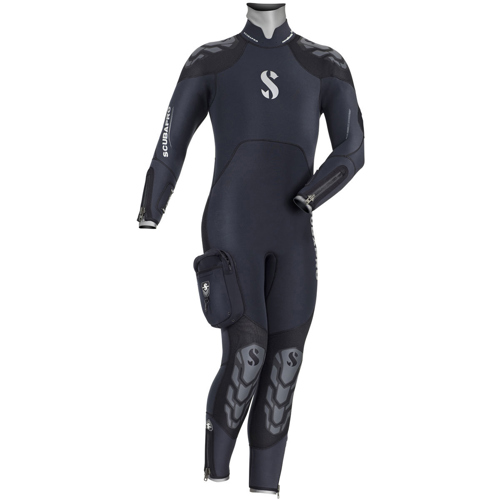
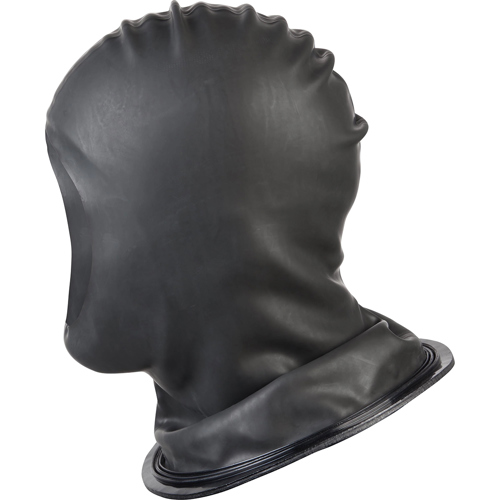
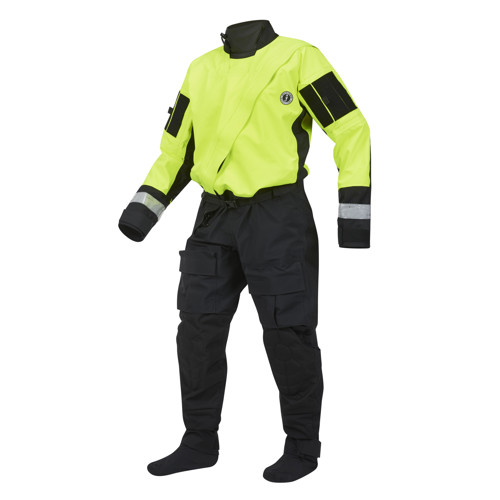
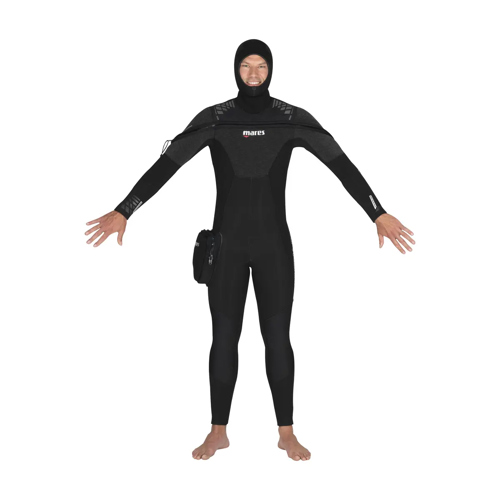
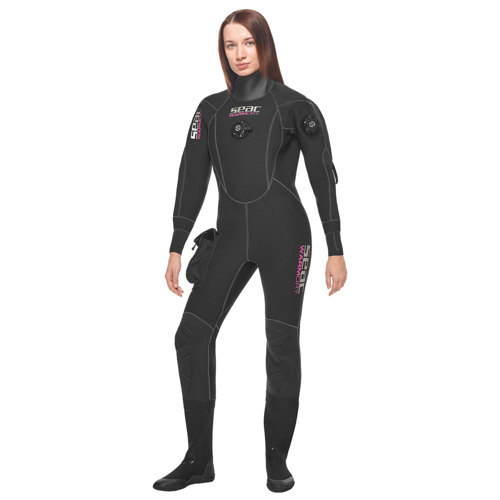
For the passionate and avid diver, a dry suit is more than just a piece of gear—it’s a gateway to year-round underwater exploration, no matter how cold the water gets. As spring transitions into summer, many divers eagerly anticipate longer days and new diving opportunities, but for those who refuse to let water temperature dictate their adventures, a dry suit offers the freedom to explore chilly northern lakes, deep mountain reservoirs, or the brisk coastal waters that remain cool even as the air warms. Whether you’re planning to extend your dive season, explore unique environments, or simply stay comfortable on long technical dives, selecting the right dry dive suit is a decision that shapes your entire scuba diving experience. The best dry suits balance thermal protection, durability, and flexibility, allowing for a full range of motion while keeping you dry and insulated. This is especially important for technical divers, underwater photographers, or those embarking on multi-dive days, where warmth and comfort are crucial for both safety and enjoyment.
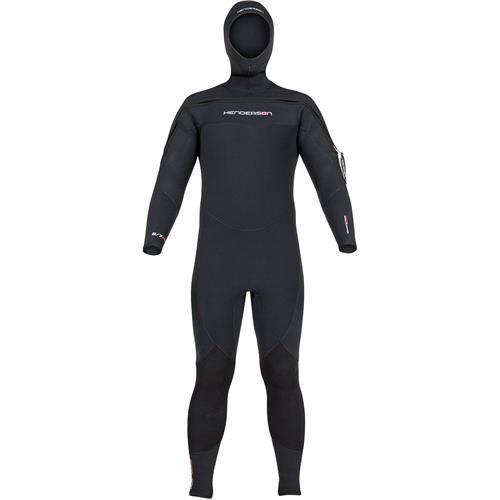
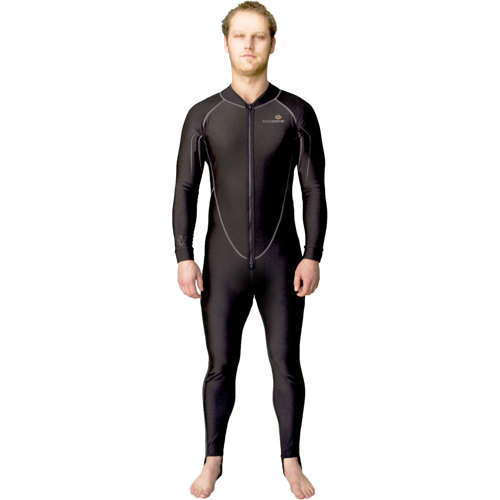
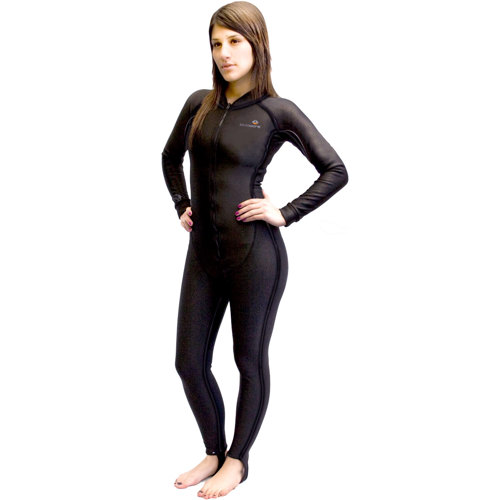
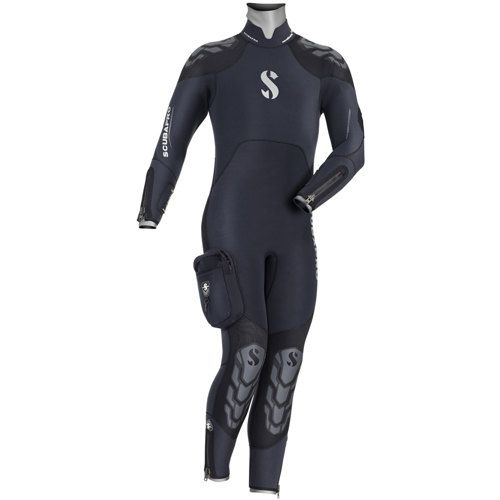
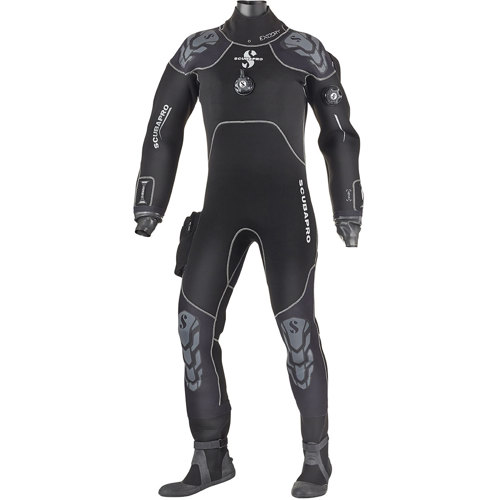
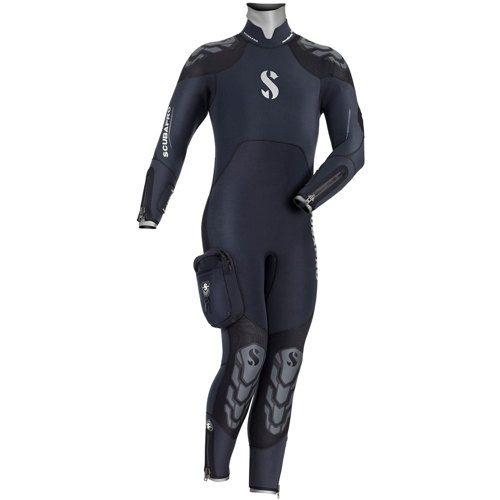
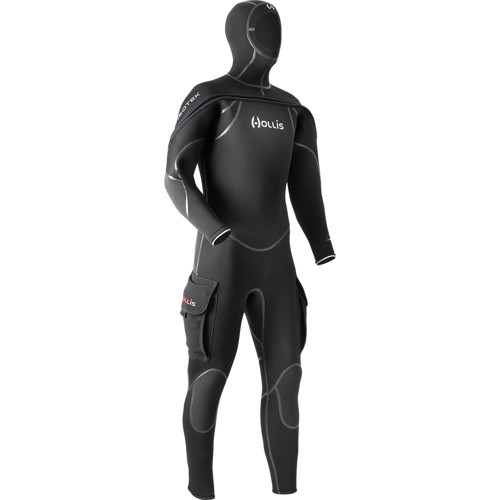
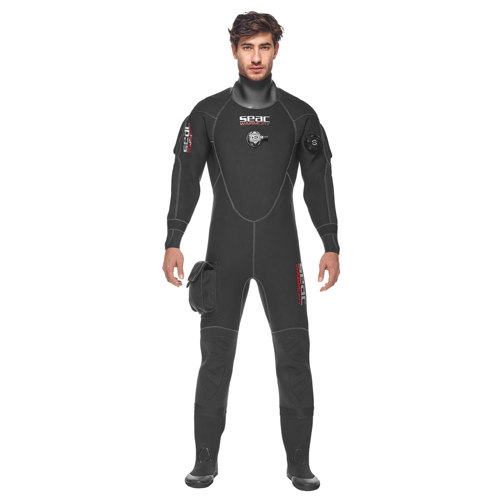
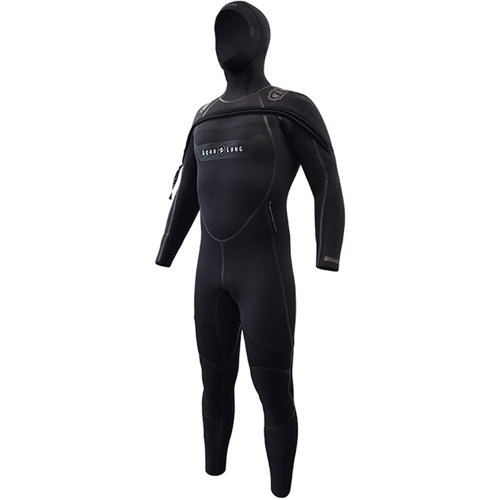
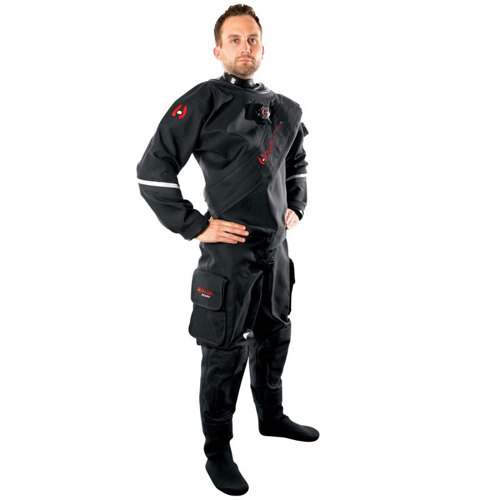
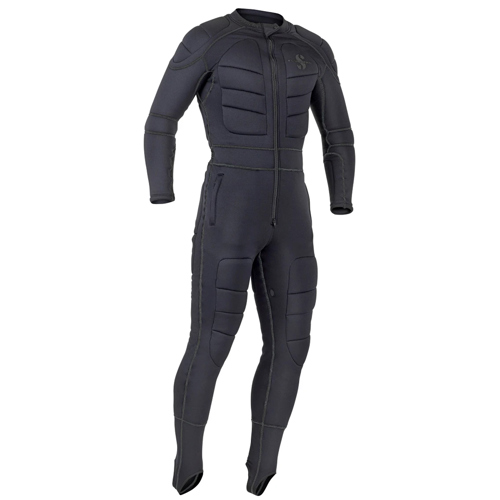
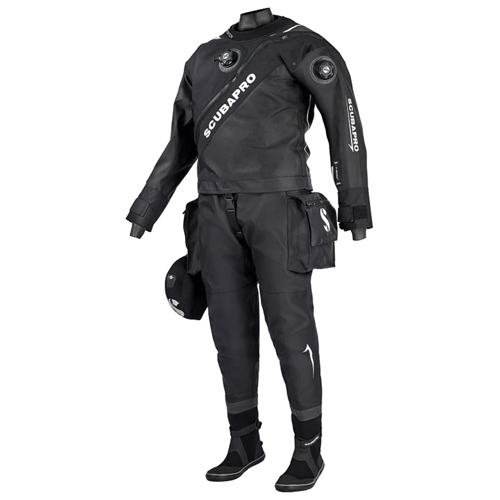
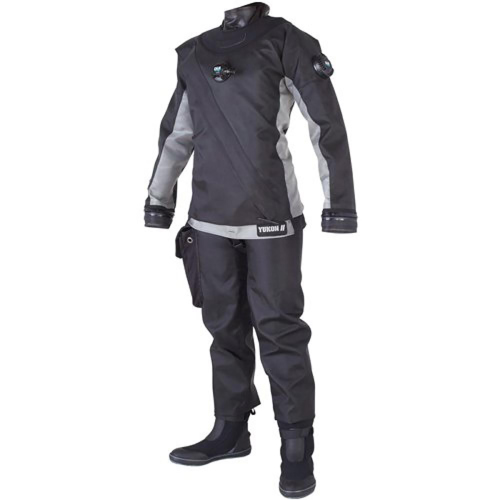
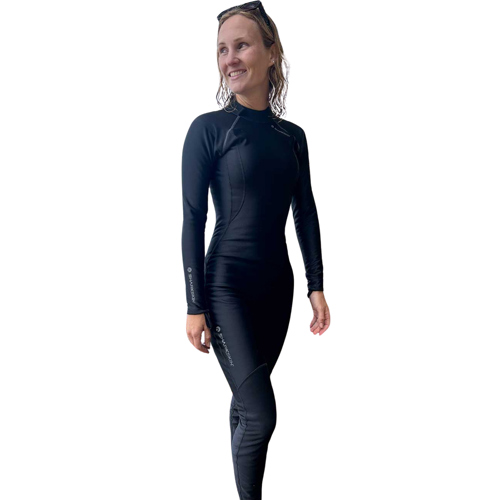
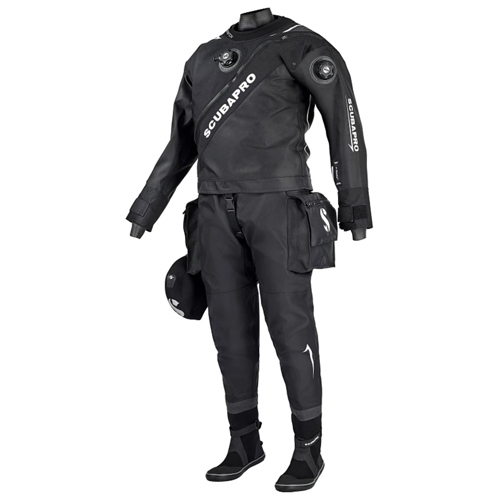
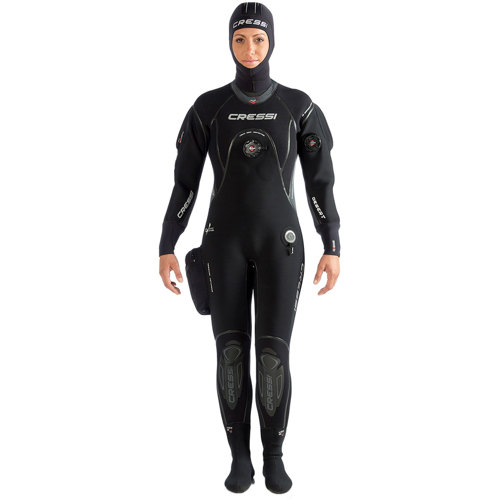
Choosing a dry suit involves careful consideration of materials, fit, and features tailored to your diving style. Membrane or trilaminate suits are favored by technical divers for their lightweight design and exceptional durability, providing less insulation on their own but allowing for customizable layering underneath. Neoprene dry suits, on the other hand, offer natural insulation and a snug fit, making them a popular choice for recreational divers who value comfort and flexibility. For those who dive in varied conditions, a semi dry suit scuba configuration might offer a balance between the warmth of a wetsuit and the dryness of a traditional dry suit. When selecting your scuba diving outfit, pay close attention to fit: a properly fitted suit not only maximizes comfort and mobility, but also prevents leaks and drag, ensuring you can focus on the underwater world rather than gear adjustments. Features such as telescoping torsos, integrated suspenders, durable boots, and reliable valve systems can make a significant difference, especially on longer or deeper dives. It’s also worth noting that drysuit diving requires specific training to master buoyancy control and air management, so investing in a dry suit often goes hand-in-hand with expanding your diving skills and confidence.
A dry suit is a thoughtful and practical gift for the dedicated diver in your life—whether they’re an instructor, a technical explorer, or someone who simply loves being underwater regardless of the season. The versatility of a dry suit opens doors to new dive sites and experiences, from exploring shipwrecks in cold northern waters to joining cave diving expeditions that require extended bottom times in frigid environments. For those drawn to the mysteries of the deep or the challenge of technical environments, consider exploring specialized options such as
Drysuits for Cave Diving, which are designed to meet the unique demands of overhead environments. No matter your diving ambitions, investing in the right dry suit is an investment in comfort, safety, and the ability to pursue your underwater passions year-round. With thoughtful selection and proper care, your dry suit will become an indispensable part of your dive kit, accompanying you on countless adventures beneath the surface.