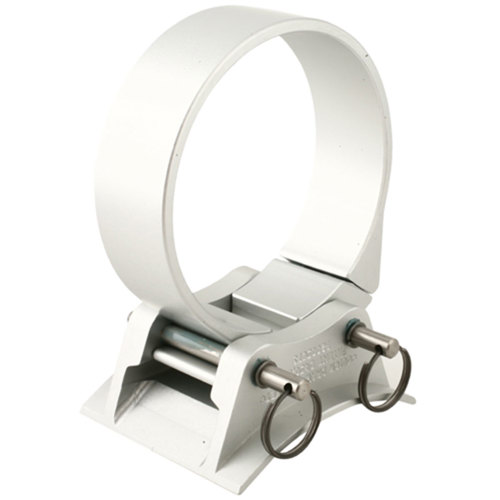
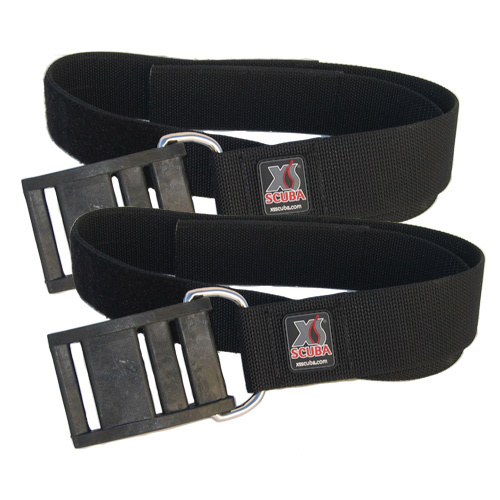
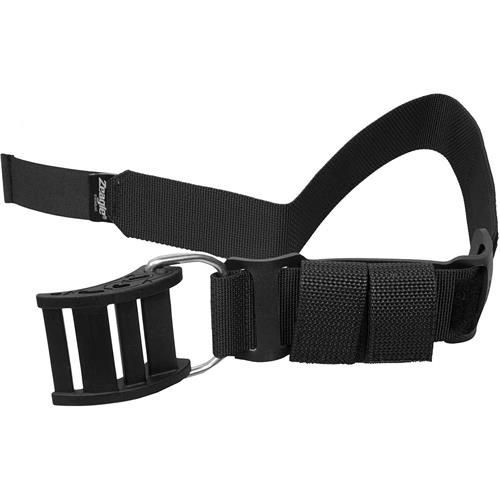
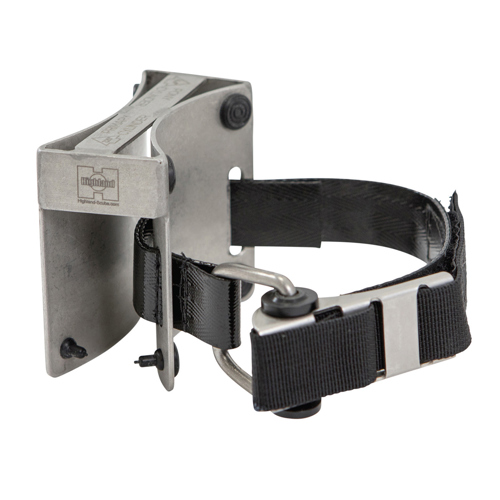
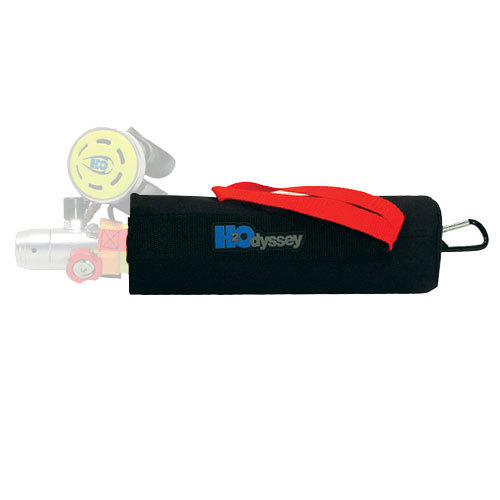
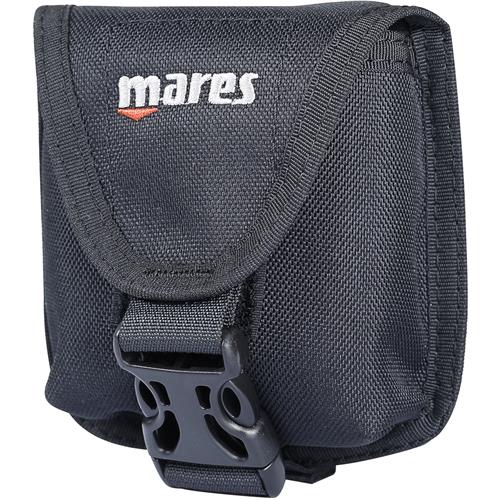
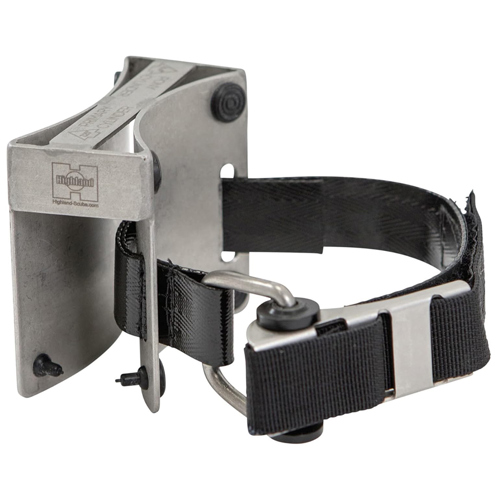
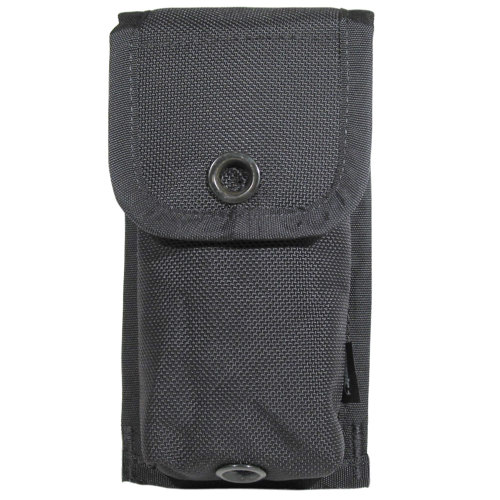
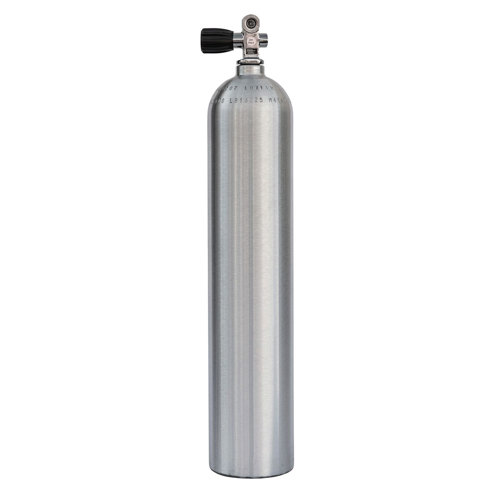
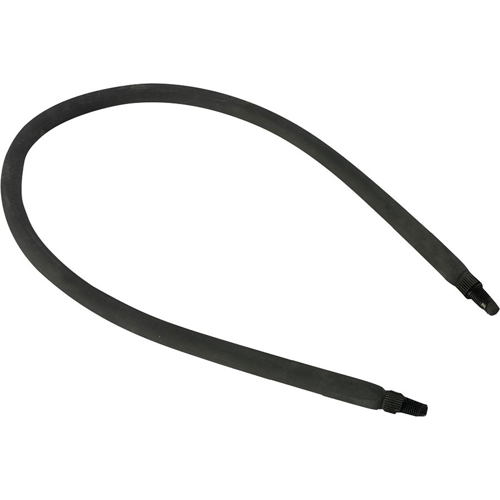
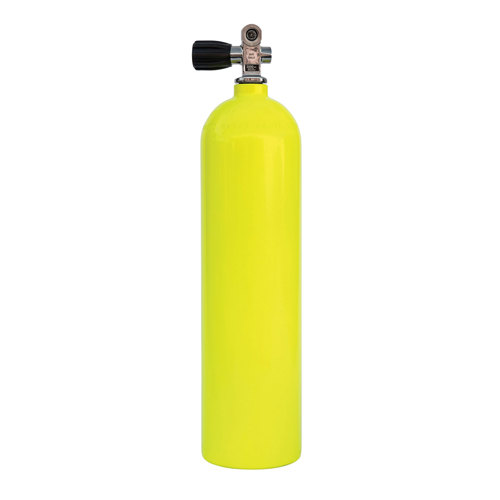
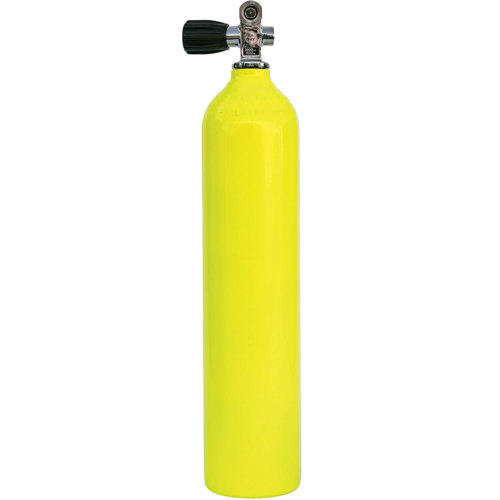
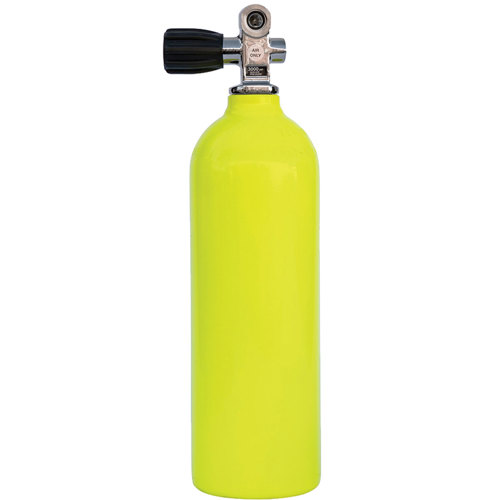
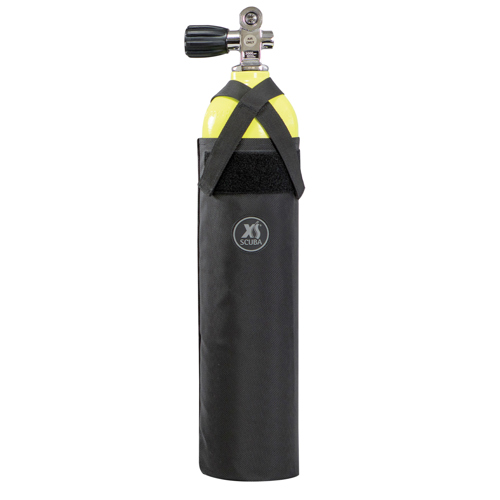
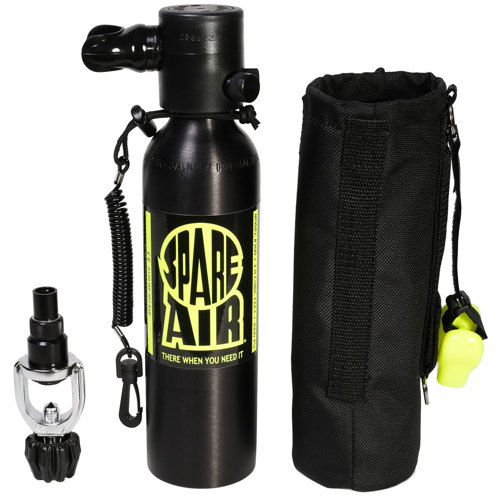
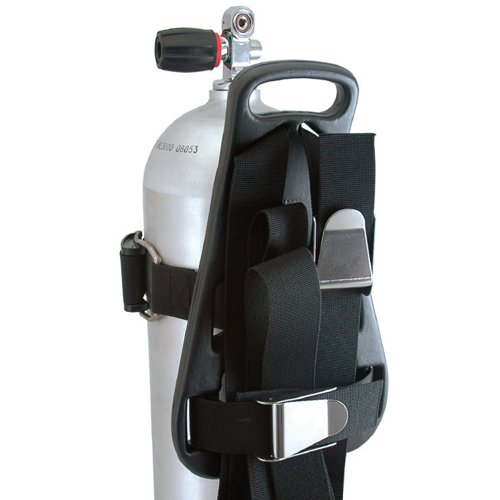
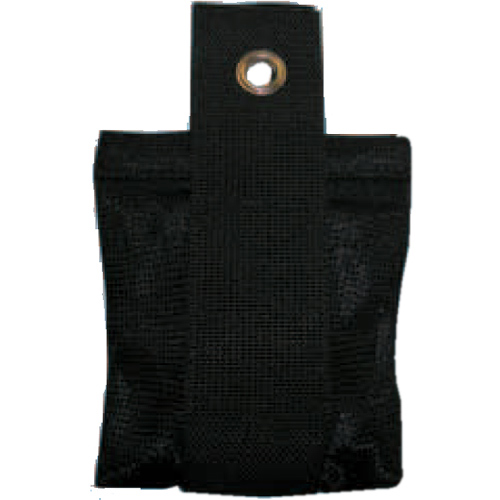
Pony cylinder bands are a vital component in the world of scuba diving, providing an essential solution for divers who want to carry a redundant air source in a secure, accessible, and streamlined manner. As the weather warms and dive conditions become more inviting, both technical and recreational divers may find themselves venturing deeper or exploring more challenging environments where an additional pony bottle is not just a luxury, but a necessity for safety. These bands are designed to attach a smaller, backup cylinder—commonly known as a pony bottle—to your primary scuba tank or directly to your buoyancy compensator device (BCD). The right pony cylinder band ensures that your backup air supply remains stable and close at hand, minimizing drag and the risk of entanglement while allowing for quick deployment in an emergency. Divers often select between heavy-duty nylon webbing strap kits, robust metal mounting blocks, or flexible stage straps, each offering unique benefits depending on the size of the pony cylinder, the configuration of the primary tank, and personal preference. For instance, webbing strap kits with cam buckles are favored for their ease of use and compatibility with existing BCD cylinder bands, while metal mounting blocks provide an exceptionally rigid hold for larger pony cylinders, typically in the 13 to 30 cubic foot range. Stage straps and dedicated carrying bags are popular among those who prefer to sling the pony bottle at their side, offering flexibility and quick access during technical dives.
When considering which pony cylinder band setup is best, divers should pay close attention to the diameter of both their primary and pony cylinders, as proper sizing is crucial for a secure fit—pony cylinders generally range from 3 to 4.5 inches in diameter, while standard primary tanks are usually 7 to 8 inches. The orientation of the pony bottle is another important factor; many divers opt to mount the bottle inverted, positioning the regulator valve closer to the hips for easier reach in stressful situations. This setup can significantly improve response time in emergencies, making it a preferred choice for those who frequently dive in overhead environments or colder waters where dexterity may be compromised. However, adding a pony cylinder can affect a diver’s buoyancy and trim, especially if the extra weight is not balanced properly. Adjusting trim weights on the opposite side of the BCD can help maintain a streamlined profile and ensure comfortable movement underwater. Pony cylinder bands are not only practical but also make thoughtful gifts for diving enthusiasts—especially for those advancing their training, preparing for technical courses, or simply looking to enhance their safety on more adventurous dives. Their utility becomes even more apparent during the busier summer and early fall diving seasons, when longer bottom times and more ambitious dive plans are on the agenda.
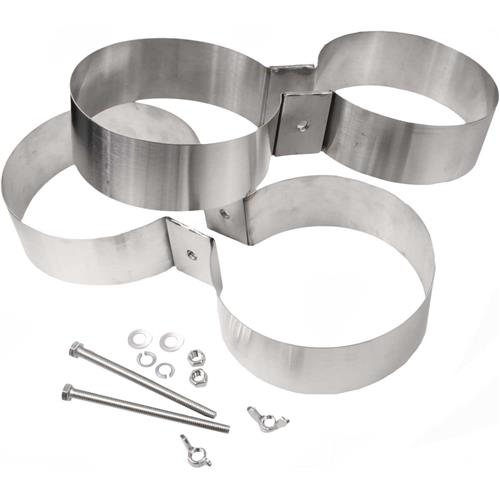
For divers interested in expanding their gear or exploring alternative cylinder setups, it may also be worthwhile to learn about other banding solutions, such as those used for mounting dual tanks. Exploring options like
Twin Cylinder Bands can provide valuable insights into advanced configurations, supporting divers as they progress in their underwater journeys. Whether you are gearing up for a season of local lake dives, planning a trip to a tropical reef, or preparing for technical wreck penetration, the right pony cylinder band is a small but significant investment in safety and convenience. Selecting a quality band, ensuring a secure fit, and practicing proper mounting and deployment techniques are all part of responsible dive planning, helping you stay prepared for whatever the underwater world may present.