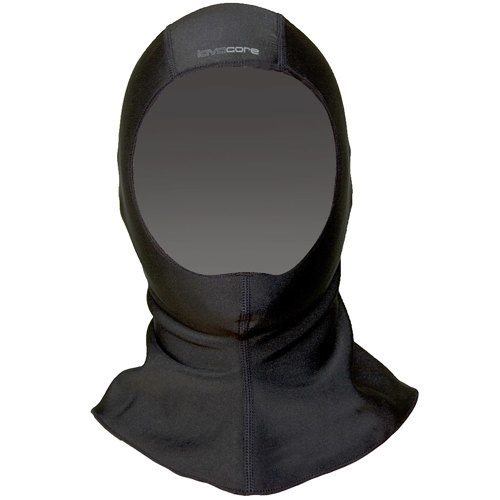
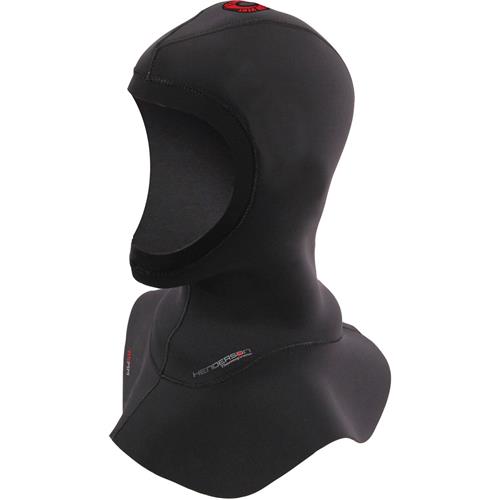
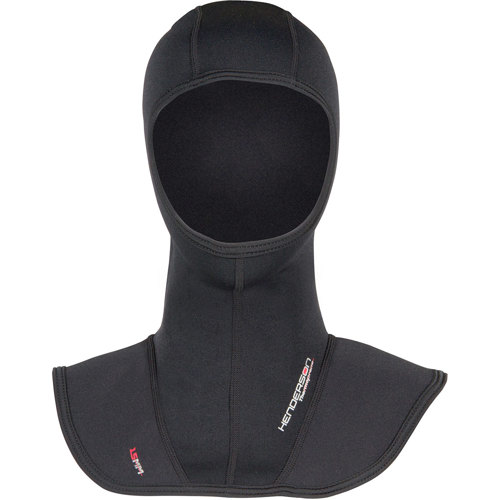
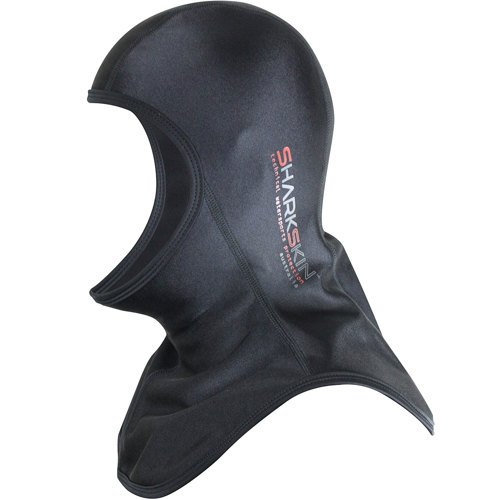
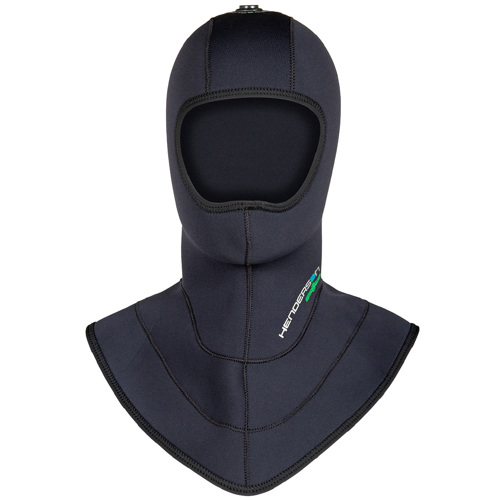
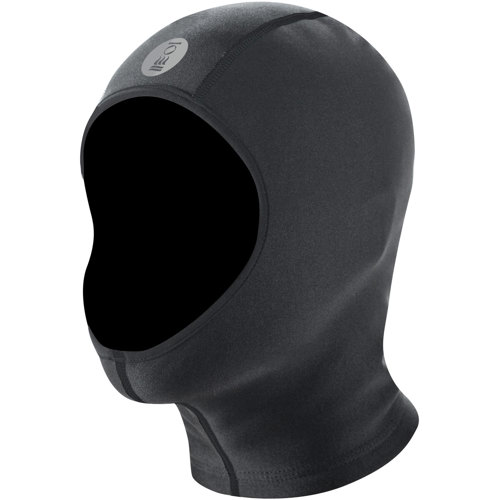
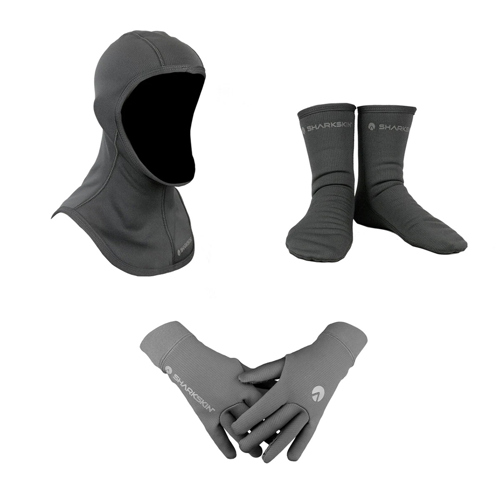
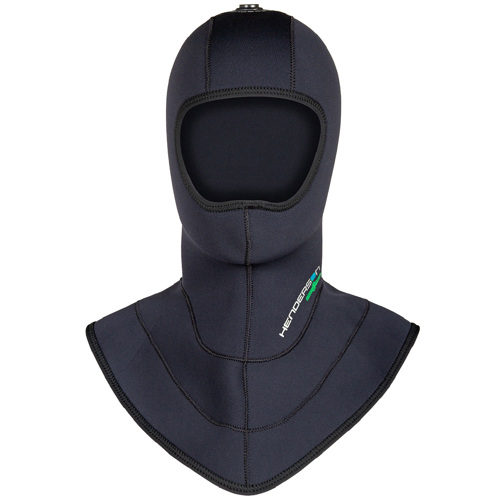
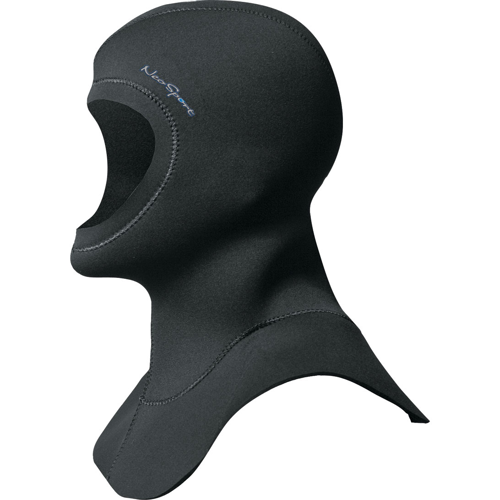
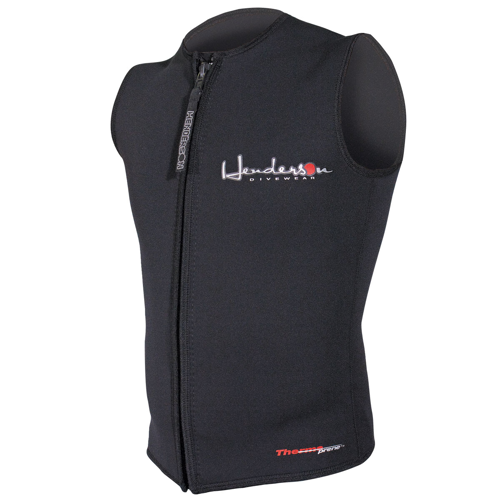
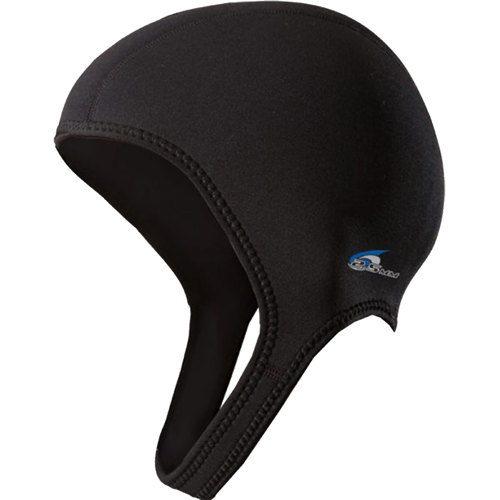
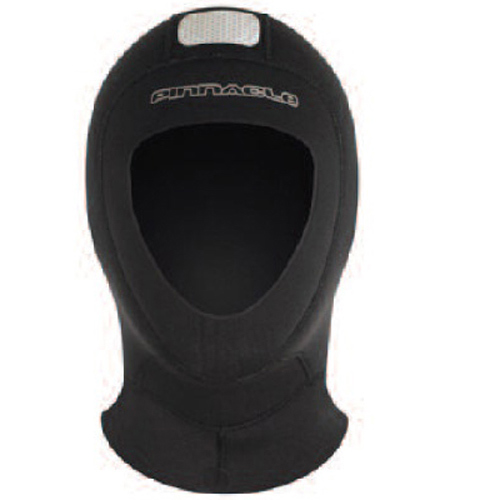
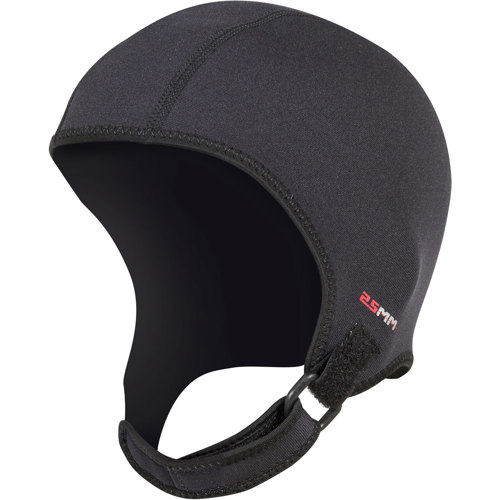
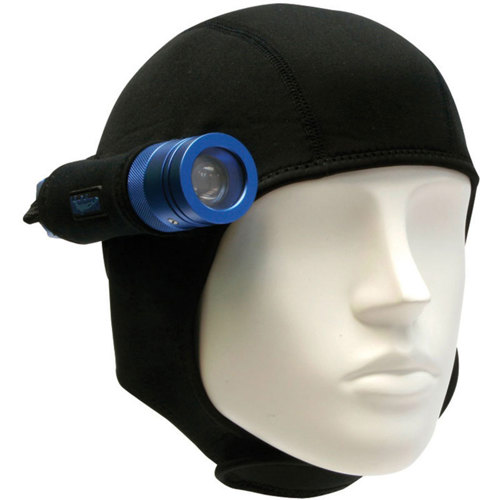
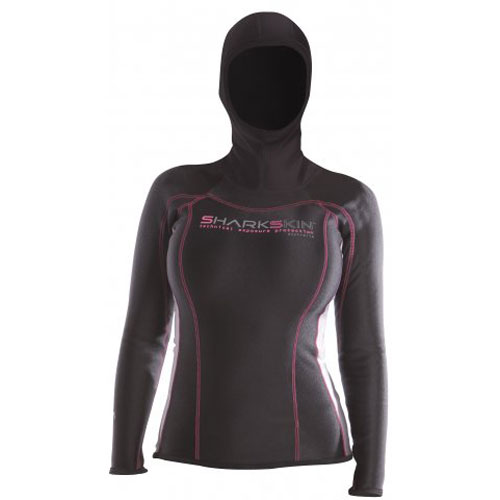
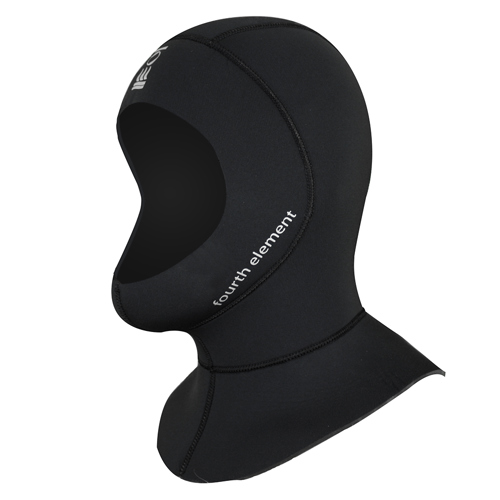
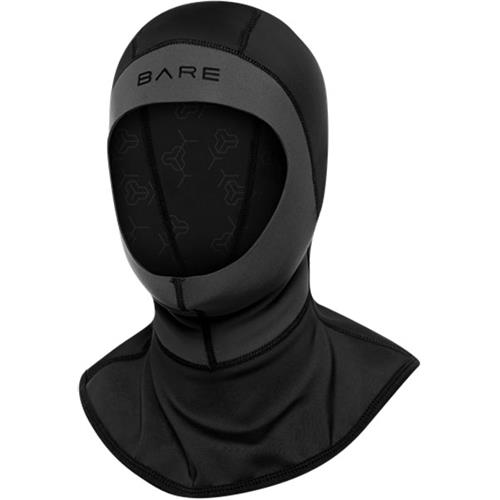
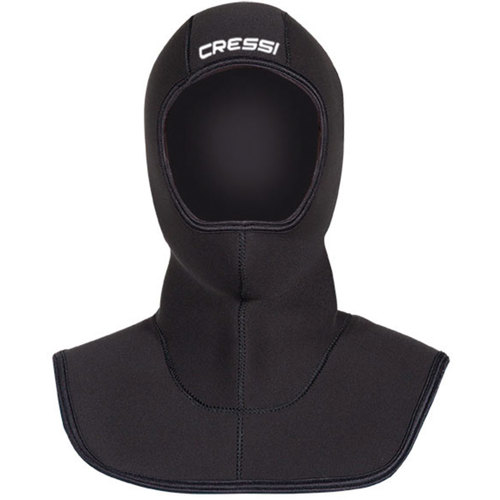
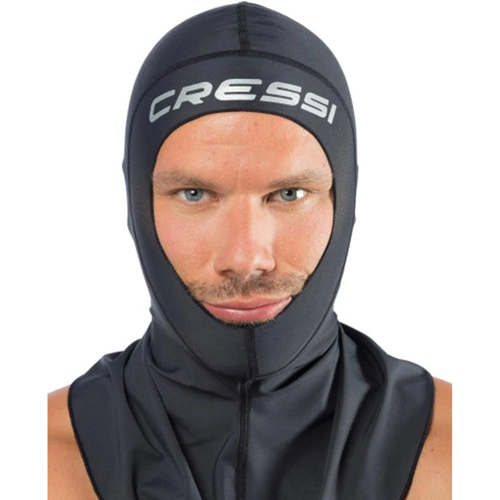
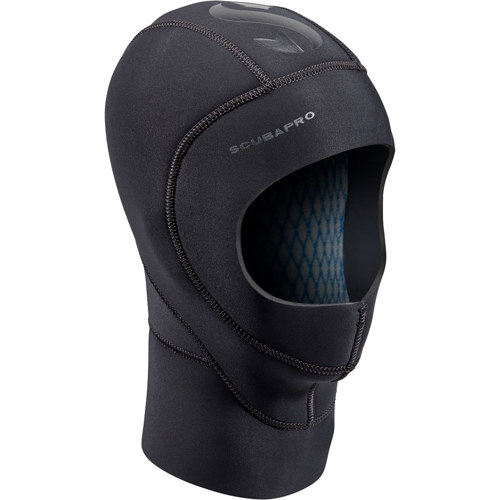
As the water temperatures begin to shift in March and divers start planning their spring adventures, the search for reliable exposure protection becomes a top priority. Neoprene alternative hoods have emerged as a smart solution for those seeking eco-friendly, allergy-conscious, or more versatile options compared to traditional neoprene hoods. These hoods are crafted from advanced materials such as plant-based Yulex, technical fabrics like Sharkskin, and innovative fleece-lined synthetics. For divers sensitive to the chemicals in standard neoprene or those who simply want to make more sustainable choices, these neoprene free options offer impressive warmth and comfort without compromising on performance. Unlike classic neoprene, which can feel restrictive and bulky, many neoprene alternative hoods are designed to be lightweight and easy to don, making them a favorite among both new and seasoned divers. The neutral buoyancy of certain materials, such as those found in Fourth Element Thermocline hoods, can even help reduce the amount of lead you need to carry, streamlining your dive setup and enhancing your underwater experience.
Choosing between options like bare exowear vs sharkskin often comes down to the specific conditions you anticipate and your personal preferences for fit, flexibility, and thermal protection. For those diving in moderate to warm waters, technical fabrics that are windproof, water-resistant, and breathable provide more than enough insulation, especially when paired with a seaskin wetsuit hood neoprene diving system. These hoods excel in activities that require frequent gear changes, such as training sessions, shore dives, or multi-sport days that blend diving, snorkeling, and even paddle sports. The quick-drying nature and minimal bulk of these materials make them especially practical for travel—just roll one up, tuck it in your gear bag, and you’re ready to go. As the sun returns and surface intervals grow longer, you’ll appreciate how these hoods keep you warm without overheating, whether you’re drifting along a kelp forest or exploring a sun-dappled reef. They also make thoughtful, practical gifts for divers who care about sustainability, have latex or neoprene sensitivities, or simply want to expand their exposure protection options for different water temperatures and activities.
When considering a neoprene alternative, it’s essential to match the hood’s features to your diving environment. For cold water, look for fleece-lined or multi-layered designs that trap heat effectively, while in warmer climates, a thinner, breathable hood might be all you need to cut down on wind chill and sun exposure during surface swims. Many divers find that the improved comfort and flexibility of these hoods lead to longer, more enjoyable dives, as there’s less risk of chafing or feeling constricted around the neck and face. Whether you’re a recreational diver, an underwater photographer, or someone who spends long hours in the water for work or play, these hoods offer a modern alternative that blends innovation with comfort. If you’re interested in exploring more traditional options or comparing the latest in hood technology, be sure to visit our collection of
Neoprene Drysuit Hoods for additional inspiration and expert recommendations. With the right hood, you can dive into spring’s changing waters fully protected, comfortable, and confident in your gear choices.