Must Have Gear For Shipwreck Diving
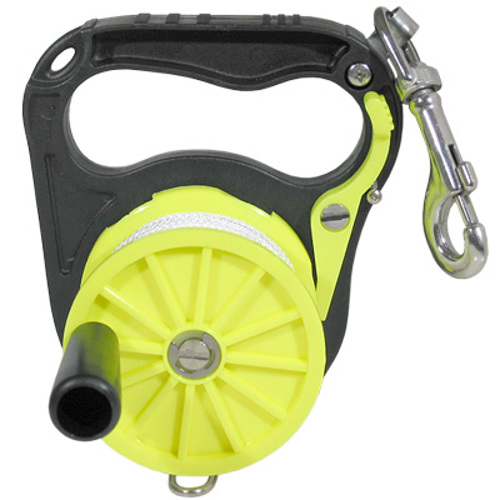
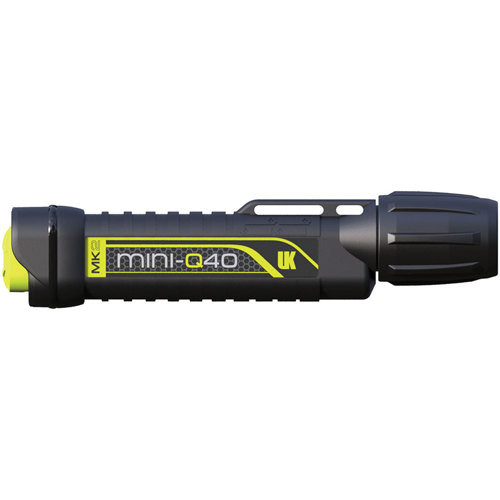
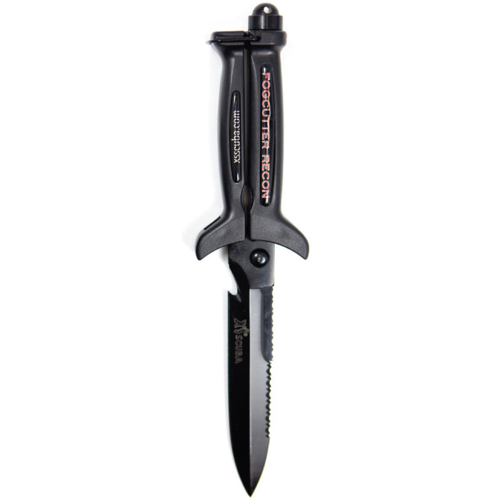
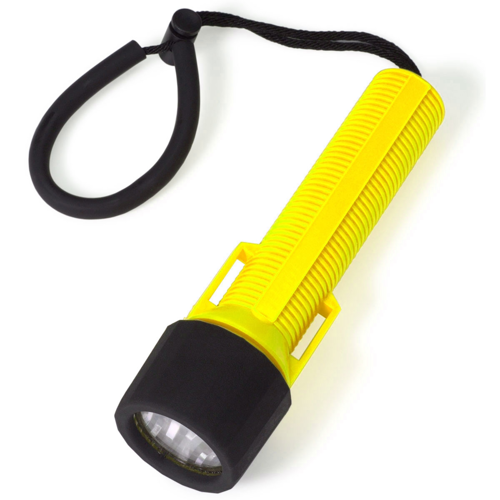
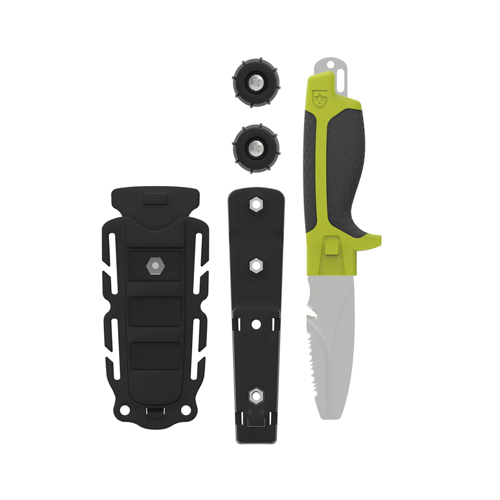
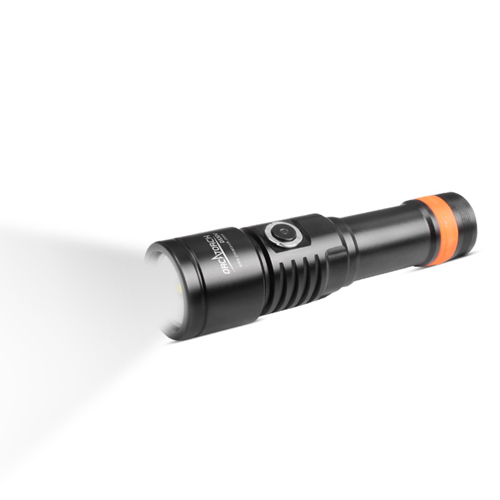
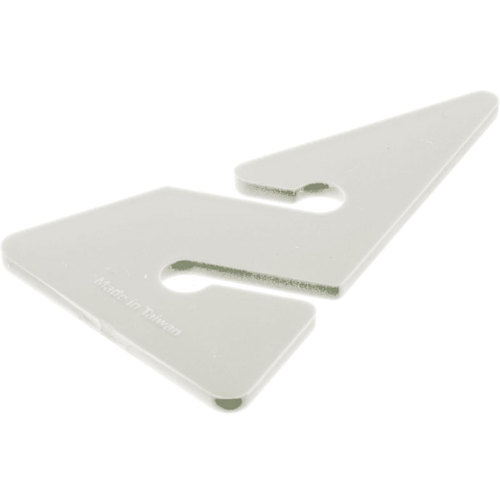
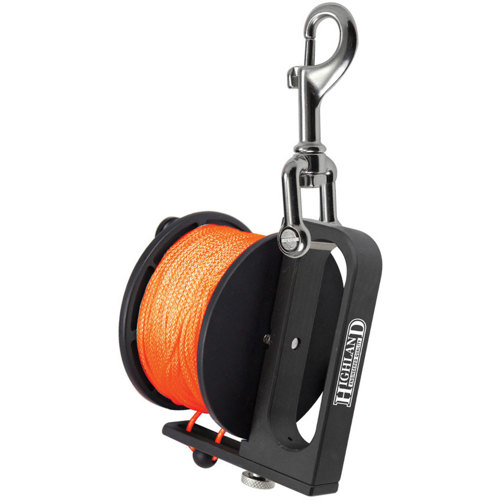
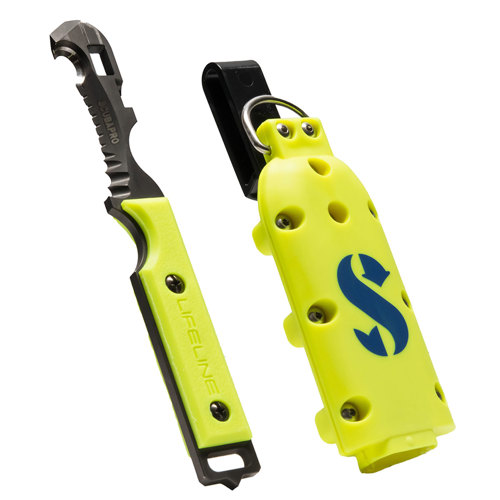
Shipwreck diving is an experience that draws adventurers, history buffs, and underwater explorers alike, offering a rare glimpse into the past while presenting unique challenges beneath the surface. Unlike open-water dives, exploring wrecks means moving through confined spaces where visibility can drop in an instant and hazards like entanglement or sharp rusted metal are ever-present. As the weather warms and dive conditions become more favorable through late spring and summer, more divers are drawn to these submerged time capsules. Whether you’re a seasoned technical diver planning deep penetration into a sunken freighter or a recreational diver eager to circle the exterior of a storied hull, having the right gear is crucial for both safety and enjoyment. Essential shipwreck diving equipment goes beyond the basics—think of multiple cutting devices to tackle stray fishing lines or netting, a primary and backup dive light to pierce the darkness inside a steel corridor, and a reliable wreck reel to lay a continuous guideline back to daylight. These aren’t just accessories—they’re lifelines in an environment where the unexpected is the norm.
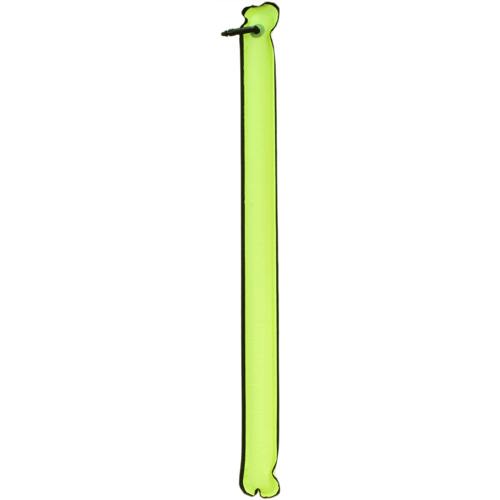
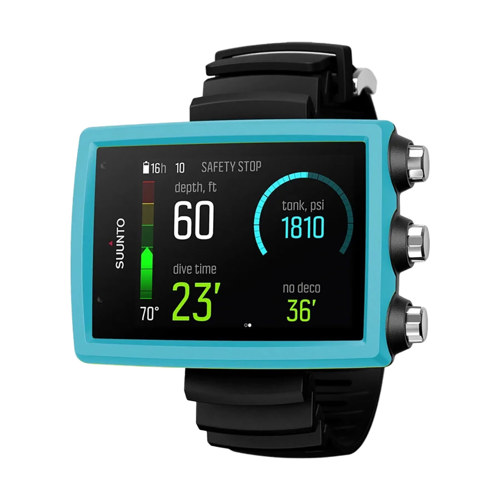
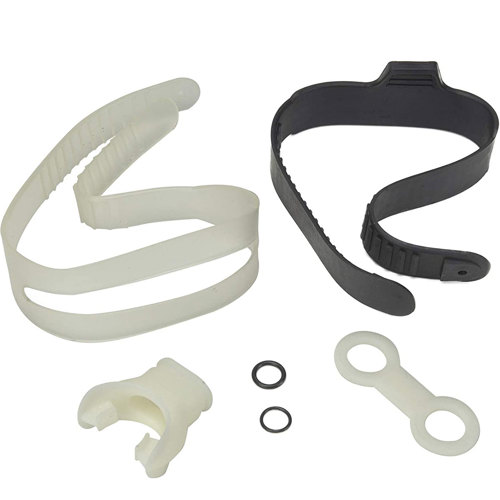
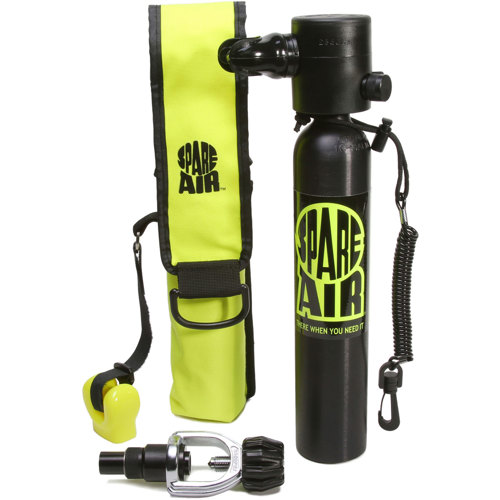
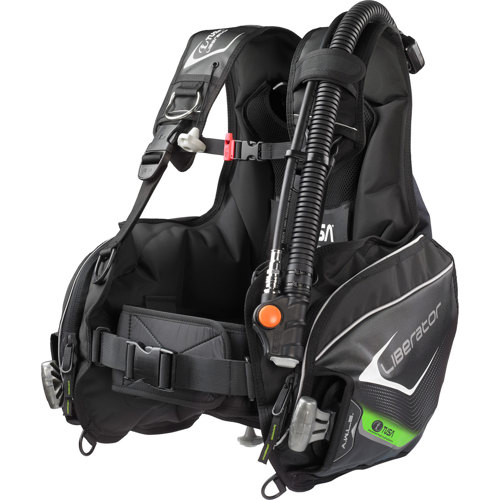
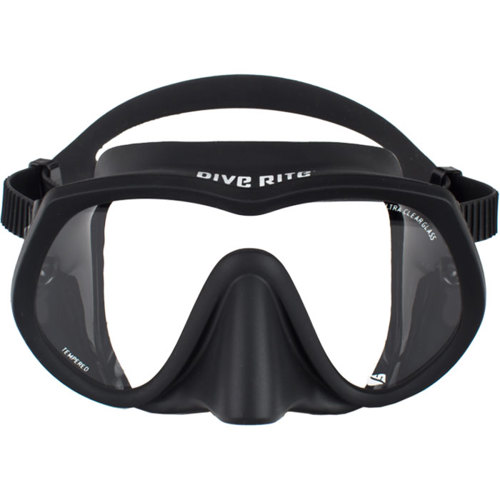
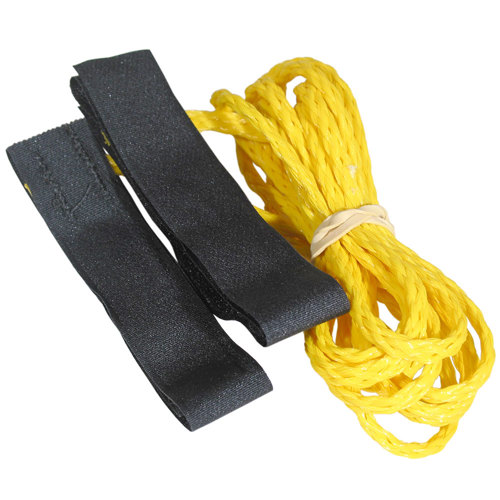
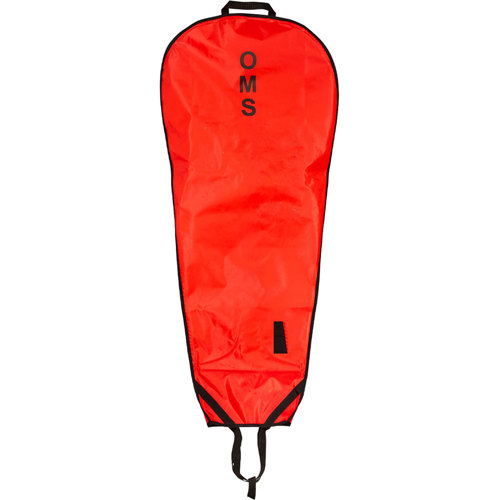
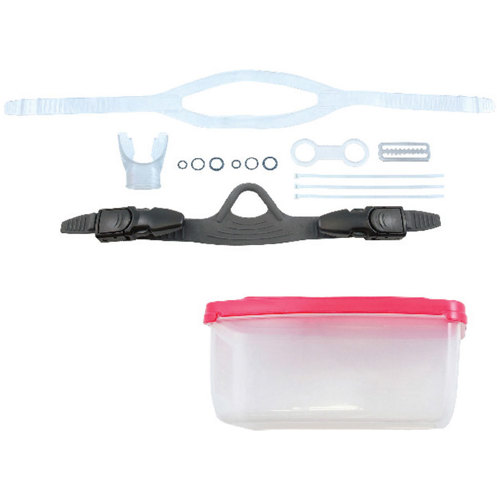
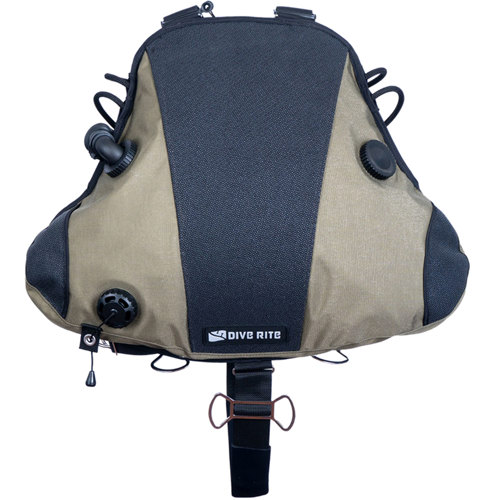
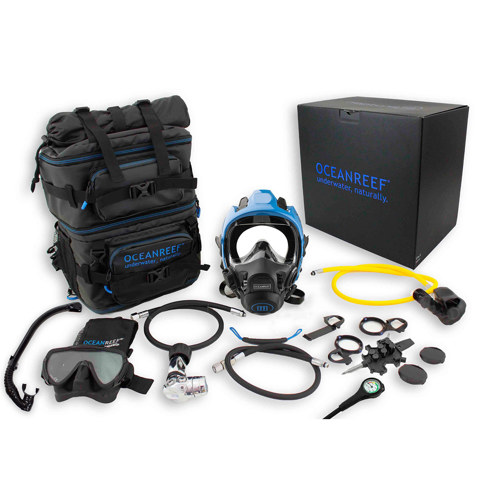
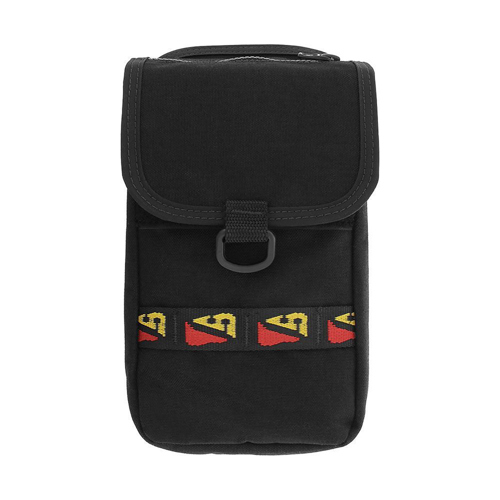
For divers venturing into shipwrecks, gear selection is a thoughtful process shaped by the demands of the site and personal experience. A redundant air supply, such as a pony bottle, offers peace of mind for those longer or deeper dives where an independent backup can make all the difference. Stashing a low-profile backup mask in your BCD pocket is a move seasoned wreck divers swear by, recalling moments when a lost or cracked mask in a tight passage could have cut a dive short. Heavy-duty gloves and a hood are not just for colder water—they shield your skin from jagged metal and invasive species like zebra mussels that can turn a simple brush into a painful memory. Communication and navigation tools, such as a slate and pencil or an advanced dive computer, help you log discoveries, sketch routes, and manage your dive profile with precision. Surface marker buoys and compact spools are vital for safe ascents, especially in areas with strong currents or busy boat traffic. These pieces of gear also make thoughtful gifts for experienced divers or those just starting to explore the world of wreck diving, offering both practicality and reassurance for the adventures ahead. If you’re looking to refine your kit or find inspiration for your next expedition, you can explore a curated selection of essentials on our
Gear For Shipwreck Adventures page.
As shipwreck diving continues to captivate divers through the vibrant summer months, investing in the right equipment is about more than just ticking boxes on a checklist—it’s about preparing for the unexpected and making every dive memorable for the right reasons. The stories you’ll collect—of navigating through a tangle of beams by the beam of your backup light, or signaling your buddy with a simple slate sketch deep inside a silent hold—are shaped by the gear you trust. Whether you’re gifting a new reel to a friend who’s caught the wreck diving bug or upgrading your own kit in anticipation of a season spent exploring underwater relics, quality equipment is the foundation of every safe and successful dive. With each piece thoughtfully chosen, you’re not just ready for the adventure ahead—you’re ready to write your own chapter in the ongoing story of the world’s most fascinating shipwrecks.