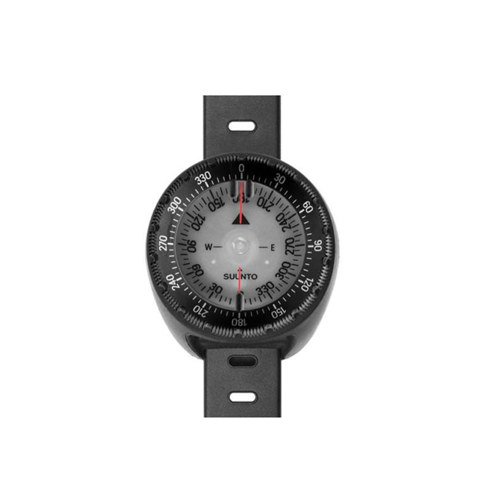
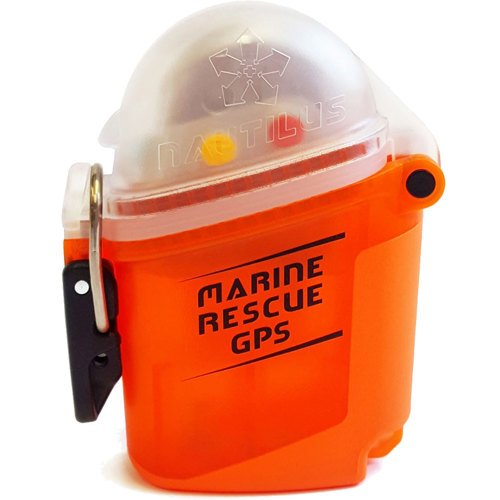
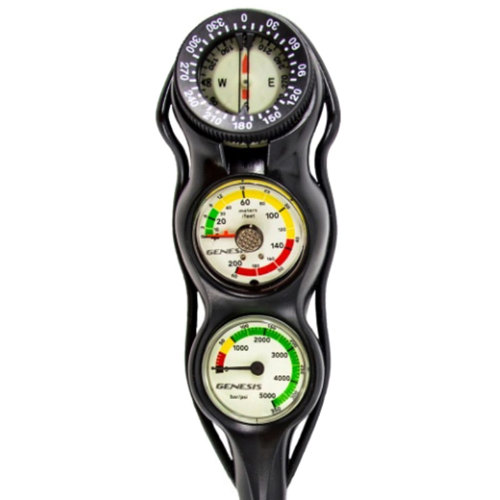
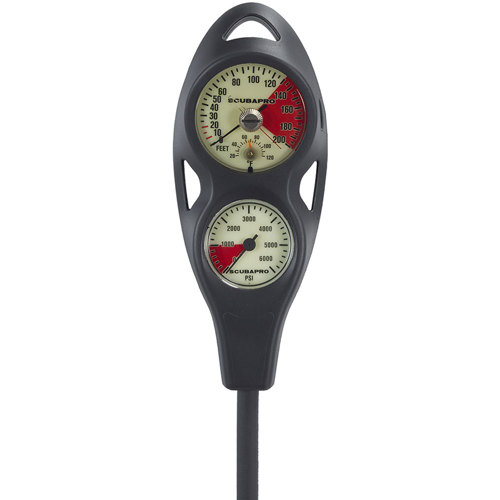
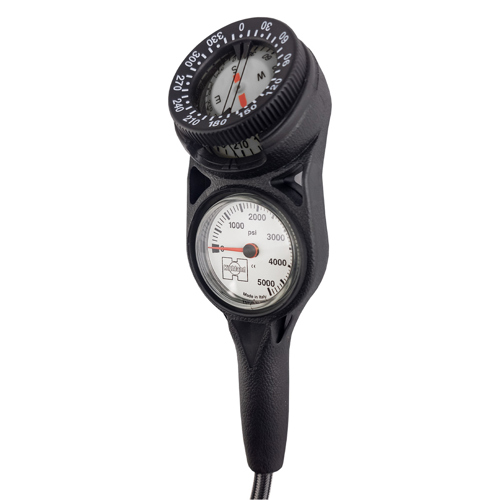
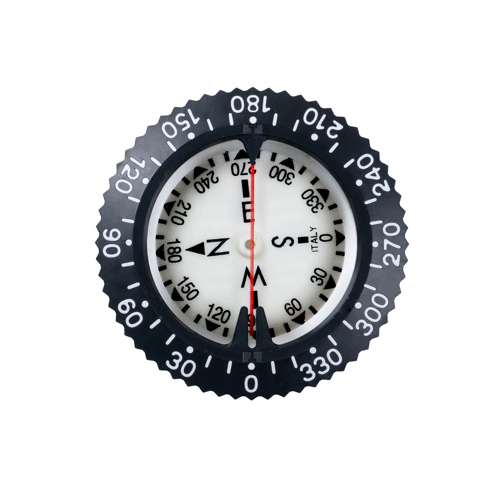
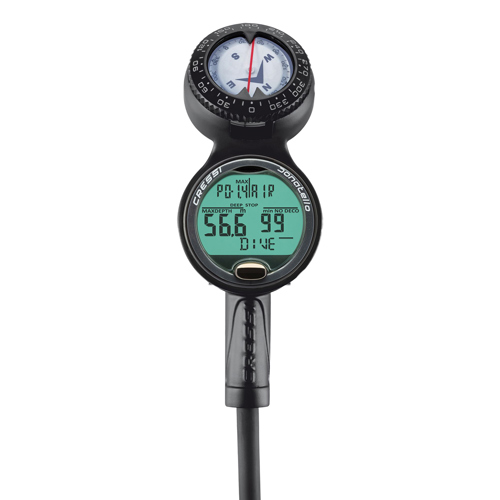
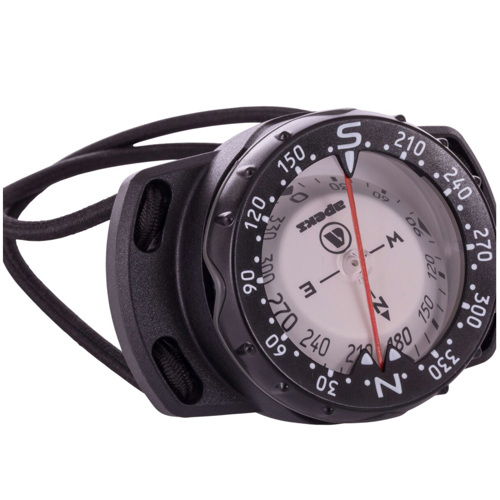
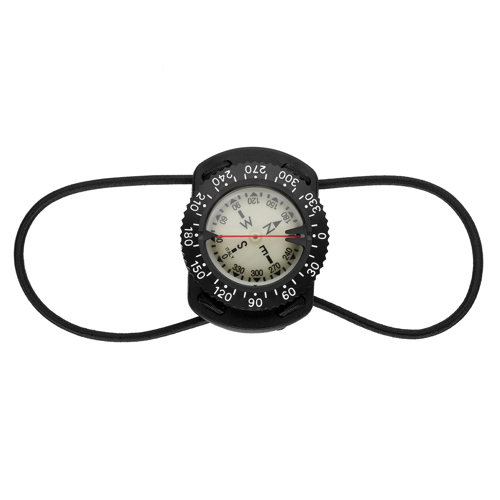
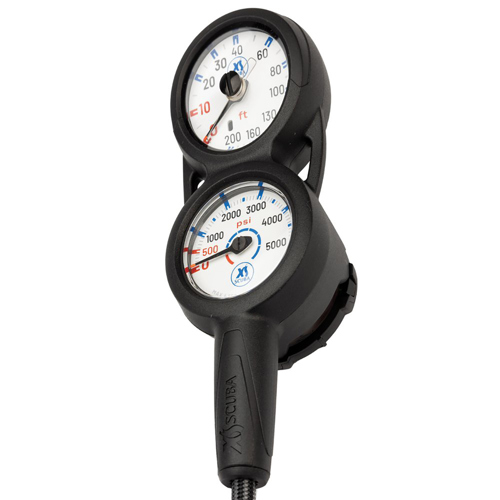
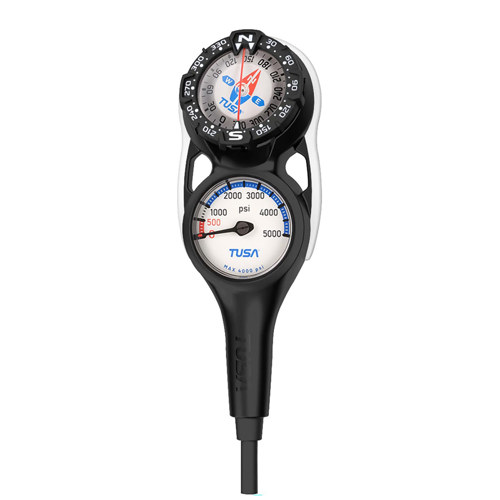
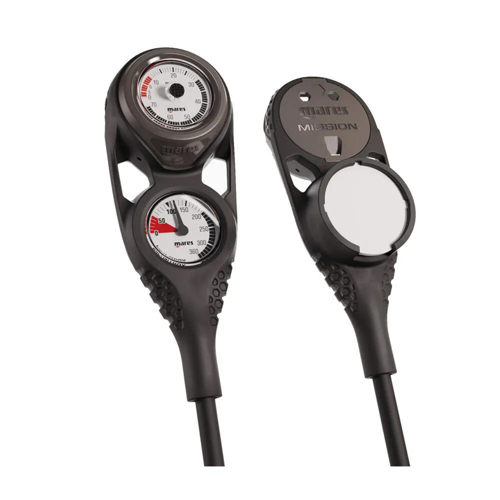
Navigating the open water, whether you're captaining a sailboat, piloting a powerboat, or embarking on a diving expedition, requires both skill and the right set of marine navigation instruments. Over the years, the toolkit for safe and accurate navigation has evolved from traditional analog devices to advanced digital systems, but the core needs remain unchanged: knowing your position, charting your course, and ensuring safe passage through changing conditions. For seasoned mariners, a well-rounded collection of navigation tools is essential for redundancy and reliability. Magnetic and gyro compasses, for instance, continue to be the backbone of navigation, offering a fail-safe reference point when electronic systems falter. Paper charts, parallel rulers, and dividers provide tactile engagement with route planning, allowing you to plot courses and measure distances with precision—a satisfying ritual for those who appreciate hands-on navigation. The satisfying click of dividers on a well-worn chart, the steady sweep of a compass needle, and the careful notations in a logbook all contribute to the timeless art of marine navigation.
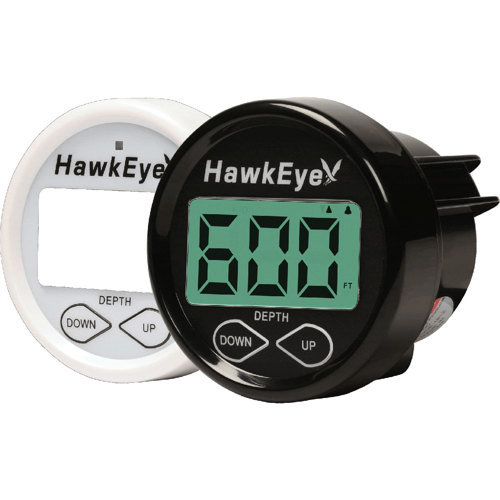
Modern navigation, however, seamlessly blends these classic tools with cutting-edge technology. GPS receivers and chartplotters now offer real-time positioning with remarkable accuracy, transforming the way mariners traverse unfamiliar waters. Radar and AIS systems heighten situational awareness, especially during the long winter nights of January when visibility can be limited and the weather unpredictable. Autopilots reduce fatigue on lengthy passages, while echo sounders and sonar provide crucial depth information to avoid underwater hazards. Even with these advancements, experienced navigators know that electronics can be susceptible to power loss or interference—making it wise to maintain proficiency with traditional instruments. Binoculars remain indispensable for spotting distant buoys or identifying landmarks, and a reliable barometer offers early warning of approaching weather fronts, which is particularly valuable during the volatile winter season. For those who cherish the romance of celestial navigation, a well-calibrated sextant and a marine chronometer evoke a sense of adventure and self-reliance, connecting you to the generations of explorers who navigated by the sun and stars.
Marine navigation instruments also make thoughtful gifts for boating enthusiasts, divers, or anyone with a love for the sea. A high-quality compass or a set of charting tools can be both practical and deeply personal, often becoming cherished heirlooms passed down through families. For new boat owners or aspiring navigators, assembling a kit of essential instruments is a rite of passage—one that fosters confidence and independence on the water. Whether you're preparing for a coastal cruise, outfitting a dive boat, or simply want to ensure a safe return after a day of exploring, investing in dependable navigation tools is a decision rooted in both tradition and innovation. To explore a curated selection of essential compasses for marine navigation, visit our
Navigation Compasses page. With the right instruments at your disposal, every journey becomes an opportunity to master the elements and experience the enduring thrill of exploration.