Marine Biologist Gear
Marine biologists work in some of the most dynamic and challenging environments on Earth, requiring a blend of specialized knowledge and dependable equipment for marine biologist fieldwork. Whether conducting research along sunlit coral reefs or venturing into the shadowy depths of the open ocean, the right marine biologist gear can make all the difference in gathering accurate data and ensuring personal safety. March often marks the start of the busy spring research season, with warming waters and increased marine activity providing prime opportunities for field studies. Essential marine biology equipment ranges from classic sampling nets and sediment corers to advanced technologies like CTD sensors for measuring conductivity, temperature, and depth. For those who spend long hours on or under the water, comfort and durability are just as important as precision—features like ergonomic grips, corrosion-resistant materials, and watertight seals are key considerations when selecting marine biologist equipment. Reliable wetsuits, gloves, and boots provide protection against cold temperatures and abrasive surfaces, while waterproof field notebooks and underwater cameras help document findings in real time. Many marine biologists also rely on portable water testing kits, dive lights, and compact ROVs (Remotely Operated Vehicles) to expand the scope of their research, especially in environments that are difficult or unsafe for direct human access.
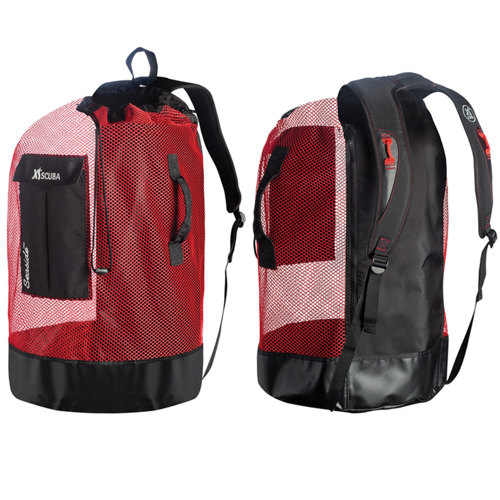
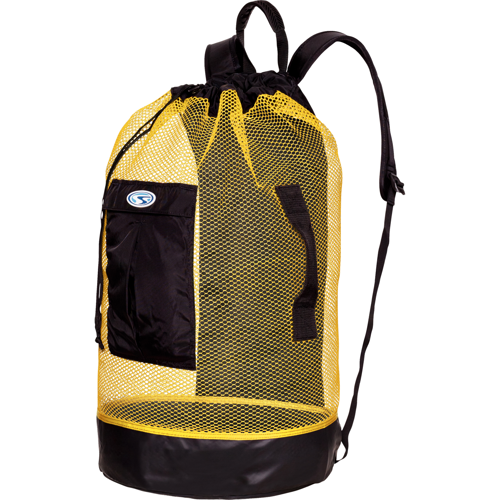
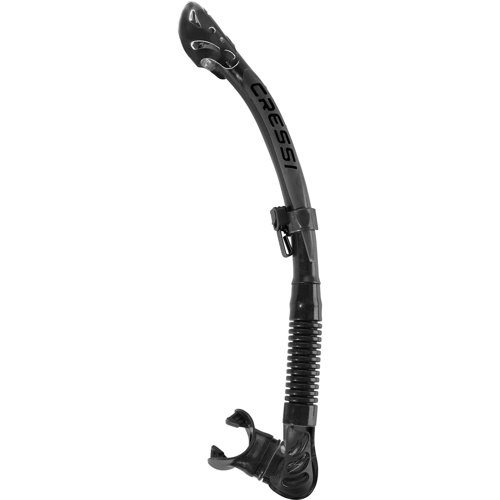
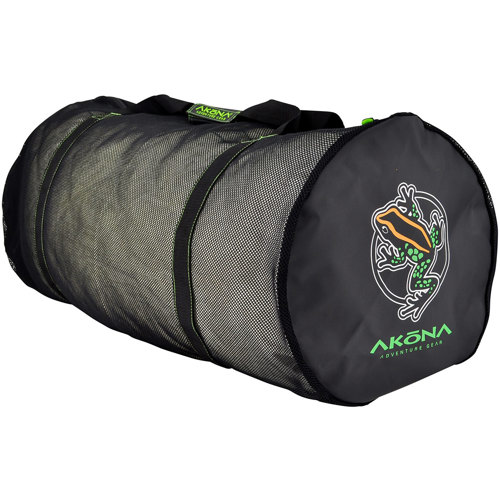
The appeal of marine biology equipment extends beyond professional scientists; it is also a thoughtful and practical gift for students, educators, or ocean enthusiasts eager to deepen their connection to the underwater world. For athletes involved in underwater sports, certain marine biology equipment for athletes—such as streamlined snorkels, masks with wide fields of view, and rugged fins—can enhance both recreational dives and citizen science projects. Aspiring marine biologists or young explorers might appreciate starter kits that include basic sampling tools and identification guides, encouraging curiosity and hands-on learning. Researchers embarking on extended expeditions often benefit from organizational gear like sturdy cases, modular storage, and quick-drying bags to keep sensitive instruments safe and accessible. The best marine biologist gear is designed to withstand the rigors of marine environments, supporting users through sudden weather changes, salt spray, and the physical demands of fieldwork. As you explore the variety of marine biology equipment available, consider the specific needs of your research or adventure—whether you are collecting plankton samples with a bongo net, mapping the seafloor with acoustic sonar, or simply observing marine life in its natural habitat. For a deeper dive into the full range of tools and accessories, visit our comprehensive guide to
Marine Biology Tools to find the right fit for your next aquatic journey.