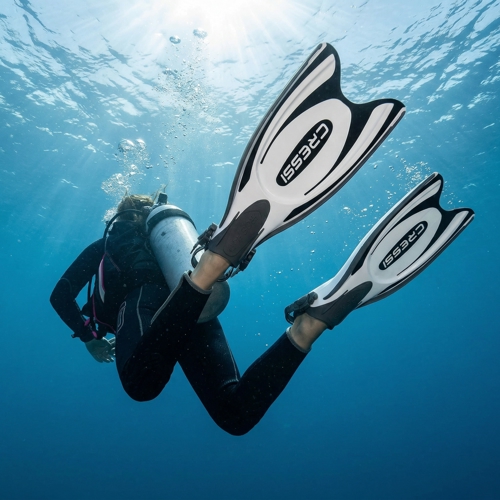
Long Blade Fins For Recreational Diving
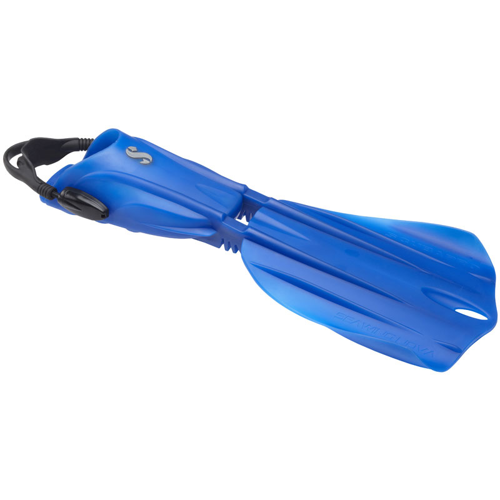
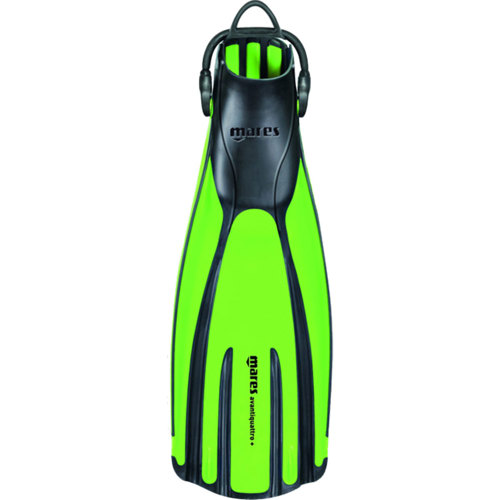
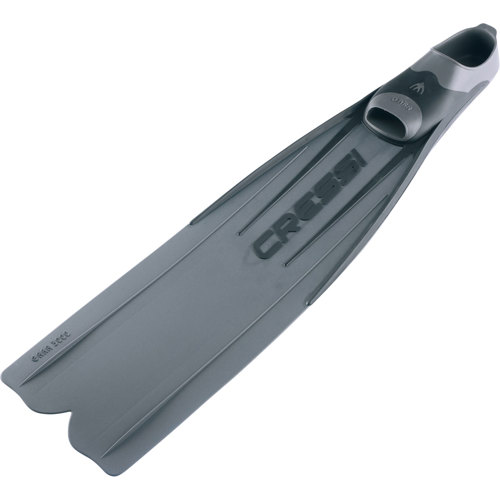
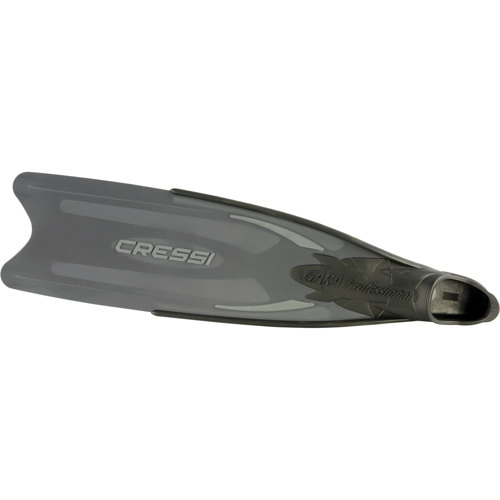
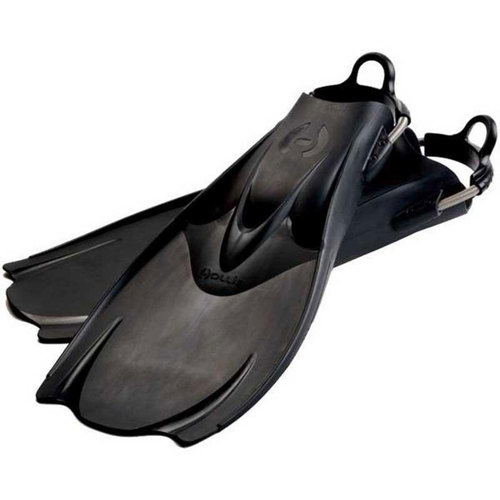
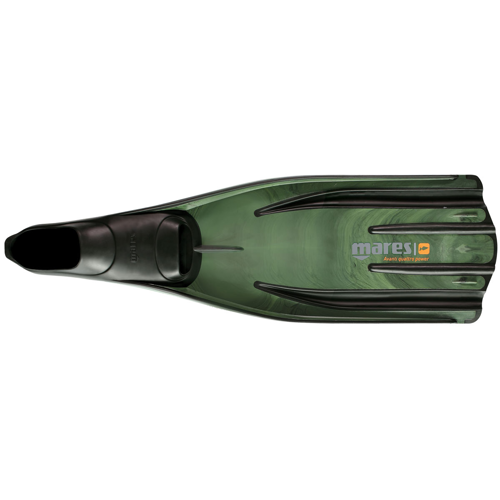
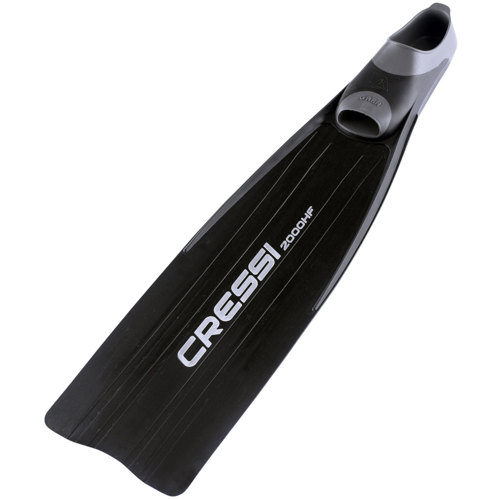
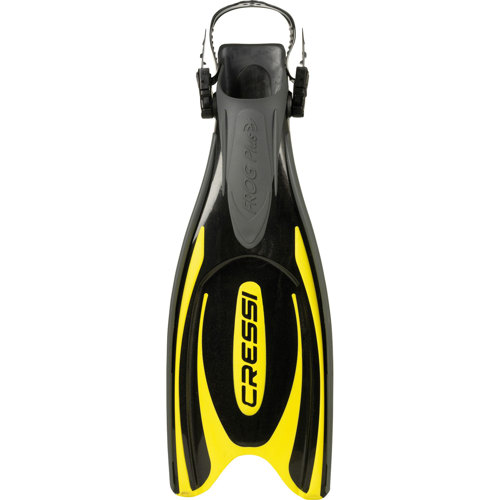
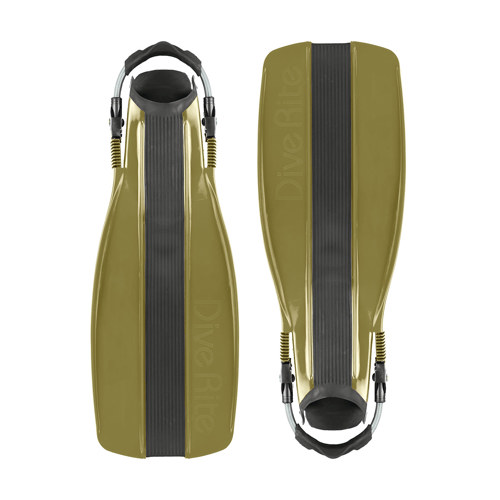
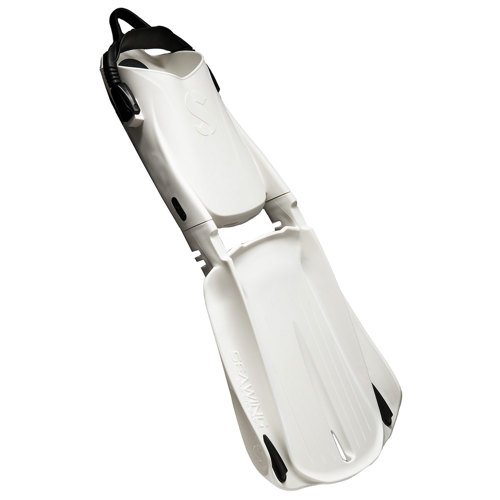
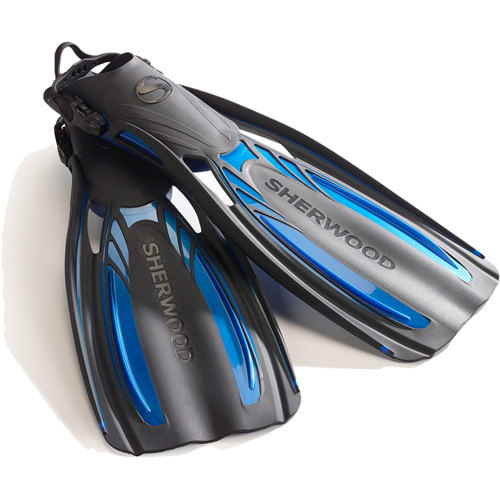
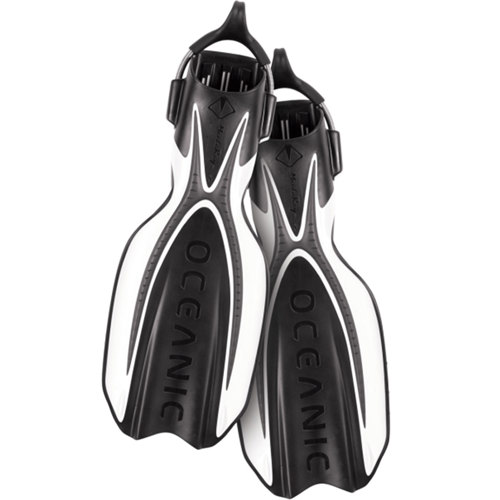
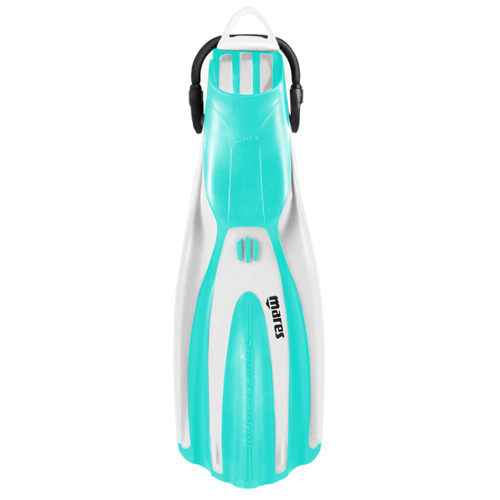
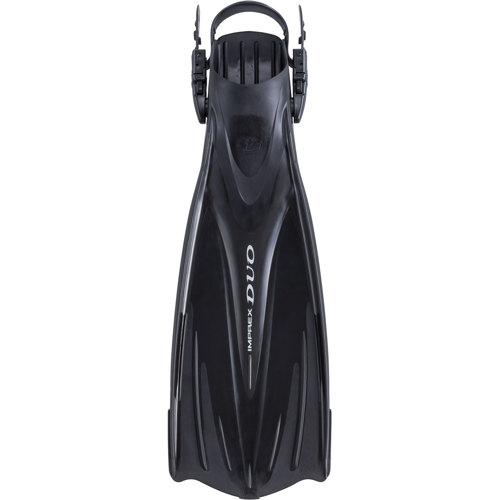
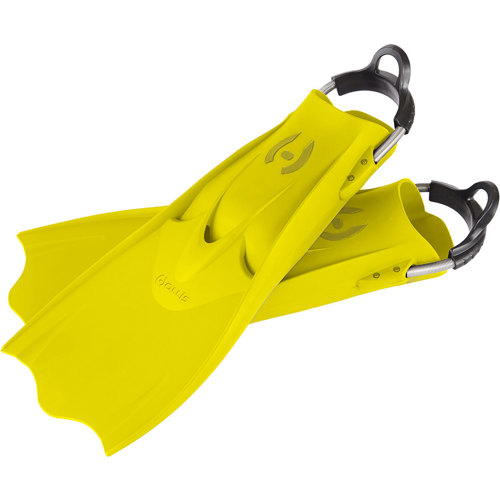
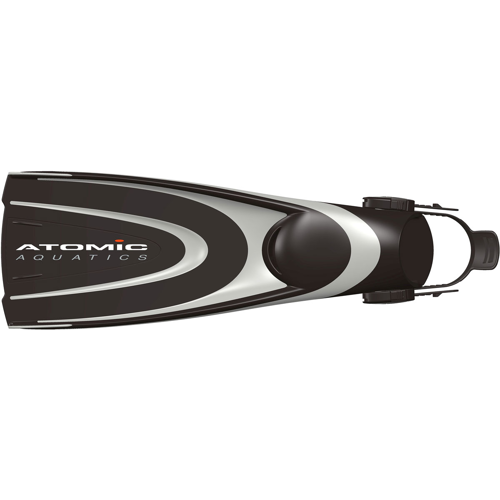
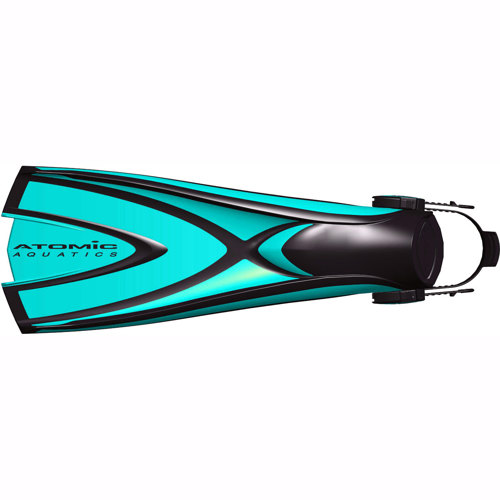
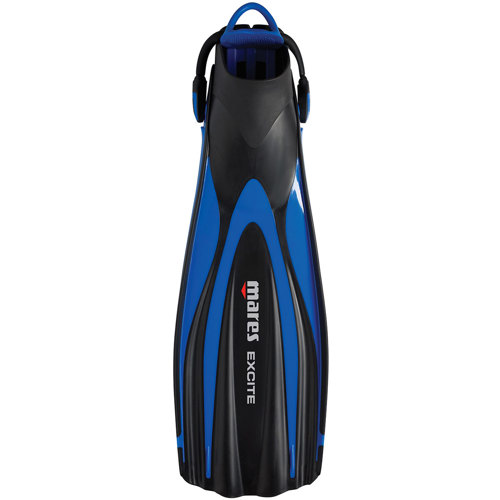
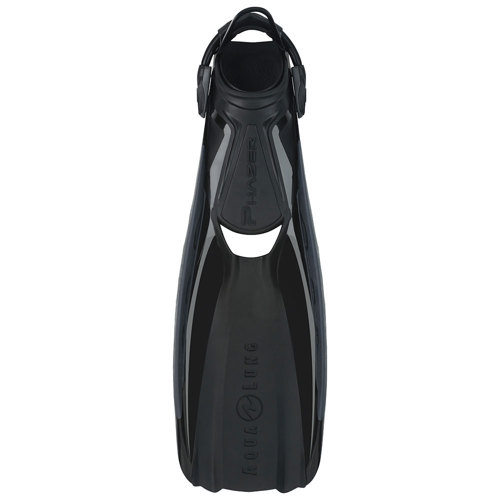
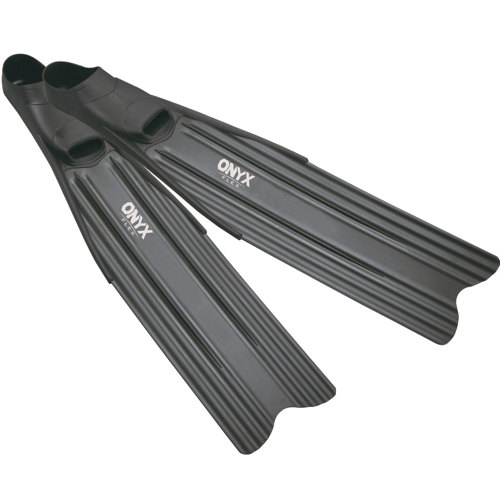
Long blade fins have become a favorite among recreational divers and snorkelers who want to maximize their propulsion and efficiency in the water while keeping effort to a minimum. As the weather warms and more people head out for open-water adventures, these fins offer a streamlined solution for gliding over reefs, exploring coastal drop-offs, or simply enjoying long surface swims. The extended blade length is designed to amplify each kick, making it easier to cover greater distances with less fatigue—an advantage that’s especially noticeable during relaxed shore dives or when navigating mild currents. Most recreational long blade fins feature full-foot pockets, which are comfortable for barefoot use or with thin neoprene socks, making them a versatile choice for both tropical and temperate waters. The popular polymer blade construction stands out for its durability and affordability, resisting scuffs and impacts from rocky entries or boat ramps, and offering a forgiving flex that suits both beginners and experienced divers alike. For those who are just starting out, or for anyone planning longer sessions in the water, the gentle, energy-saving flutter kick style these fins encourage is ideal for preventing muscle strain and cramping, allowing you to focus on the underwater scenery rather than your legs.
Choosing the right pair of long blade fins for recreational diving comes down to a few key considerations. Fit is paramount—full-foot pockets should feel snug but not restrictive, and if you plan to wear 3mm neoprene socks for added warmth, you might want to size up for comfort. Blade stiffness is another factor; softer blades are generally more forgiving and easier on the muscles during extended swims, while stiffer options offer more power for those with strong kicking technique or when tackling longer distances. While advanced materials like carbon fiber or fiberglass are available, polymer blades remain the top pick for most recreational divers due to their balance of performance, resilience, and cost-effectiveness. Long blade fins also make a thoughtful gift for water sports enthusiasts, travel-loving friends, or family members gearing up for a summer vacation at the coast. Their versatility means they’re equally at home in a variety of settings—from casual snorkeling trips to more ambitious freediving excursions. For those interested in expanding their skills or exploring specialized fin options, our curated collection of
Long Blade Freediving Fins provides a deeper dive into the world of extended blade designs, with choices tailored to different experience levels and aquatic environments. Whether you’re gifting a set to a budding diver or upgrading your own gear for the season, long blade fins offer a blend of comfort, efficiency, and adventure-ready reliability that’s hard to beat as the days grow longer and the call of the water becomes irresistible.