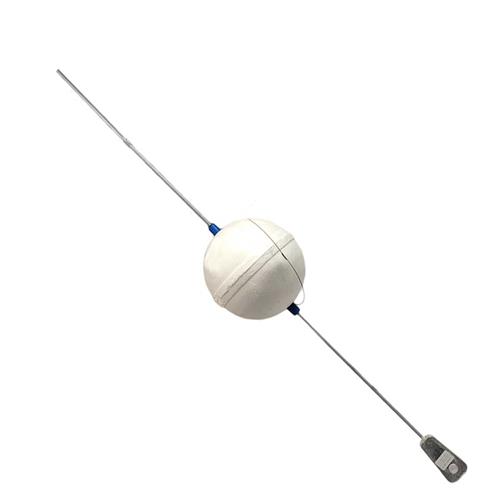
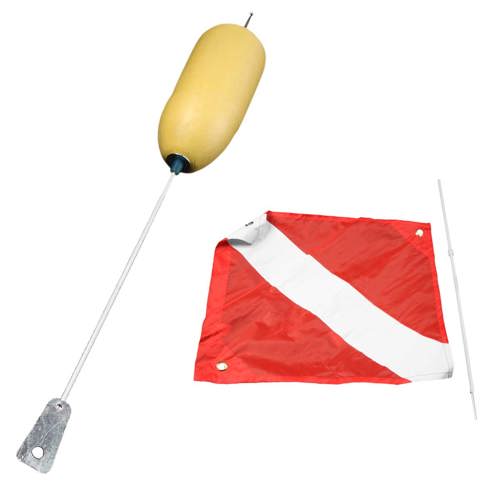
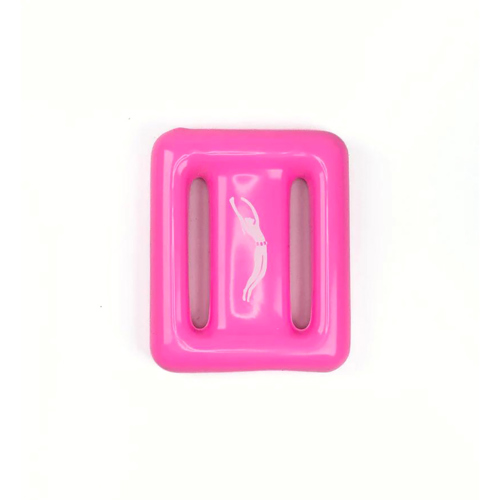
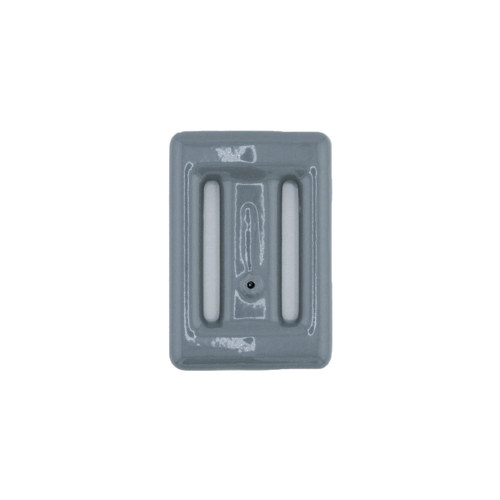
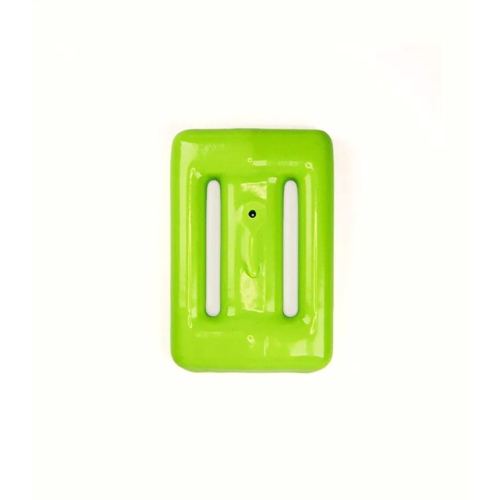
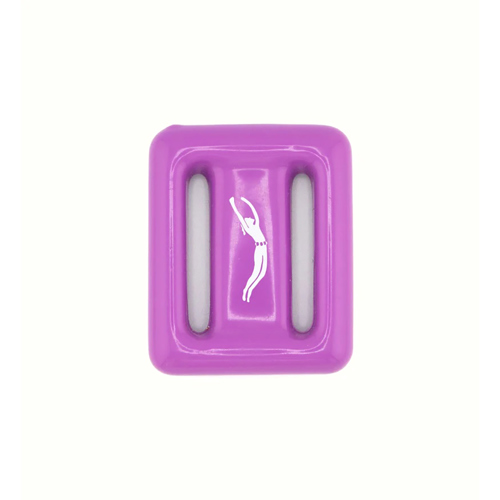
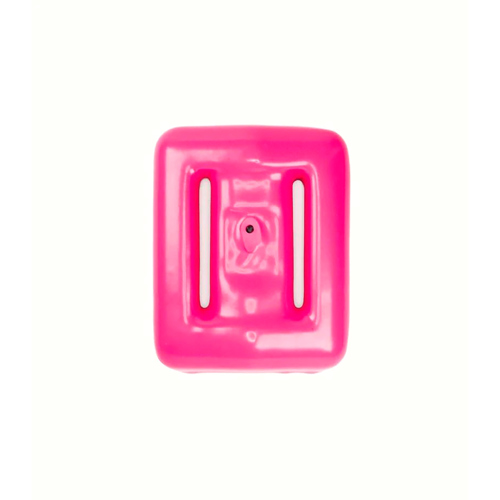
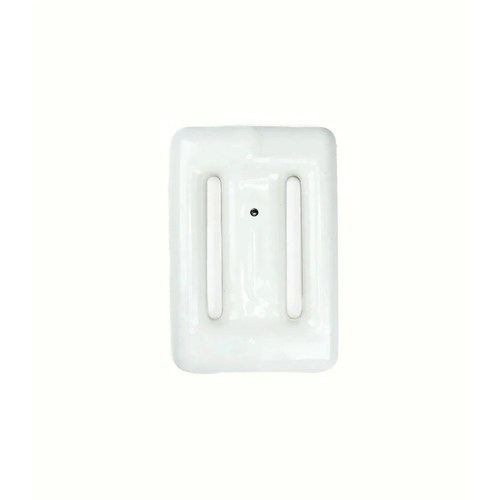
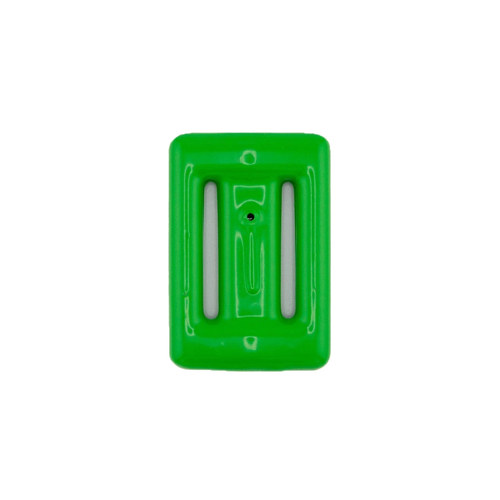
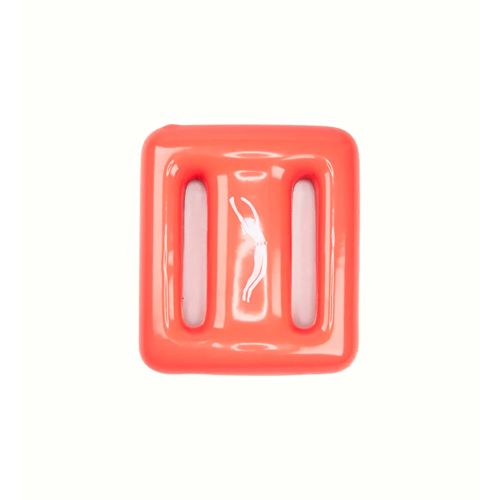
Lead weighted dive floats are a cornerstone of safe and effective diving, especially as the waters grow busier and surface conditions become more unpredictable through the warmer and transitional months. Designed with a lead ballast integrated at the base, these floats stand apart for their self-righting stability—a feature that ensures the attached dive flag remains upright and highly visible to passing boaters, even when faced with wind, waves, or swift currents. This low center of gravity not only keeps the float from flipping but also provides peace of mind, knowing your location is always clearly marked on the surface. Whether you’re a seasoned spearfisher, a dedicated scuba diver, or someone who enjoys long days of snorkeling along the coastline, the reliability of a lead float can make all the difference between a day filled with adventure and one fraught with unnecessary risk. Many divers recall early experiences with lightweight or inflatable markers that would tip over at the slightest swell, leaving them anxious about their visibility to surface traffic. The shift to a lead weighted dive float often feels like a revelation, bringing with it a new level of confidence and security.
For shore divers navigating entry points where boat traffic is common, or for spearfishers who need to tether their gear and keep their catch at a safe distance, these floats offer unmatched versatility. The reinforced bases commonly feature attachment points—such as D-rings or robust eyelets—making it easy to secure a float line, attach a small anchor, or clip on accessories. This adaptability is especially valuable when you’re managing multiple tasks at the surface, whether it’s preparing for a descent, resting between dives, or signaling your position to a dive buddy. The durability of these floats is another key consideration; most are crafted from high-buoyancy foam or rugged plastics in bright, high-visibility colors, ensuring they withstand repeated use and resist damage from sun, salt, and impact. The lead weight is typically sealed or molded into the float, preventing corrosion or accidental loss and contributing to the product’s longevity. When selecting a lead weighted dive float, it’s wise to think about the specific conditions you’ll encounter—sites with strong chop or heavy swell demand a float with more substantial ballast and a robust construction, while calmer waters may allow for a lighter, more streamlined design. For those who prefer a slightly different material or want to compare options, exploring
Nylon Dive Floats can offer additional insights and alternatives.
Lead weighted dive floats also make thoughtful gifts for diving enthusiasts, particularly those who are building their own set of safety gear or branching out into new environments. Gifting a reliable dive float is a gesture that speaks to care and camaraderie, recognizing the importance of surface visibility and personal safety in every underwater adventure. As the diving season stretches from early summer into the cooler days of fall, having the right surface marker becomes increasingly important—not just for personal safety but also for group dives, training sessions, or family outings where clear communication and surface reference points are essential. The satisfaction of surfacing after a long dive and spotting your float standing tall, flag unfurled and visible from a distance, is something every diver can appreciate. It’s a small but vital piece of equipment that supports every aspect of the dive, from the initial descent to the final swim back to shore. Whether you’re a solo explorer, a weekend warrior, or someone introducing friends and family to the underwater world, investing in a quality lead weighted dive float is a decision that brings lasting value and added peace of mind to every dive.