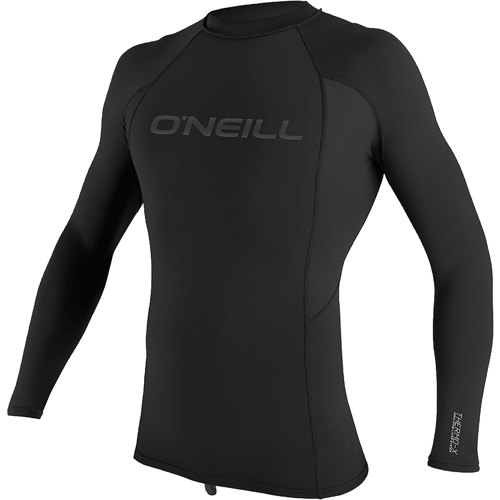
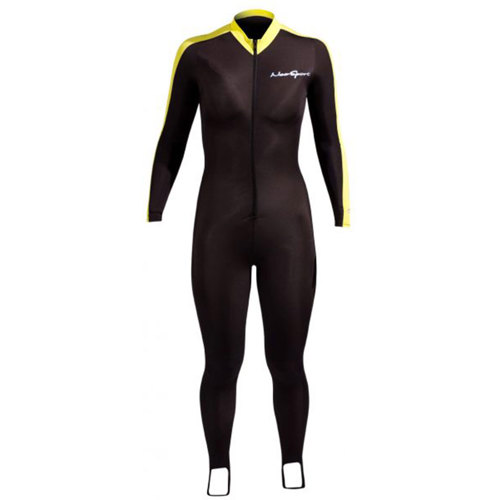
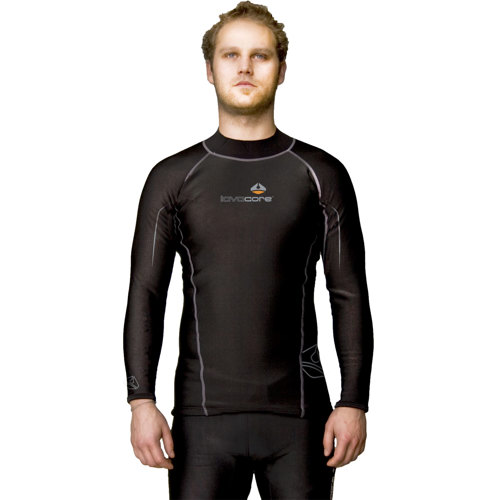
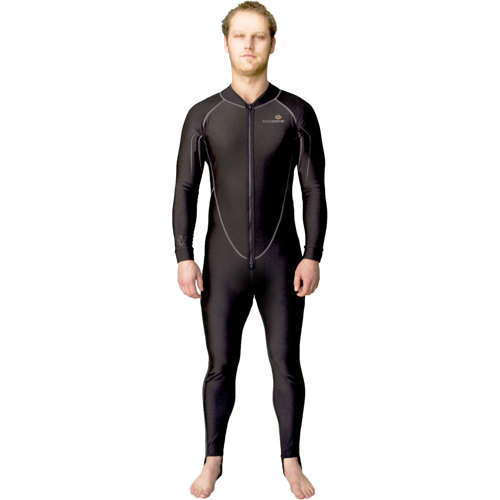
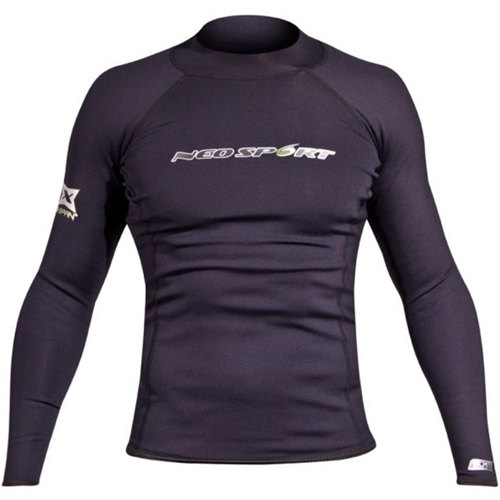
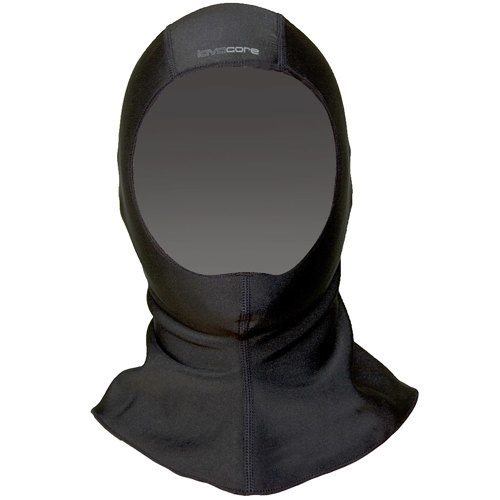
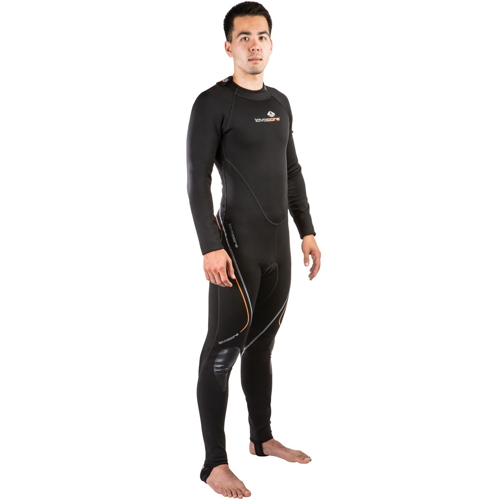
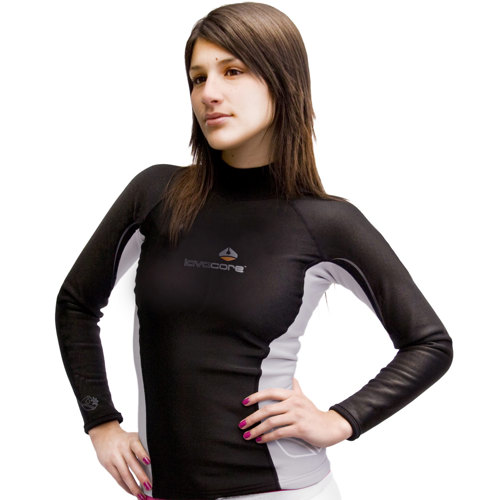
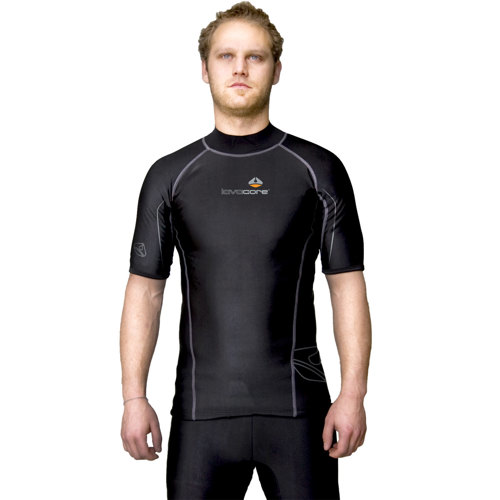
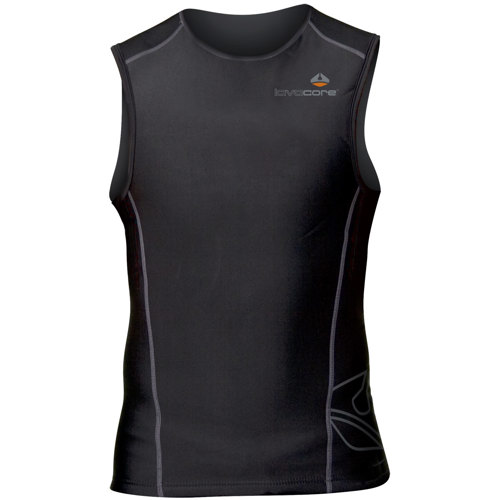
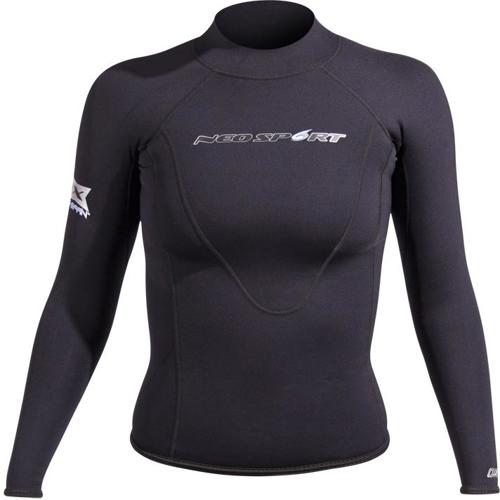
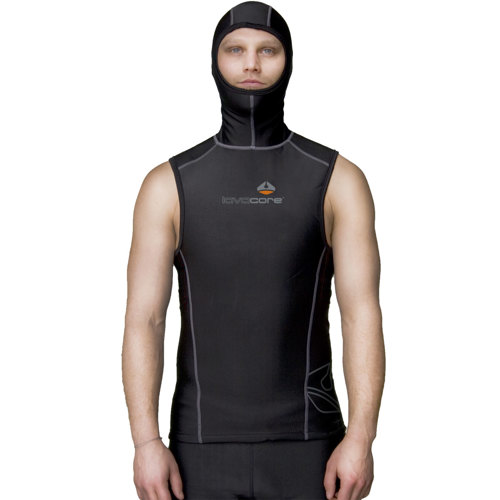
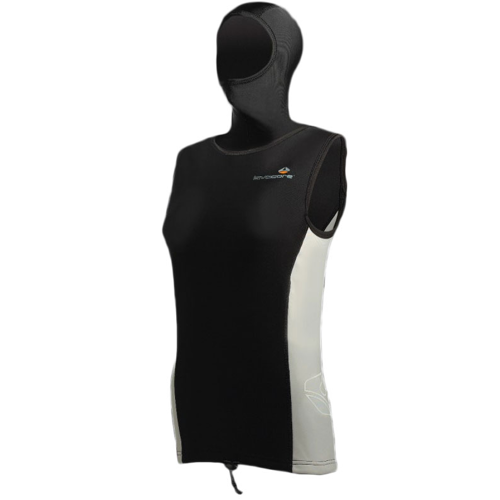
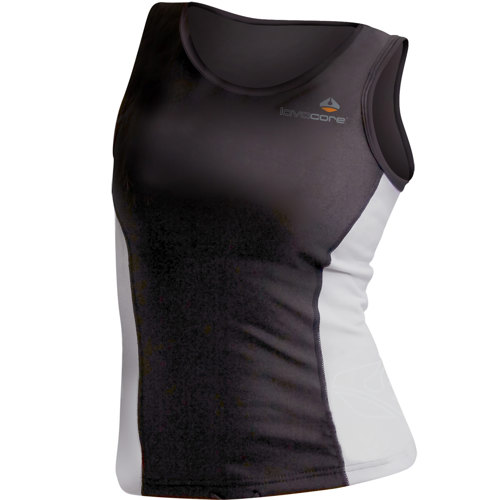
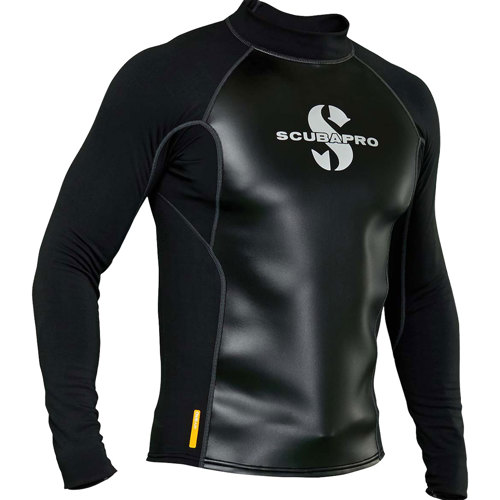
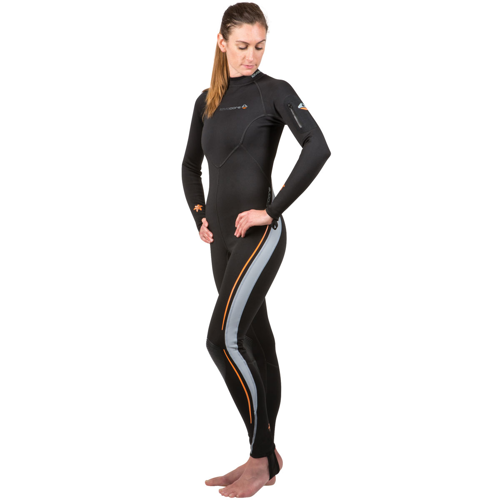
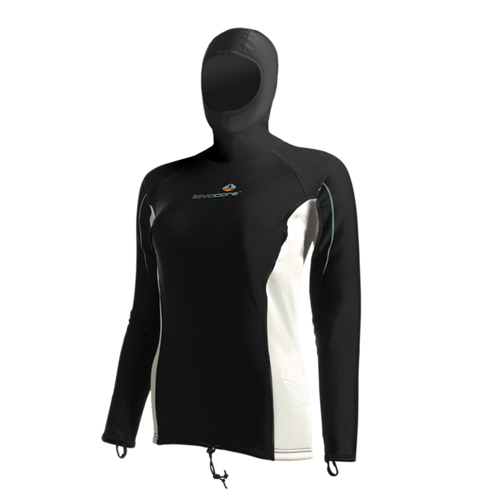
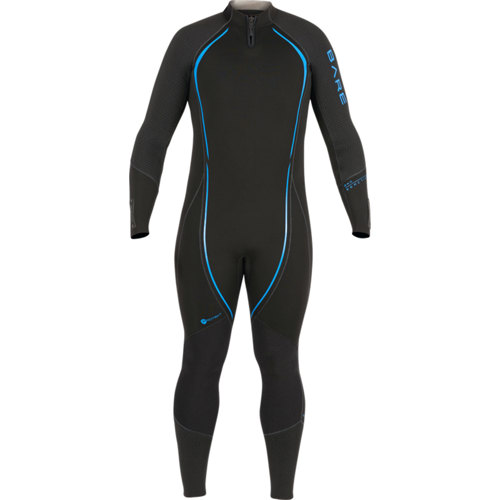
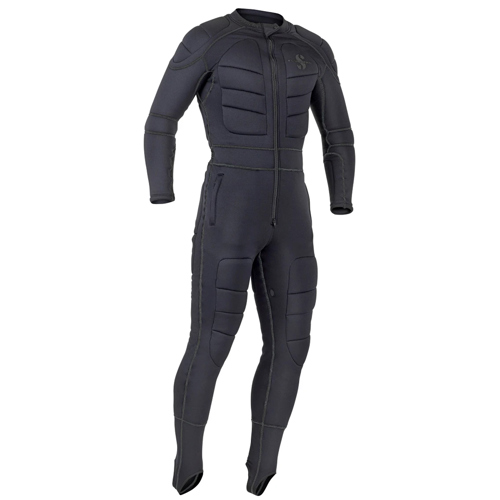
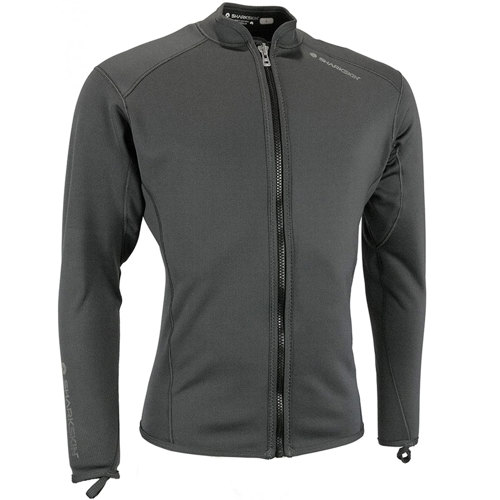
When it comes to staying comfortable and protected during cold-water dives, early spring snorkeling, or any aquatic adventure where temperatures dip, insulated underlayers are an essential part of your gear. Often referred to as thermal base layers, these garments are designed to be worn next to the skin, forming the foundation of a smart layering system. They work by trapping your body heat while simultaneously wicking away moisture, ensuring you remain warm and dry no matter how challenging the conditions. Whether you’re slipping into a wetsuit for a March dive off the best coast pairings, prepping for a long day of underwater photography, or simply want to extend your season on the water, the right underlayer makes all the difference. Materials like merino wool offer natural temperature regulation and odor resistance, which is perfect for multi-day trips or repeated use, while advanced synthetics such as polyester and polypropylene provide outstanding moisture management and quick-drying properties. Fleece-lined options add an extra layer of insulation, ideal for those who feel the cold more acutely or are planning to be submerged for extended periods.
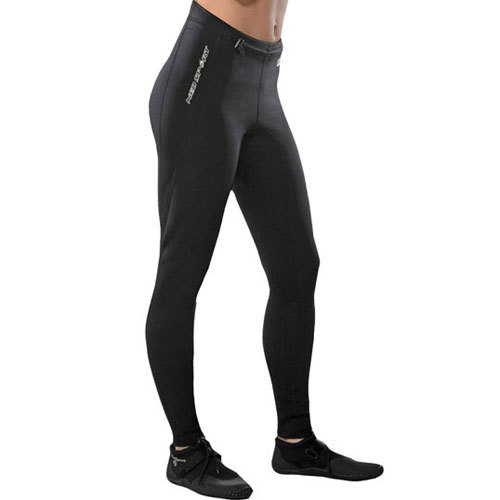
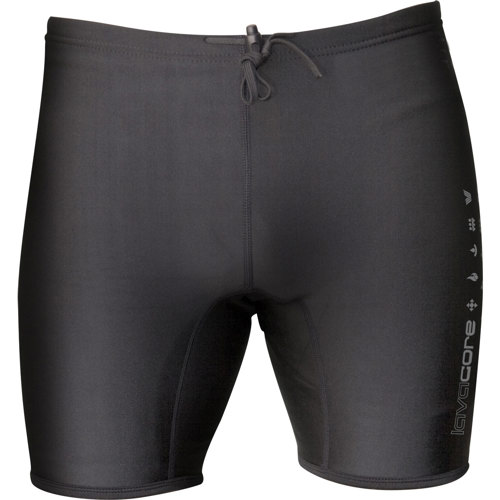
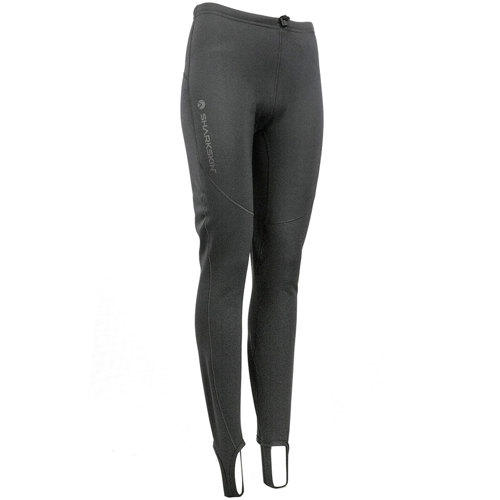
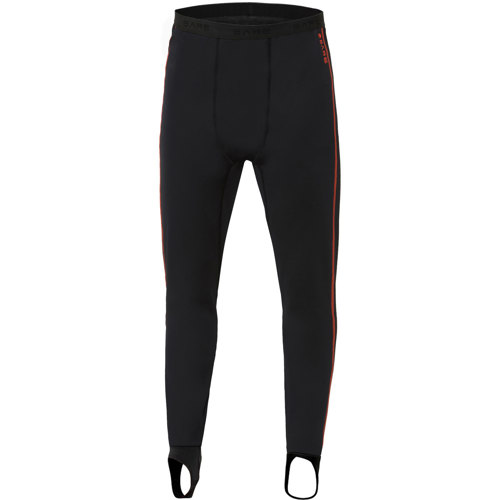
Insulated underlayers aren’t just for divers, either. They’re a thoughtful gift for anyone who enjoys winter water sports, cold-weather kayaking, or even hiking along blustery coastlines. The versatility of these garments means they transition seamlessly from underwater adventures to topside activities—think layering beneath a drysuit for a brisk morning paddle, or under ski gear for a day on the slopes. Seasoned divers know the value of a reliable base layer: it can mean the difference between a memorable dive and an uncomfortable, chilly experience. If you’re shopping for someone who’s just getting into cold-water diving or a seasoned explorer looking to upgrade their kit, insulated underlayers are a practical and appreciated addition. With options available in various weights and thicknesses, it’s easy to tailor your selection to the specific conditions and personal preferences—lightweight for brisk spring mornings, midweight for fluctuating temperatures, and heavyweight for the coldest environments. Many divers also pair their tops with specialized
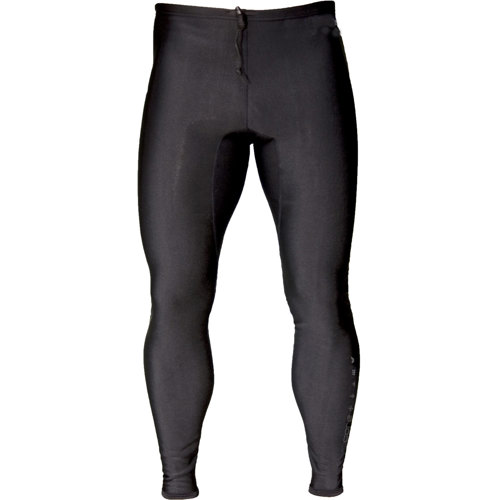
Insulated Layering Pants for full-body warmth and comfort, ensuring every part of their body is shielded from the chill.
Choosing the right insulated underlayer involves considering not just warmth, but also fit and mobility. A good underlayer should be snug without restricting movement, allowing for a full range of motion whether you’re adjusting your mask, swimming through kelp forests, or maneuvering your fins along a reef. Look for flatlock seams to minimize chafing, and pay attention to features like thumbholes and extended cuffs for added coverage under gloves or wrist seals. For those who spend long hours in the water, a titanium guard woven into the fabric can provide an extra barrier against heat loss, making a noticeable difference on longer dives or in frigid conditions. As we move through March and into the unpredictable weather of early spring, insulated underlayers become even more valuable, offering reliable warmth on days when the water temperature lags behind the air. Whether you’re building your own cold-water kit or searching for a gift that will be used and appreciated for years, these garments are a cornerstone of comfort, safety, and enjoyment in any aquatic or outdoor setting.