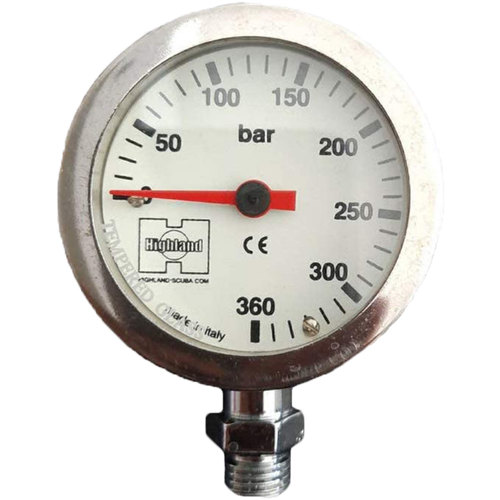
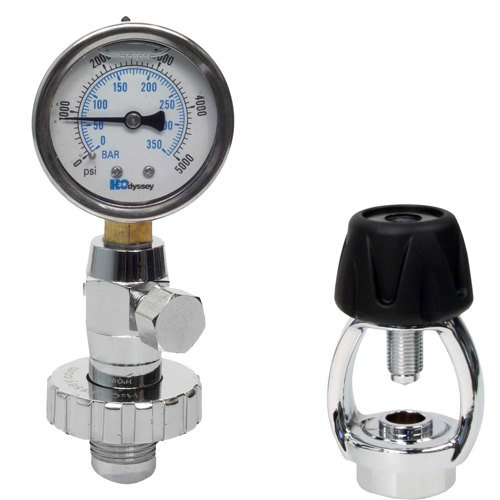
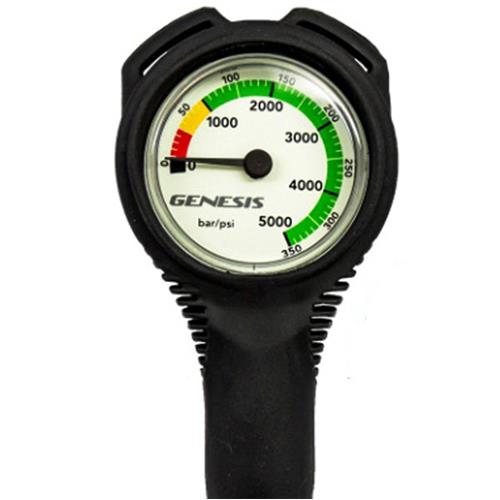
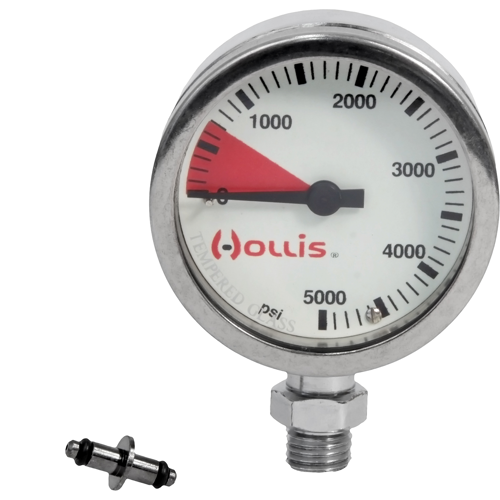
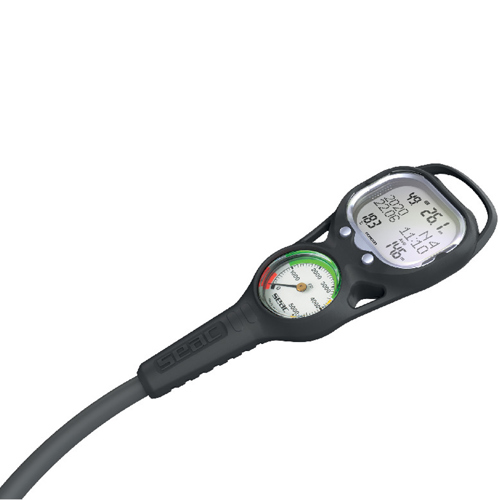
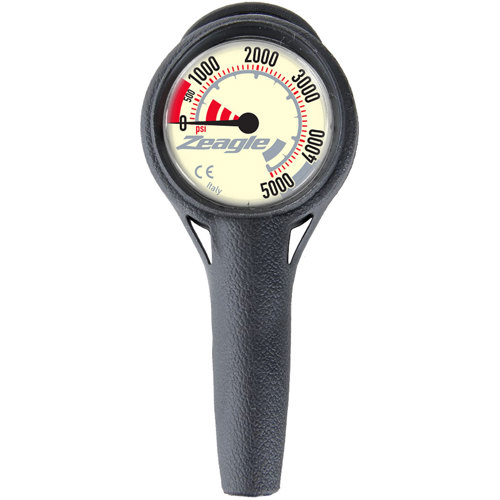
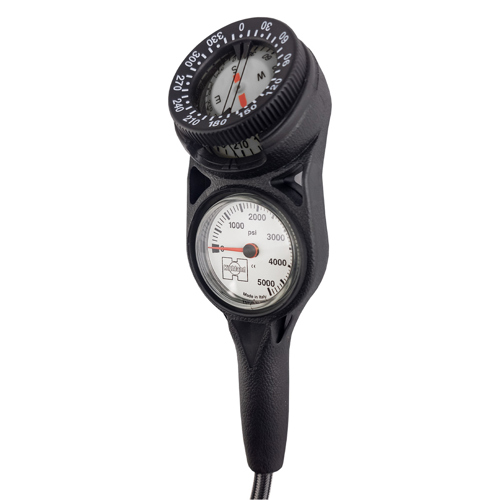
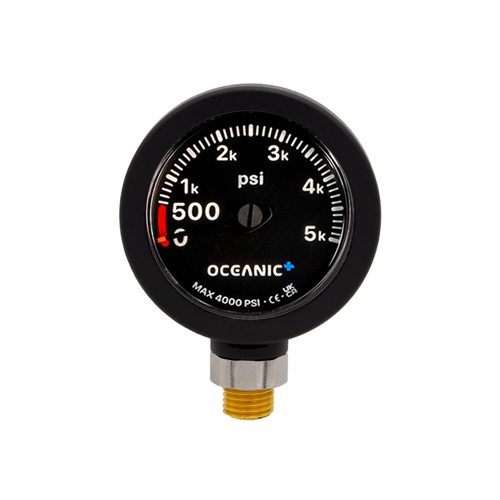
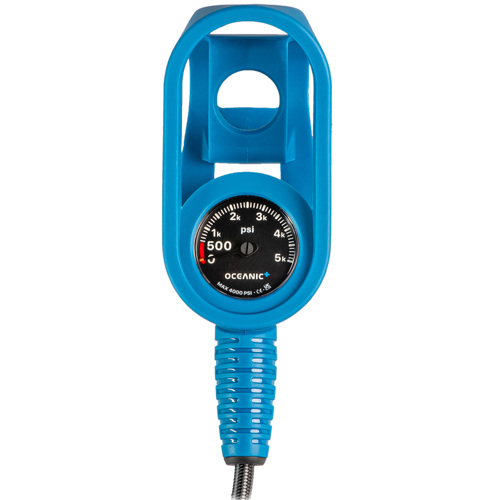
Industrial pressure gauges are the unsung heroes of countless operations, from bustling manufacturing floors to the quiet hum of research laboratories and the demanding environments of subsea exploration. These devices play a critical role in ensuring safety and efficiency by providing accurate, real-time measurements of gas and liquid pressures in various systems. Whether you’re overseeing a chemical process plant, maintaining hydraulic equipment, or managing HVAC systems in large facilities, selecting the right industrial pressure gauge is a vital step in protecting both personnel and equipment. The diversity of industrial gauges available today means there is a solution for nearly every application, from robust analog Bourdon tube models that withstand vibration and shock, to advanced digital gauges offering high-precision readouts and data logging for regulatory compliance or process optimization. For those working in environments where vibration is an issue—such as near heavy machinery or in mobile installations—liquid-filled gauges are invaluable for dampening needle fluctuation and ensuring consistent readings, even in the most challenging conditions.
As the weather warms and projects ramp up across industries, the need for reliable pressure measurement often becomes more pronounced. Maintenance teams may find themselves upgrading systems or replacing aging gauges to prepare for increased operational loads, while engineers and technicians working on new installations seek durable, accurate instruments that can handle the rigors of summer production cycles and beyond. Materials matter: stainless steel and Monel options are popular for their resistance to corrosion, especially in marine or chemical applications, while brass remains a cost-effective choice for less aggressive environments. Subsea pressure gauges, in particular, are engineered to withstand the immense pressures and corrosive effects found in underwater settings, making them essential for offshore energy, marine research, and even some specialized diving operations. Industrial pressure gauges also make thoughtful gifts for professionals and hobbyists alike—think of the mechanical engineer fine-tuning a home workshop, or the technician who takes pride in keeping equipment running smoothly. The right gauge not only delivers peace of mind but can also extend the life of expensive machinery by providing early warning of pressure anomalies.
When choosing an industrial pressure gauge, it’s important to consider the pressure range, ensuring that the maximum operating pressure of your system sits comfortably between 50% and 75% of the gauge’s full scale to avoid over-pressure damage and maintain accuracy. Compatibility with the media being measured—whether it’s air, water, oil, or a more aggressive chemical—dictates the appropriate material for wetted parts, while the environment (exposure to vibration, temperature extremes, or corrosive atmospheres) influences case design and fill fluid choices. Mounting options, such as bottom, lower-back, or center-back connections, as well as standard NPT threading, ensure the gauge fits seamlessly into your setup. For those seeking a comprehensive overview of available options, our curated list of
Pressure Gauges offers a starting point to explore models suited to both general industrial use and specialized applications, so you can find the right solution for your unique needs as the seasons transition from early summer through the cooler months of fall. Whether you’re outfitting a new facility, upgrading existing systems, or searching for a practical and appreciated gift, investing in quality industrial pressure gauges is a decision that pays dividends in safety, reliability, and operational peace of mind.