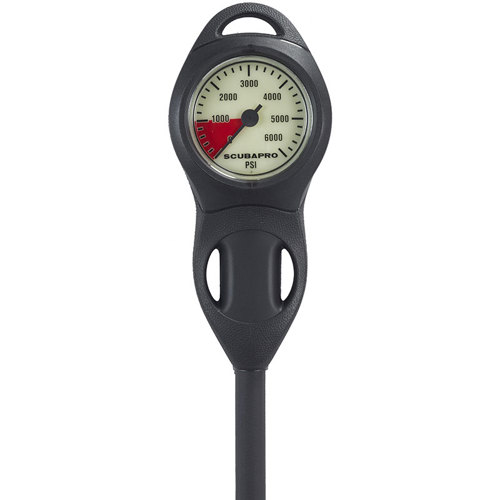
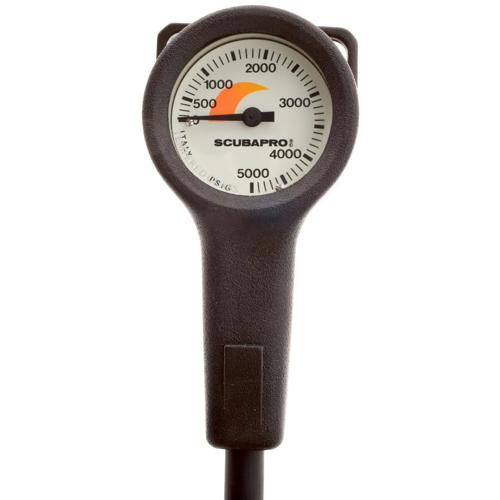
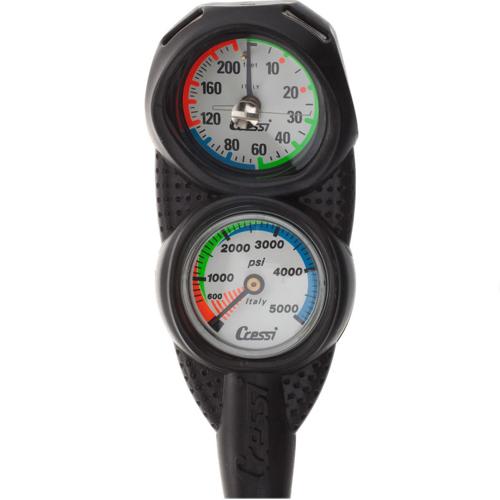
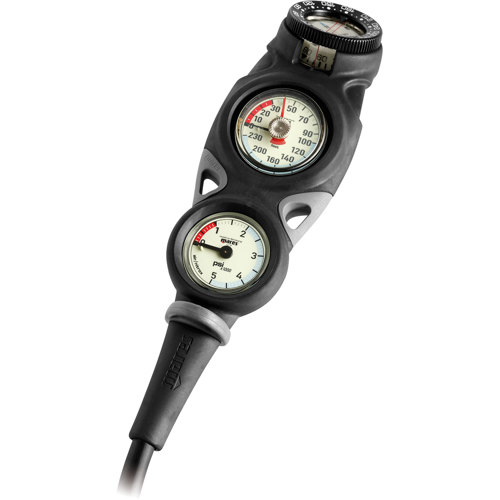
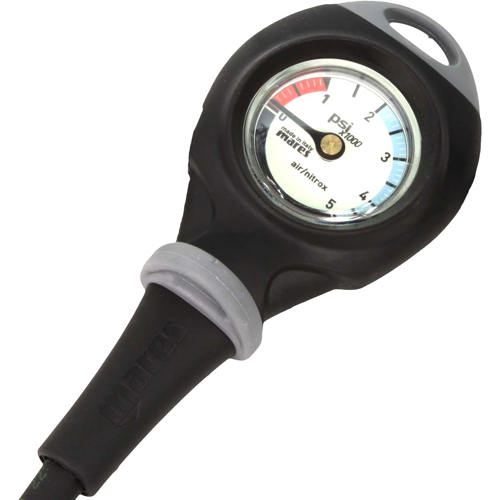
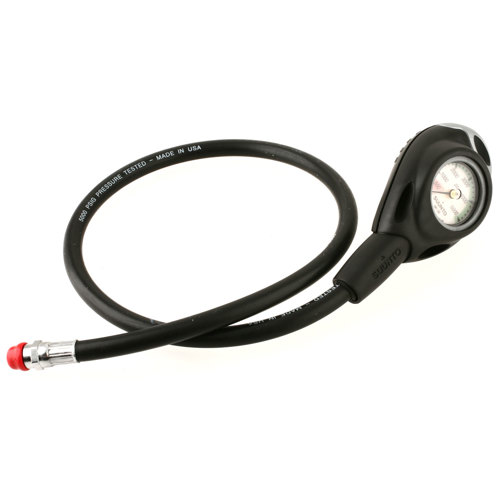
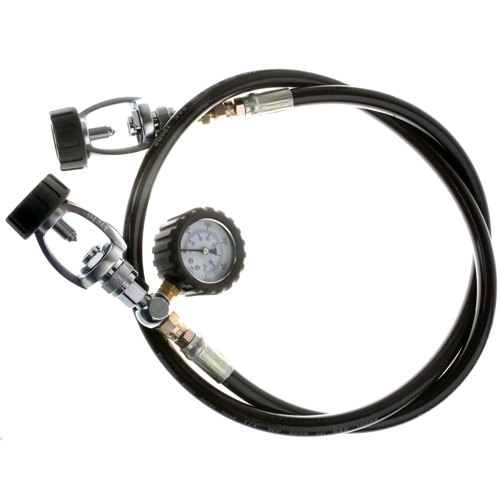
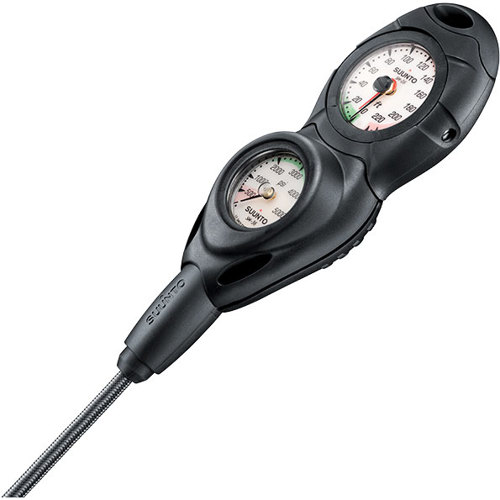
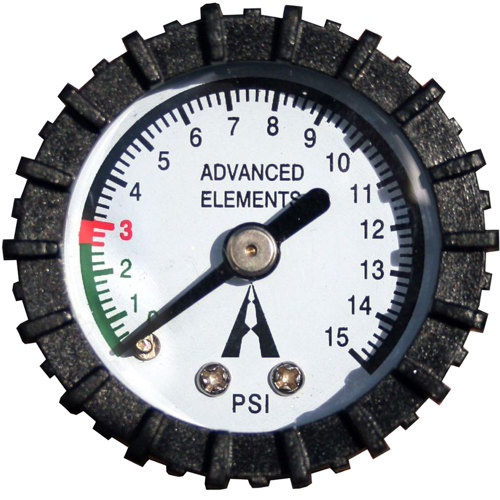
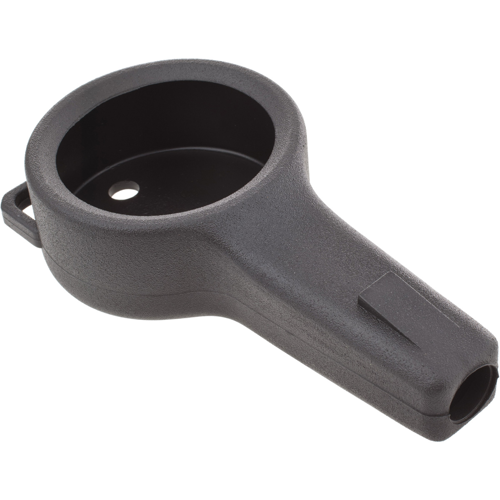
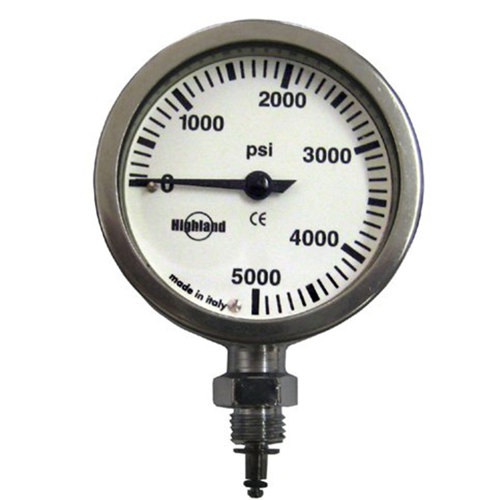
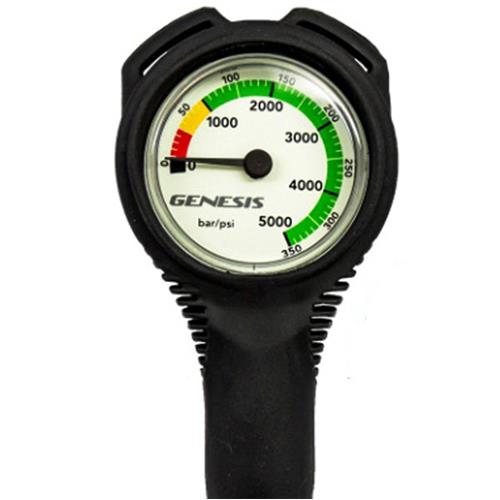
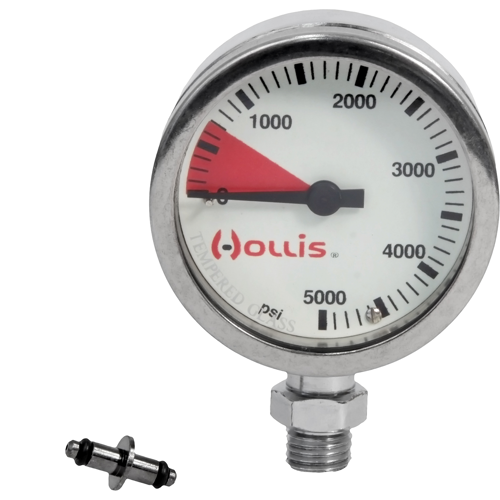
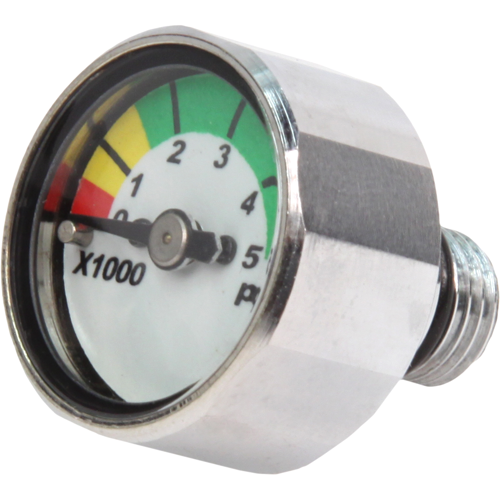
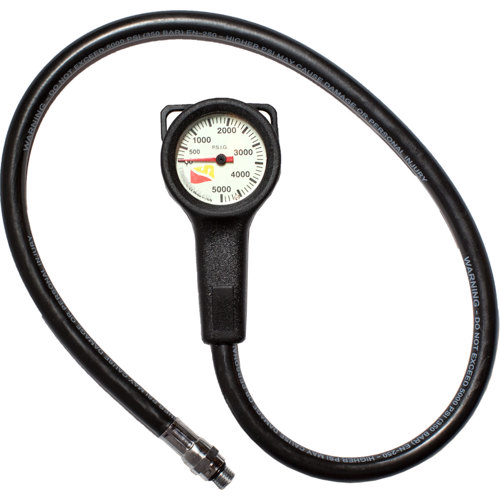
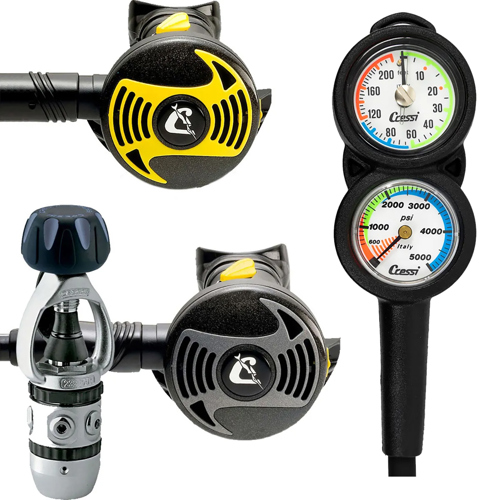
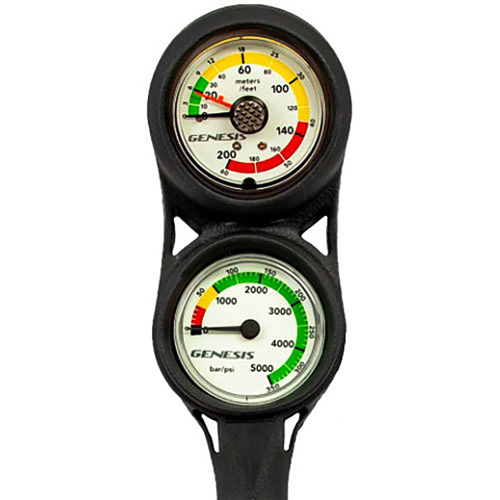
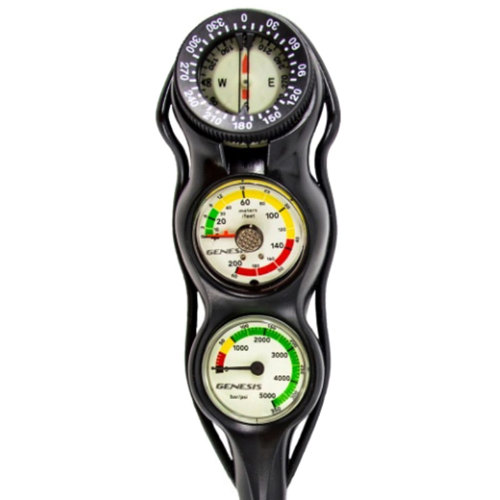
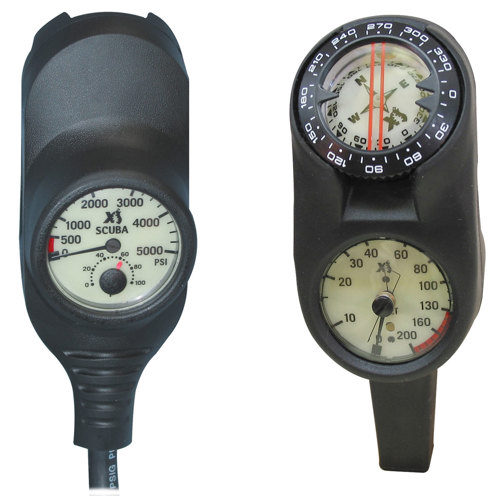
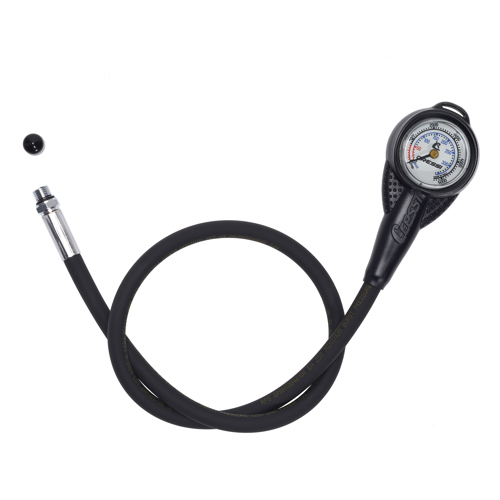
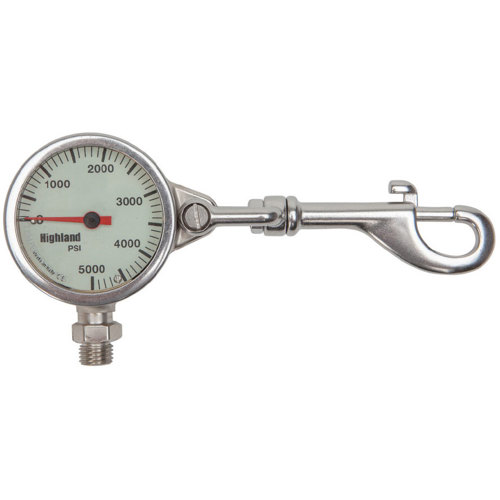
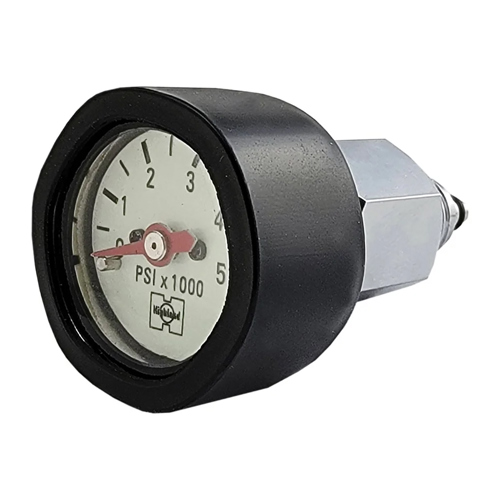
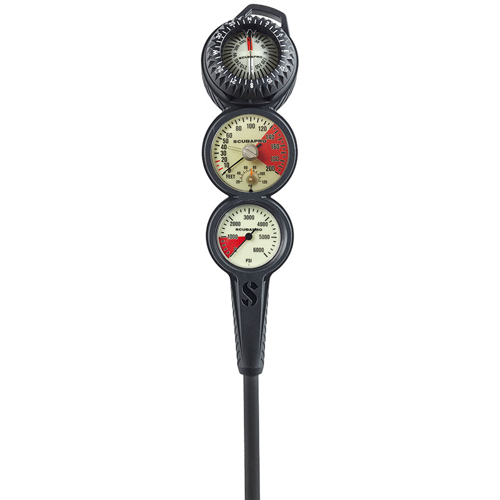
Analog pressure gauges remain a vital tool for divers, marine professionals, and underwater enthusiasts who rely on straightforward, mechanical accuracy in demanding environments. These gauges, utilizing a tried-and-true Bourdon tube or diaphragm mechanism, are designed to provide a real-time, visual readout of pressure without the need for batteries or external power. This makes them especially valued in situations where reliability and simplicity are paramount—such as on a dive boat prepping gear for a weekend trip, or during an early morning check before a training session at the local quarry. Analog gauges are often chosen for their ruggedness and ease of use, offering a clear, immediate reading that can be understood at a glance, even in low-light or fast-paced conditions. Their construction, typically featuring brass, bronze, or stainless steel wetted parts, ensures compatibility with saltwater and various gas blends, while the option of liquid-filled housings dampens vibration and needle flutter—crucial features when working around compressors, heavy equipment, or in choppy waters.
When selecting an analog pressure gauge, several practical considerations come into play. The pressure range is paramount; for safety and longevity, it’s recommended to choose a gauge with a maximum reading roughly double your usual operating pressure. This helps prevent over-stressing the Bourdon tube and ensures more accurate readings over time. Accuracy classes vary, with most analog gauges falling between ±1% and ±3% of full scale, making them suitable for a wide range of recreational and professional applications. Mounting style—whether bottom or back connection—can influence installation on consoles, panels, or handheld setups, so it’s worth considering how and where the gauge will be used most frequently. For environments with high vibration or shock, such as on RIBs or dive support vessels, liquid-filled gauges are a wise choice, as the internal damping fluid (often glycerin or silicone) stabilizes the needle for easier reading and longer service life. On the other hand, dry gauges offer a lightweight, cost-effective solution for more controlled settings. Material compatibility is another key factor; stainless steel models are often preferred for their corrosion resistance, especially in saltwater or when exposed to aggressive cleaning agents.
Analog pressure gauges also make thoughtful and practical gifts for anyone passionate about diving, boating, or underwater exploration. Whether it’s a new diver assembling their first gear kit, a seasoned instructor upgrading their backup equipment, or a technical diver seeking a robust tool for redundant pressure monitoring, a quality analog gauge is both a useful and appreciated addition. As the weather warms and dive season picks up, these gauges become essential companions—tucked into gear bags, clipped to BCs, or mounted on fill stations—offering peace of mind with every trip beneath the surface. Their mechanical operation means there’s no worry about dead batteries or electronic failures at depth, and their straightforward design makes them easy to maintain and recalibrate as needed. For those interested in exploring more specialized or heavy-duty options, including models rated for higher pressures or more extreme conditions, our curated selection of
High Pressure Gauges provides additional choices tailored to demanding environments. Whether you’re gearing up for summer adventures or preparing for year-round underwater work, an analog pressure gauge remains a reliable, indispensable part of your toolkit—trusted by divers and professionals alike for generations.