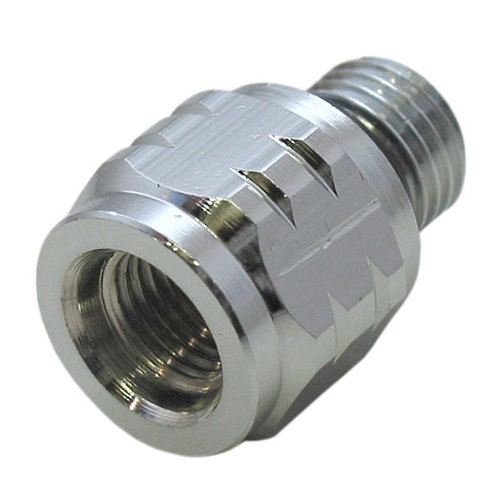
Pressure Gauges
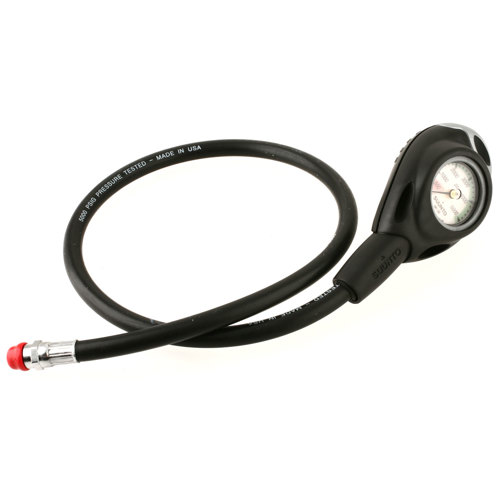
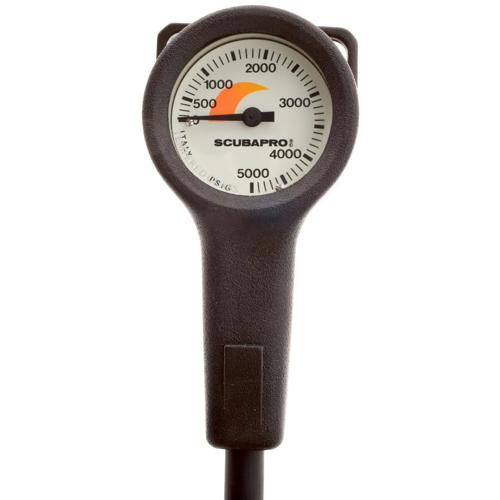
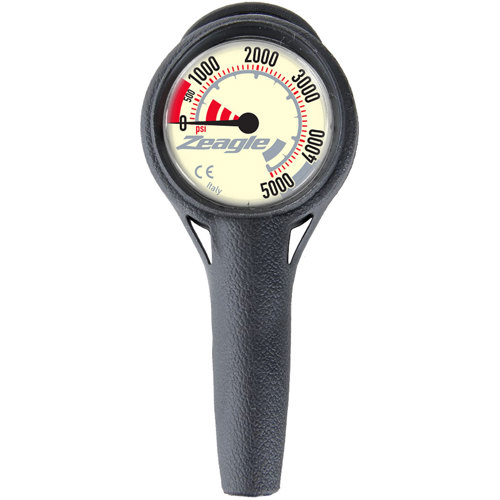
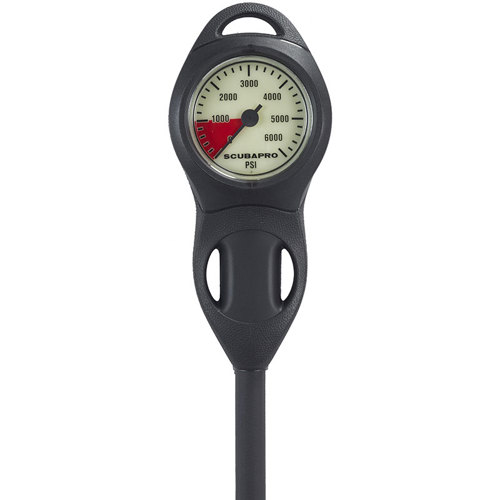
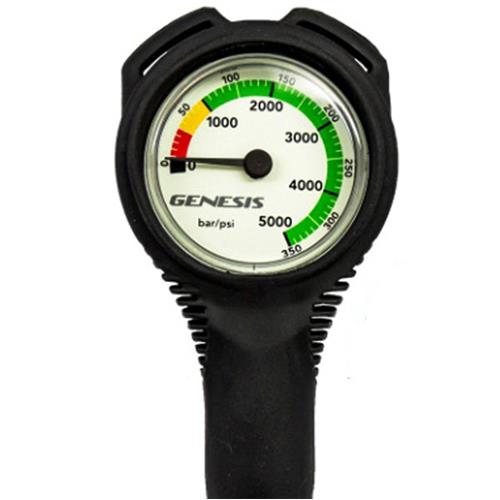
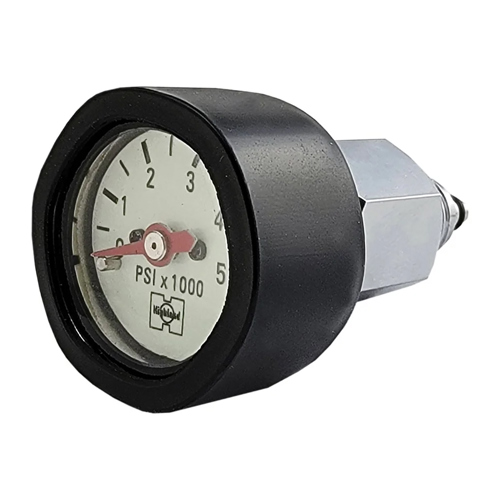
Whether you’re gearing up for your first open water adventure or preparing for another season of deep dives, understanding the vital role of a pressure gauge in scuba diving is key to both safety and enjoyment. A pressure gauge—sometimes called a pressure gauge scuba diving instrument or scuba tank pressure gauge—serves as your direct line of communication with your air supply. It’s the one device you’ll check more than any other during a dive, offering real-time readings of the remaining air pressure in your tank. This constant feedback is essential for planning your dive profile, managing your ascent, and ensuring you return to the surface with a safe reserve of air. For those who dive year-round, February often brings cooler water temperatures and shifting conditions, making accurate monitoring even more crucial. A reliable underwater pressure gauge provides peace of mind, whether you’re exploring a kelp forest off the California coast or navigating the vibrant reefs in tropical waters. The tactile satisfaction of glancing at a sturdy analog dial or the crisp clarity of a digital readout is something every diver comes to rely on, especially as experience grows and dive profiles become more ambitious.
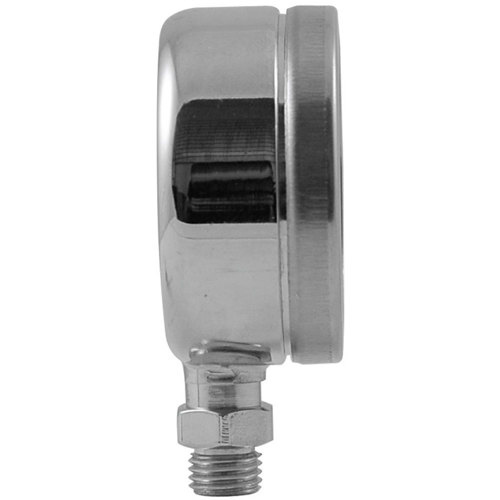
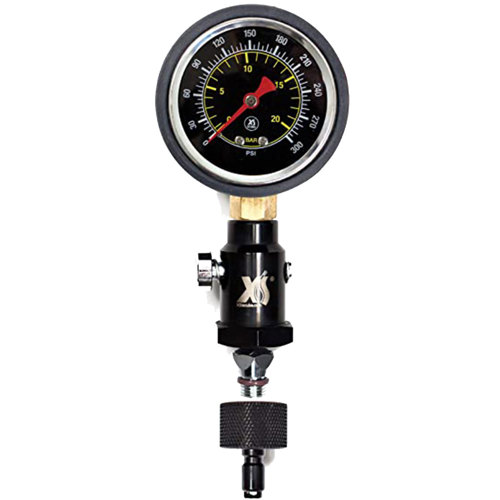
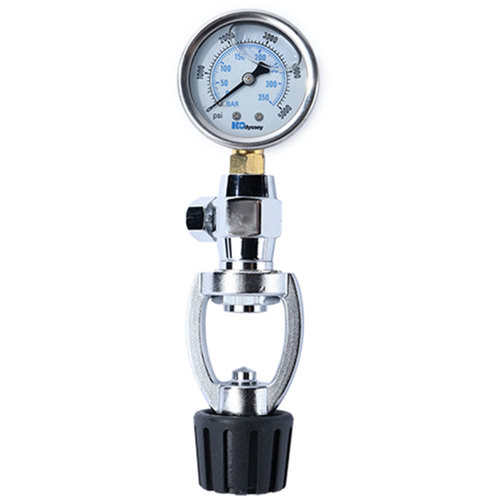
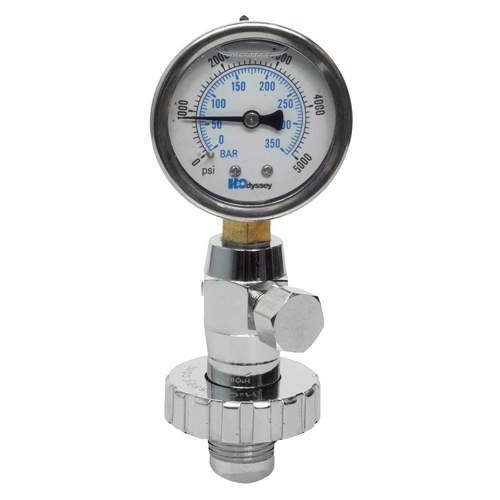
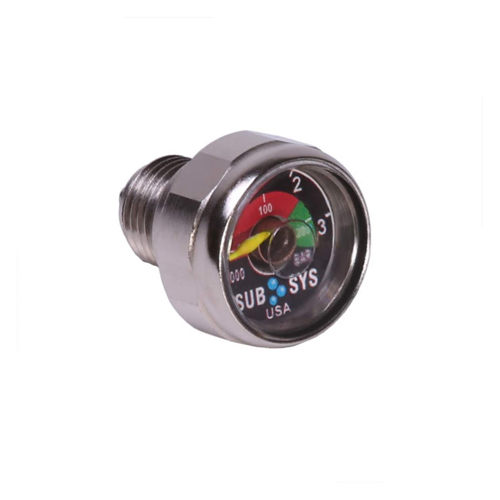
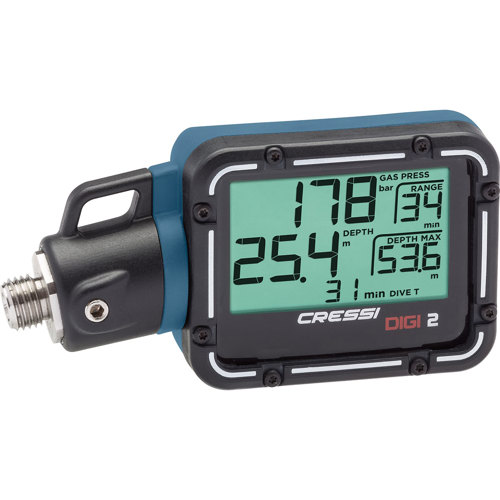
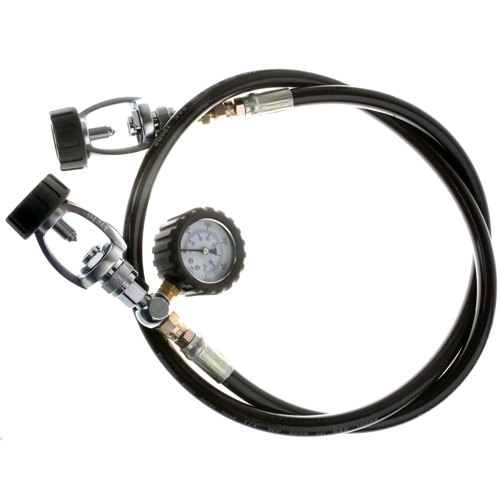
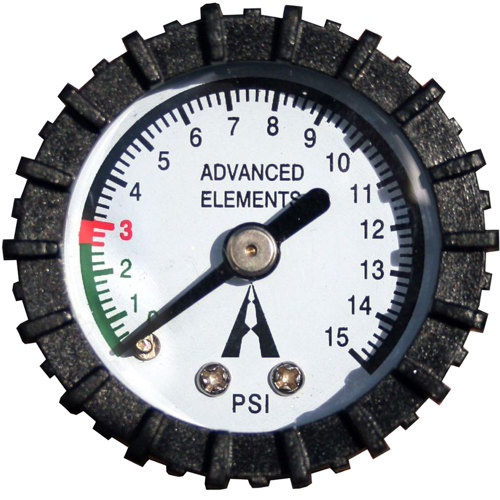
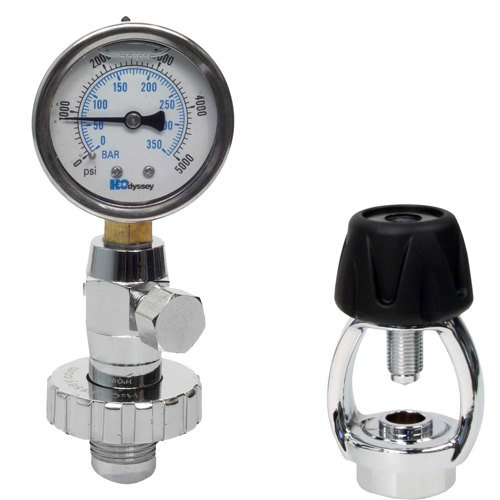
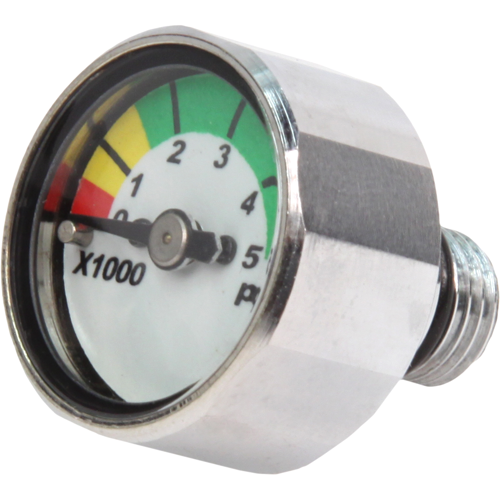
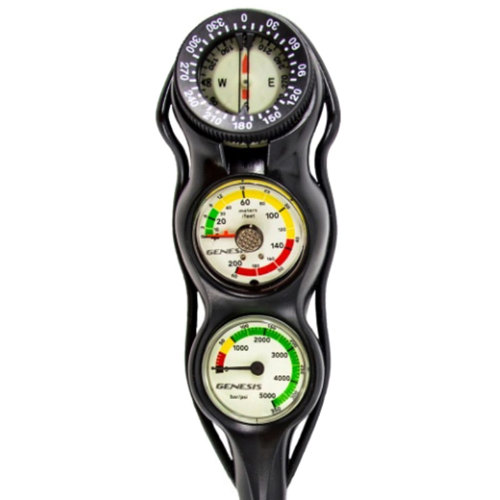
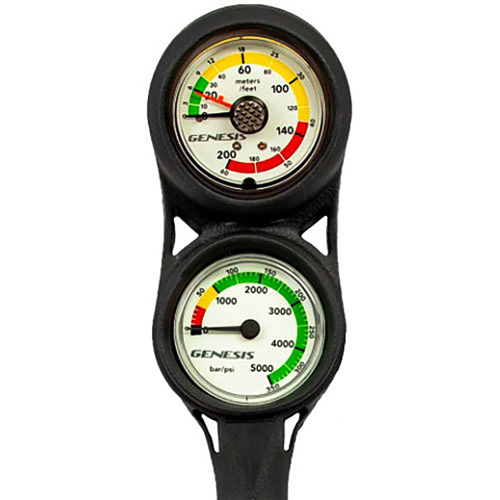
Selecting the right scuba diving pressure gauge involves considering several important factors. The most common design is the Bourdon tube gauge, which translates tank pressure into a mechanical pointer movement, giving you a clear and immediate reading. These gauges are often filled with glycerin or another liquid to dampen vibrations—a feature that’s especially valuable in choppy conditions or when diving from a boat. Digital models, on the other hand, provide high-precision readouts and sometimes additional features like backlighting or integration with dive computers. When choosing a gauge, it’s wise to select one with a maximum range that’s about 1.5 to 2 times your usual working pressure, ensuring that your normal operating range sits comfortably in the middle third of the scale for the most accurate readings. Subsea pressure gauges come in both compact and oversized formats, with some designed for easy readability in low-visibility environments. Many divers opt for a combined console that includes a compass or depth gauge alongside the pressure gauge, streamlining their gear while maximizing utility. Gifting a high-quality pressure gauge to a new diver is a thoughtful gesture—one that signals not just care, but a shared passion for safe, confident underwater exploration. More experienced divers may appreciate an upgrade to a more advanced or rugged gauge as they branch out into technical or cold-water diving, where precision and reliability are even more critical.
No matter your level of experience, a dependable underwater pressure gauge is the cornerstone of responsible diving. It’s a tool that grows with you, from the first tentative breaths underwater to complex, multi-tank dives. In the colder months, when equipment is put to the test by lower temperatures and thicker gloves, the importance of a clear, easy-to-read display becomes all the more apparent. Regular inspection and maintenance—checking for cracks in the lens, corrosion on fittings, or stiffness in the needle—will help extend the life of your gauge and keep it performing at its best. For those interested in exploring the broader world of pressure instrumentation, our collection of
Pressure Measuring Devices offers a comprehensive look at the options available, from classic analog designs to the latest digital innovations. Whether you’re shopping for yourself or searching for the perfect gift for a dive buddy, investing in a quality scuba diving pressure gauge is a decision that pays dividends every time you descend beneath the waves.