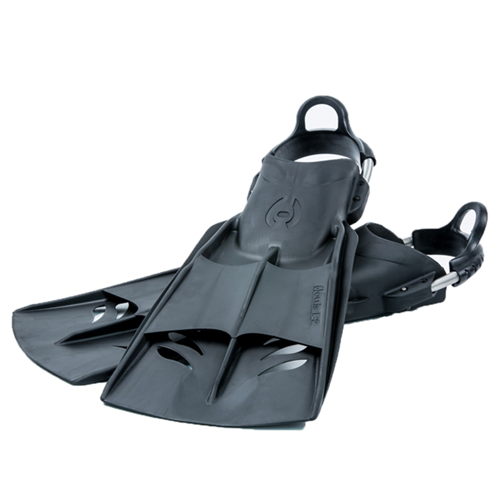
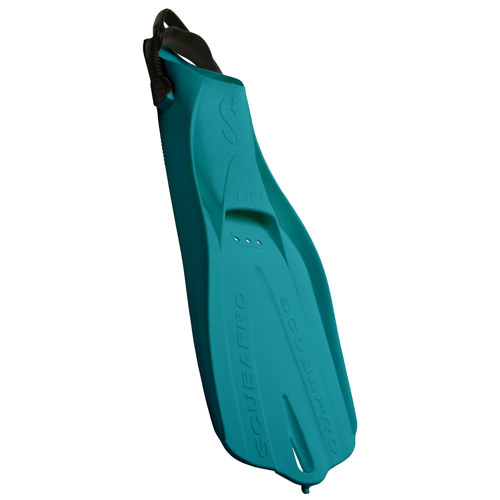
When considering the right fins for your aquatic adventures, Ideal Flexion Fins stand out for their unique blend of flexibility and performance, catering to both dedicated surfers and passionate swimmers. The hallmark of these fins lies in their carefully engineered flex, often achieved through high-quality fiberglass or premium rubber materials, which allows them to bend and spring back during dynamic movements. For surfers, especially those who favor longboards or mid-size boards with 2+1 setups, this flexibility translates into a lively, responsive ride. Imagine carving smooth, flowing lines on a glassy February morning, the water crisp and invigorating, your board gliding effortlessly as the fins bend and release, providing that extra drive through each turn. The sensation is one of heightened control and acceleration, the board feeling almost weightless underfoot, ready to respond to every nuance of your stance and intention. These fins are particularly appreciated by those who seek to enhance their maneuverability, adding a playful, whippy feel that brings out the best in rolling, consistent waves. However, experienced users know that in smaller or choppier surf, the flex can feel a bit soft, so some may opt for a stiffer fin in those conditions. The versatility of Ideal Flexion Fins makes them a favorite among surfers who value adaptability and a more expressive, flowing approach to wave riding.
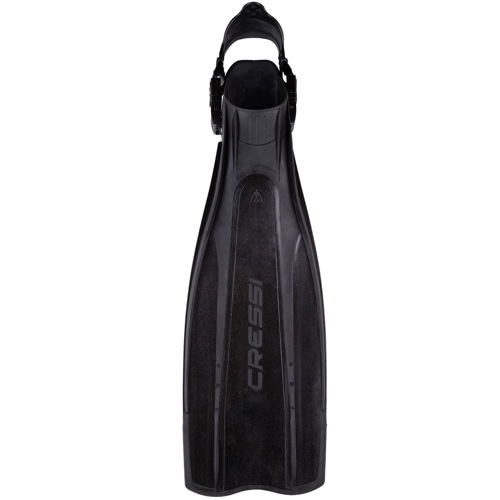
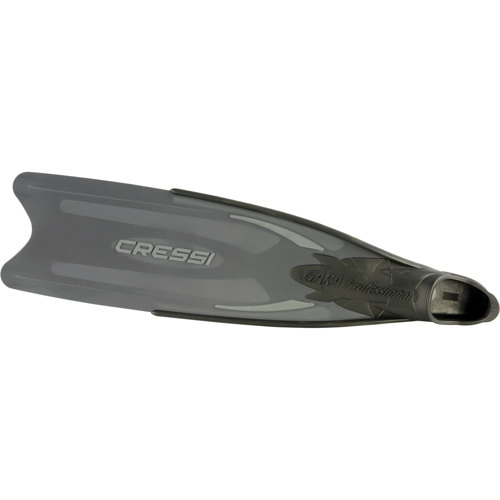
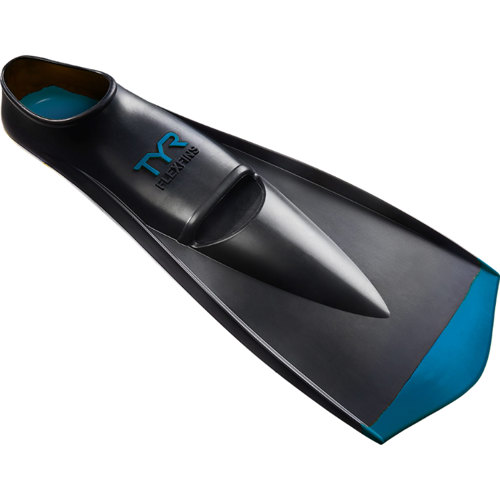
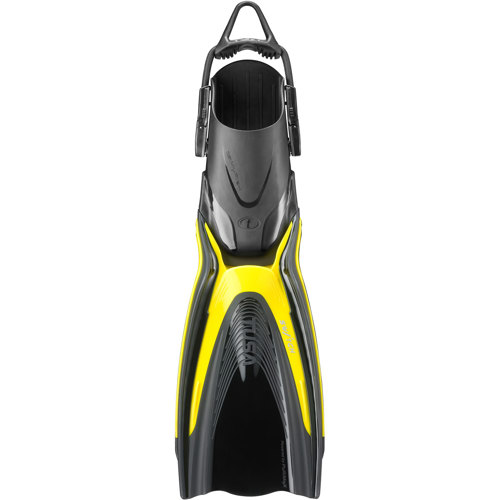
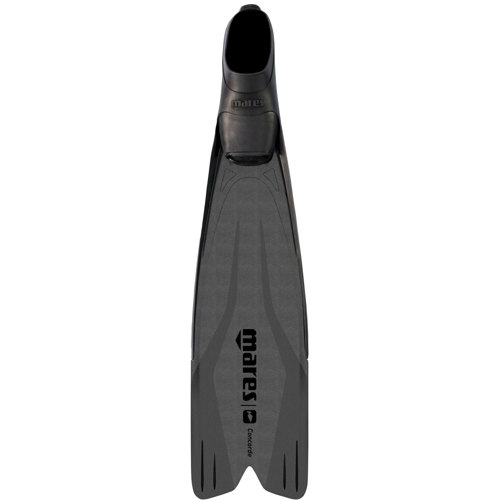
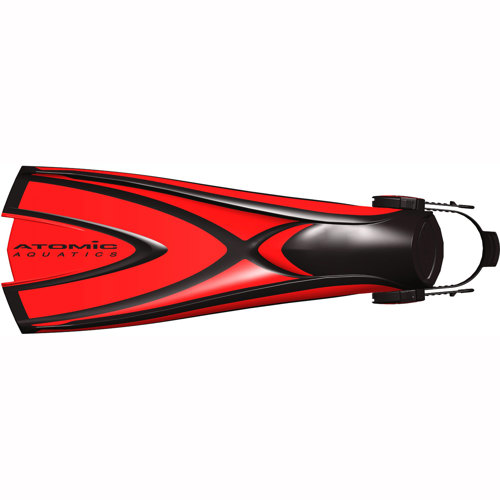
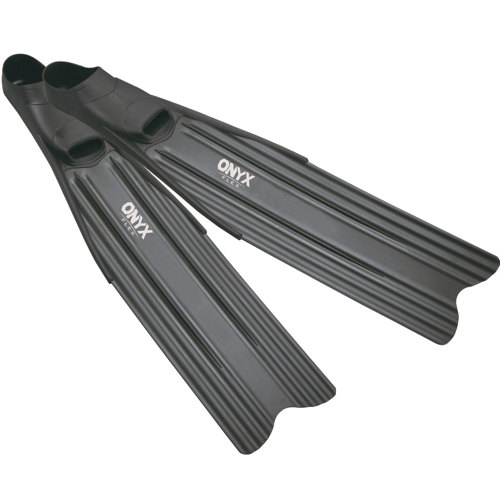
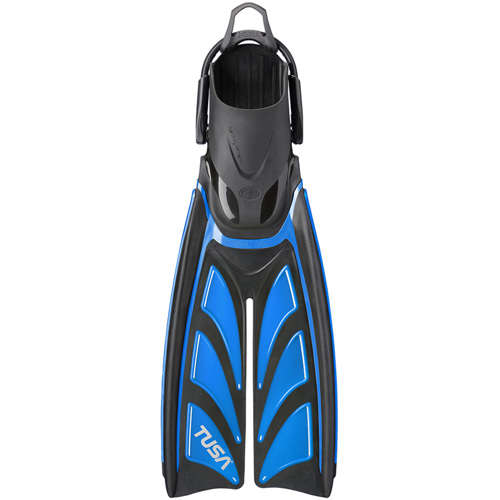
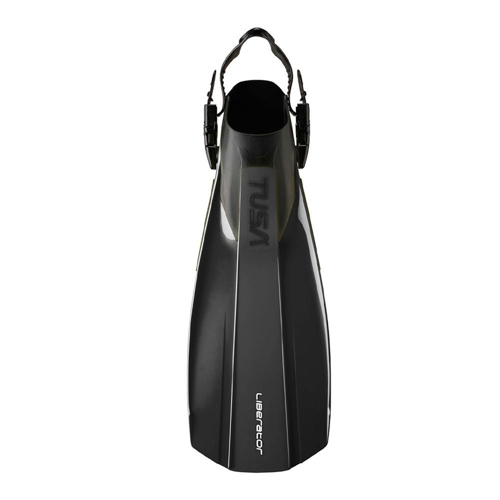
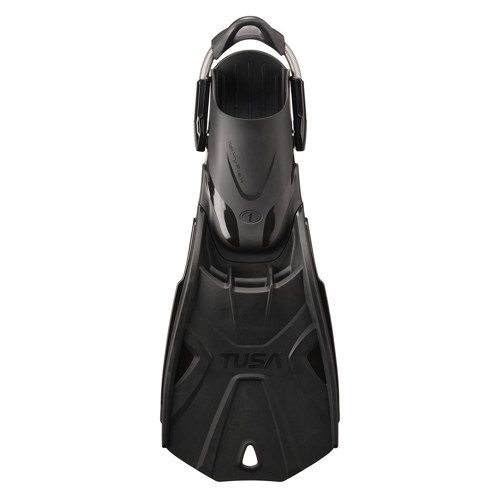
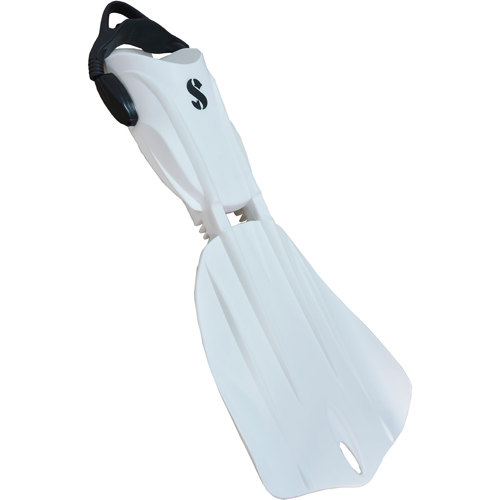
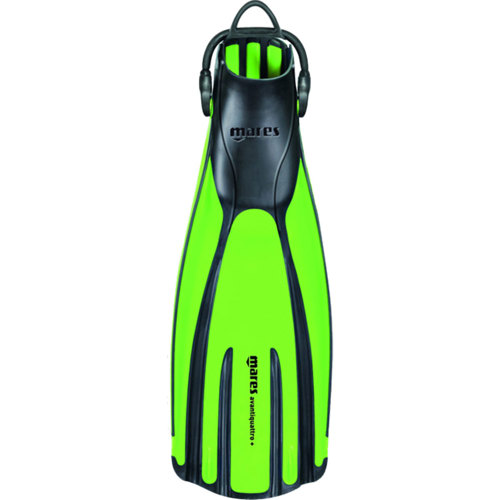
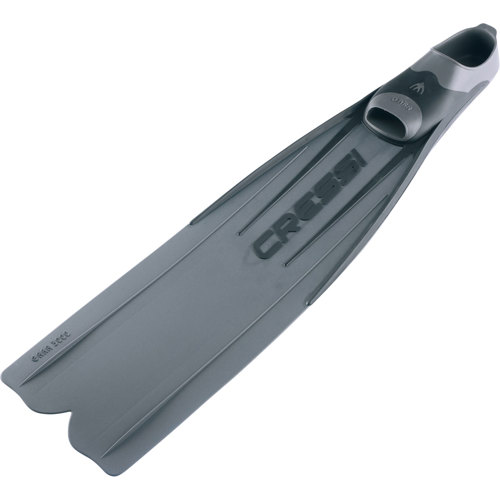
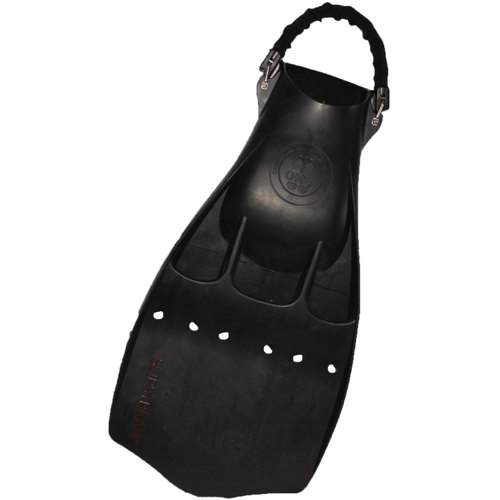
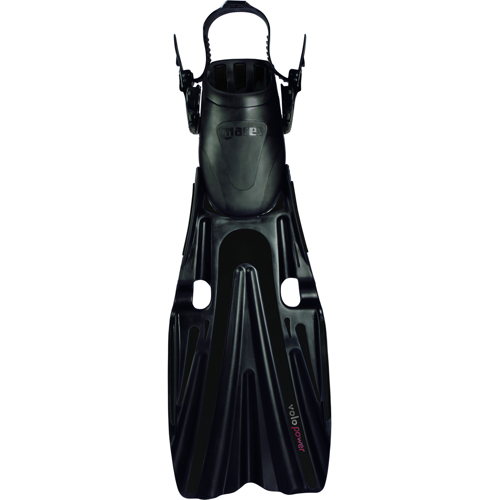
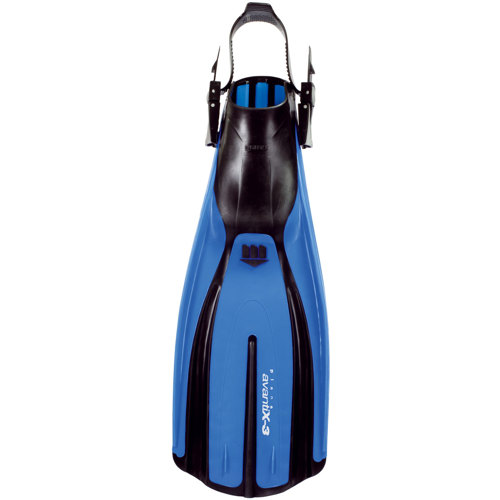
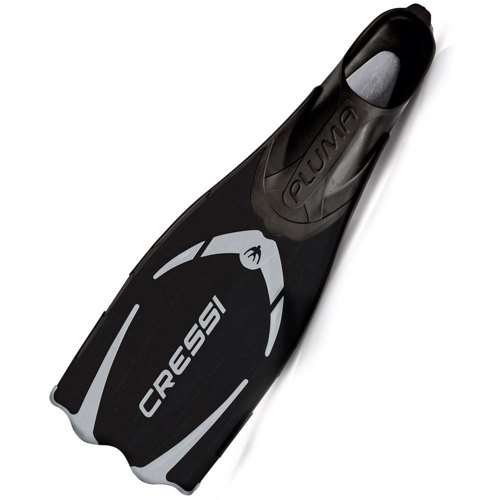
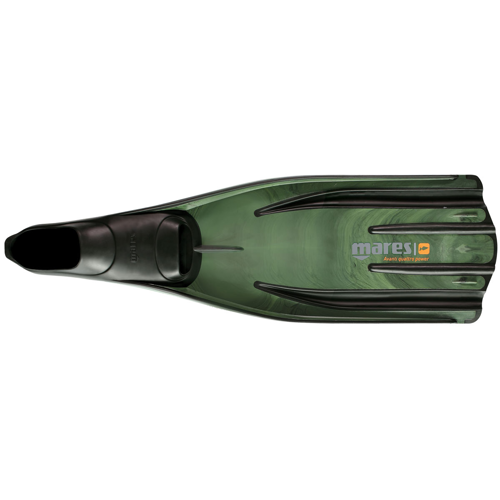
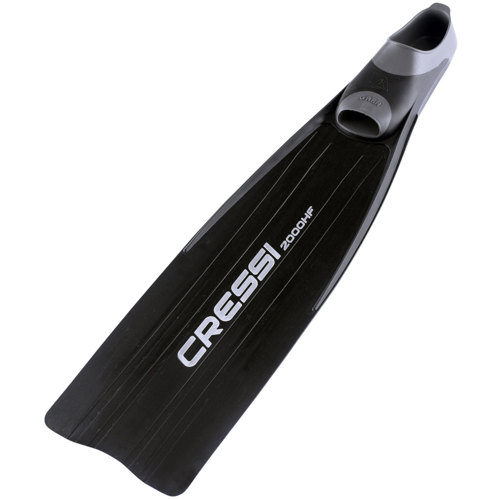
Beyond surfing, Ideal Flexion Fins have found a devoted following among swimmers and snorkelers, especially those focused on training and building leg strength. The full-foot, open-toe design, often crafted from 100% rubber, provides a comfortable and secure fit, ideal for extended sessions in the pool or open water. Picture slipping into these fins on a brisk winter afternoon, the anticipation of a powerful swim propelling you forward as the fins channel your energy into each kick. The moderate flex encourages proper technique, helping swimmers develop muscle memory while reducing the risk of strain or fatigue. For those new to the sport, as well as seasoned athletes looking to refine their skills, these fins offer a balanced resistance that supports both endurance and speed training. They also make thoughtful gifts for water-loving friends or family members—imagine the delight of a budding swimmer or dedicated diver unwrapping a pair of high-quality fins, ready to elevate their underwater experience. Whether used for improving lap times, exploring vibrant reefs, or simply enjoying the meditative rhythm of the water, Ideal Flexion Fins are a practical and rewarding addition to any aquatic gear collection.
Selecting the right pair involves considering factors such as intended use, fit, and the typical water conditions you'll encounter. For surfers, matching the fin’s flex profile to your board and the local break can make all the difference in performance and enjoyment. Swimmers and snorkelers should look for a snug, comfortable fit that minimizes chafing and ensures efficient power transfer. As winter transitions into spring, many enthusiasts find this an ideal time to refresh their gear, taking advantage of quieter beaches and pools to fine-tune their technique or simply savor the tranquility of the off-season. For those interested in exploring other fin options that prioritize efficient propulsion and leg comfort, the
Optimum Kick Fins page offers a curated selection tailored for maximum kick efficiency. Whether you’re chasing the perfect wave, training for your next open water swim, or seeking a thoughtful gift for an aquatic adventurer, Ideal Flexion Fins provide the versatility, comfort, and performance needed to make every session in the water memorable.