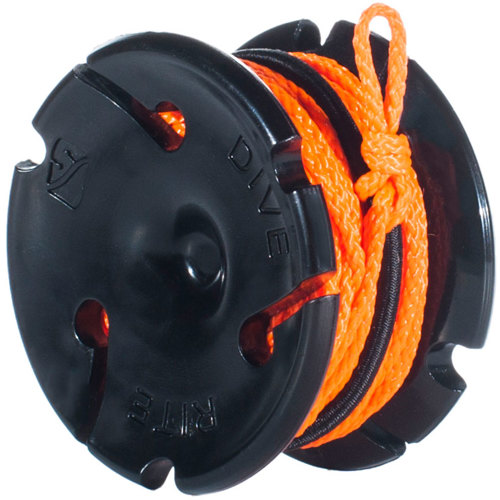
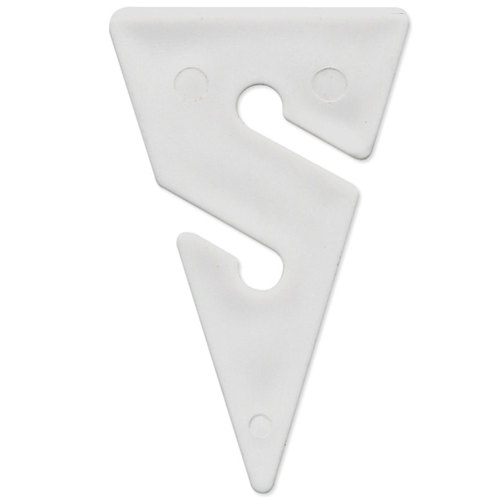
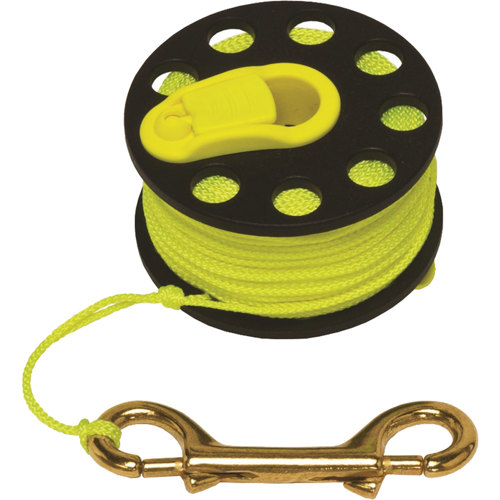
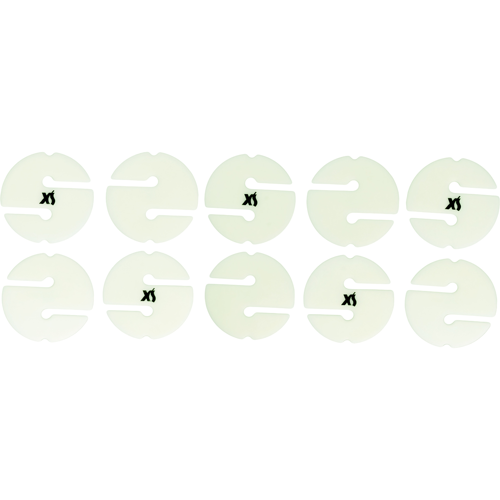
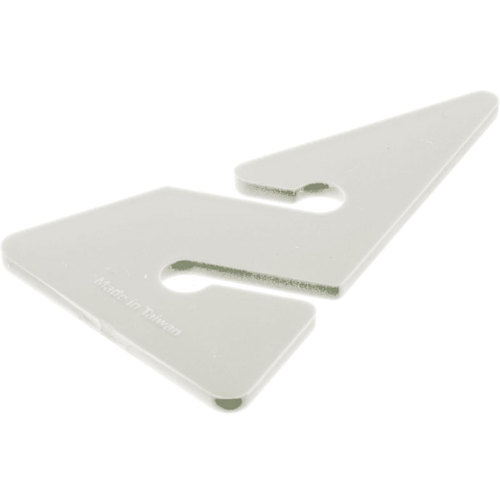
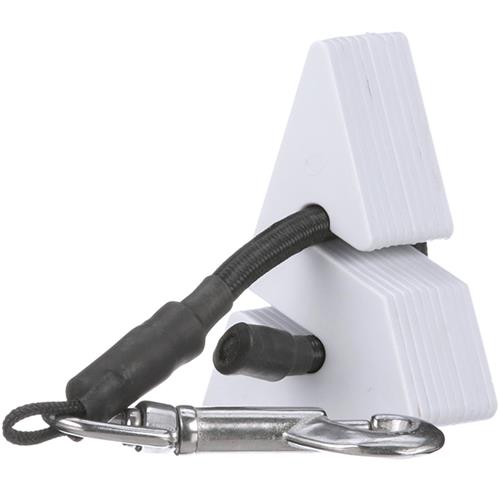
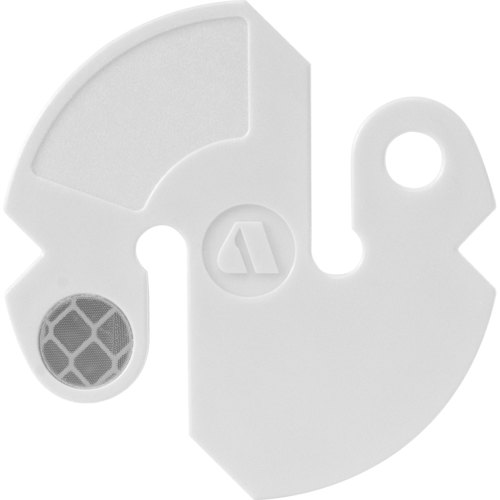
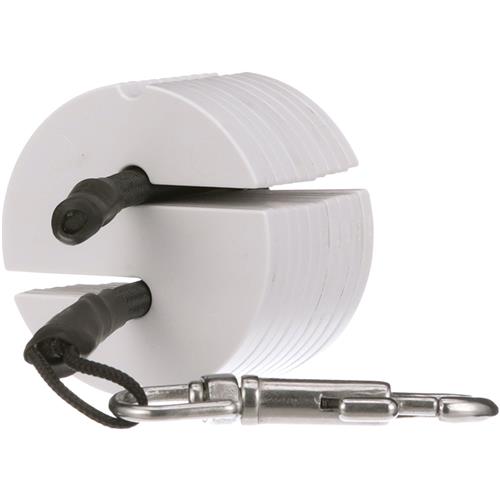
Technical diving line markers are indispensable tools for divers exploring overhead environments such as caves and shipwrecks, where navigation is critical and visibility can change in an instant. These markers—commonly known as arrows, cookies, and REMs (Reference Exit Markers)—are designed to provide clear, tactile, and visual cues along guideline systems, ensuring divers can find their way even in silted-out or zero-visibility conditions. The design of each marker serves a specific purpose: directional arrows point the way to the nearest exit, their isosceles triangle shape unmistakable to the touch even with thick gloves or in pitch darkness. Line cookies, which are round and non-directional, are often used to mark personal reference points, team locations, or to indicate a diver’s presence at a junction. REMs or line squares, typically rectangular and often personalized, combine features of both, serving as unique identifiers and helping divers track their progress or claim a specific spot in complex navigation scenarios.
When selecting technical diving line markers, several factors come into play. Durability is paramount, as these markers must withstand repeated use, abrasion, and the harsh conditions found in underwater caves and wrecks. Most are crafted from rigid, high-impact plastic that resists wear and won’t degrade over time. Visibility is another critical consideration: brightly colored markers—white, orange, yellow, or even glow-in-the-dark—stand out against dark backgrounds and are easy to spot in low-light conditions, which is especially important during winter and early spring months when ambient light may be limited in many dive locations. The attachment method also matters; markers are designed to be securely woven onto guidelines, often with an extra wrap of line for added security, preventing accidental loss or movement. For divers who are just beginning their journey into technical diving, or for those refining their skills under the guidance of an instructor, understanding the correct placement and meaning of each marker is a vital part of training. Improper use can lead to confusion or even dangerous navigation errors, so investing in high-quality markers and practicing their deployment is essential.
Technical diving line markers make thoughtful and practical gifts for anyone training in cave or wreck diving, as well as for experienced divers looking to upgrade or personalize their gear. They are a staple in the kit of every technical diver, often collected in multiples to accommodate different sites and team configurations. With the start of spring, many divers are preparing for new adventures and revisiting favorite dive sites, making this an ideal time to review and refresh essential navigation equipment. Whether you’re assembling your first set of markers or expanding a well-worn collection, choosing the right combination of arrows, cookies, and REMs will help ensure safe, efficient, and confident navigation on every dive. For those seeking specialized options or looking to learn more about advanced marker types, our curated selection of
Professional Cave Diving Markers provides additional resources and products tailored to the unique demands of overhead technical environments.