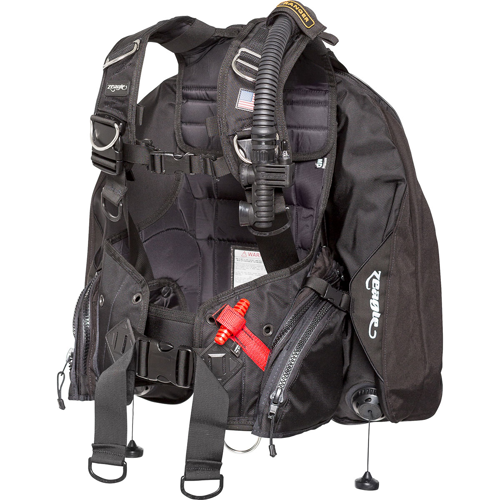
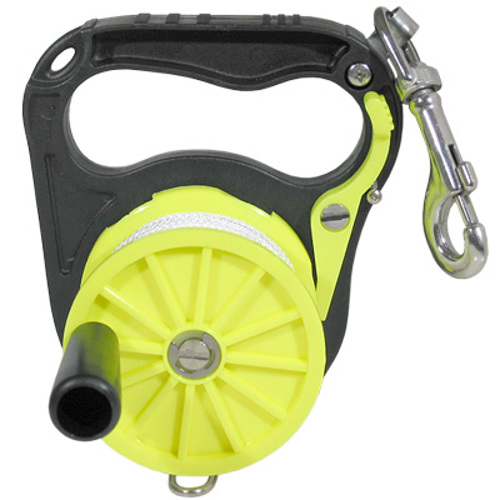
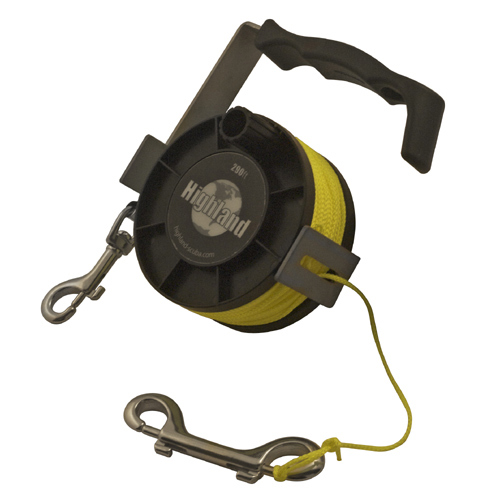
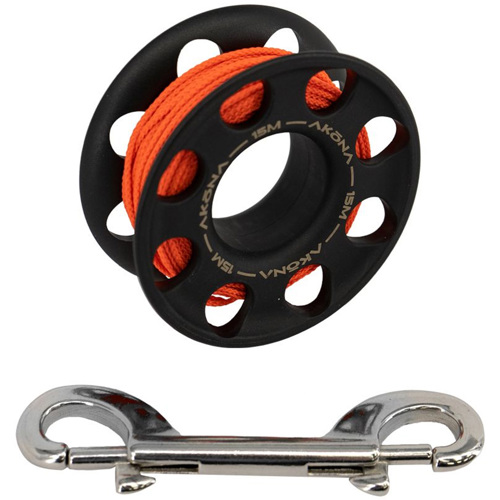
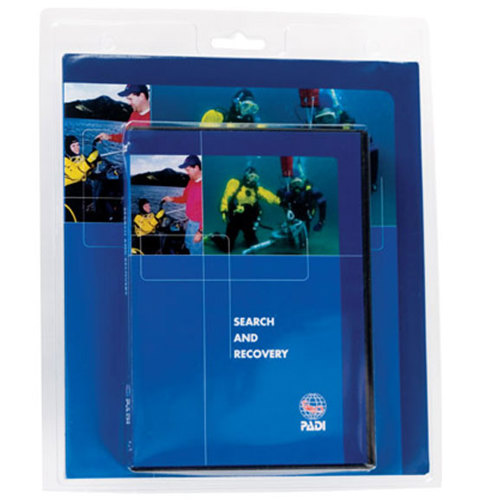
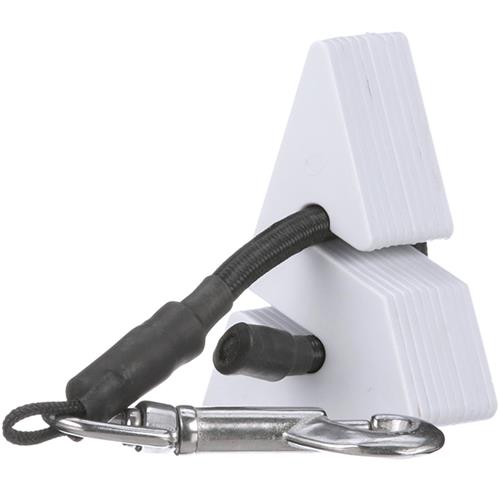
Underwater recovery work demands a unique blend of expertise, precision, and the right equipment to ensure both safety and success in challenging aquatic environments. Whether the mission involves retrieving lost valuables, conducting evidence recovery for law enforcement, or supporting search and rescue operations, the gear selected for these tasks must be robust, reliable, and specifically designed for the unpredictable nature of underwater conditions. The essentials often begin with protective drysuits, which offer insulation and a barrier against contaminated or cold water, allowing divers to focus on the task rather than the temperature. Full-face masks enhance safety and efficiency by enabling clear communication with surface teams and shielding the diver’s face from debris or hazardous materials. For those navigating submerged structures or low-visibility environments, commercial helmets and high-output dive lights become indispensable, safeguarding the diver’s head and illuminating even the murkiest depths. Dive reels, guide lines, and surface marker buoys are critical for establishing search patterns, marking points of interest, and ensuring a clear route back to the surface, especially when visibility drops to zero or strong currents pose additional risks.
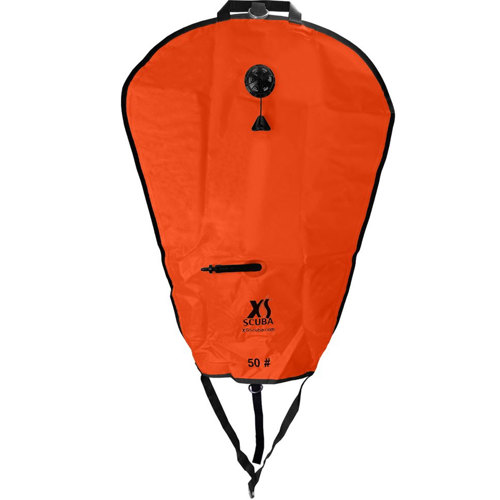
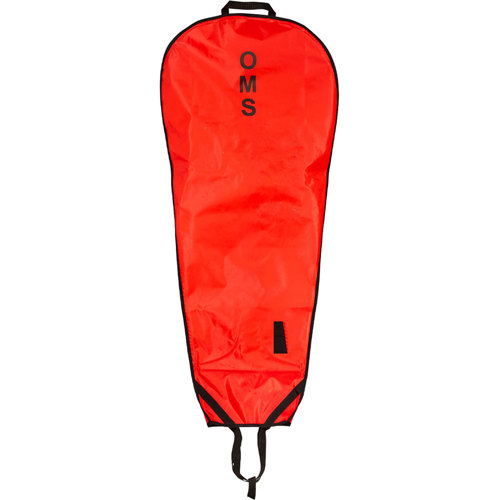
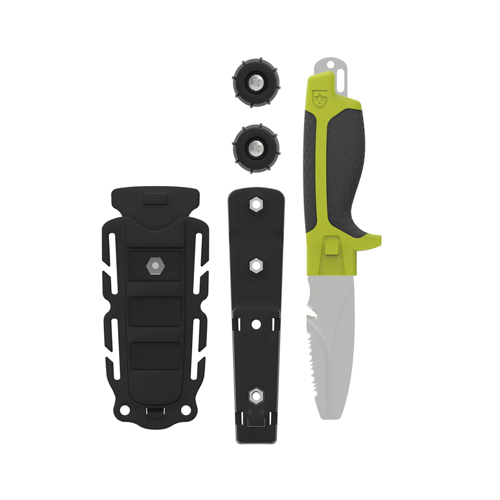
The tools of underwater recovery extend far beyond basic diving equipment. Lift bags, engineered for controlled inflation, are essential for bringing heavy objects—such as safes, vehicles, or large debris—to the surface without causing additional disturbance or damage. Heavy-duty cutting tools, including line cutters and dive knives, are vital for freeing both divers and recovered items from entanglement in fishing lines, nets, or underwater vegetation. In sensitive scenarios, such as body or evidence recovery, specialized containment systems preserve forensic integrity and ensure respectful handling throughout the ascent and transfer process. Surface-based technologies like side-scan sonar and remotely operated vehicles (ROVs) can also play a key role, allowing teams to locate targets before divers enter the water, thereby streamlining the operation and minimizing risk. These tools are not only valued by professional recovery divers and public safety teams but also make thoughtful gifts for individuals involved in underwater search, rescue, or salvage—especially as the warmer seasons invite more activity on lakes, rivers, and coastal waters. For those pursuing advanced underwater challenges, whether for sport, research, or professional development, exploring the range of options on our
Gear For Advanced Underwater Hunters page can offer additional inspiration and guidance.
Selecting the right gear for underwater recovery is a matter of balancing durability, functionality, and adaptability to the specific demands of each environment. The transition from late spring through late summer often brings increased recreational traffic and changing water conditions, making it essential for recovery teams to remain prepared for a variety of scenarios, from swift-water recoveries to deep lake searches. Thoughtful consideration of the gear’s intended use, compatibility with existing equipment, and ease of deployment can make a significant difference in both routine and high-stakes operations. Many experienced divers recount the peace of mind that comes from knowing their equipment is up to the challenge—whether it’s the reassuring fit of a well-sealed drysuit during a chilly dawn dive or the reliability of a trusted reel guiding them back through a labyrinth of submerged obstacles. For anyone tasked with underwater recovery, investing in specialized gear is not just about performance; it’s about ensuring every mission is carried out with the highest standards of safety, respect, and professionalism.