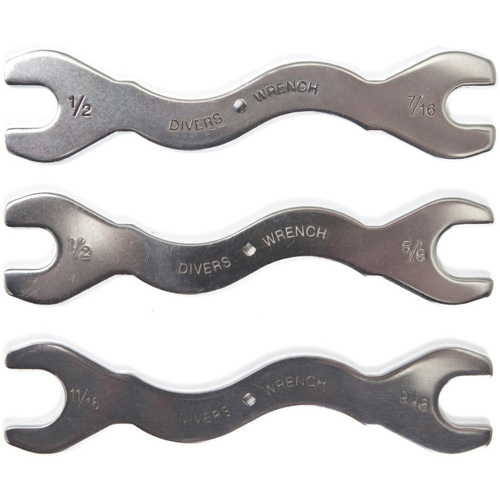
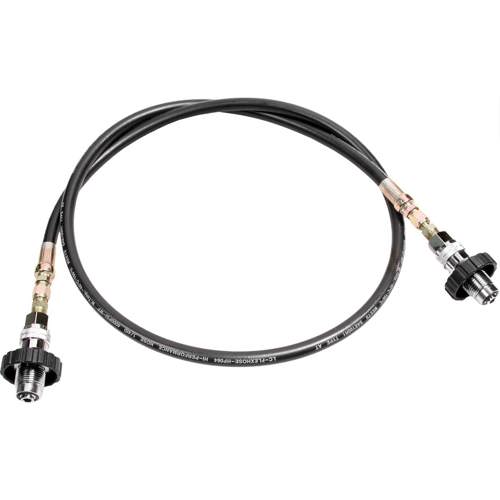
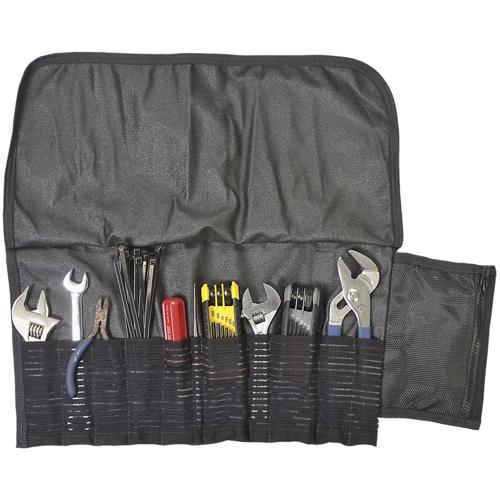
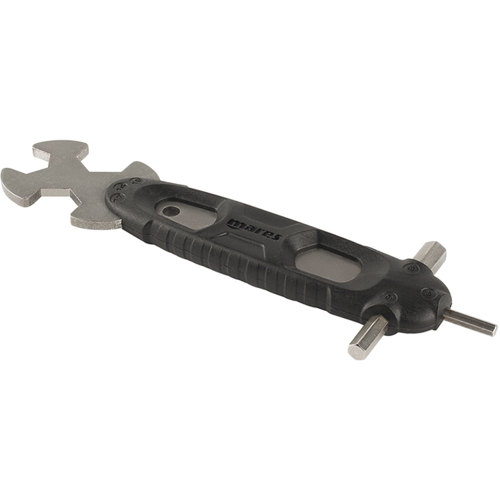
Recovery diving tools are indispensable for divers engaged in underwater search, salvage, and rescue operations, as well as for those who enjoy the challenge of locating lost treasures or assisting in environmental cleanups. As the weather warms and water activities increase, more divers find themselves tasked with retrieving objects from beneath the surface—whether it's a piece of valuable equipment, lost jewelry, or larger items like anchors, tools, or even small vessels. The right recovery tools can make all the difference in efficiency, safety, and success. These specialized instruments are designed to perform in the unique, often unpredictable underwater environment, where visibility may be limited and currents can complicate even the simplest tasks. For recreational divers, having a well-chosen kit of recovery tools means being prepared for the unexpected—such as helping a fellow diver recover a dropped camera or assisting with a local conservation effort by removing debris. For professionals in search-and-rescue, law enforcement, or maritime salvage, these tools are mission-critical, allowing teams to systematically search, document, and recover items ranging from personal effects to evidence or even vehicles.
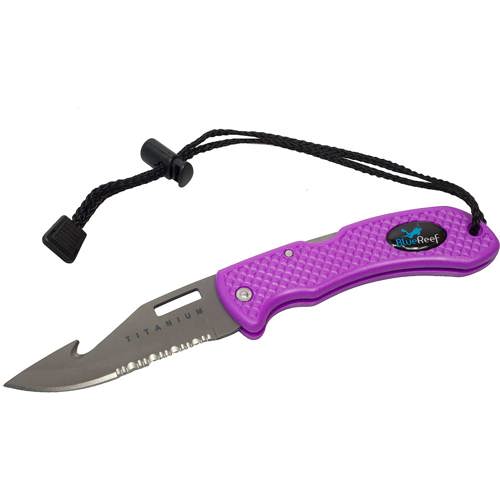
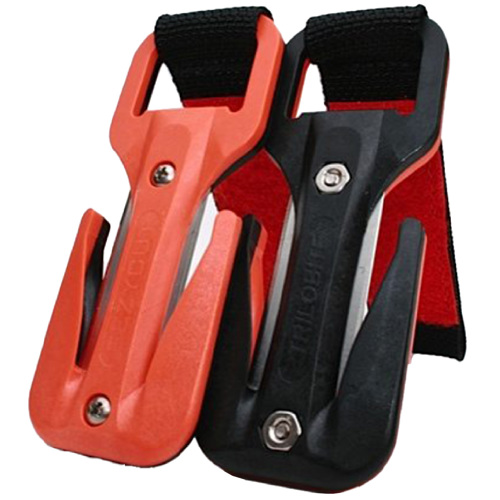
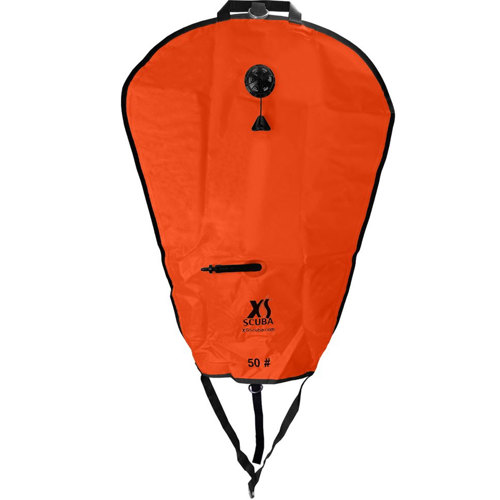
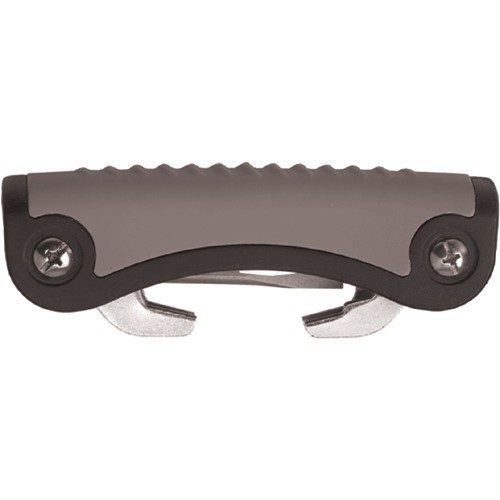
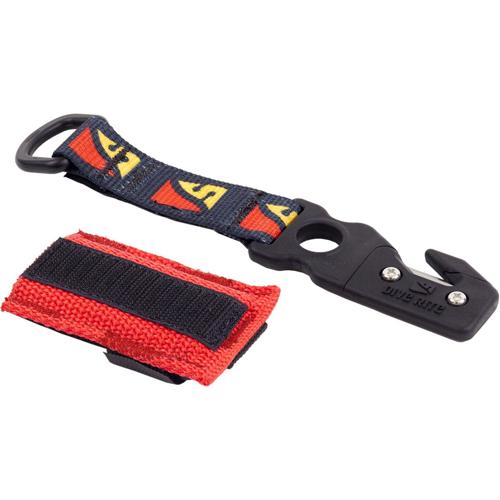
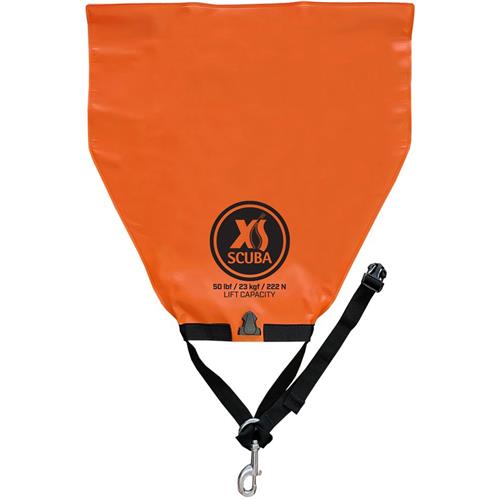
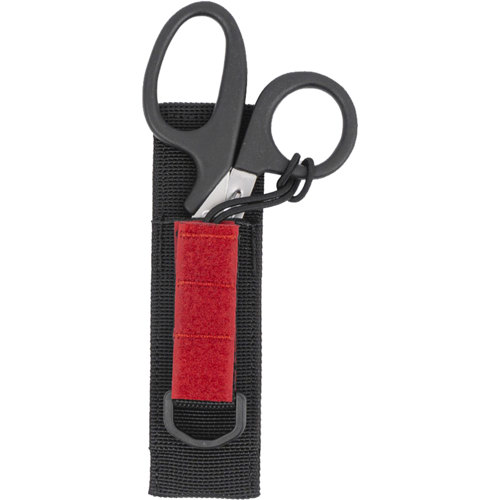
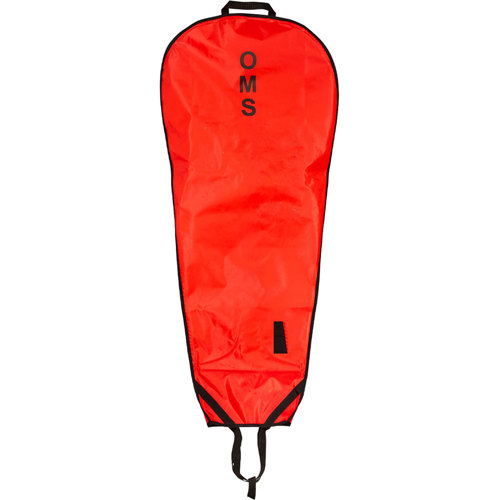
When selecting recovery diving tools, consider the type of diving you plan to do and the specific challenges of your local waters. For example, metal detectors designed for underwater use are invaluable for pinpointing lost metallic objects buried in sand or silt, while robust lift bags are essential for safely bringing heavier items to the surface. Navigation reels and finger spools help divers maintain orientation and methodically search large areas, especially in low-visibility conditions or when following grid or circular search patterns. Underwater slates and waterproof notebooks are practical for recording coordinates, sketching the layout of a site, or communicating with a team underwater. Dive lights and strobes are vital for illuminating murky waters or signaling your position to surface support, particularly during dusk dives or in deeper environments where sunlight fades quickly. Cutting tools, such as shears or rescue knives, offer peace of mind in case of entanglement in fishing lines or underwater debris—a scenario that becomes more common during the busy boating and fishing seasons. Surface marker buoys (SMBs) and throw bags further enhance safety and coordination with surface teams, marking recovery locations or providing a lifeline during complex operations. For those building a comprehensive search and recovery kit, it’s wise to assess not only your immediate needs but also to plan for the unexpected, ensuring you have the right blend of tools for both routine recoveries and true emergencies.
Recovery diving tools also make thoughtful gifts for divers who enjoy technical challenges or participate in group dives, conservation projects, or community cleanups. Gifting a high-quality reel, a compact cutting tool, or a rugged lift bag can be a meaningful way to support a diver’s passion while enhancing their safety and capability underwater. These tools are especially appreciated during the summer and early fall, when dive clubs and local groups often organize cleanups or search-and-recovery events, and when water sports are at their peak. Whether you’re a seasoned professional, an avid recreational diver, or shopping for someone who loves underwater adventure, investing in reliable recovery diving equipment is a practical decision that pays dividends in preparedness and peace of mind. For those interested in further expanding their safety toolkit, or for divers who want to be ready for any scenario—whether a minor mishap or a true emergency—a curated selection of additional gear can be found at
Diving Tools For Emergencies. With the right tools and a bit of planning, every dive can be approached with confidence, knowing you’re equipped to handle whatever the underwater world may present.