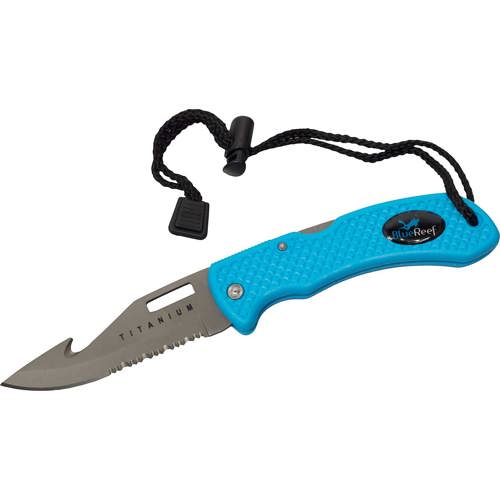
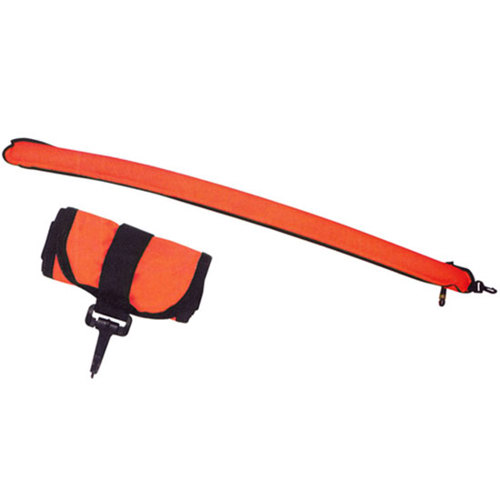
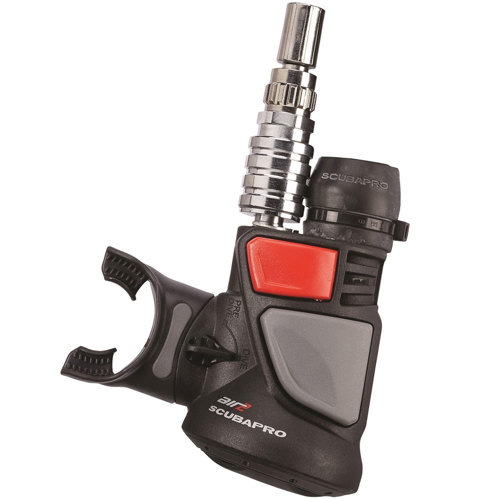
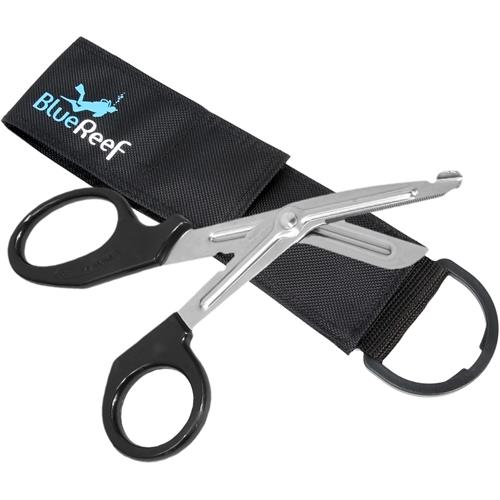
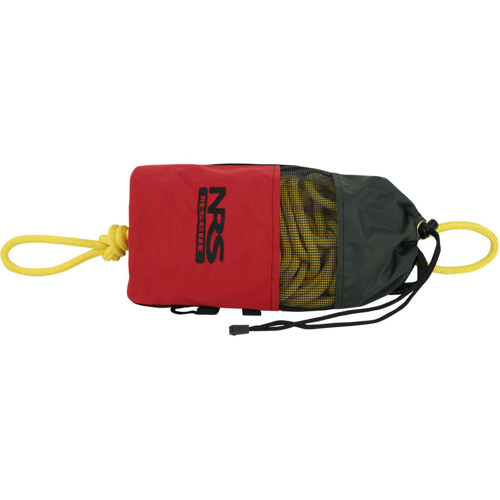
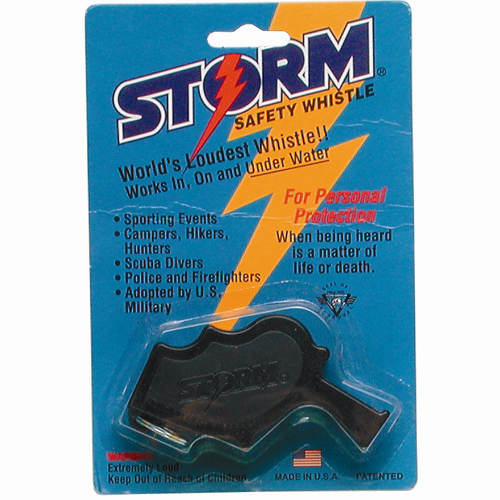
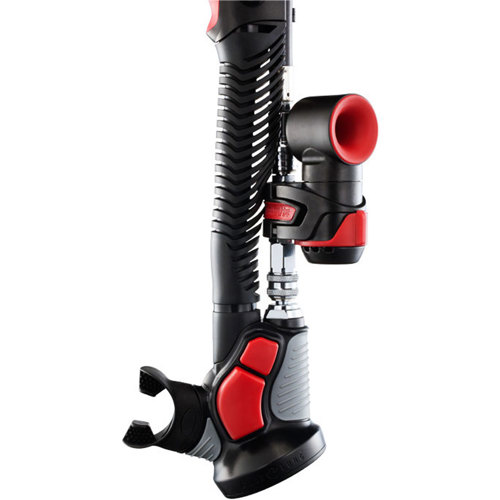
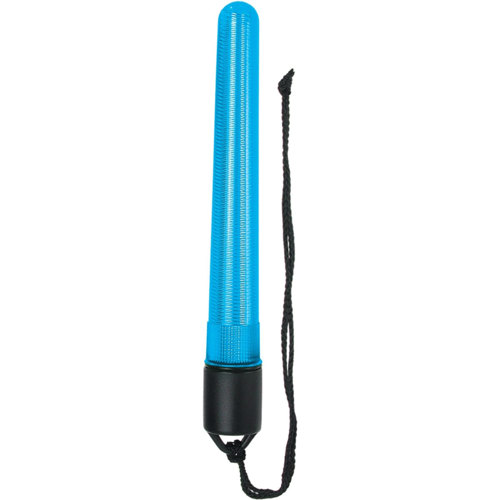
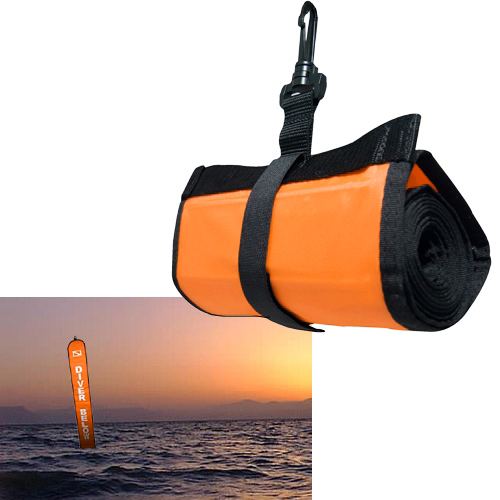
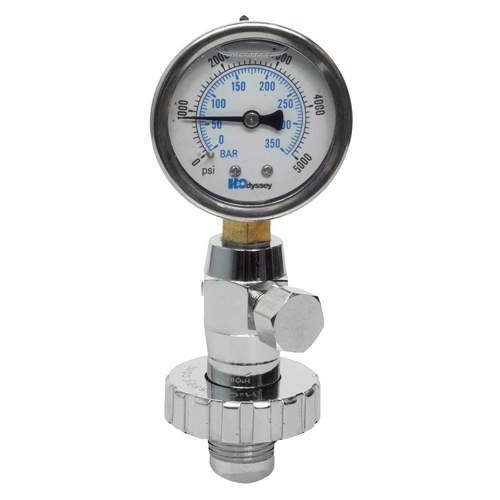
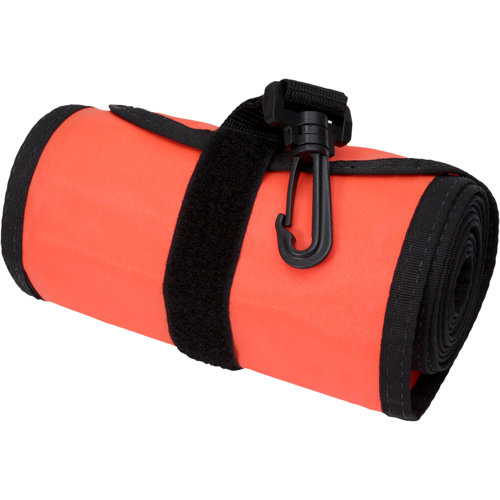
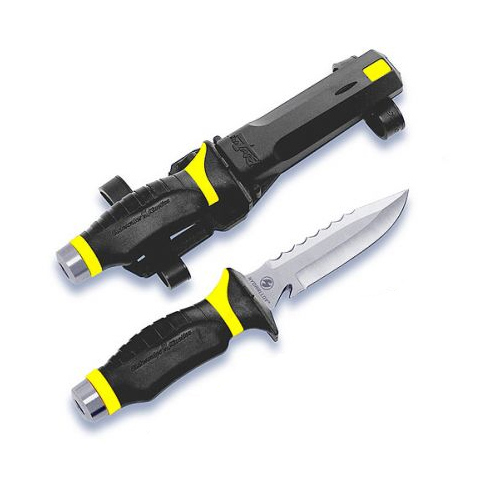
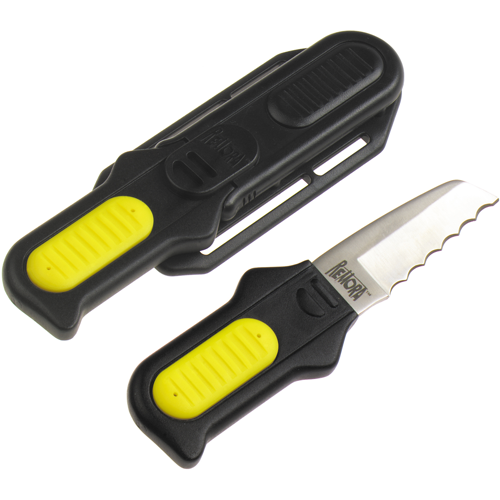
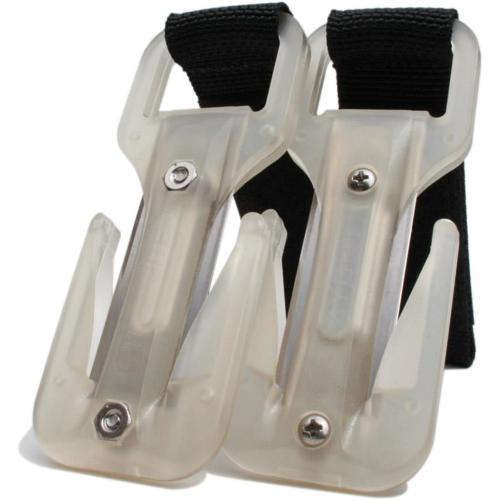
When preparing for a dive, whether it’s a leisurely exploration of tropical reefs or a demanding underwater mission as a first responder, safety is always at the forefront of every diver’s mind. The right diving tools for emergencies are essential companions, designed to address unexpected challenges and ensure peace of mind beneath the surface. As the weather warms in May and more divers head out for seasonal adventures, it’s the perfect time to review and update your emergency gear. For both recreational divers and those using specialized scuba diving equipment for first responders, the selection of reliable, well-maintained tools can make all the difference in a critical moment. From compact cutting tools that swiftly free you from tangled fishing lines or kelp, to redundant air systems that provide a vital backup in case of primary air supply failure, each piece of gear serves a specific, potentially life-saving purpose. Surface signaling devices, such as marker buoys and whistles, are indispensable for drawing attention in busy boating areas or when surfacing far from the dive boat. Underwater noisemakers and rattlers, which attach to your BCD inflator, allow for immediate communication with your buddy or group, even in low-visibility conditions.
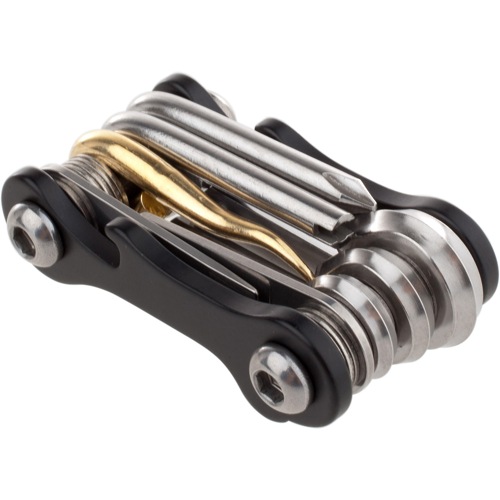
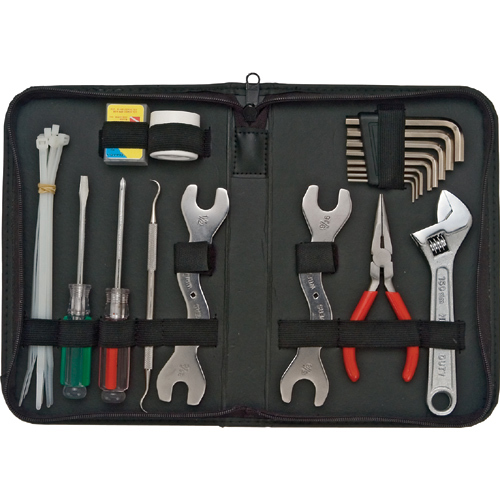
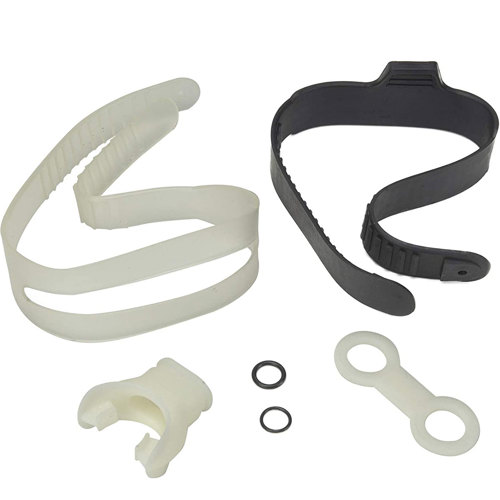
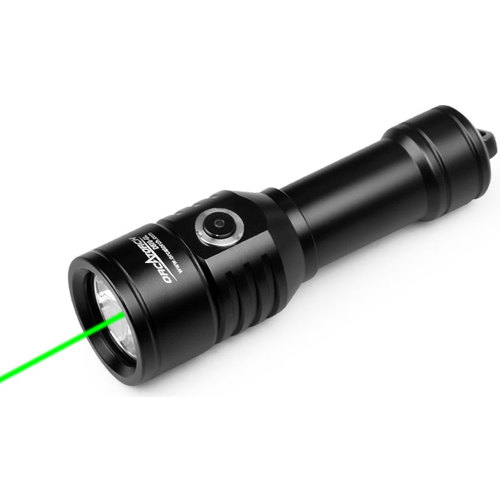
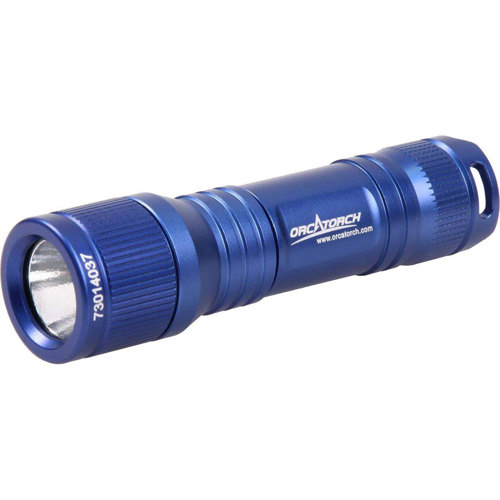
Experienced divers know that preparation extends beyond the basics. A robust emergency kit often includes primary and backup dive lights for unexpected changes in visibility, as well as first-aid supplies tailored to the marine environment. First responders and rescue professionals may carry advanced kits featuring emergency oxygen units, marine medkits, and even automated external defibrillators for cardiac emergencies. For those venturing into remote or challenging locations, waterproof VHF radios with integrated GPS can be the most reliable means of signaling for help, ensuring your position is known to nearby boats or rescue teams. Even seemingly minor items—like spare mask and fin straps, o-ring kits, silicone grease, and compact multi-tools—can prevent a small equipment failure from escalating into a serious issue. Simple additions such as zip ties, paracord, and duct tape offer versatile solutions for quick repairs, while the most reliable tools for reducing lost cylinder incidents scuba diving, such as secure tank bands and locking mechanisms, help maintain your setup throughout the dive. These details matter not just for solo adventurers, but also for instructors, dive leaders, and anyone responsible for group safety.
Choosing emergency diving tools is a deeply personal process, shaped by your diving environment, experience level, and the specific risks you’re likely to encounter. For new divers, assembling a basic emergency kit is an empowering step toward self-reliance, while seasoned professionals may refine their gear with specialized equipment for technical or rescue scenarios. Gifting high-quality emergency tools is a thoughtful gesture for anyone passionate about diving, especially during the spring and summer months when dive travel and training courses are in full swing. When selecting gear, consider factors such as accessibility—can you reach your cutting tool with either hand?—and durability, especially if you dive in saltwater or rugged conditions. Training is equally important; first aid and signaling devices are only effective if you’re confident in their use. Always dive with a buddy and maintain clear communication, whether through lights, shakers, or audible signals. For those looking to further expand their knowledge or gear selection, our curated collection of
Diving Tools For Adventurers offers additional inspiration and advice. No matter your experience level, investing in the most reliable tools for reducing lost cylinder incidents diving, ensuring redundancy, and staying prepared for the unexpected will help you dive with confidence and enjoy every underwater journey to the fullest.