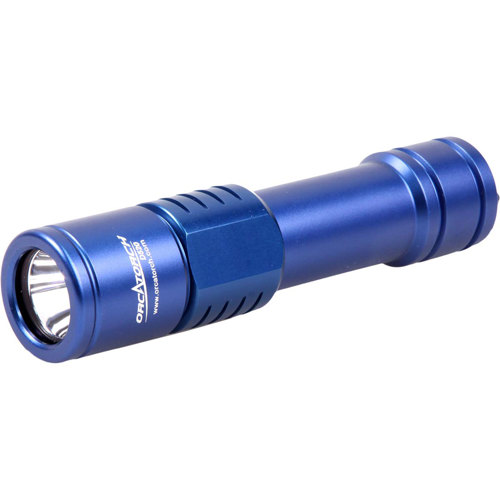
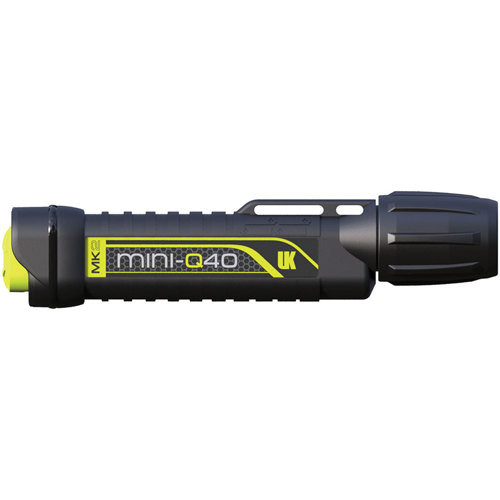
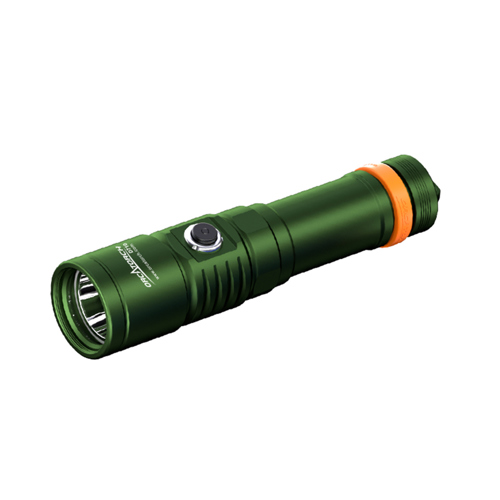
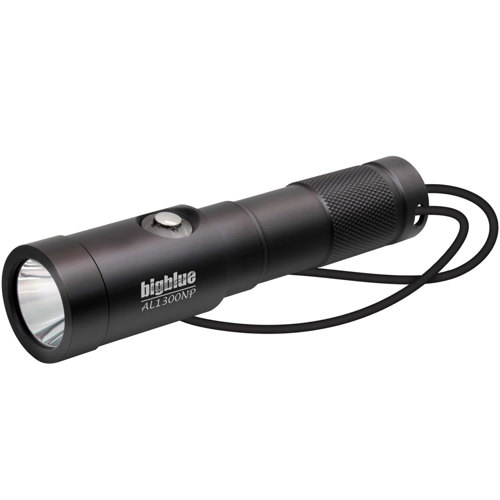
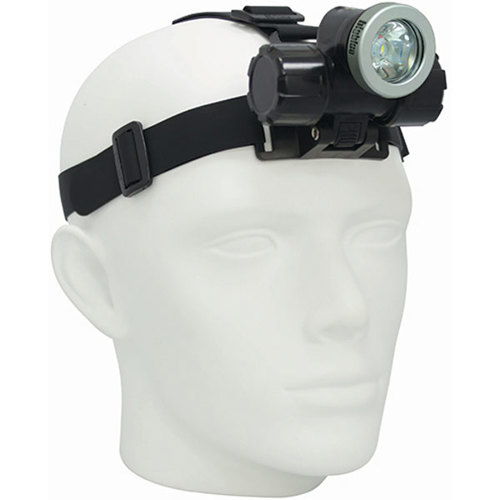
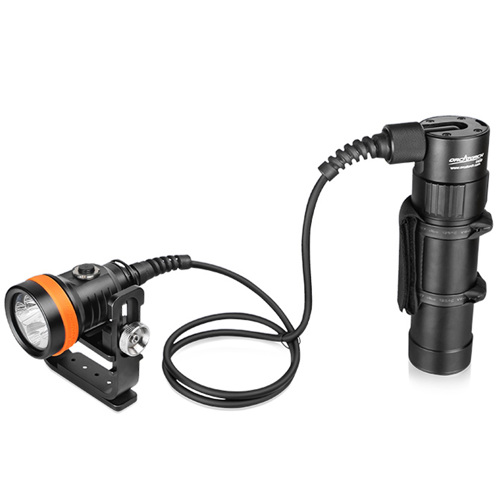
Diving in murky waters presents a unique set of challenges that require specialized equipment and thoughtful preparation. Whether you’re exploring freshwater lakes in early summer, venturing into silty riverbeds, or navigating the shadowy kelp forests along the coast, visibility can drop dramatically, transforming even familiar sites into mysterious, low-light environments. In these conditions, having the right gear is not just about comfort—it’s about safety and making the most of your dive. High-lumen primary and backup LED lights become your lifeline, their wide beams slicing through the gloom to reveal the world just beyond arm’s reach. The technique matters, too; by angling your light to the side rather than straight ahead, you can minimize backscatter and avoid illuminating a cloud of suspended particles. For navigation, a reliable compass is indispensable, especially when natural visual cues fade away. Many divers also rely on reels or spools to mark their entry points, ensuring a safe return when the underwater landscape becomes disorienting. These tools are particularly valued by those who frequent the best scuba diving destinations for beginners, where conditions can change quickly and a clear path home is essential.
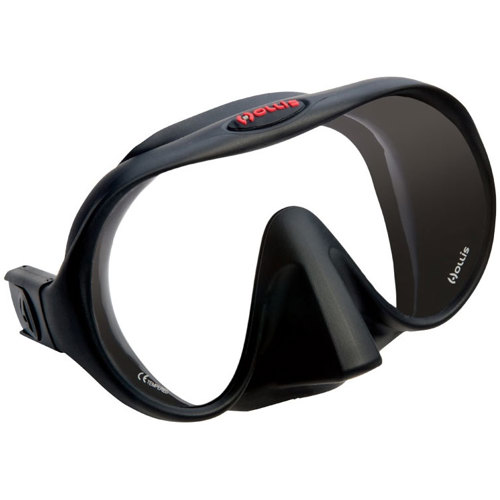
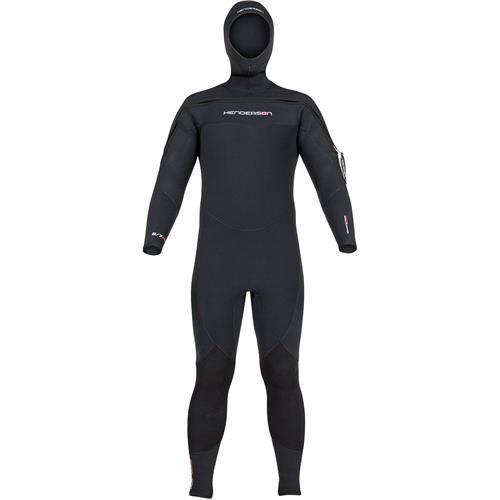
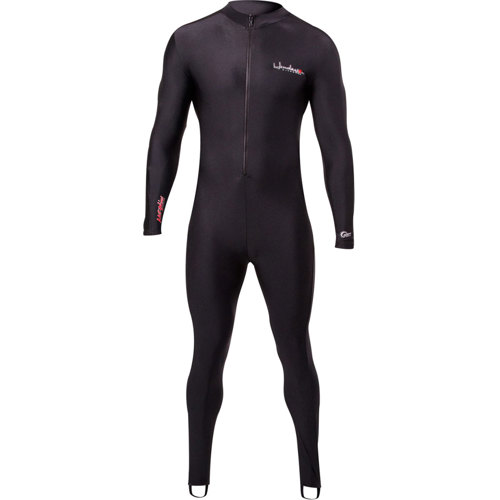
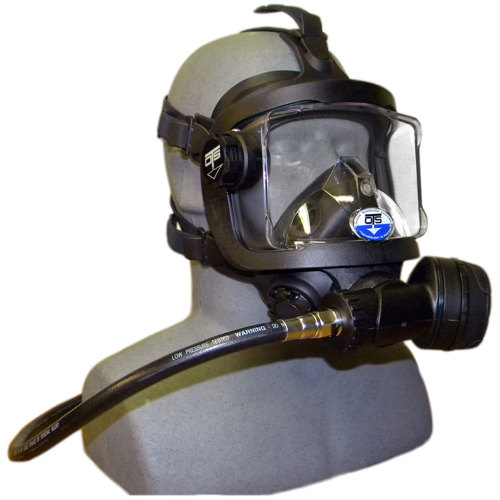
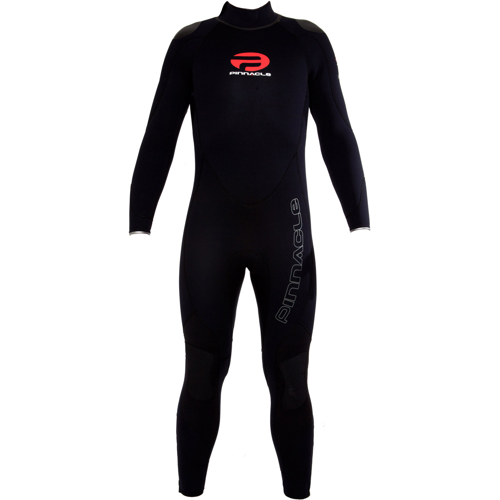
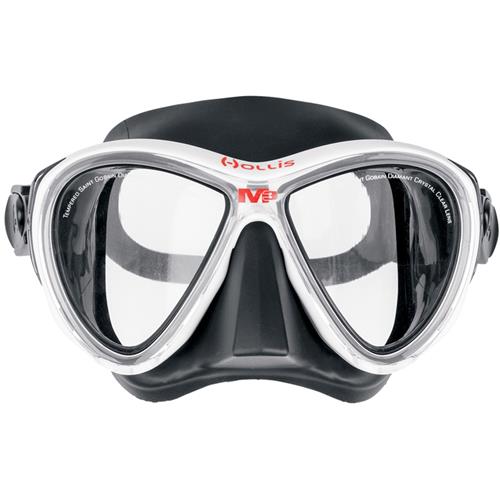
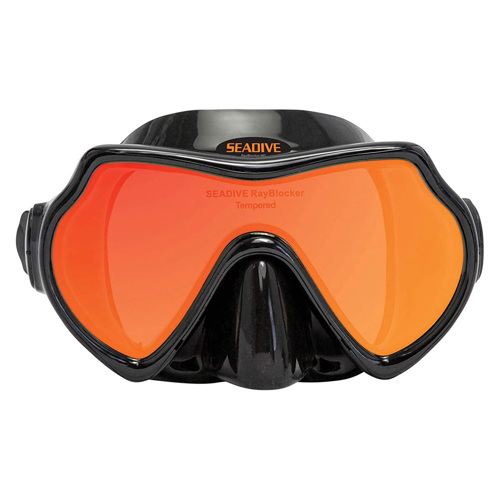
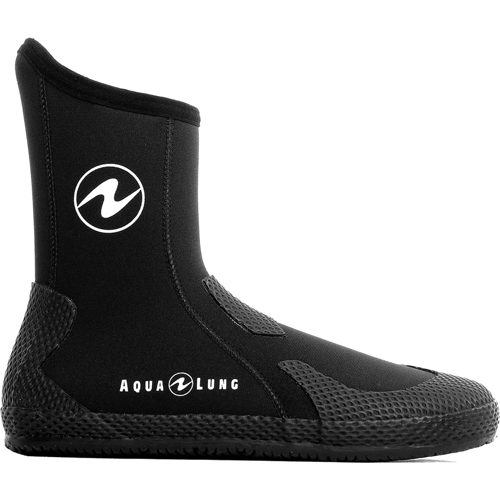
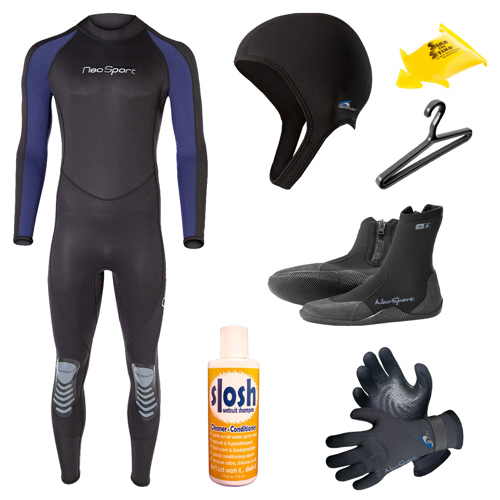
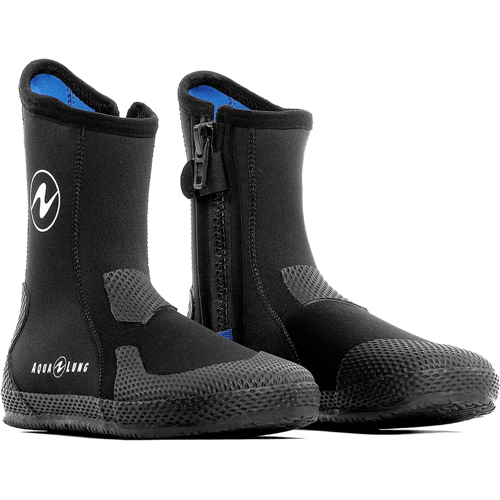
Exposure protection is another critical consideration for murky water dives. Temperatures in these environments often run cooler, especially in the spring and early summer months, making a 7mm wetsuit or a dry suit with dry gloves a wise investment. For those who regularly dive in colder climates or deeper waters, drysuit rock boots offer both warmth and stability, especially when traversing rocky or uneven entry points. A well-fitting scuba diving mask is essential, not just to shield your eyes from potential contaminants but to provide the clearest possible view in challenging conditions. For those who struggle with fogging, there are dedicated solutions and accessories that can help, and you can find more information on maintaining clear vision at our
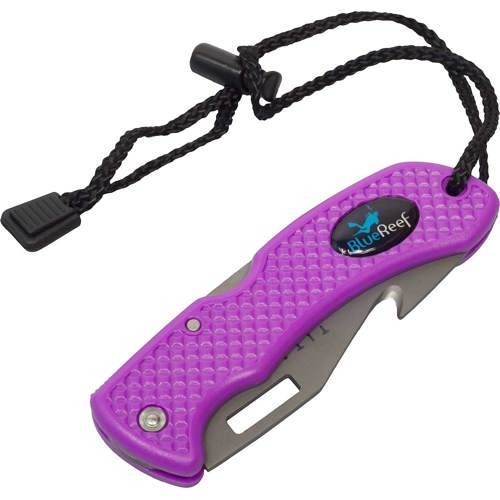
Gear For Fog Free Diving resource. Safety equipment rounds out the essentials: signaling devices like delayed surface marker buoys (DSMBs) are crucial for marking your position during ascent, especially in busy waterways where boat traffic can be unpredictable. Cutting tools—whether shears, knives, or compact Z-cutters—should always be within easy reach to handle unexpected entanglements in vegetation or debris.
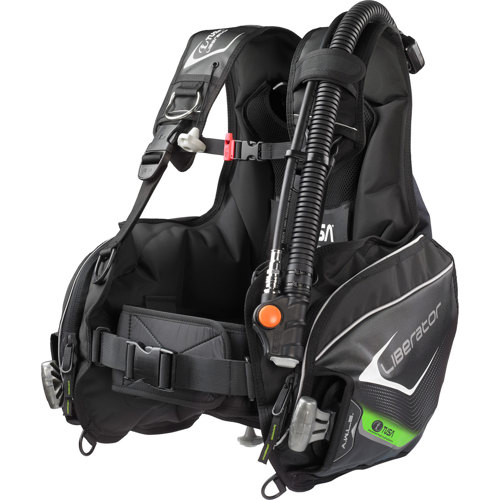
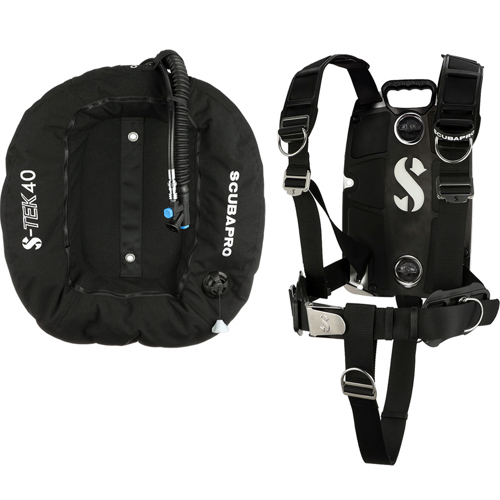
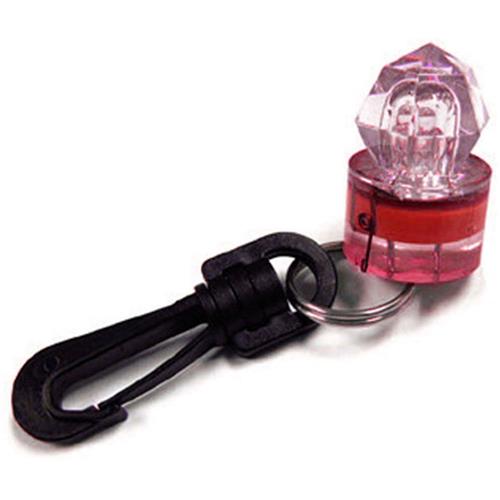
The right gear for scuba diving in low-visibility conditions is not just for seasoned explorers; it makes a thoughtful and practical gift for any diver, especially those expanding their skills or planning trips to new environments. Many novice divers, inspired by stories of mysterious shipwrecks or the allure of hidden freshwater springs, soon discover the appeal of murky water adventures. For them, assembling the best gear for scuba diving is a rite of passage—one that builds confidence and opens up a world of underwater exploration. Seasoned instructors and experienced buddies alike know the value of buddy lines, chemical lights, and strobes for maintaining contact when visibility drops to a whisper. Buoyancy control becomes an art, preventing silt from billowing up and further clouding the water. The slow, deliberate pace of a murky water dive—where every movement is measured and every glance at your instruments is reassuring—teaches patience and hones your skills. Whether you’re gifting a loved one their first set of drysuit rock boots or upgrading your own navigation tools for an upcoming season, the right equipment transforms uncertain waters into a realm of discovery, safety, and unforgettable memories.