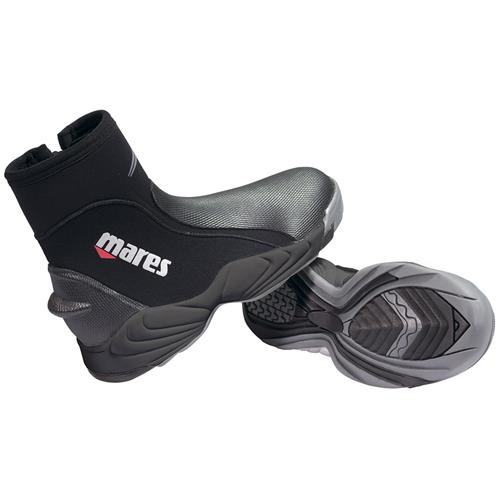
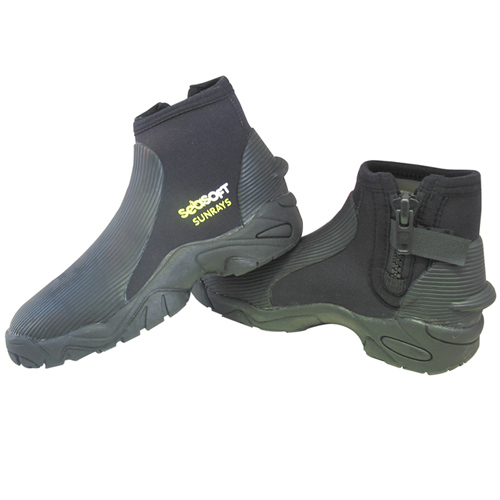
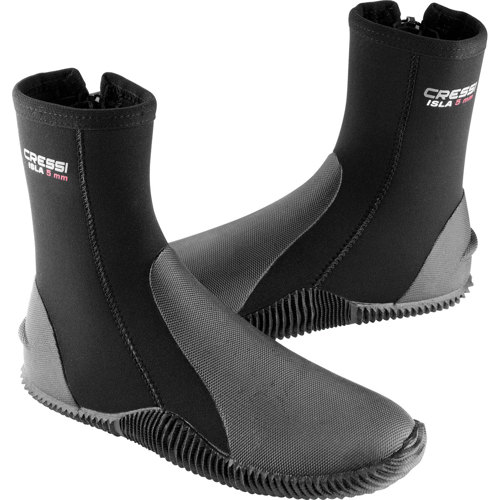
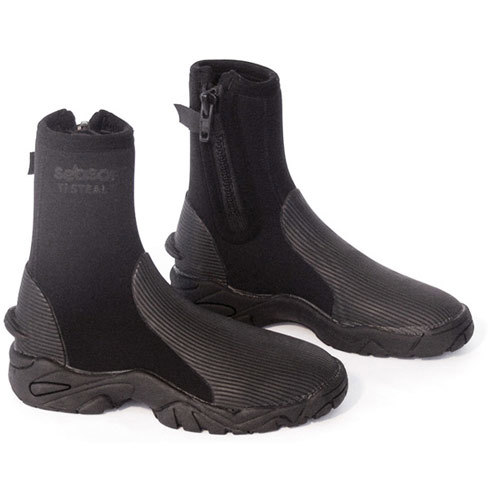
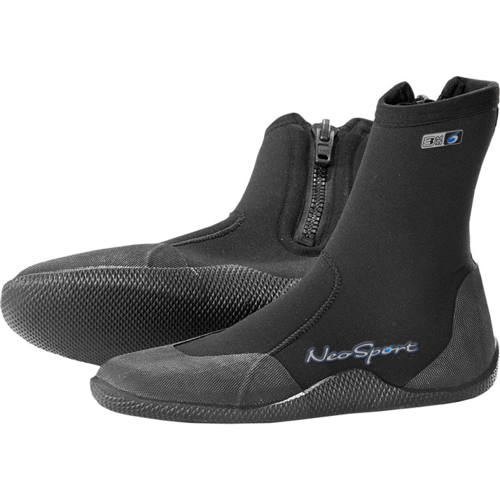
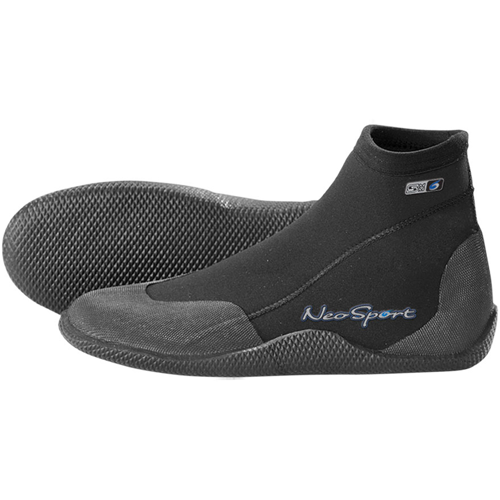
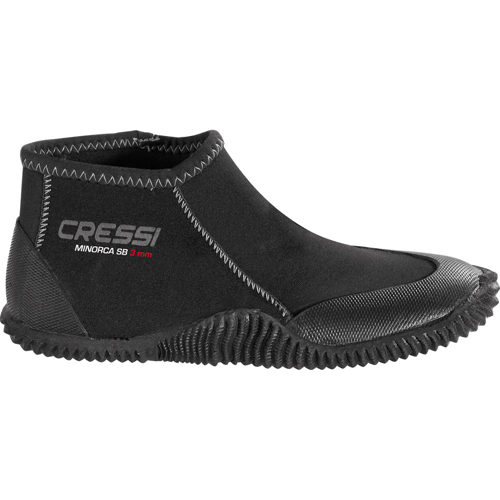
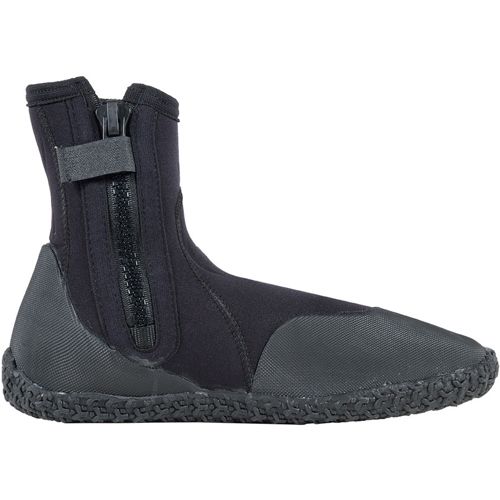
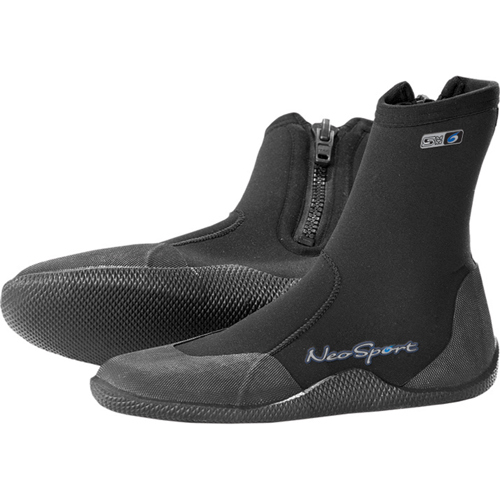
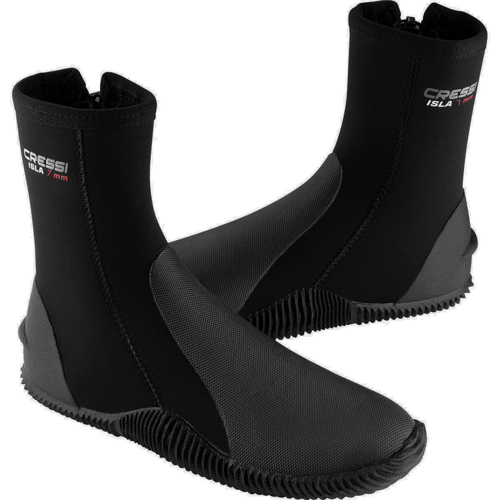
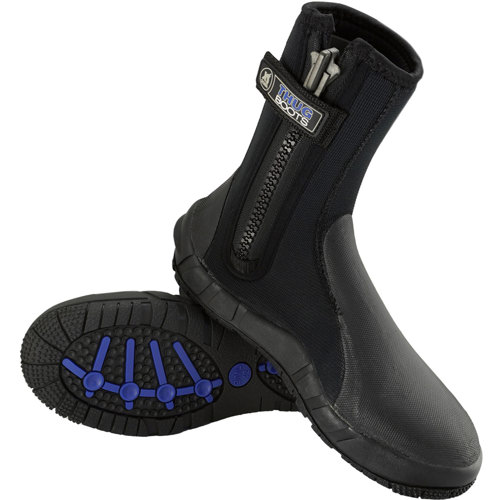
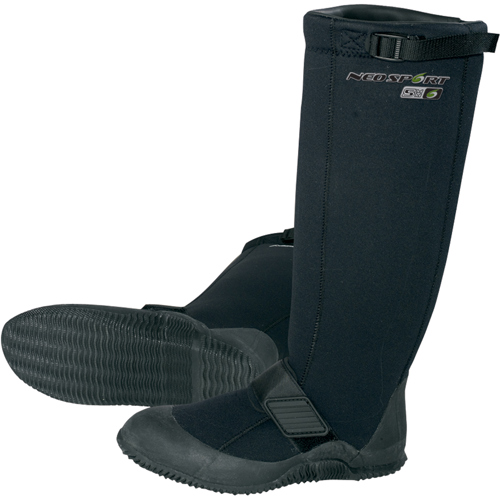
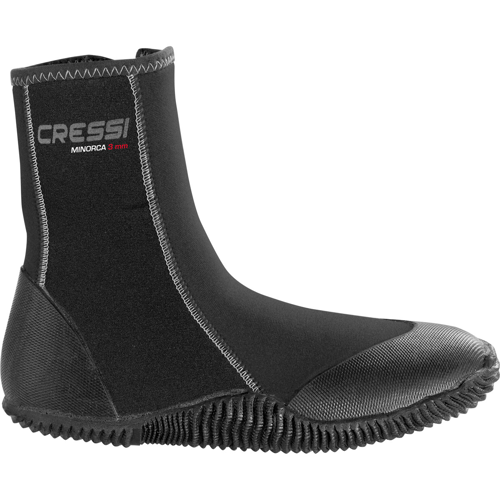
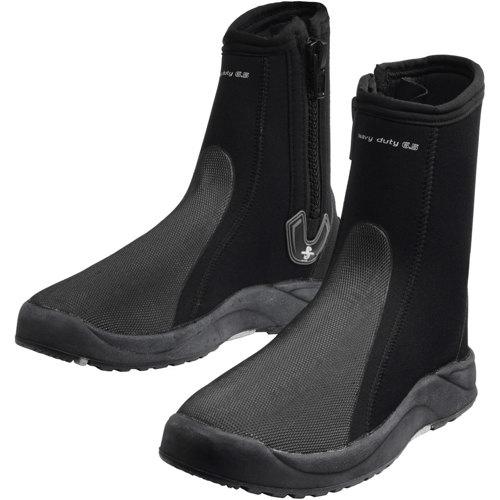
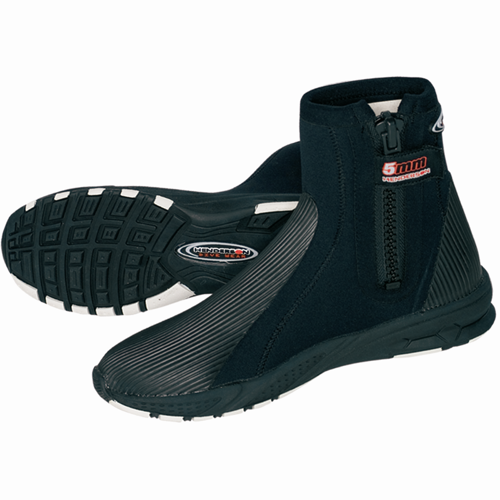
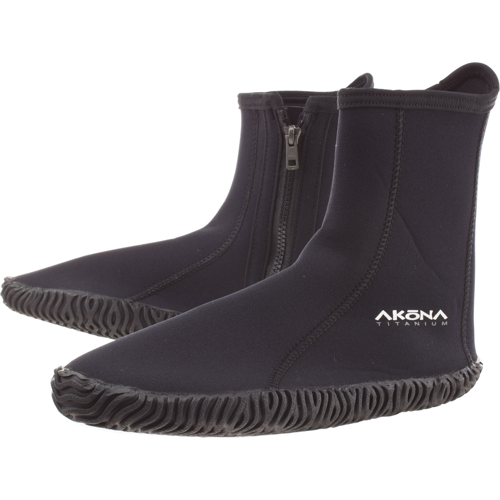
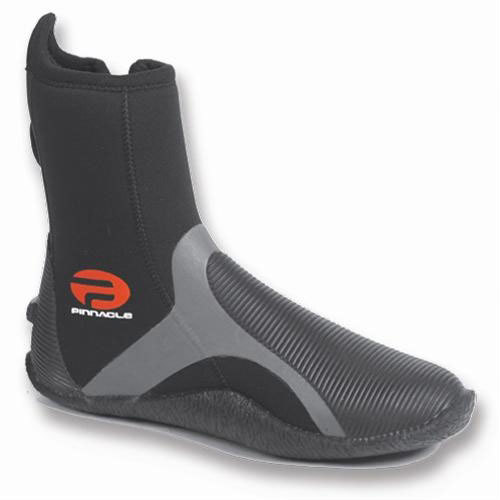
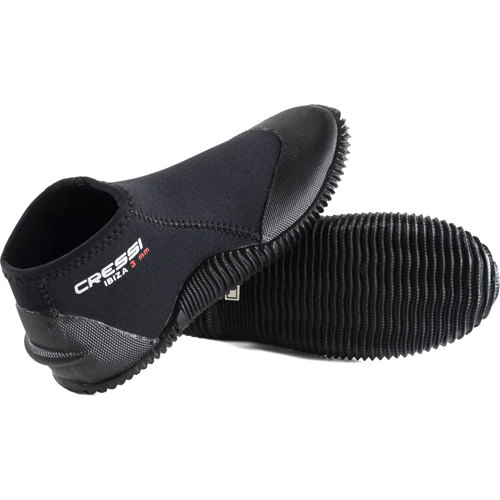
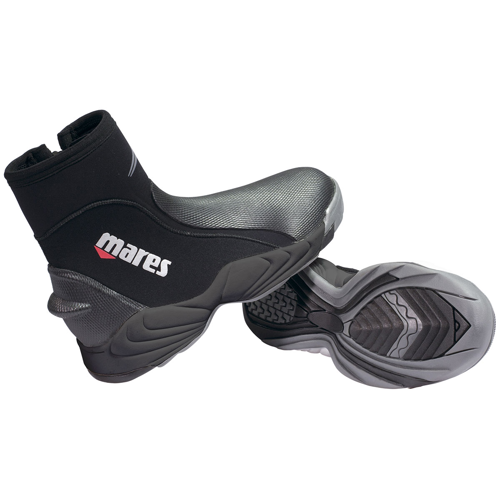
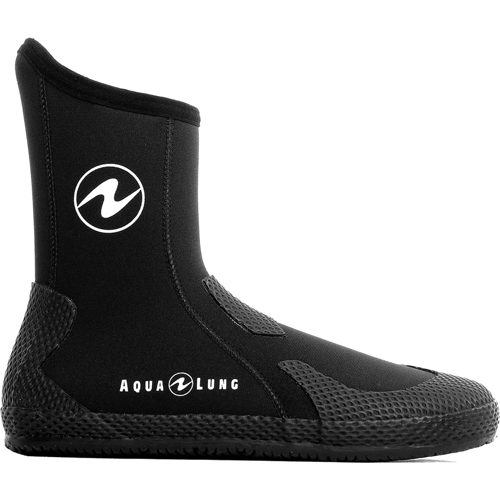
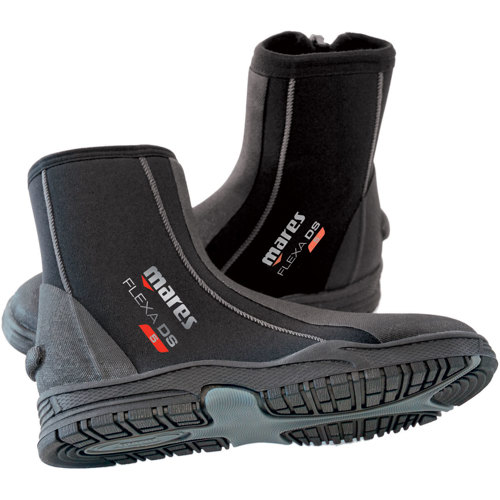
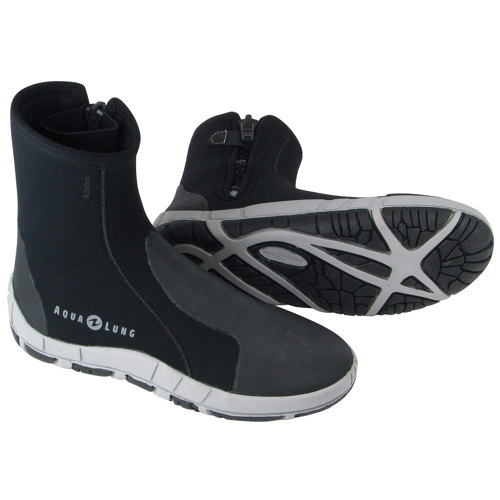
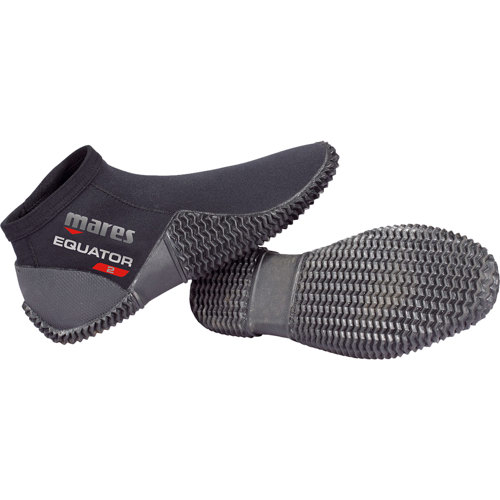
Flexible diving boots are an essential part of any diver’s kit, designed to offer a unique combination of comfort, protection, and adaptability for a wide range of underwater adventures. As the water warms up in May and the diving season kicks into high gear, many divers find themselves drawn to new shorelines, rocky entry points, and hidden coves—places where reliable footwear is non-negotiable. Flexible diving boots, typically crafted from soft, stretchy neoprene in thicknesses ranging from 2mm for tropical waters to 5mm for cooler environments, provide a snug, comfortable fit that moves naturally with your foot. The soft yet durable soles strike a delicate balance: they cushion and protect your feet from abrasive rocks, hot sand, and sharp shells, yet remain pliable enough to give you a natural feel for the terrain beneath you. Reinforced toe and heel caps are standard, offering extra protection in high-wear areas and helping to prevent fin chafing during longer dives. Many models also feature clever details like fin keepers at the heel to keep your fins secure, and high-quality zippers with gussets to reduce water entry, making them practical for both novice and experienced divers.
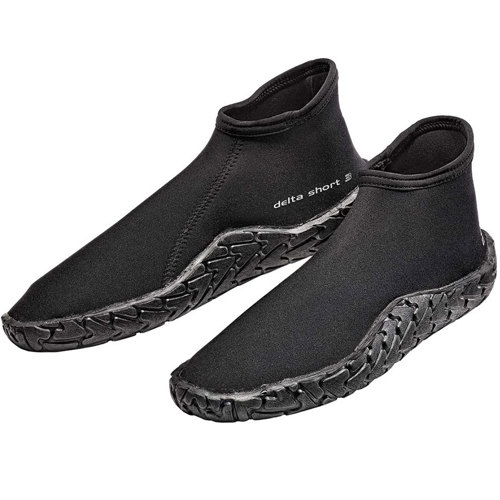
For those who enjoy shore diving, flexible diving boots are invaluable. The journey from car park to water’s edge often involves traversing uneven ground, and the comfort of a soft, ergonomic boot makes all the difference. If you’re planning a long walk to a remote dive site or exploring tidal pools between dives, the flexibility and lightweight design of these boots help prevent fatigue and blisters. They’re especially popular with divers who travel frequently, as their compact, foldable nature makes them easy to pack and quick to dry. Warm-water divers appreciate low-cut, thin-soled options that provide just enough protection without trapping unnecessary heat, while cold water enthusiasts might opt for thicker, high-cut boots that offer greater insulation—perfect for those chilly early morning entries or cold water night dive boots. The versatility of flexible diving boots also makes them a thoughtful gift for anyone passionate about snorkeling, freediving, or underwater photography, as they cater to a variety of skill levels and aquatic environments. Whether you’re suiting up for your first open water certification or preparing for a night dive along a rugged coastline, the right pair of boots can make your experience safer and more enjoyable.
Selecting the ideal flexible diving boots involves more than just picking a size off the shelf. Fit is crucial: a boot that’s too loose can lead to chafing and reduced insulation, while one that’s too tight may cause discomfort and restrict movement. Look for boots that fit snugly, much like a well-fitted shoe, ensuring your toes have enough room to wiggle but not slide around. Pay attention to the sole—softer soles offer greater sensitivity and comfort for walking, but if your adventures routinely take you across jagged rocks or coral, you might want a model with added reinforcement. Closure systems vary, from easy slip-ons for warm water use to robust zippers with water-blocking gussets for colder conditions. When you’re preparing for your next dive, consider how the boots will interact with your fins, wetsuit, and the specific demands of your destination. If you’re interested in exploring even more options tailored to agility and performance, take a look at our curated selection of
Agile Diving Boots for additional inspiration. By choosing the right pair of flexible diving boots, you’re investing in comfort, safety, and the freedom to fully enjoy every step of your underwater journey.