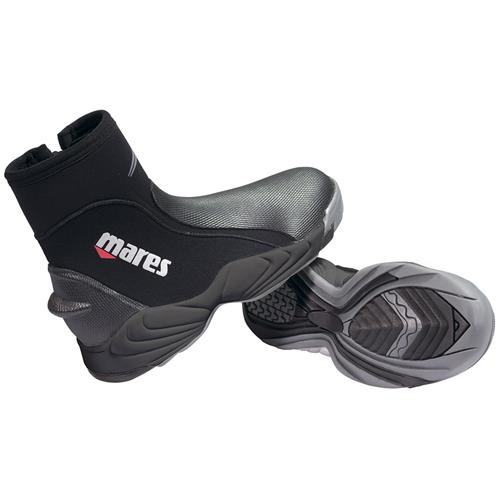
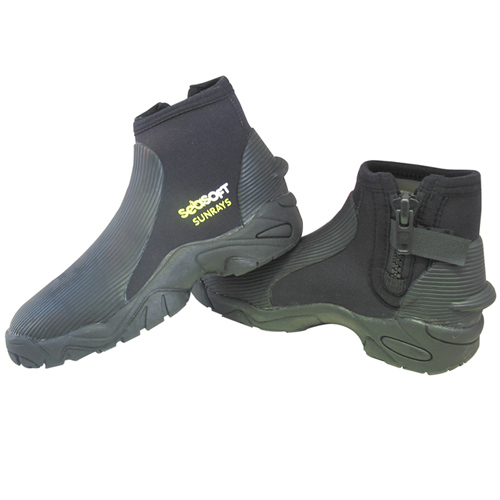
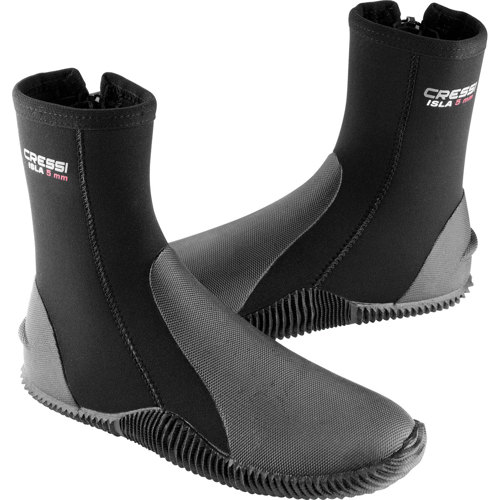
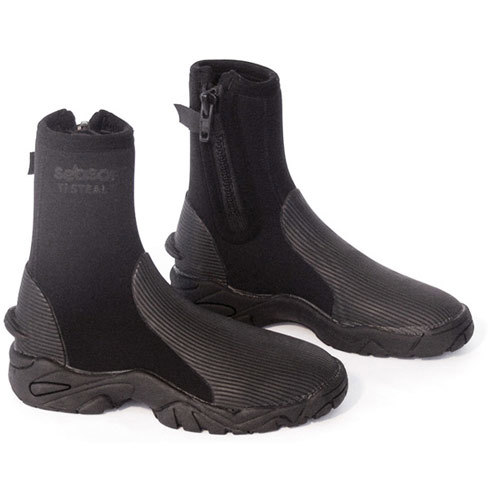
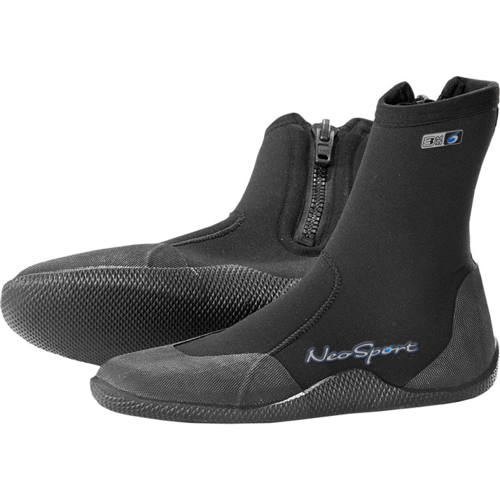
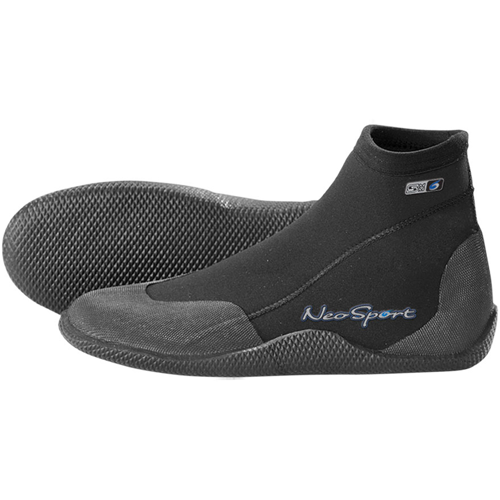
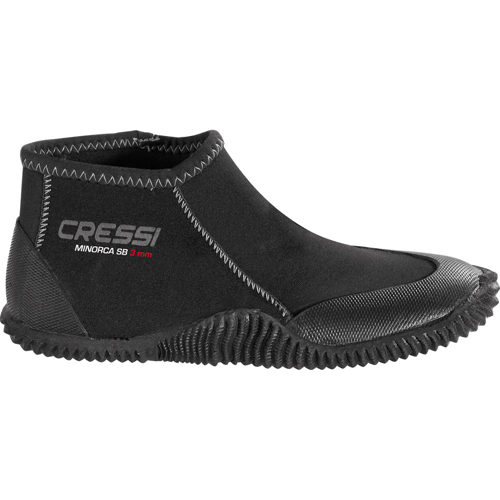
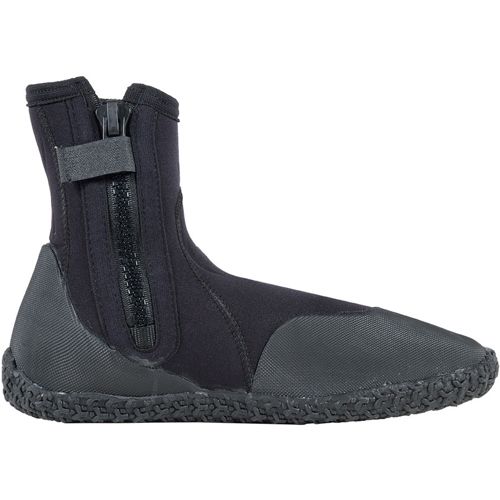
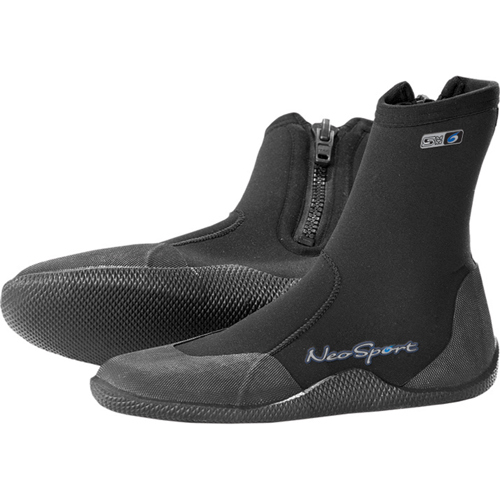
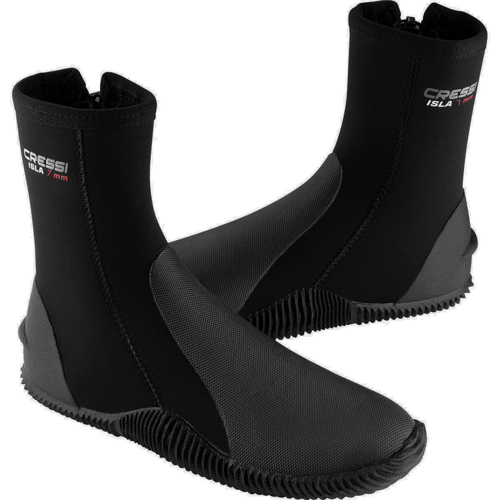
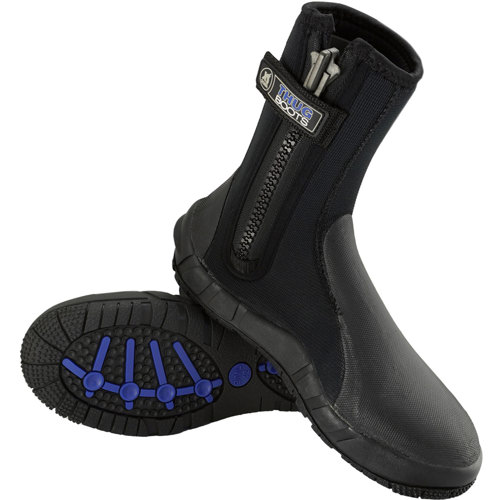
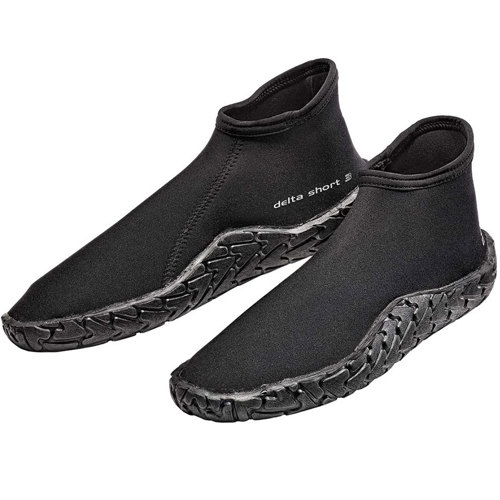
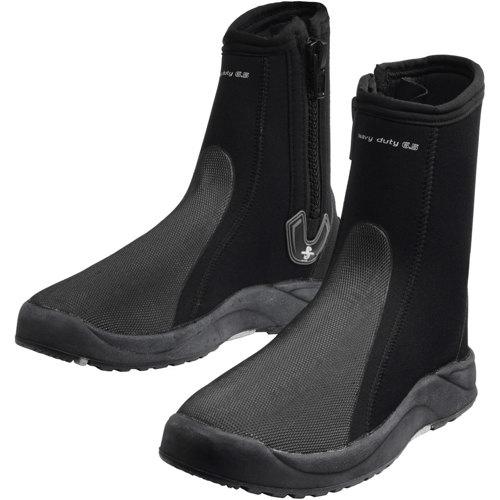
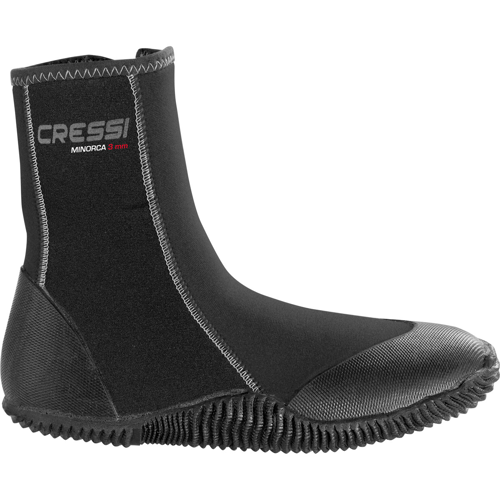
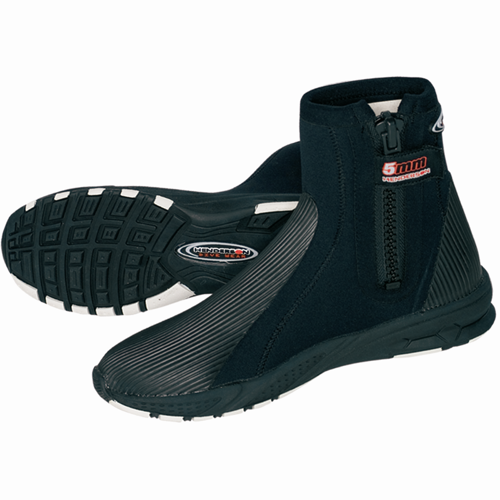
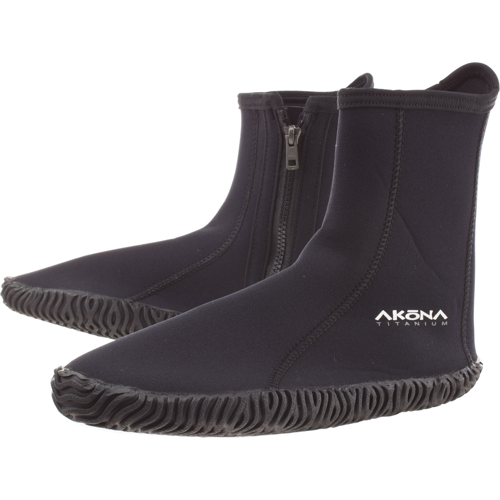
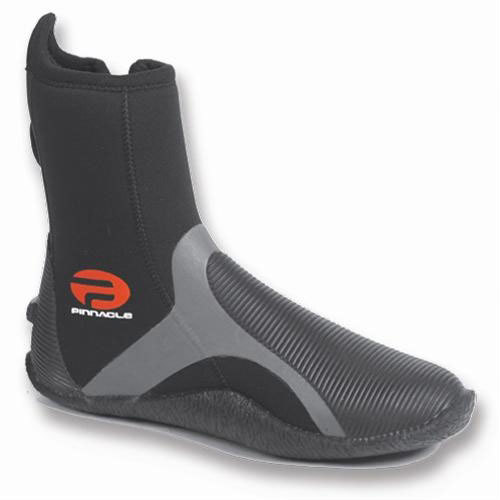
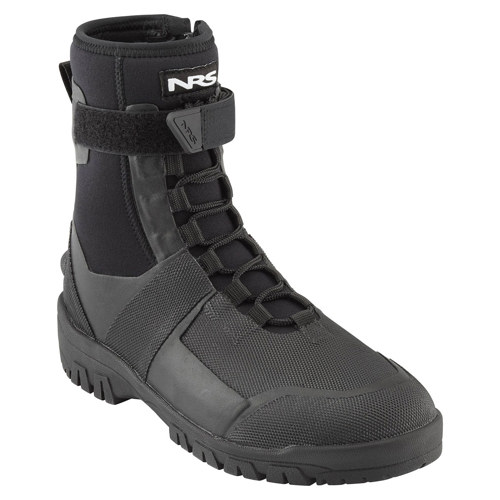
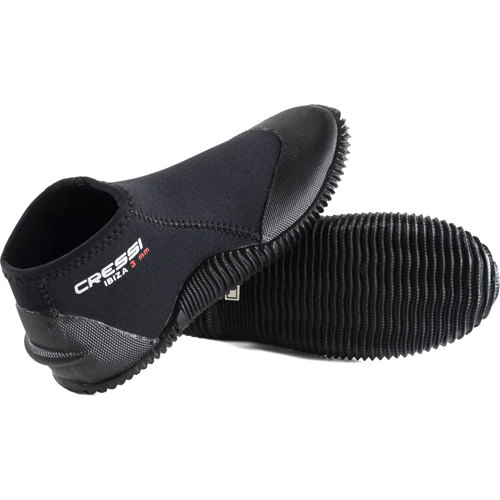
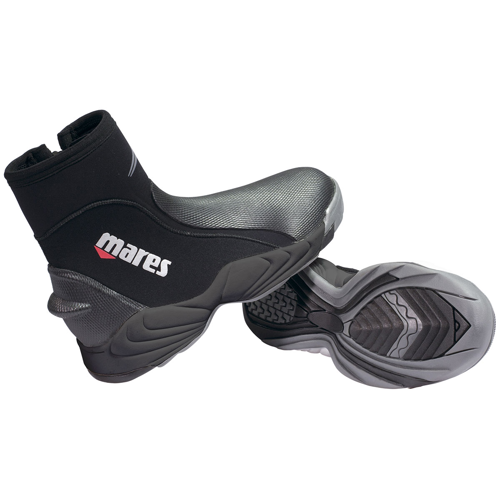
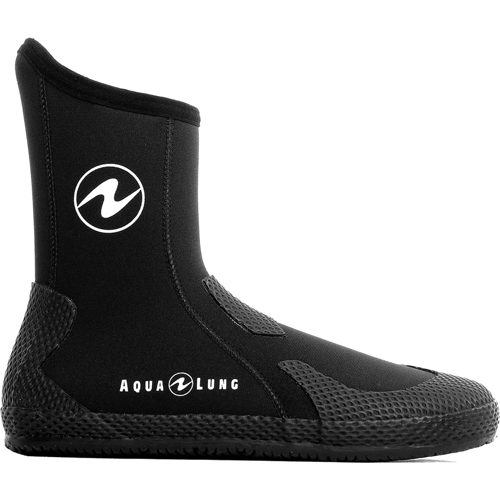
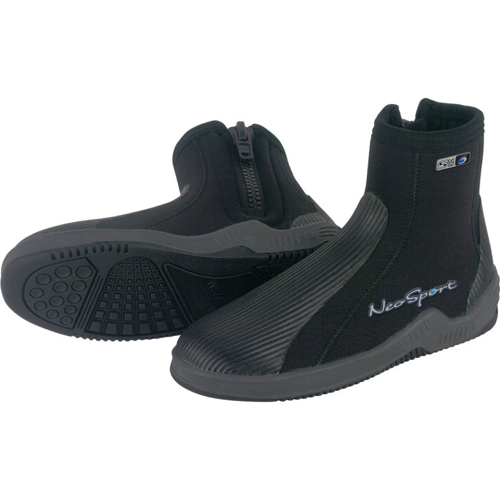
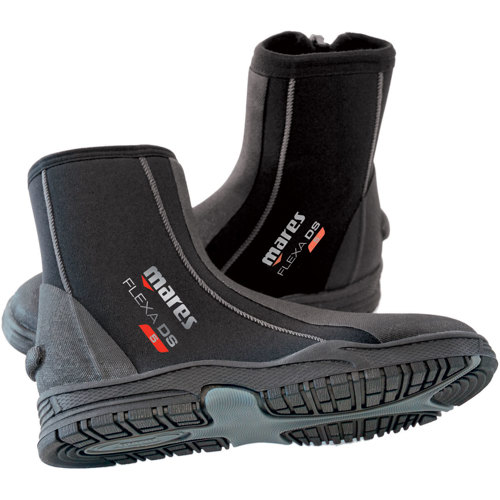
Extreme diving boots are an essential piece of gear for divers who regularly brave challenging environments, whether it’s the icy surge of early spring waters or the jagged, unpredictable terrain of rocky shore entries. As March ushers in colder water temperatures in many regions, the need for reliable insulation and protection becomes even more pronounced. Extreme diving boots, typically constructed from thick neoprene—ranging from 5mm to 7mm—are designed to keep your feet warm and shielded from the elements. Their robust construction often features vulcanized or molded rubber soles, providing critical traction and puncture resistance when navigating slippery rocks, coral, or debris-littered beaches. Reinforced toe and heel caps are standard, guarding against stubs and abrasions as you haul your gear across uneven ground or climb ladders back onto boats. Many models incorporate heavy-duty zippers with water dams or adjustable ankle straps, ensuring a snug fit that minimizes water exchange and keeps the cold at bay. Inside, specialized linings wick moisture away from the skin, while advanced thermal materials help retain body heat, making these boots a trusted companion for technical, cold-water, and shore divers alike.
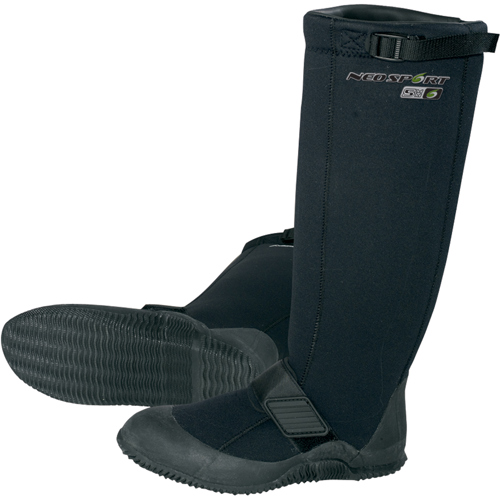
For those who frequent demanding dive sites, the right pair of extreme diving boots can make all the difference between a comfortable, focused dive and one cut short by numb toes or sore feet. Technical divers, rescue teams, and underwater explorers often turn to these boots for their durability and performance in harsh conditions. They’re also an excellent choice for anyone planning to dive in locations where the entry point is less forgiving—think volcanic coastlines, lakebeds strewn with broken shells, or even urban environments where debris is a constant hazard. As the season transitions and water temperatures lag behind the warming air, extreme diving boots become a thoughtful and practical gift for dedicated divers gearing up for early spring adventures. Whether you’re shopping for a seasoned technical diver, a dive instructor who spends long hours in the water, or an adventurous friend preparing for cold-water certification, a pair of heavy-duty boots signals both care and understanding of the demands of the sport. The added ankle support and high-cut designs found in many extreme boots are especially appreciated by divers carrying hefty tanks or traversing rough ground with full gear, and for those seeking even more coverage, options like
Tall Diving Boots provide extended protection and warmth.
Selecting the right extreme diving boots involves balancing insulation, flexibility, and ruggedness. While thicker neoprene offers superior warmth, it’s important to consider the fit inside your fins—too much bulk can lead to cramping or reduced control. Divers who split their time between boat and shore entries may prefer boots with a stiffer sole for land-based approaches, while those who dive primarily from boats might opt for a more flexible design to maximize comfort during finning. Pay attention to closure systems; sturdy zippers with internal flaps help prevent flushing, while Velcro straps or gussets can further customize the fit. In the unpredictable waters of early spring, when conditions can shift quickly and sharp stones lurk beneath the surface, the peace of mind that comes from a well-chosen pair of extreme diving boots is invaluable. Every experienced diver has stories of frigid dawn shore dives or sudden scrambles over rocky outcrops, and it’s often the quality of their boots that turns those moments from ordeals into memorable adventures. Investing in the right pair ensures you stay warm, protected, and ready to explore—no matter what challenges the underwater world throws your way.