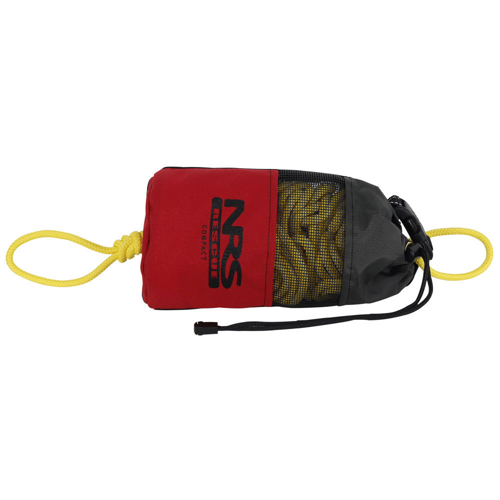
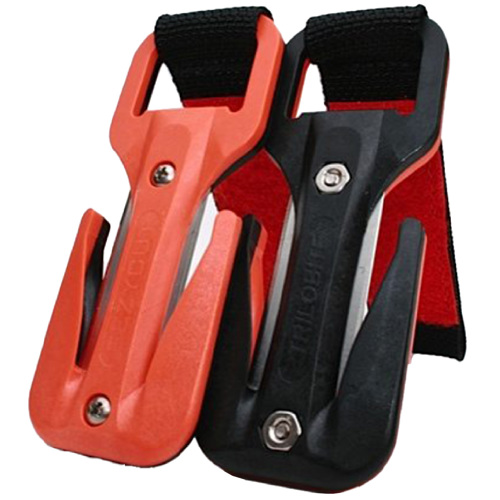
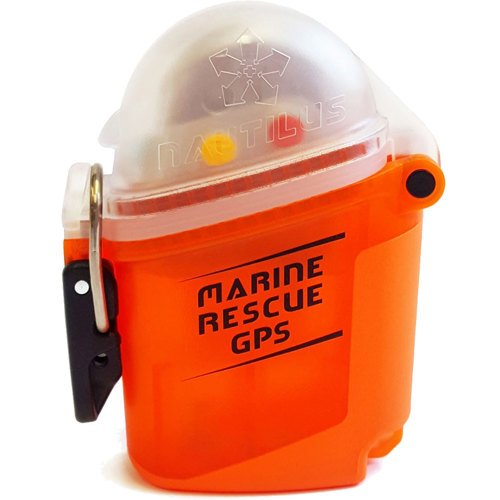
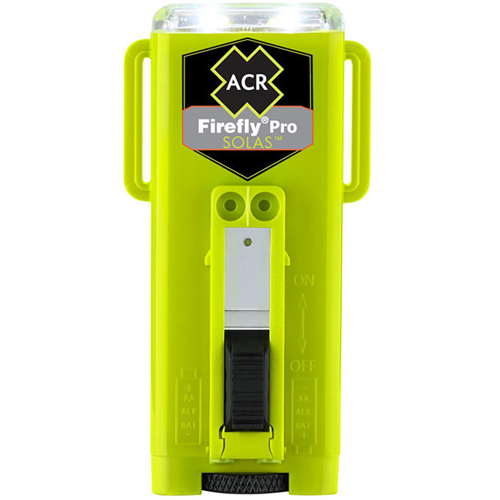
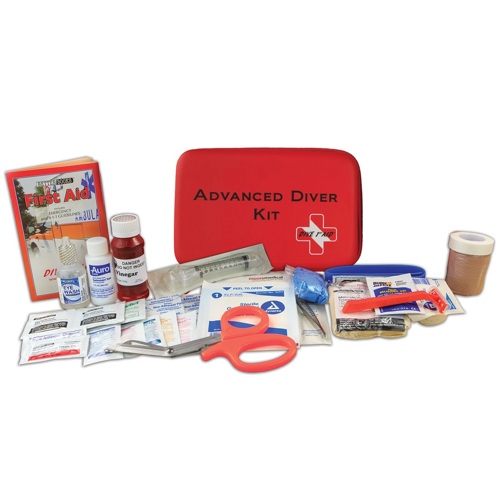
When it comes to preparing for the unexpected, having the right emergency preparedness items on hand is essential for peace of mind and practical safety. Whether you’re heading out for a weekend camping trip, planning a family beach outing, or simply ensuring your household is ready for sudden weather changes, the right gear can make all the difference. As the weather warms and outdoor adventures become more frequent, it’s especially important to consider how your emergency supplies might need to adapt—think hydration needs, lightweight shelter, and portable food options that won’t spoil in the sun. Emergency preparedness items are not just for wilderness explorers or extreme sports enthusiasts; they’re equally valuable for families, solo travelers, or anyone who wants to be ready for power outages, storms, or other unforeseen events that can occur at home or on the go. These tools and supplies are also thoughtful, practical gifts for college students moving into their first apartment, new homeowners, or loved ones who enjoy outdoor recreation. There’s a sense of security that comes from knowing you have what you need to handle minor mishaps or major emergencies, from a well-stocked first aid kit to a weather-resistant flashlight or a multi-purpose tool that fits easily in a backpack or glove compartment.
When selecting emergency preparedness items, consider versatility, durability, and ease of use. Water and food supplies should be non-perishable and easy to prepare, with enough for at least three days per person. Reliable light sources, such as battery-powered or hand-crank flashlights and radios, are crucial for staying informed and safe during power outages or severe weather. A comprehensive first aid kit, complete with medications, bandages, and sanitation supplies, ensures you’re equipped to manage minor injuries or illnesses until help arrives. It’s also wise to include items for shelter and warmth, such as emergency blankets, rain gear, and materials for creating a temporary shelter if needed. For families, customization is key—think about adding baby formula, pet food, or extra medications to your kit. Storing copies of important documents in a waterproof container and keeping extra cash on hand are often overlooked but can be invaluable in a crisis. Regularly checking expiration dates and rotating supplies as needed ensures your kit is always ready when you need it. For those looking to share the gift of preparedness, curated kits or specialty items make meaningful presents, especially as graduation season, weddings, and summer travel plans approach. For more inspiration on practical and thoughtful options, explore our selection of
Emergency Preparedness Gifts tailored to a variety of needs and lifestyles. With the right planning and equipment, you can enjoy the season’s adventures with greater confidence, knowing you’re ready for whatever comes your way.