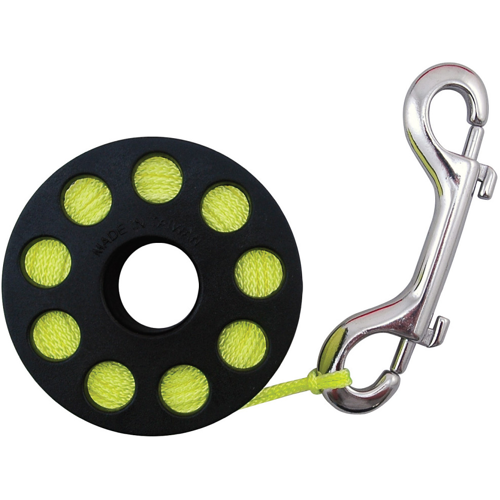
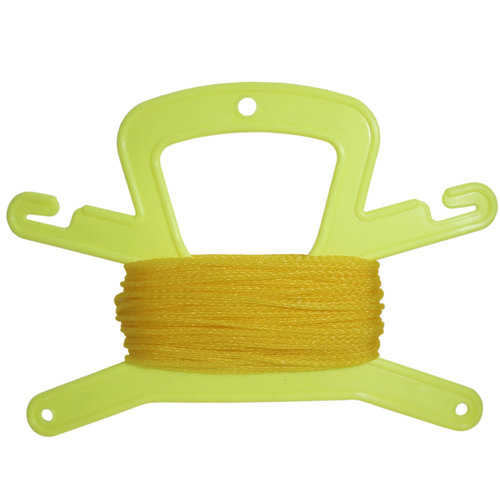
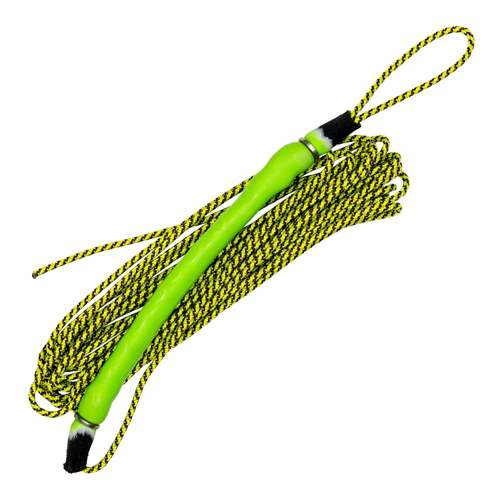
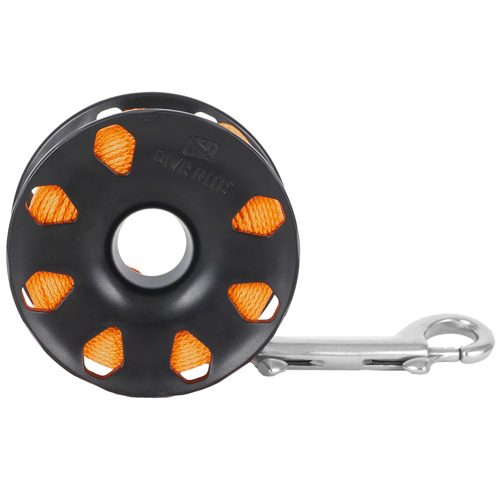
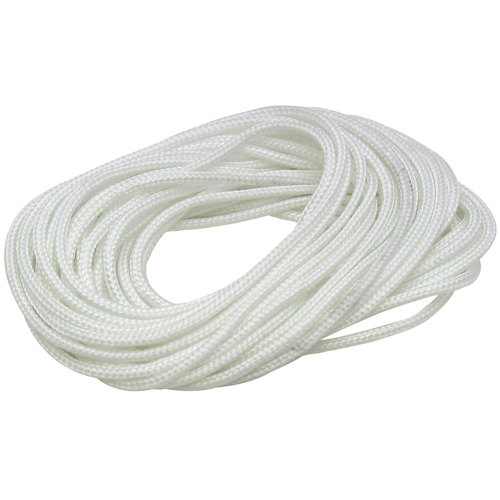
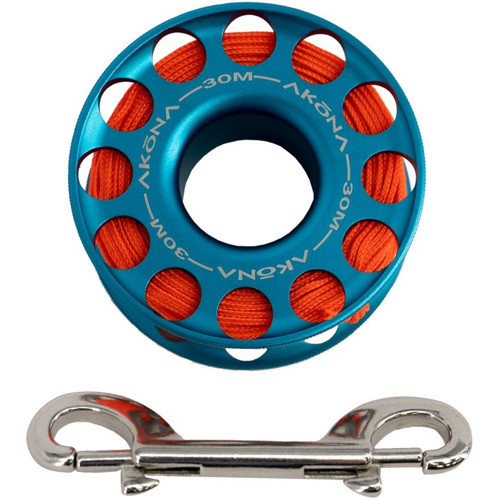
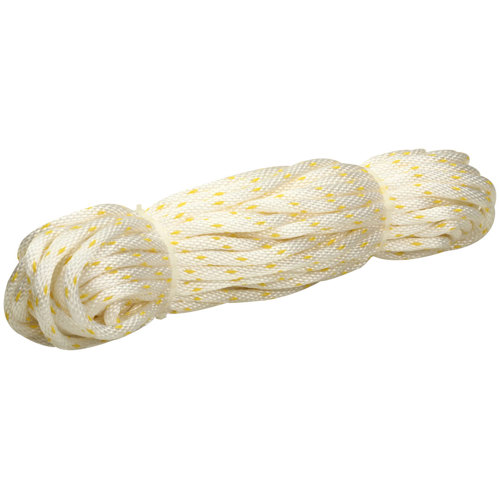
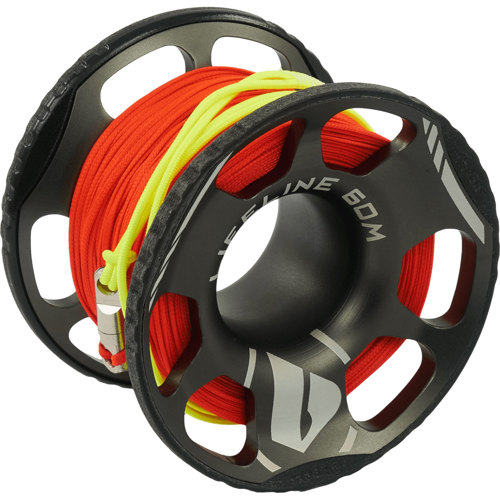
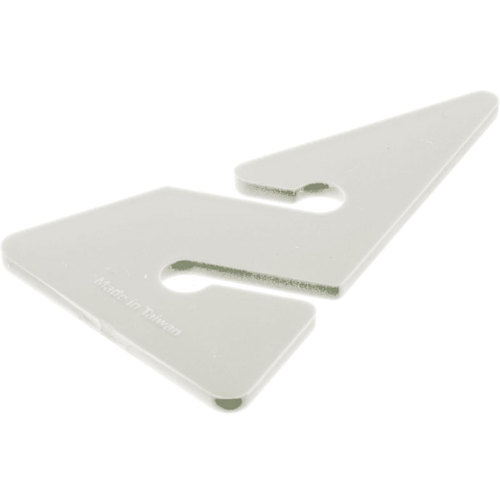
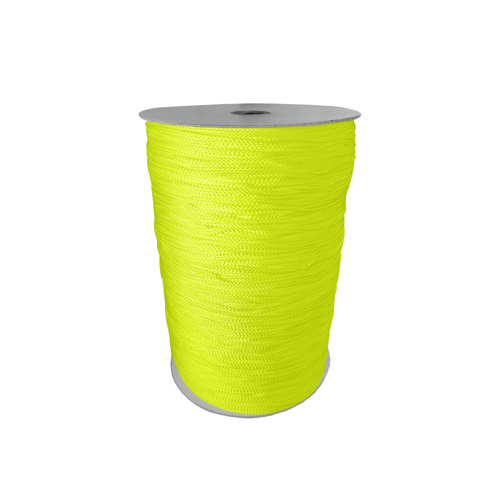
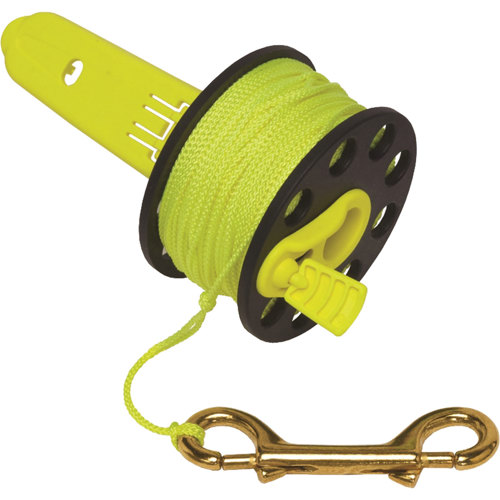
Durable diving lines serve as a lifeline for divers venturing into a wide range of underwater environments, from open water navigation to intricate cave systems and historic wrecks. As the weather warms and the diving season stretches from late spring into the heart of summer, more divers find themselves gearing up for new adventures, making the choice of a reliable dive line all the more crucial. Whether you’re a seasoned technical diver laying guideline in a labyrinthine cave, a recreational diver deploying a surface marker buoy, or a spearfisher managing the tension of a catch, the right diving line can be the difference between a smooth dive and a stressful one. The best dive lines are engineered to withstand the challenges of saltwater, UV exposure, and repeated handling, often utilizing high-tenacity materials like braided nylon or heat-treated polyester. These materials remain supple and strong even after hours underwater, resisting abrasion from rocks, coral, or wreckage, and retaining their integrity in both fresh and saltwater environments. Bright, high-visibility colors—like neon yellow, orange, or chartreuse—are especially valuable, allowing divers to easily trace their path in low-light or murky conditions, and braided constructions offer added strength, reduced tangling, and a more secure grip when gloves are in use.
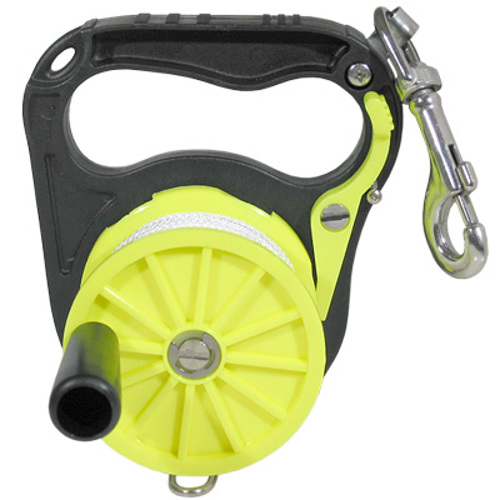
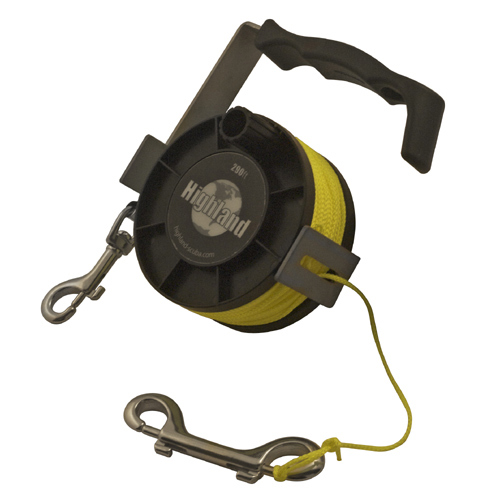
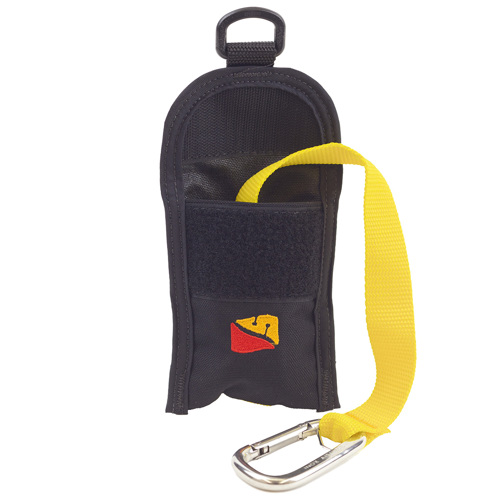
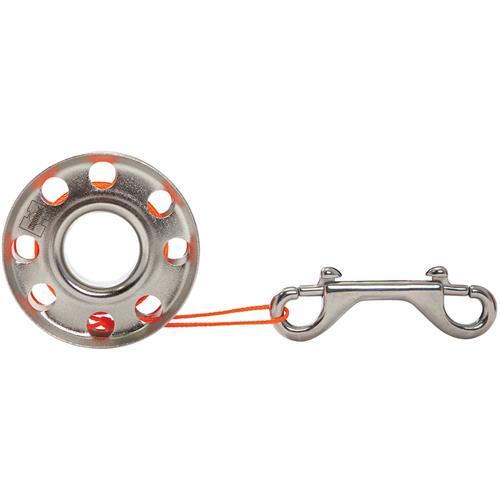
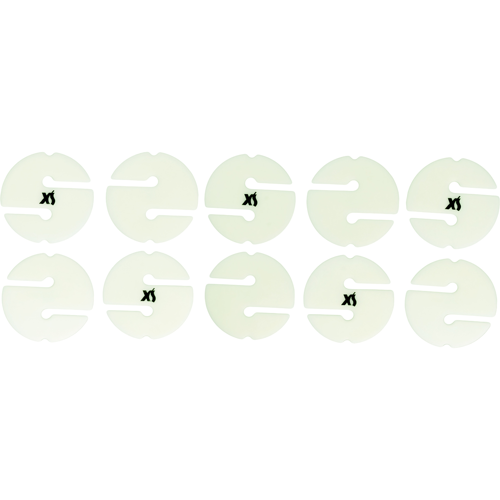
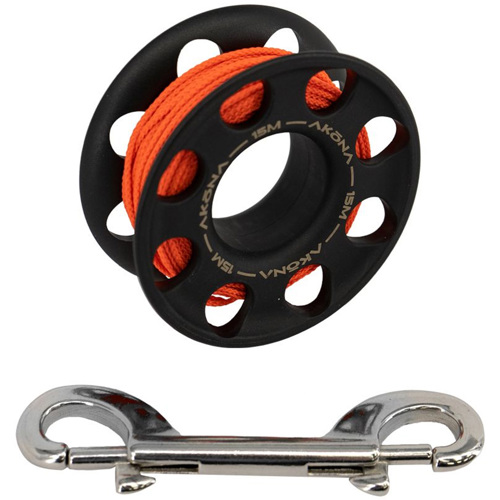
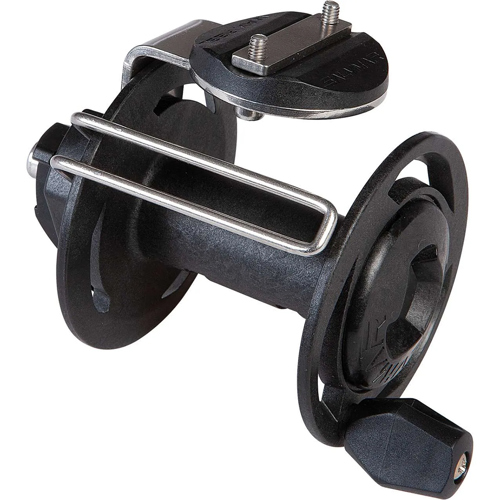
Selecting the right diving line involves considering not just the material, but also the intended use and the diving conditions. For cave and wreck diving, a robust guideline is essential for marking a clear route back to open water, often stored on a durable reel or aluminium spool for easy deployment and retrieval. Technical divers may opt for heavier gauge lines for complex penetrations, while recreational divers appreciate thinner, lighter lines for tasks like deploying delayed surface marker buoys or conducting search-and-recovery exercises. Jon lines, with their sturdy webbing and secure clips, are invaluable for decompression stops in strong currents, keeping divers safely tethered to a mooring or anchor line. Meanwhile, spearfishers and freedivers rely on shocklines to absorb the energy of a shot and manage the unpredictable movements of a catch. Dive instructors and group leaders often keep extra diving lines on hand to facilitate training exercises, mark boundaries, or create temporary reference points for student divers. These practical tools also make thoughtful gifts for divers who enjoy exploring new sites or who are building out their gear collection—especially as summer trips and dive holidays approach. For those looking for a balance of strength, flexibility, and durability, exploring options made from premium nylon can be a wise choice; you can browse a carefully curated selection of
Nylon Diving Lines to find the right fit for your next underwater adventure.
No matter the application, investing in a quality dive reel line or spool pays dividends in safety and convenience. A well-chosen diving line resists kinking and fraying, deploys smoothly from an aluminium spool or reel, and stands up to repeated use across seasons. Divers often share stories of how a dependable guideline made the difference during a silt-out in a wreck or provided reassurance during a long drift in open water. As dive sites become busier during the peak months, having your own reliable line ensures you’re not left waiting or improvising with subpar gear. Whether you’re gearing up for a solo exploration, a group dive, or an extended training course, making the right choice in durable diving lines means you’re prepared for whatever the underwater world has in store.