Nylon Diving Lines
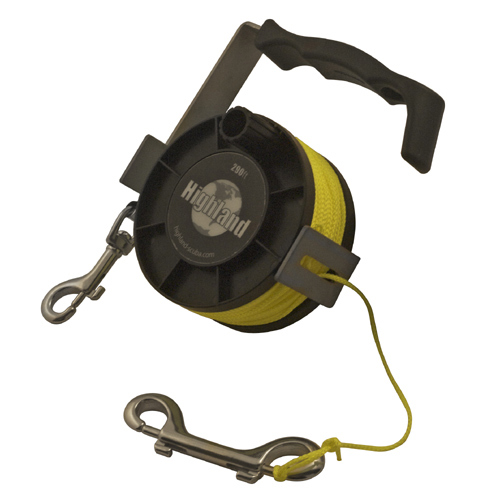
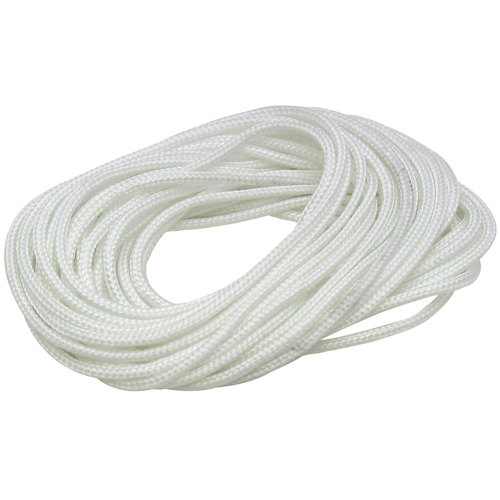
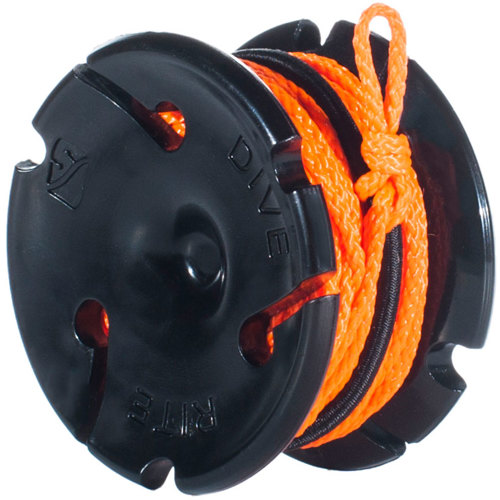
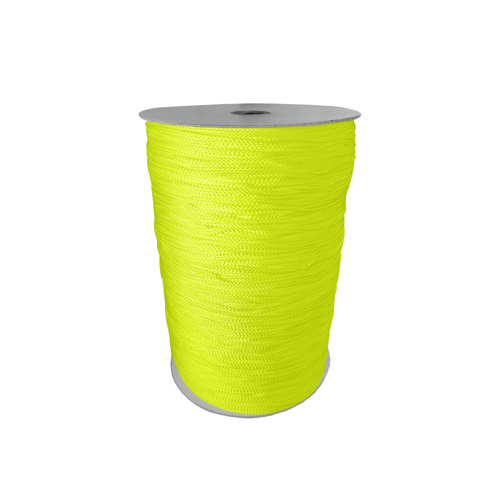
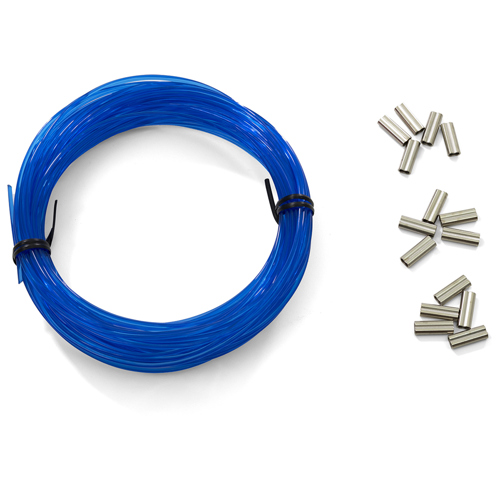
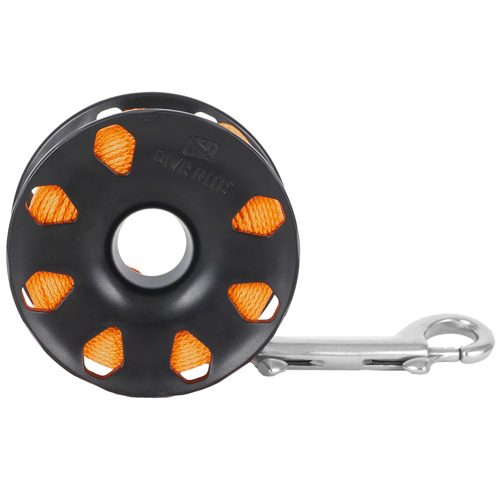
Nylon diving lines have become an indispensable part of the diver’s toolkit, offering unmatched reliability and versatility for a wide range of underwater activities. Whether you’re navigating through intricate cave systems, exploring shipwrecks, or simply deploying a Surface Marker Buoy (SMB) during a safety stop, a high-quality dive line provides both security and peace of mind. These lines are typically crafted from tightly braided nylon, which is prized for its combination of strength, slight elasticity, and resistance to twisting. The negative buoyancy of nylon ensures the line sinks gently and remains stable, preventing it from floating up and tangling in the water column. This characteristic is especially appreciated by divers working in environments with strong currents or limited visibility, as the line stays exactly where it’s needed—whether anchored to the seafloor or trailing behind a diver. The elasticity of nylon also plays a crucial role in absorbing sudden tension, reducing the risk of snap-offs or accidental entanglements, which is vital when maneuvering through confined spaces or around obstacles.
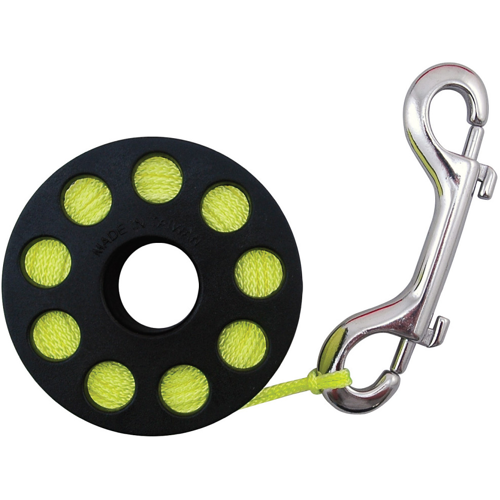
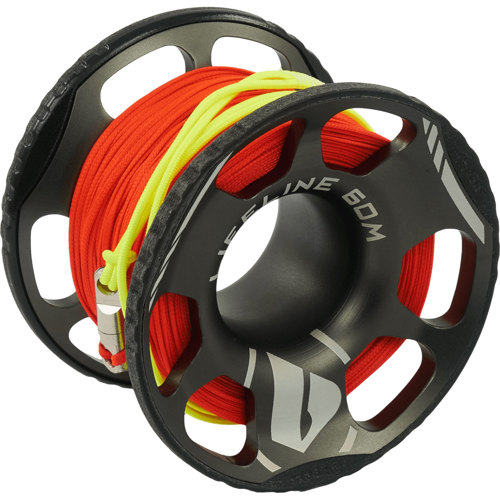
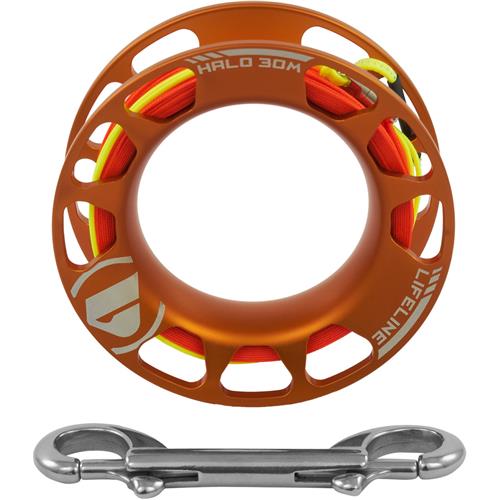
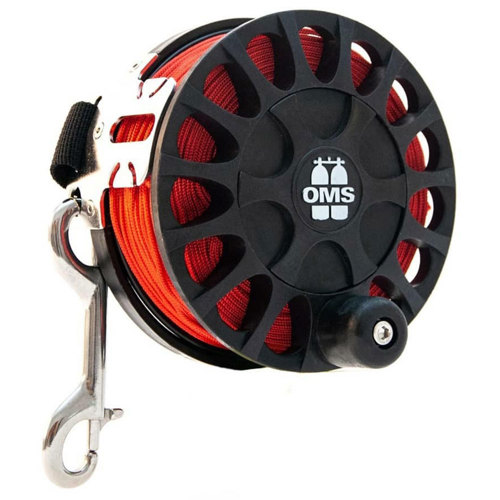
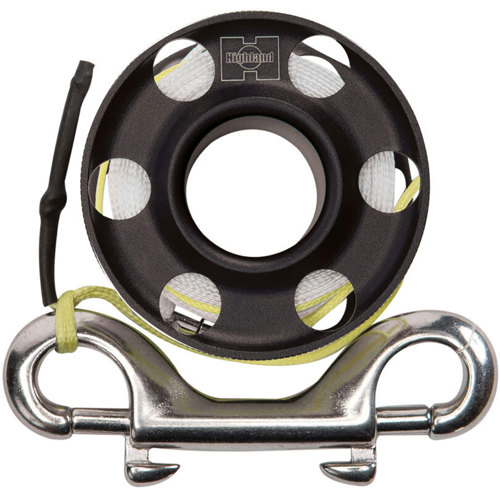
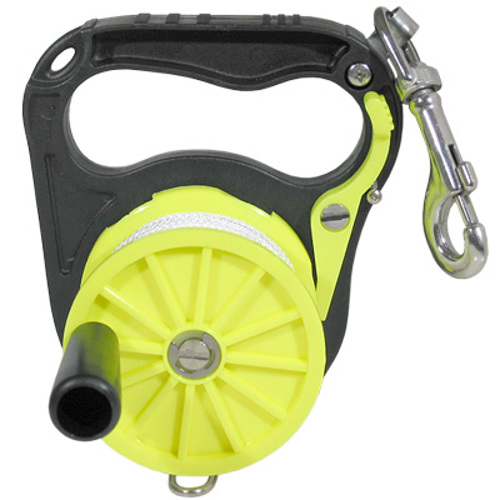
As the weather warms and diving season comes into full swing, both novice and experienced divers find themselves reaching for their trusted diver lines. The variety of available options—from lightweight #24 braided nylon for recreational navigation to heavier-duty #48 lines for commercial or technical applications—means there’s a diving line suited to nearly every scenario. Brightly colored and highly visible, these lines are easy to track in low-light or murky conditions, adding another layer of safety. Many divers prefer to pair their nylon reel with accessories like jon lines, which are shorter lengths of nylon cord equipped with snap hooks for tethering to anchor lines during crowded decompression stops. These compact and practical additions help maintain order and personal space when multiple divers are ascending together. Dive lines also make thoughtful gifts for anyone passionate about underwater exploration, from the newly certified open water diver to the seasoned cave explorer. They’re practical, durable, and always appreciated—especially when paired with other essentials such as reels or spools. For those looking to expand their gear setup, integrating a reliable diving line with related equipment like
Nylon Dive Floats can further enhance safety and enjoyment during long days on the water.
Selecting the right diving line involves considering factors such as tensile strength, visibility, and the specific demands of your diving environment. Nylon’s ability to absorb water does mean it loses a small percentage of its strength when wet, so periodic inspection and maintenance are recommended, especially after repeated use or prolonged submersion. Many divers find that after a season of diving, their lines may loosen slightly on the reel and benefit from re-tensioning to ensure optimal performance. With proper care, a quality dive line will last through countless dives, providing the reliability needed for navigation, marking routes, or deploying floats. Whether you’re gearing up for summer adventures or preparing for cooler water excursions later in the season, investing in robust, high-visibility nylon diving lines ensures you’re ready for whatever the underwater world has in store. The right line not only supports your safety but also opens up new possibilities for exploration, making every dive more enjoyable and secure.