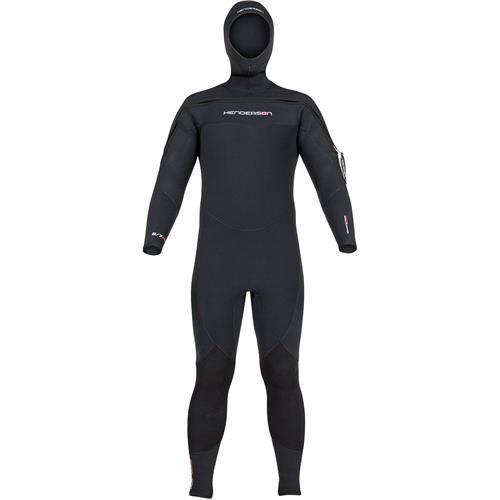
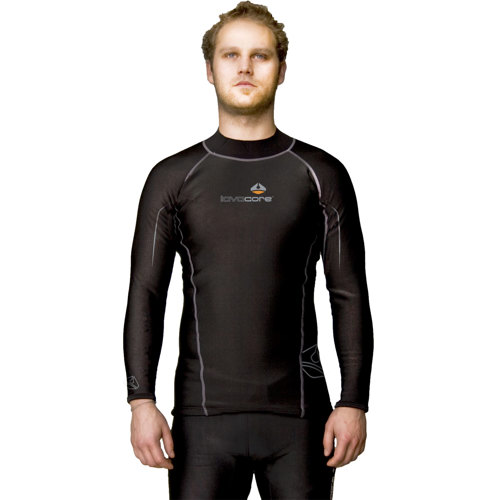
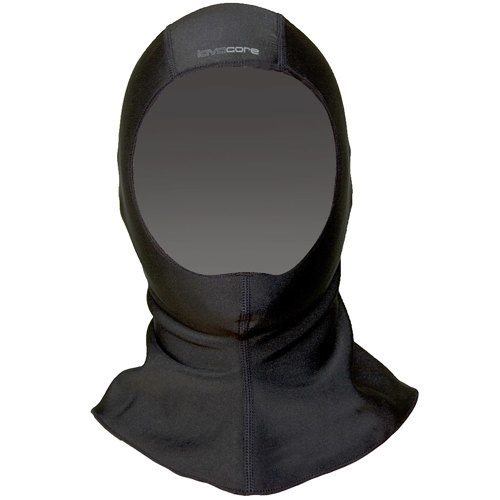
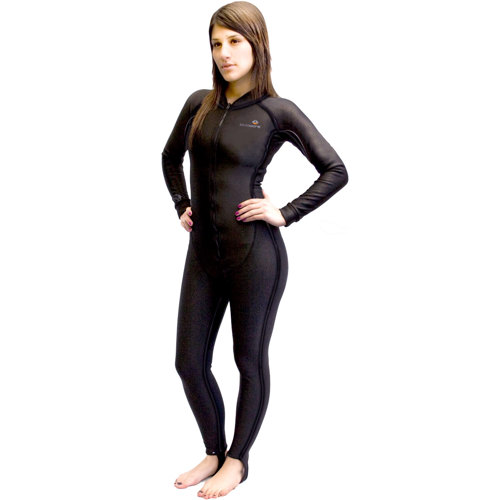
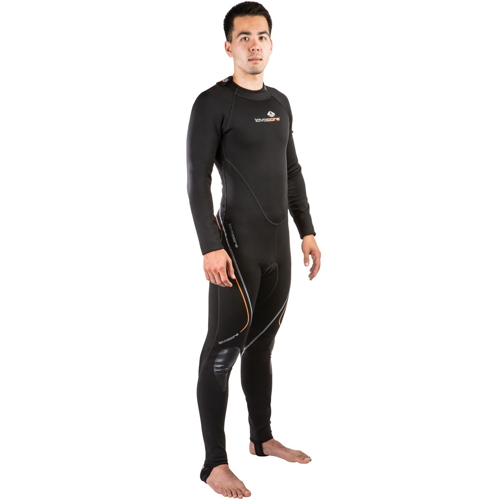
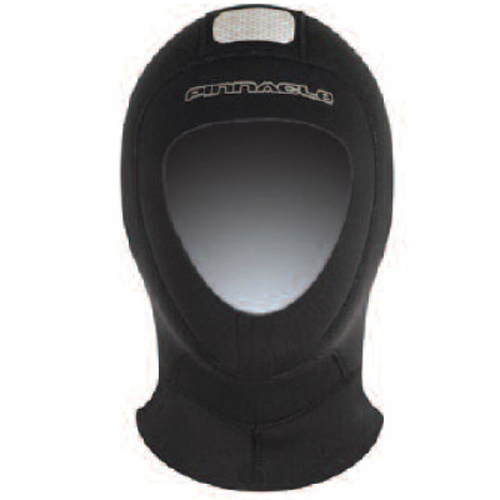
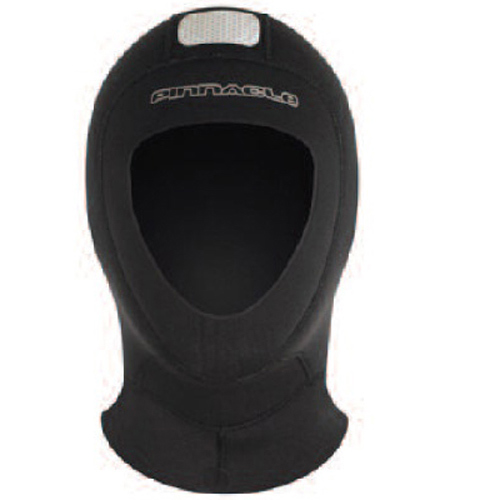
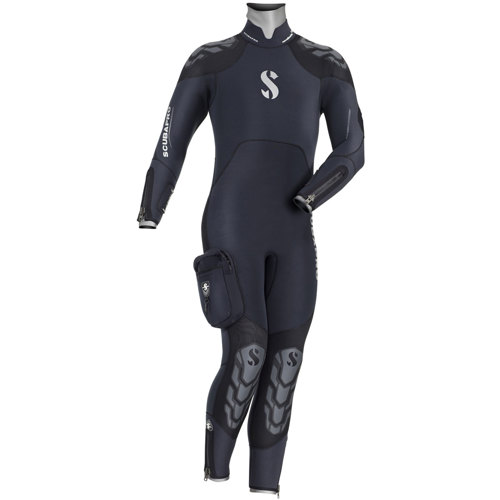
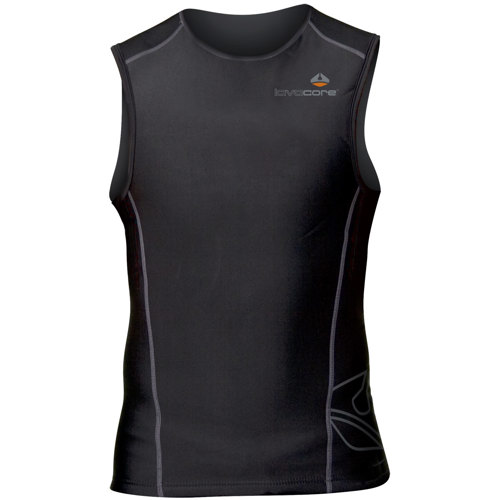
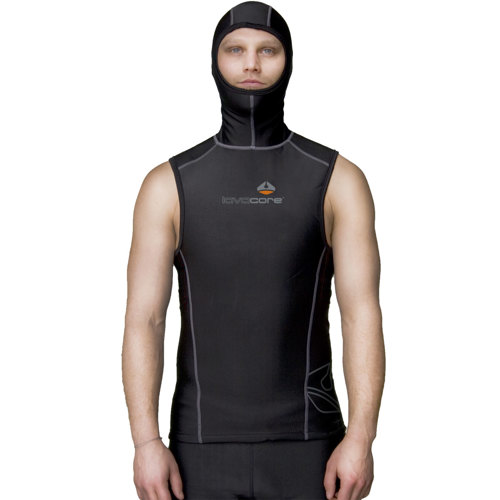
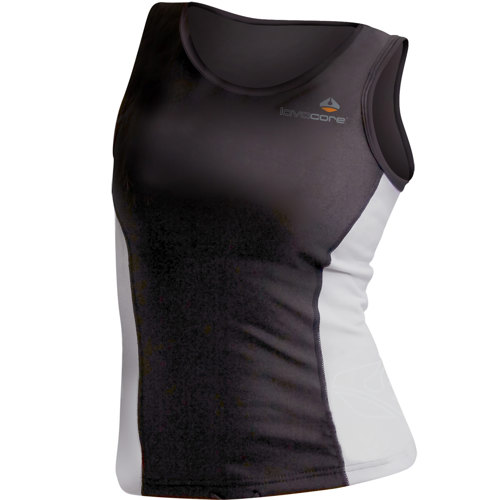
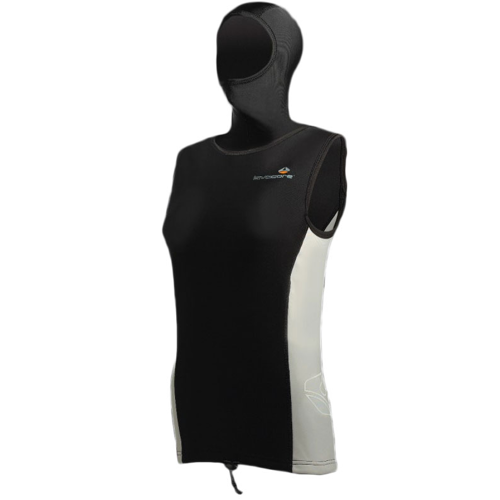
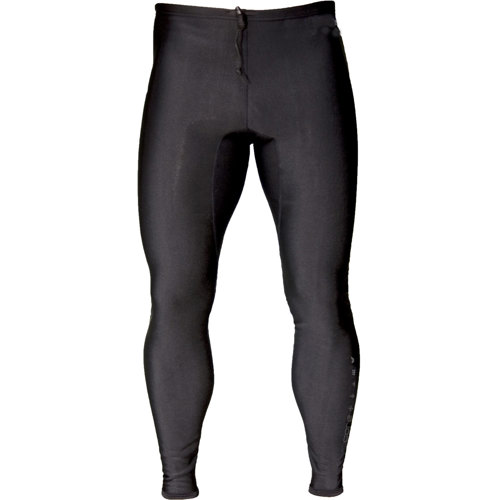
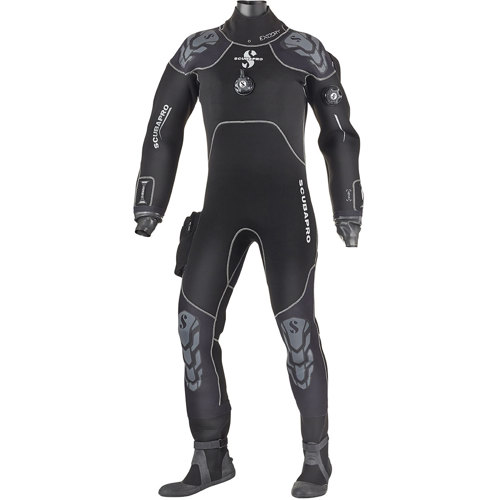
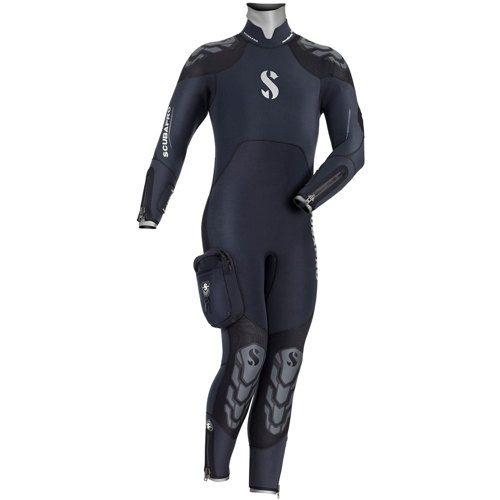
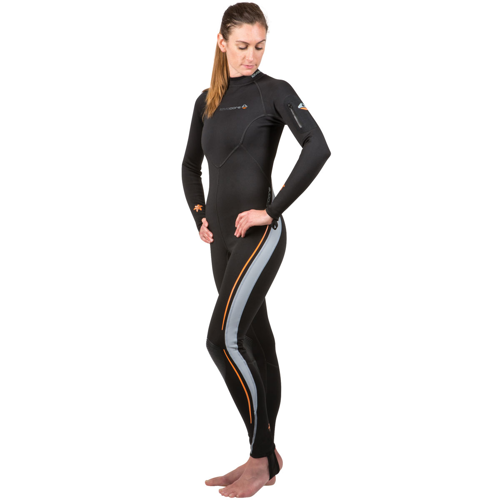
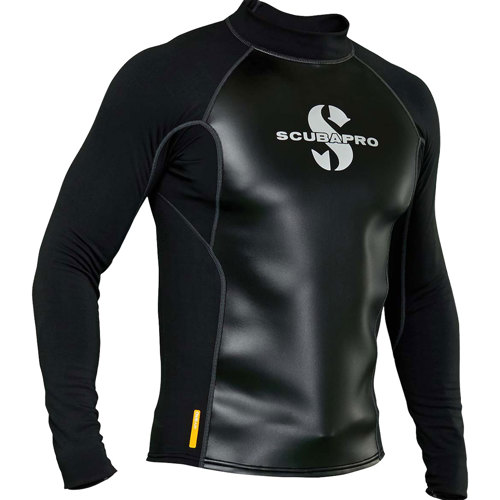
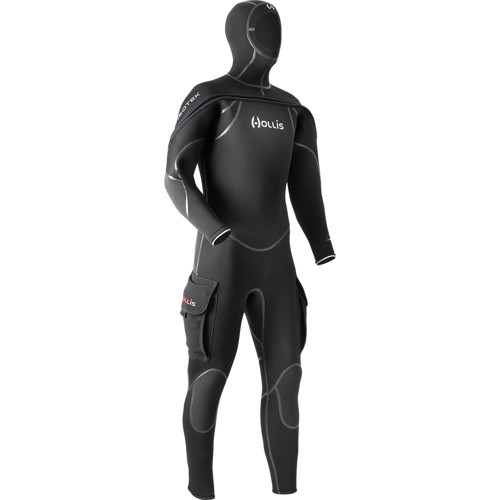
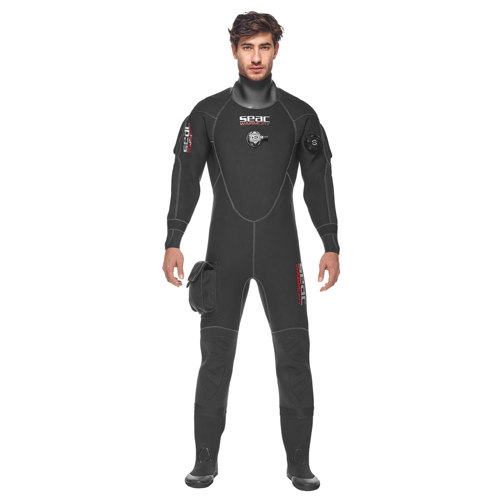
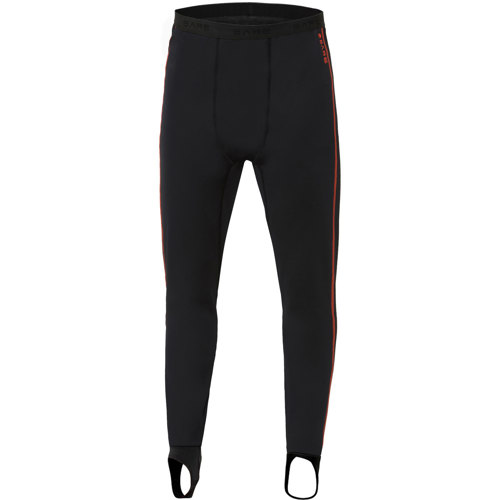
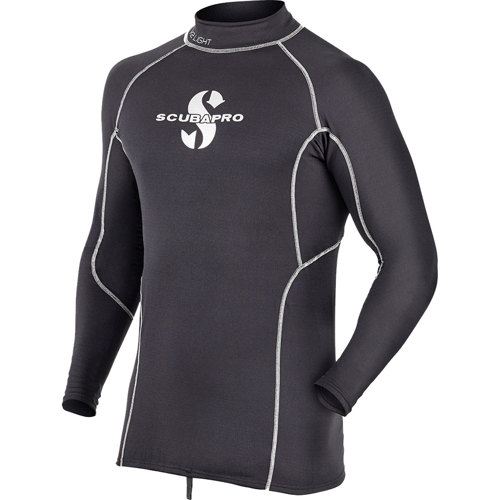
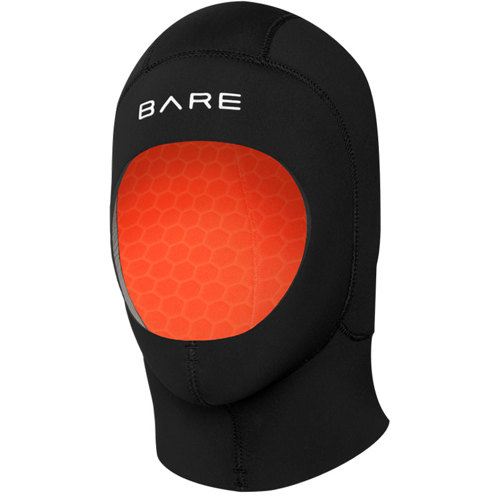
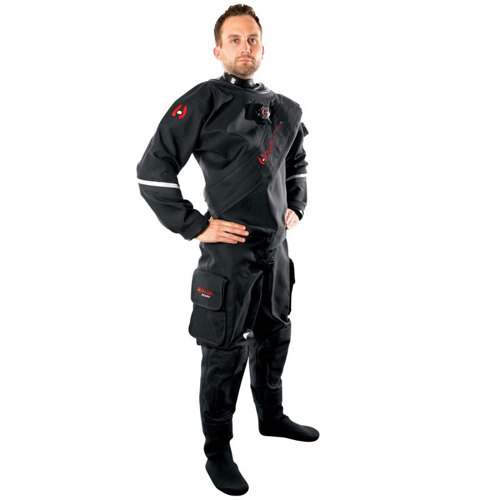
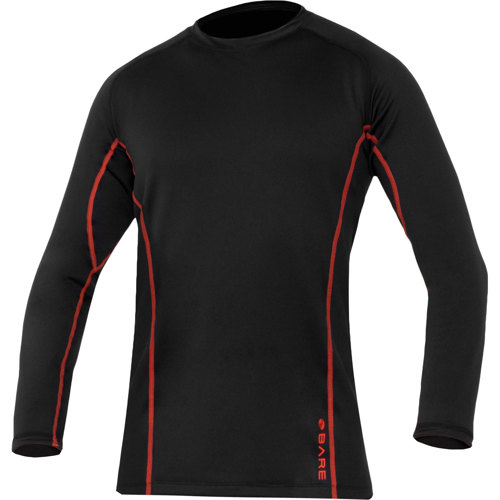
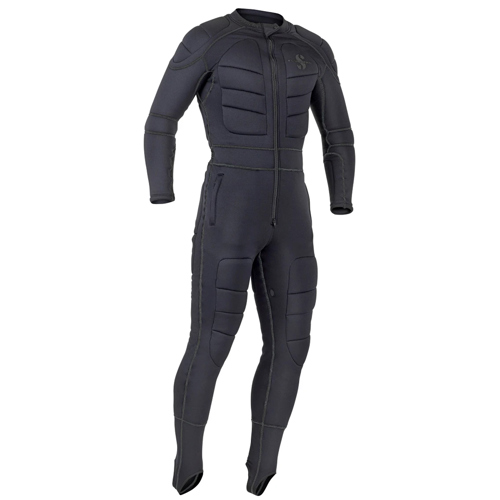
For divers who venture beneath the surface in cooler waters, drysuit insulation is an essential layer of comfort and safety, transforming a bracing experience into a truly enjoyable one. Whether you’re a seasoned technical diver plunging into the depths of a northern lake, a passionate underwater photographer seeking crisp visibility in the early spring, or a recreational explorer eager to extend your dive season, the right insulation under your drysuit makes all the difference. March brings the promise of spring, but water temperatures often lag behind the air, making proper thermal protection a necessity for anyone eager to start the season early. Drysuit insulation garments are designed to maintain body warmth by trapping a layer of air close to the skin, creating a barrier against the relentless chill of cold water. These undergarments come in a variety of thicknesses and materials, from lightweight fleece for milder conditions to robust, high-loft synthetics or even layered systems for extreme environments. The choice depends on the water temperature, dive duration, and personal cold tolerance, as well as the fit and style of your drysuit.
Selecting the ideal drysuit insulation involves considering not just warmth, but also mobility and moisture management. Divers who spend long periods submerged—such as instructors, scientific researchers, or those participating in multi-dive days—often gravitate toward insulation that balances heat retention with breathability, ensuring comfort throughout the dive and during surface intervals. Features like articulated seams, stretch panels, and moisture-wicking fabrics can make a noticeable difference in flexibility and dryness, especially when layering is required. For those new to cold water diving, investing in quality insulation is a game-changer, allowing for longer, more comfortable dives and reducing the risk of post-dive chills. These garments also make thoughtful gifts for avid divers, particularly as the diving community anticipates the return of prime cold-water conditions or plans trips to legendary cold-water destinations. The versatility of modern drysuit insulation means it can be tailored to individual needs—some divers prefer a single, high-performance suit, while others mix and match layers to adapt to varying conditions. If you’re preparing for adventures in colder environments or simply want to make the most of early-season opportunities, exploring options like those found on our
High Insulation Dry Suits For Cold Water page can help you find the right combination of protection and comfort for your diving style.
The importance of proper drysuit insulation extends beyond comfort; it’s a critical component of dive safety and enjoyment. Cold stress can sap energy, impair decision-making, and shorten dive times, turning what should be an exhilarating experience into an endurance test. With the right insulation, however, you can focus on the wonders around you—watching kelp forests sway in the current, marveling at the intricate life on a shipwreck, or simply enjoying the serenity of a quiet underwater world. As the seasons shift and water temperatures remain cool, investing in reliable drysuit insulation ensures you stay warm, agile, and ready for whatever the underwater world has in store. Whether you’re gifting a loved one who dreams of exploring the world’s chillier dive sites or upgrading your own kit for the season ahead, a well-chosen insulation system is the key to unlocking new adventures and making every dive memorable.