Downstroke Fins
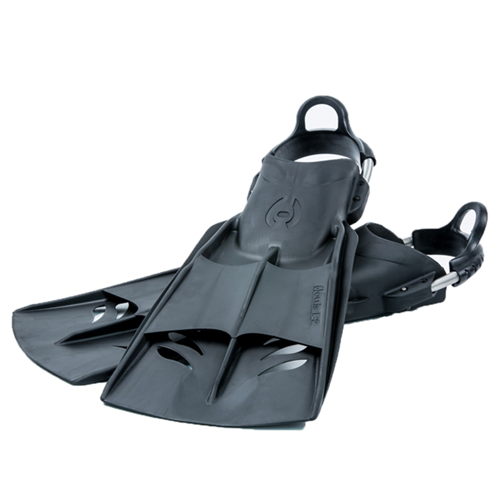
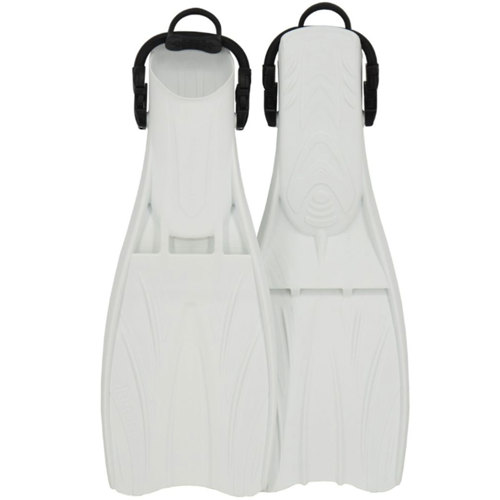
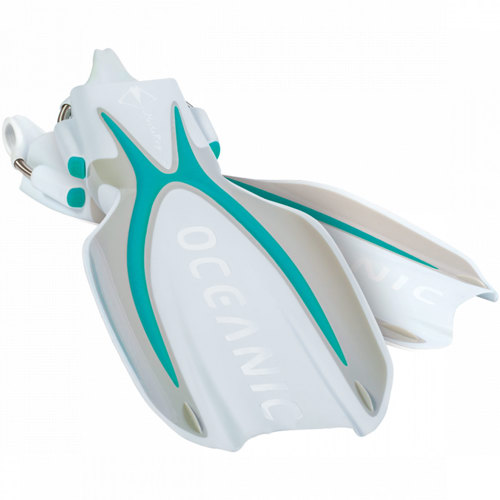
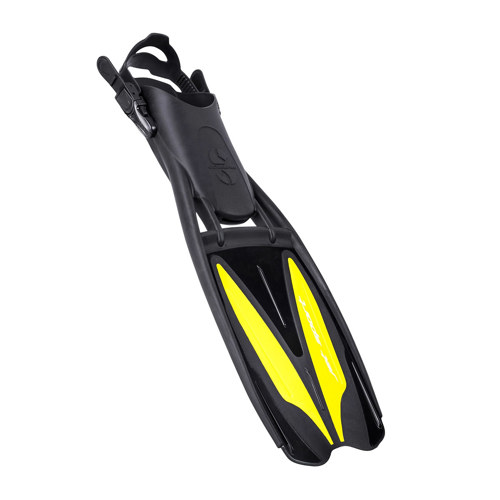
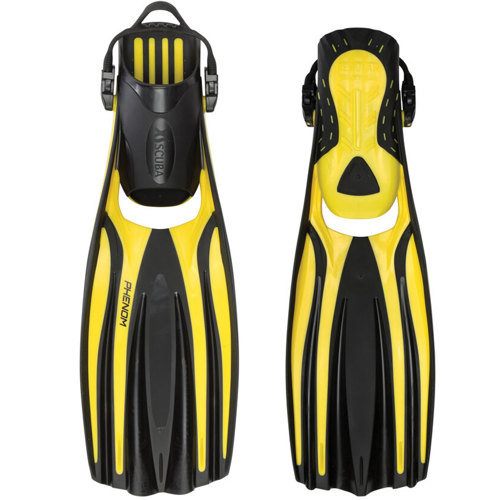
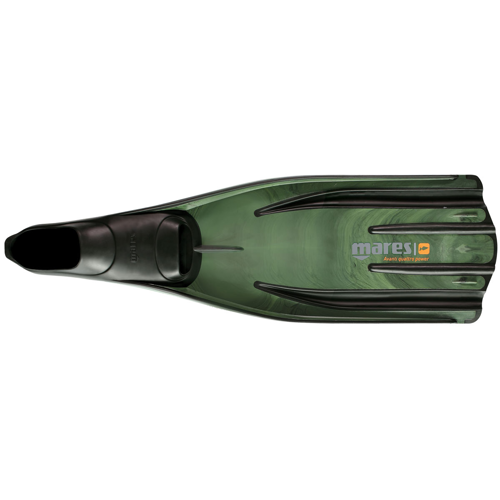
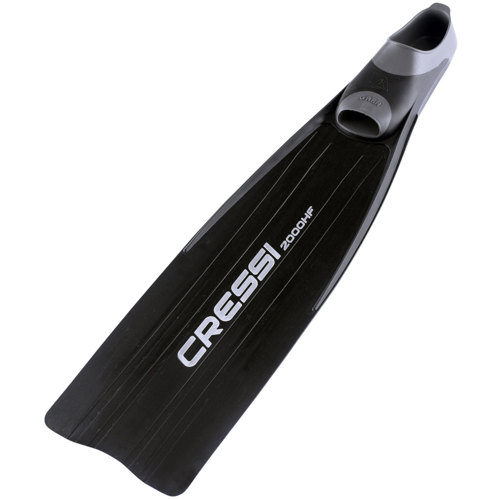
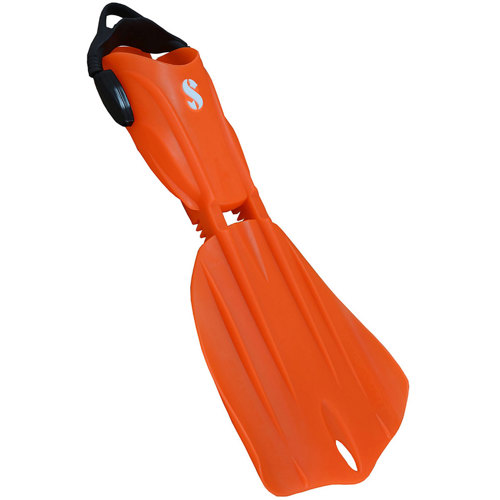
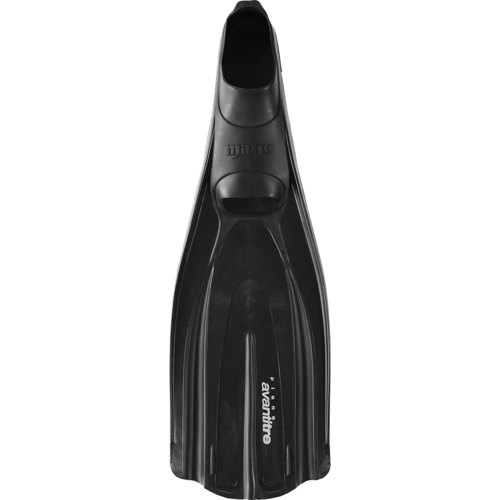
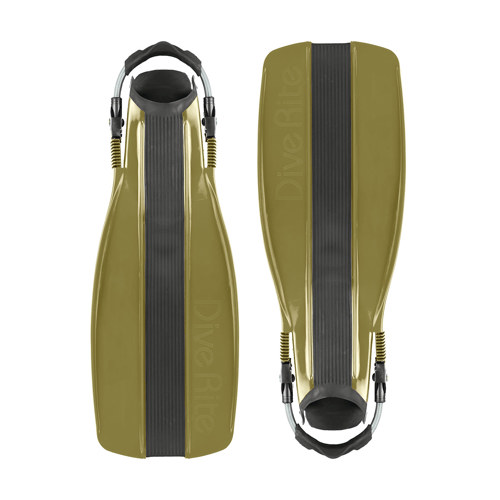
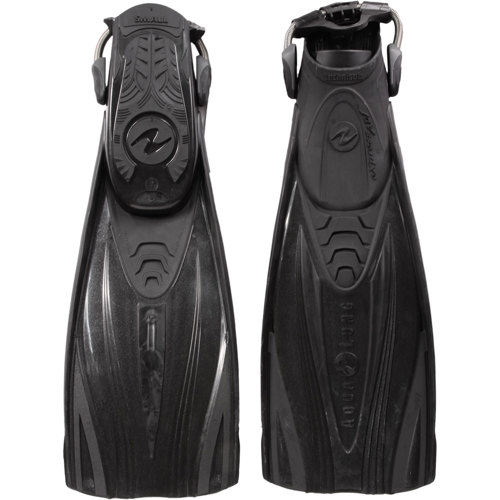
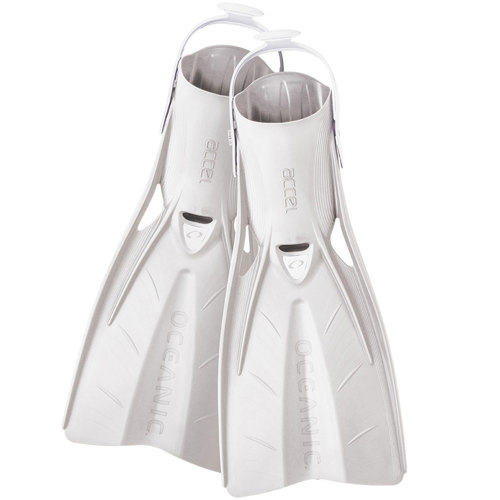
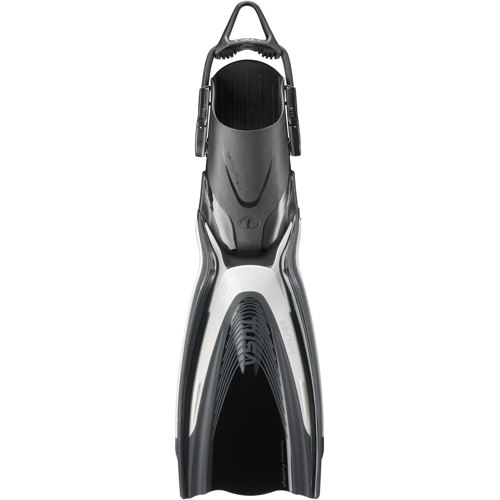
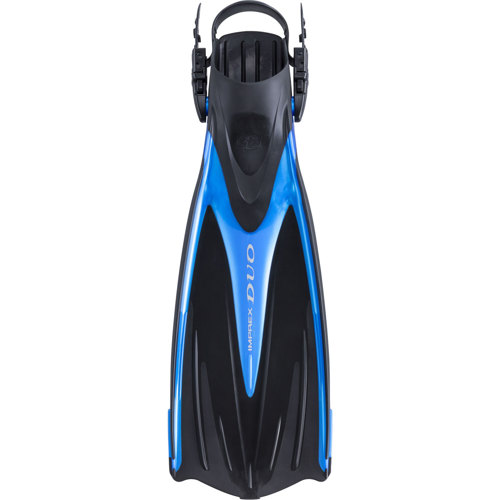
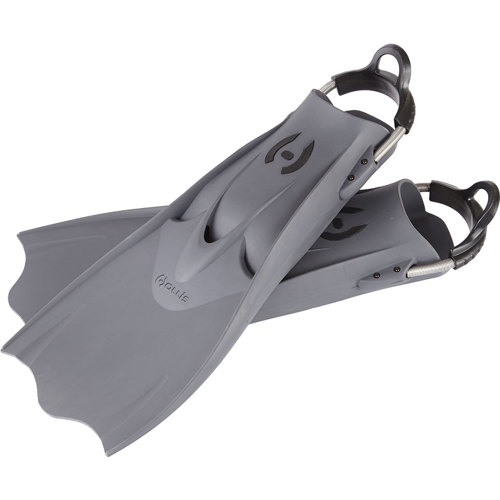
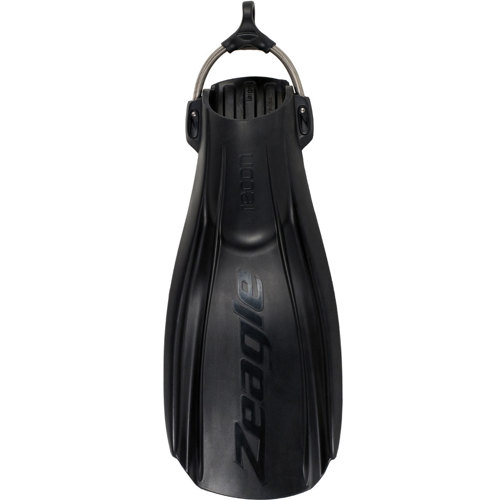
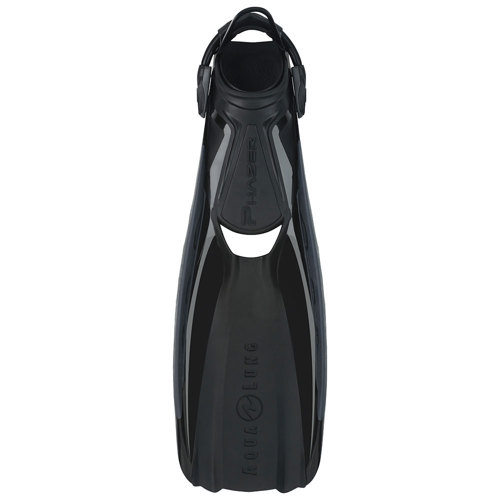
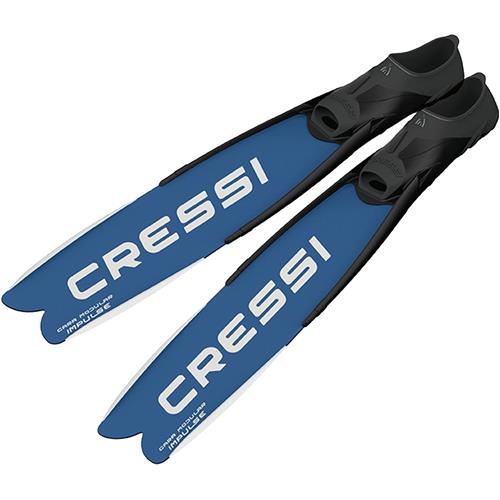
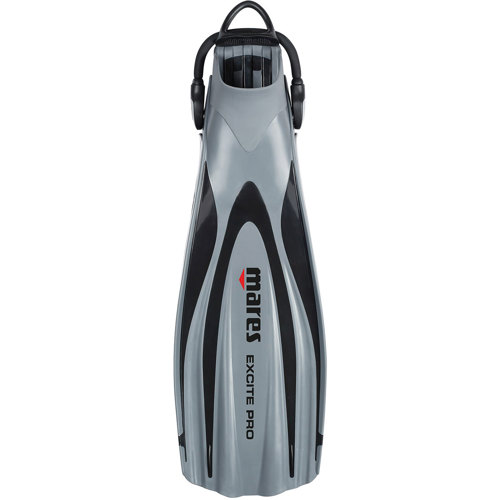
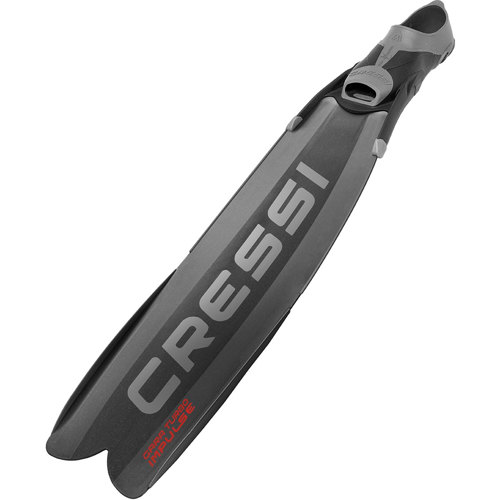
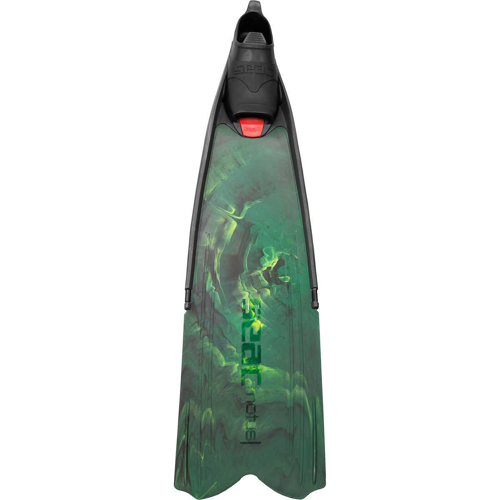
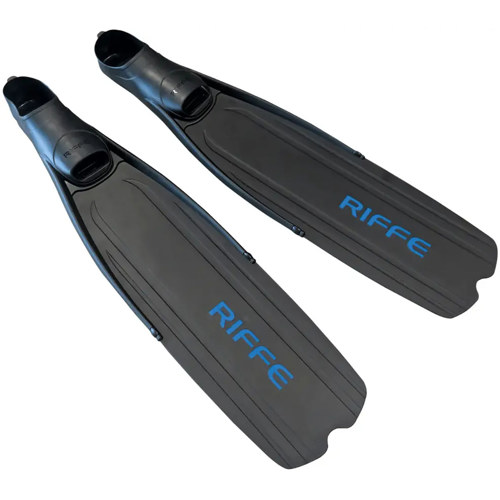
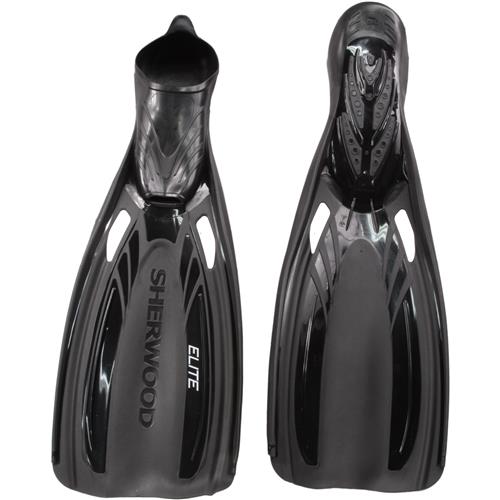
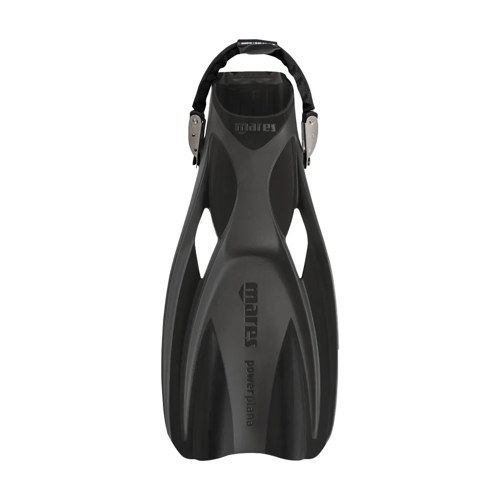
Downstroke fins have become a popular choice among divers and snorkelers seeking to maximize their efficiency and comfort in the water, especially as the weather warms and aquatic adventures beckon. These fins are engineered with a keen understanding of underwater propulsion, focusing on harnessing the full power of the downward or forward kick. Unlike traditional flat-blade fins, downstroke fins often feature innovative venting, angled blades, or specialized channels that direct water forcefully backward during the power phase of the kick, while allowing water to bypass the fin with minimal resistance on the upstroke. This design not only delivers a noticeable boost in thrust and speed but also reduces the strain on a diver’s legs and ankles, making each kick more effective and less tiring over the course of a dive. For those planning longer excursions or exploring sites with strong currents, the energy savings and enhanced maneuverability provided by these fins can make a significant difference in overall enjoyment and endurance.
The thoughtful construction of downstroke fins appeals to a wide spectrum of users, from seasoned technical divers navigating challenging wrecks and caves to recreational snorkelers gliding over vibrant reefs. The stiff blade areas and mid-foot flex points found in many modern models help distribute power more evenly across the leg, decreasing the risk of fatigue and allowing divers to maintain steady propulsion with less effort. This makes downstroke fins an excellent option for individuals who rely on flutter kicks or need to cover longer distances beneath the surface. Additionally, the easy-to-use features and comfort-focused foot pockets make them accessible for newer divers or anyone looking for a reliable upgrade from basic fins. As a thoughtful gift, downstroke fins are ideal for outdoor enthusiasts, travel lovers, or family members preparing for a tropical getaway—providing a practical and memorable way to enhance their time in the water, whether they’re exploring local lakes or embarking on a bucket-list dive trip.
When choosing downstroke fins, it’s important to consider factors such as blade stiffness, length, and the presence of vents or channels, all of which affect how the fins interact with water during each kick cycle. Divers who value precise control and quick direction changes may prefer shorter, more maneuverable blades, while those seeking maximum power for swimming against currents might opt for longer, stiffer designs. The right fit is also crucial for comfort and performance; many divers find that open-heel models paired with booties provide a secure, adjustable feel, especially in cooler or variable water temperatures. For those interested in exploring more about how vented designs contribute to efficient propulsion and reduced fatigue, our
Vented Fins page offers additional insights into the benefits and applications of these advanced fin technologies. Whether preparing for a summer of local dives or planning ahead for autumn adventures, selecting the right downstroke fins can transform your underwater experiences, helping you move with greater ease, confidence, and enjoyment throughout the season.