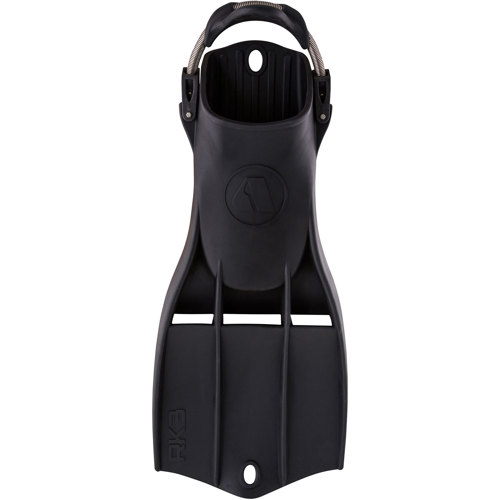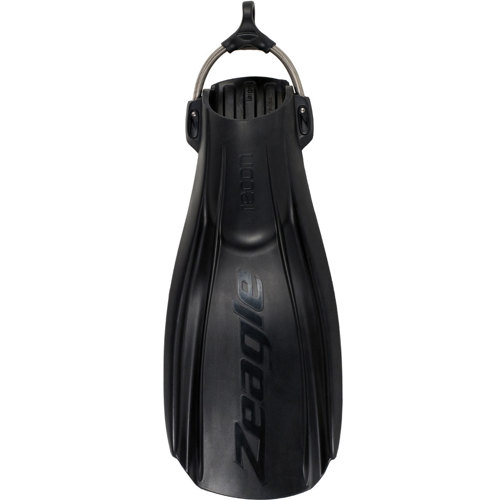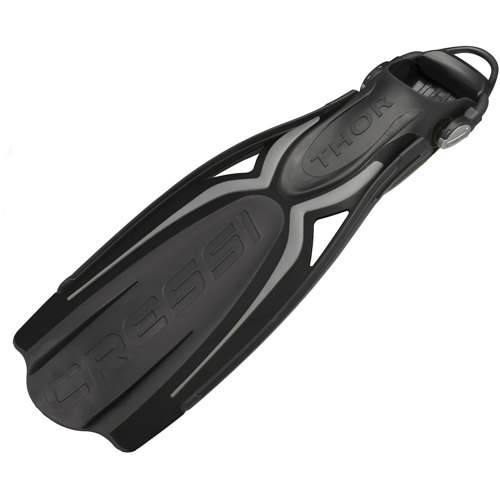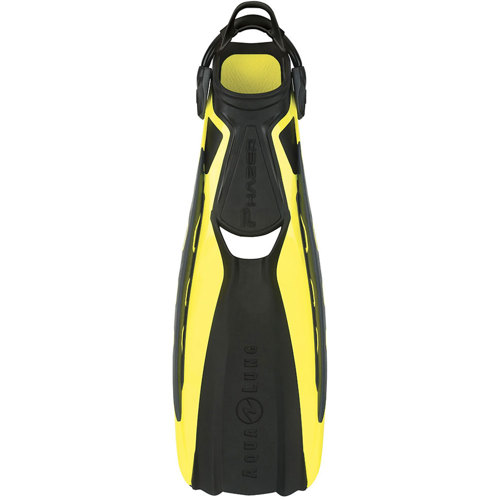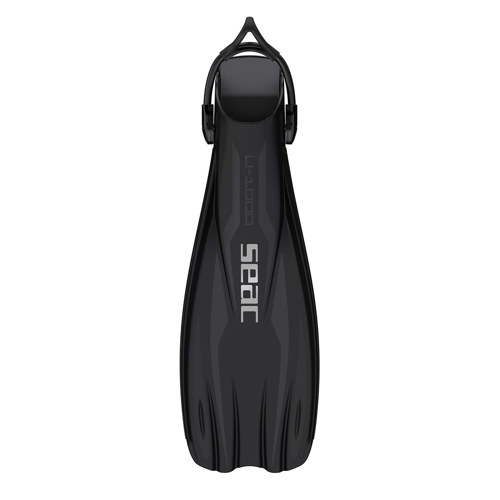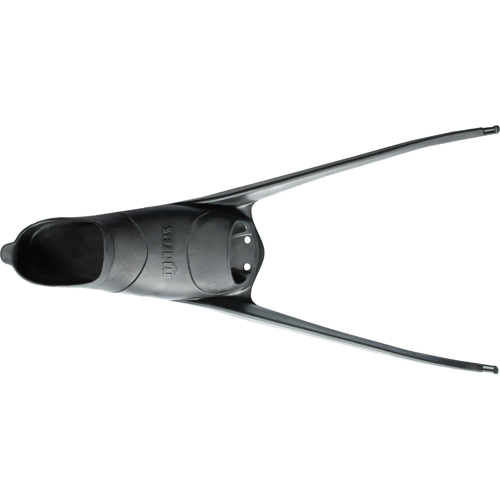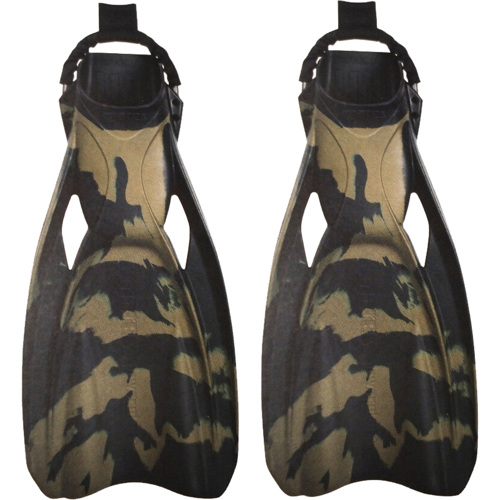
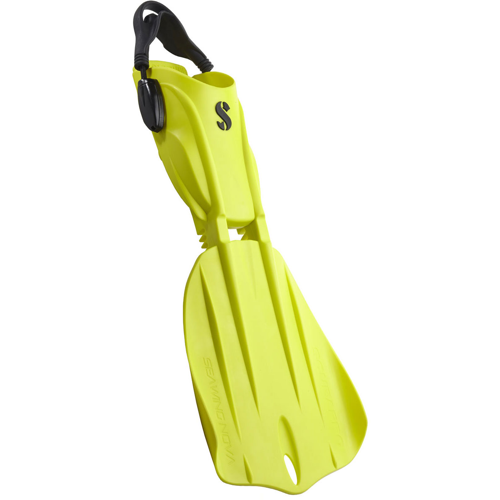
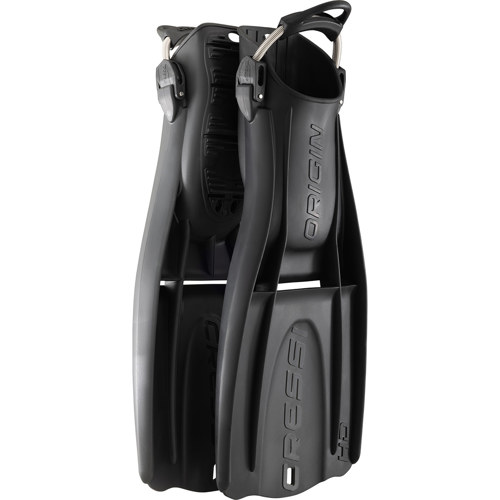
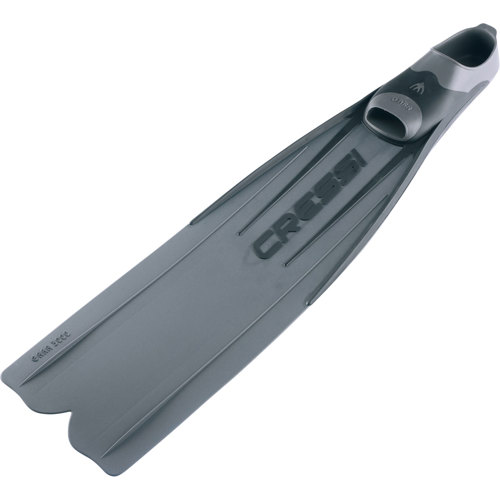
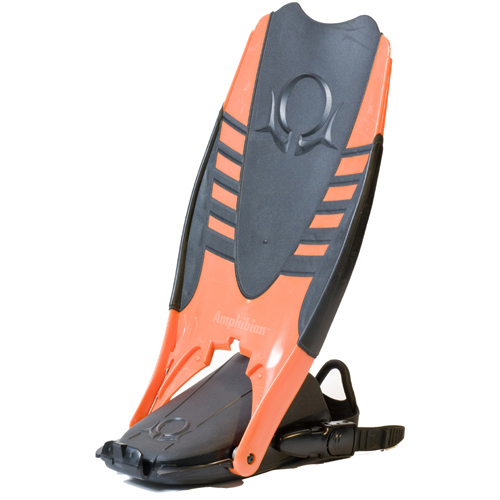
For divers who prioritize precision, stability, and control beneath the surface, negatively buoyant fins—often called negative buoyancy fins—are a trusted choice. These fins are typically crafted from durable, heavy-duty rubber or composite materials, lending them a solid, weighty feel in hand and a reliable, grounded performance in the water. Unlike lighter, positively buoyant fins that tend to float upward, negatively buoyant fins act as ballast, helping keep your feet down and your body in optimal trim, especially when diving in drysuits or navigating high-current environments. The added weight and rigidity of these fins make them a mainstay for technical divers, cave explorers, and those who regularly dive in cold water with thick exposure protection. The extra heft is especially appreciated during frog kicks, helicopter turns, and back kicks, where precise maneuvering is essential. Picture yourself gliding through a narrow wreck or weaving through a kelp forest—the stability and control provided by negative buoyancy fins can make all the difference, allowing you to move with confidence and minimize disturbance to your surroundings.
When selecting a pair of negatively buoyant fins, it’s important to weigh several factors to ensure the right fit for your diving style and comfort. The robust construction that makes these fins so effective for trim and control also means they can be heavier to carry and pack, which is something to consider if you travel frequently for your dives. Some divers find the stiffness and weight can lead to leg fatigue or cramps during longer surface swims or extended flutter kicking, so matching your fin choice to the type of diving you do most is key. If your adventures take you to warm, shallow reefs or involve long swims on the surface, you might want to explore lighter options such as open water swim fins or even browse the collection at
Easy Fins for more flexible alternatives. However, for those who regularly don drysuits, carry heavy gear, or dive in demanding conditions, the benefits of negative buoyancy fins are hard to overstate. They’re also a thoughtful gift for experienced divers who already have the basics covered and are looking to fine-tune their underwater experience—especially as summer approaches and dive season kicks into high gear. The tactile satisfaction of slipping into a pair of focus mares carbon or mares razor fins, feeling the secure fit and knowing your gear is up to the challenge, is something seasoned divers appreciate every time they descend.
Whether you’re gearing up for a season of exploration in local lakes, planning a technical dive trip, or seeking to upgrade your kit for better control in challenging waters, negative buoyancy fins deliver the performance edge advanced divers demand. Their ability to keep your feet down, improve trim, and provide unmatched maneuverability makes them a staple in the gear bags of professionals and enthusiasts alike. As you prepare for your next underwater adventure, consider how the right pair of negatively buoyant fins can enhance your dive, helping you move with purpose and poise through even the most demanding environments.