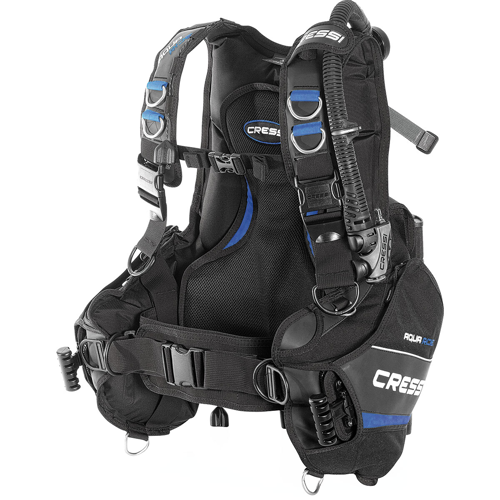
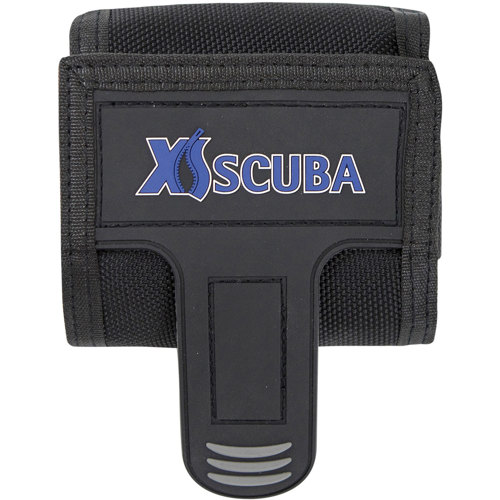
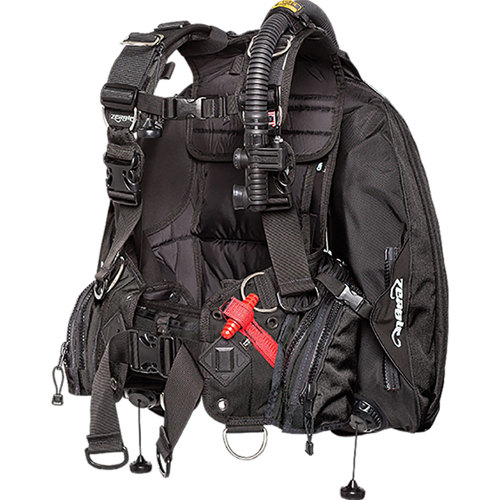
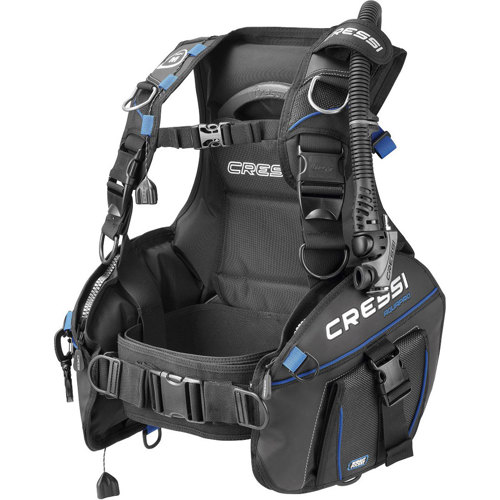
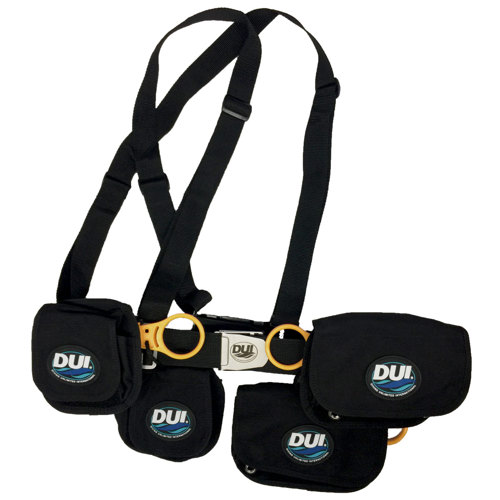
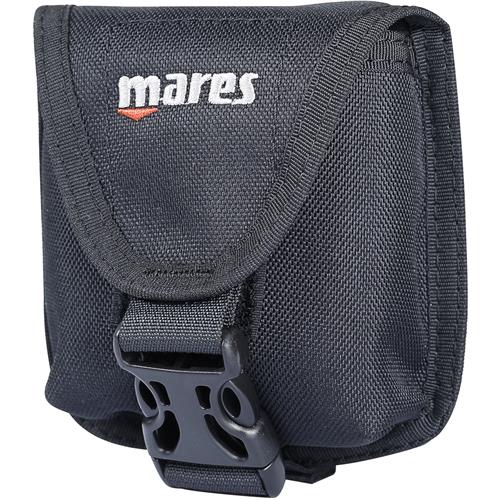
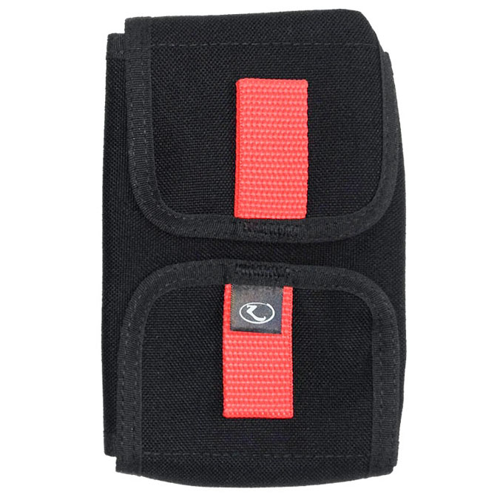
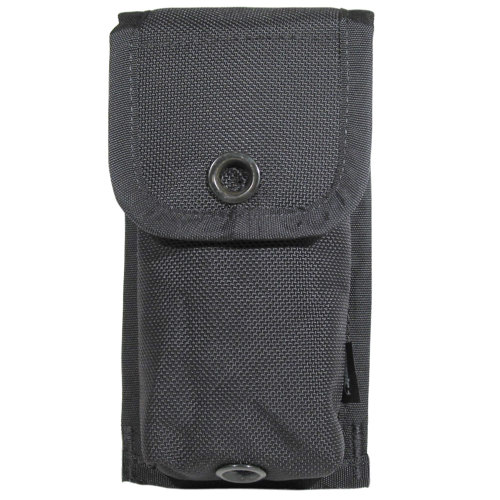
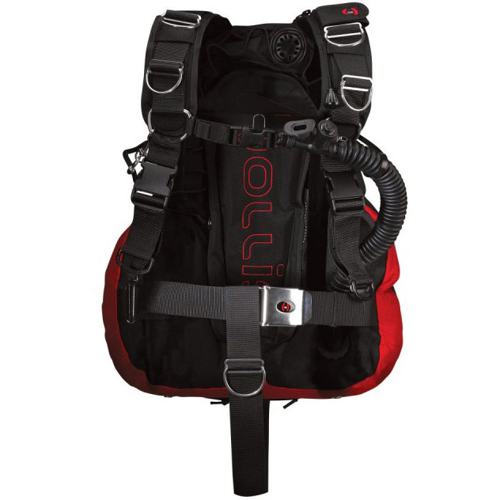
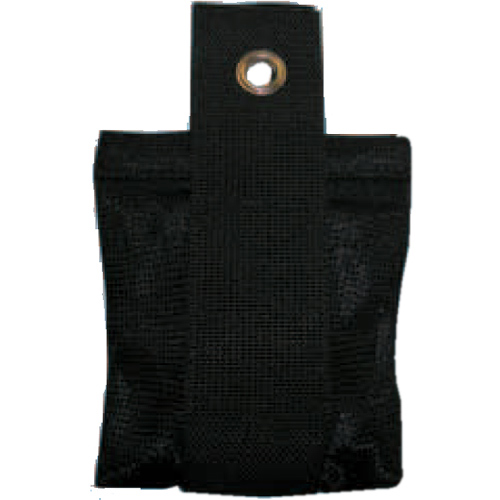
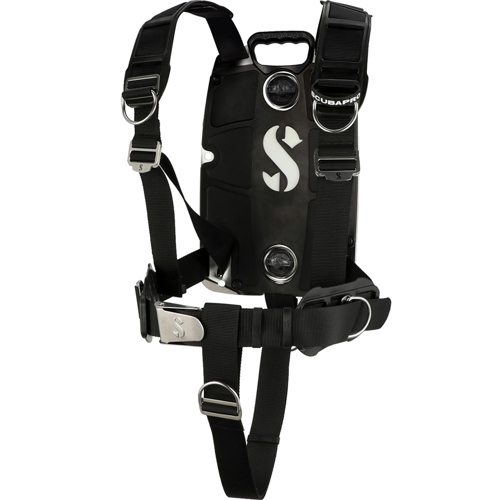
Achieving optimal diving trim is one of the most transformative skills for any scuba diver, whether you’re just starting out or have logged hundreds of dives. The pursuit of perfect diver trim—maintaining a stable, horizontal position in the water—goes far beyond aesthetics. It’s about moving through the water with minimal resistance, conserving energy, and reducing air consumption, all while protecting the delicate marine environments beneath you. As the weather warms and more divers take to the water, the importance of a well-tuned trim system becomes even more evident. Divers of all levels, from casual vacationers exploring tropical reefs to technical enthusiasts descending on shipwrecks, benefit from personalized weight distribution. Modern diving trim systems are designed to help you fine-tune your center of gravity by offering a range of options: tank cam band pockets for shifting weight higher on your back, harness or shoulder pockets to counterbalance a head-heavy orientation, and backplate-mounted weights for those using technical setups. Each component serves a specific purpose, allowing you to make micro-adjustments for a balanced, streamlined profile.
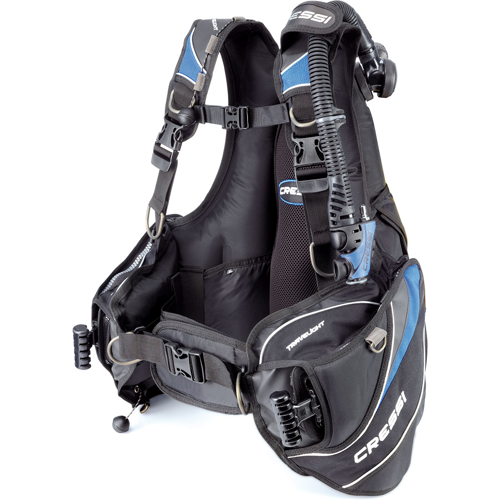
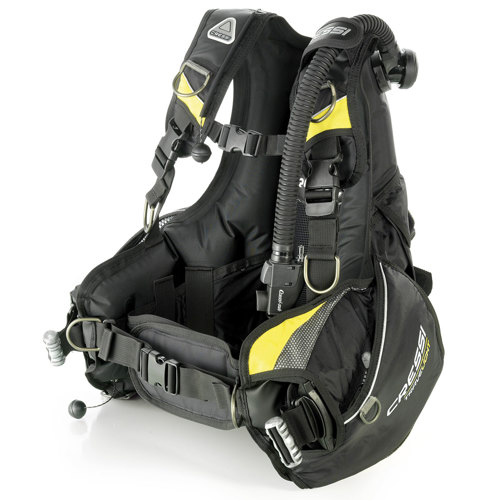
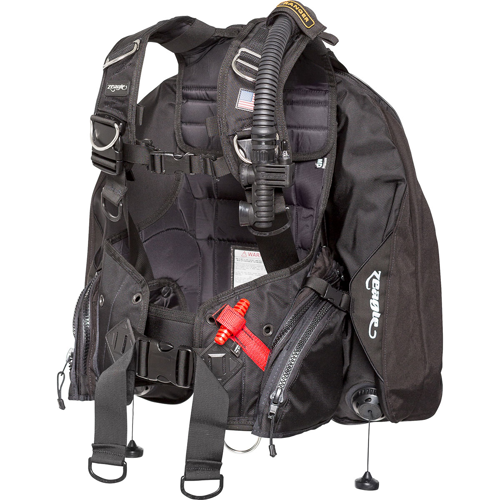
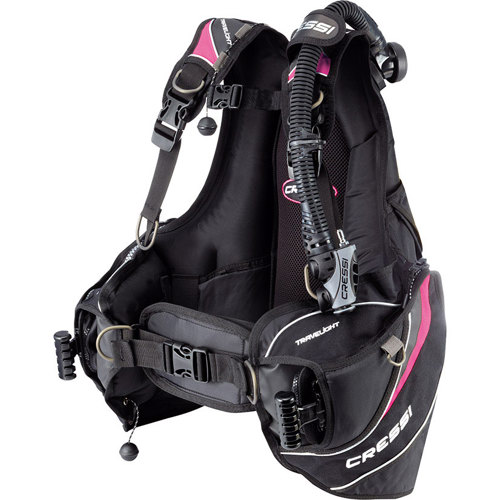
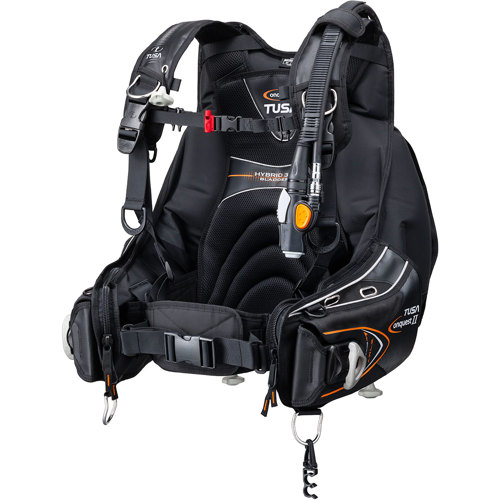
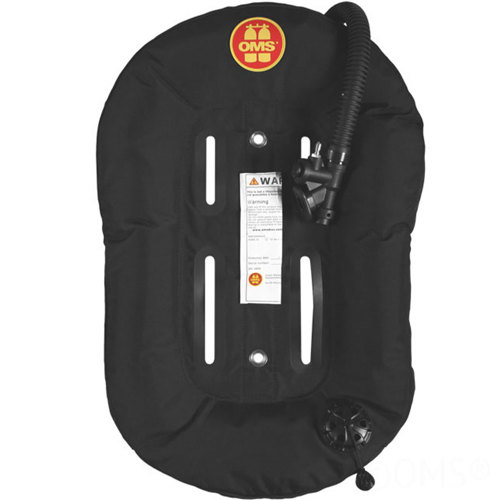
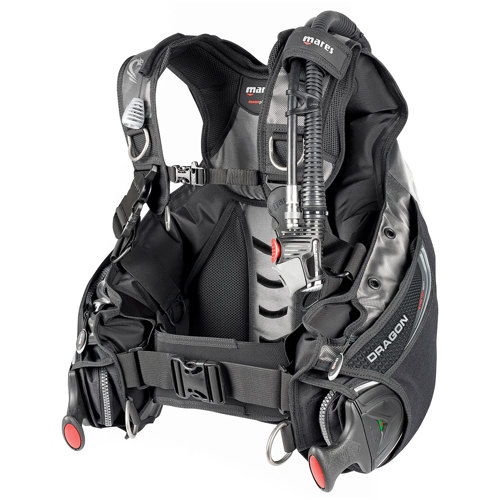
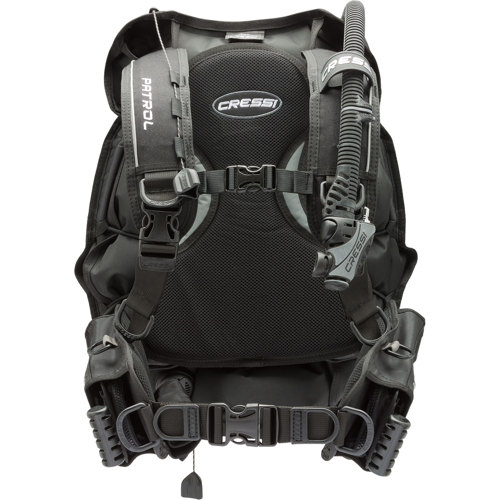
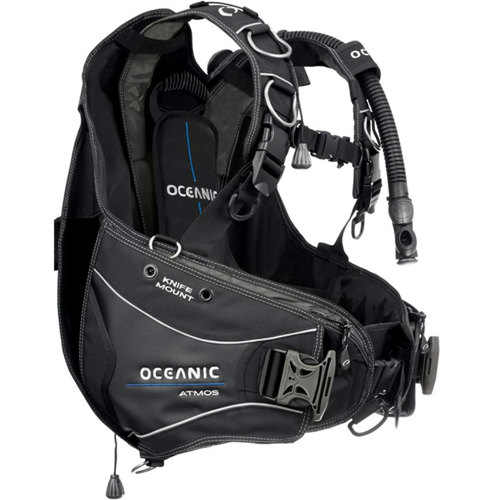
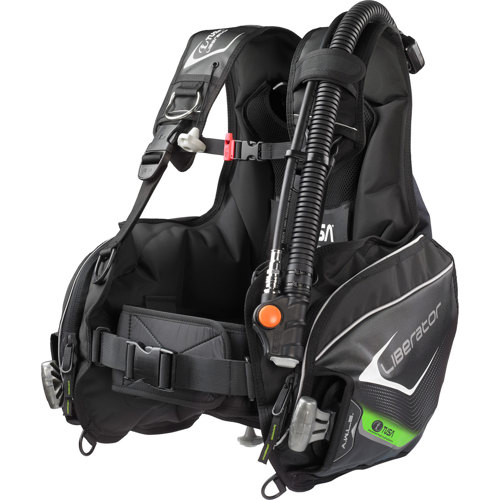
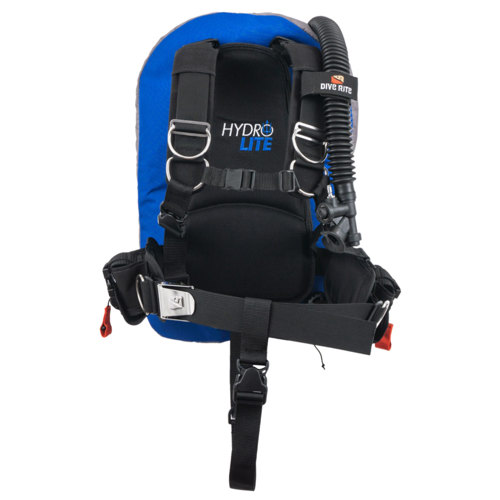
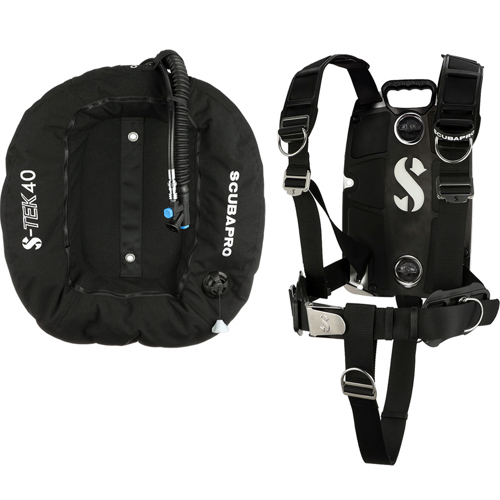
When selecting components for your scuba diving trim system, consider your unique body type, exposure protection, and the gear you typically use. Many recreational and travel BCDs now include integrated weight pouches, and some advanced models feature dedicated rear trim pockets that let you hold core balance weights securely, separate from ditchable weights for emergencies. For technical divers, solid lead weights bolted between the cylinder and backplate—sometimes called sta-weights or v-weights—keep ballast close to your center of gravity, eliminating unnecessary drag and clutter. These systems are especially valuable during longer dives or in environments where precise buoyancy control is critical, such as fragile coral reefs or silty wrecks. Even small adjustments, like adding a tail weight to counteract a head-heavy position, can make a noticeable difference in comfort and control underwater. For those shopping for a gift, diving trim accessories are a thoughtful choice for any diver looking to elevate their skills and safety; they’re practical, customizable, and often overlooked by new divers who might not realize how much a fine-tuned trim can enhance their experience.
Whether you’re preparing for a summer of warm-water exploration or gearing up for dives during the cooler months, investing in the right trimado de buceo solutions will pay dividends in performance and enjoyment. Take the time to test and adjust your weight placement, both before and during your dives, to identify your natural tendencies and make informed changes. Many divers find that a mid-dive spot check—pausing in open water to hover and assess body position—can reveal subtle imbalances that are easily corrected with the right gear. For more detailed guidance and expert tips on achieving perfect diver trim, visit our comprehensive resource at
Help With Diving Trim. Whether you’re fine-tuning your setup for the first time or looking to upgrade with modular weight solutions, the right diving trim system can transform your underwater adventures, making every dive more efficient, comfortable, and environmentally responsible.