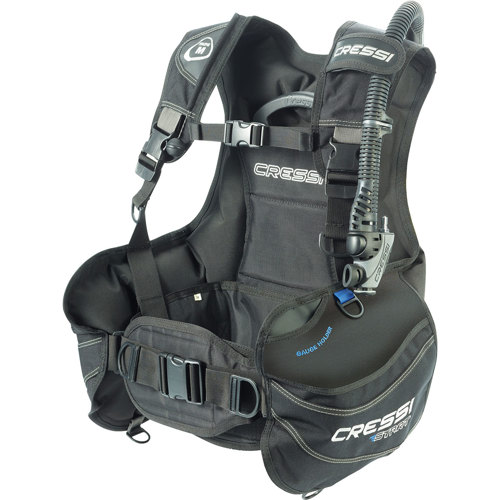
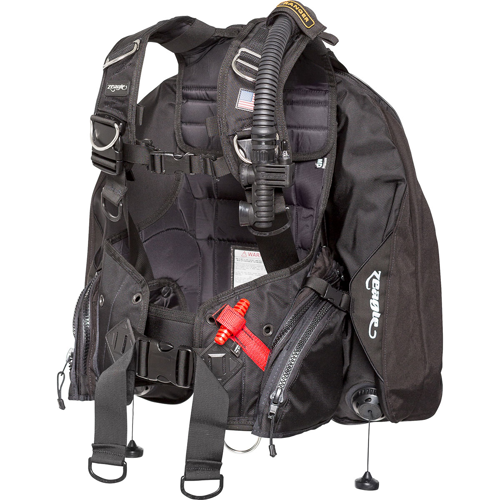
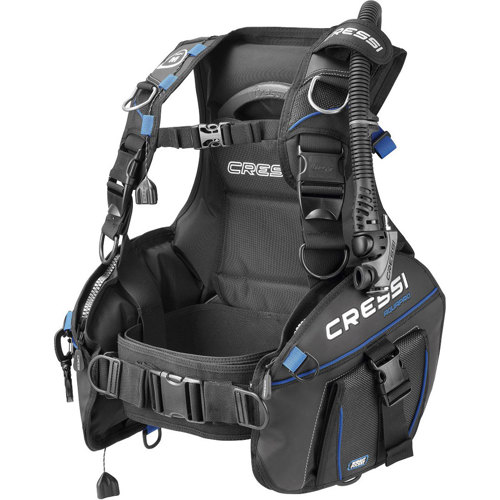
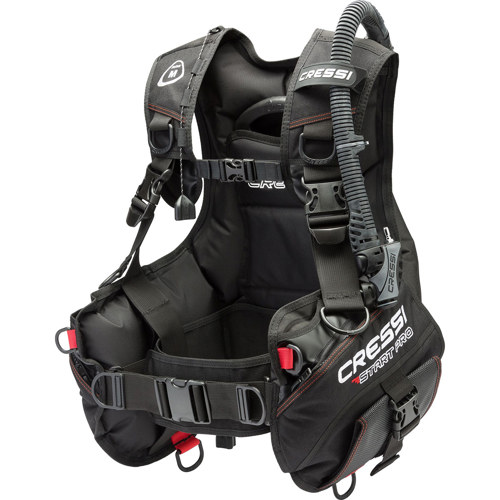
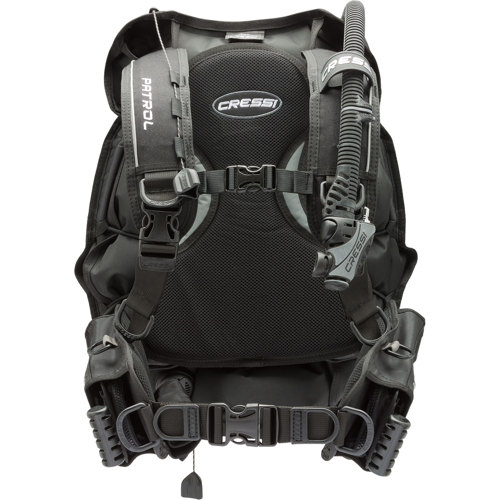
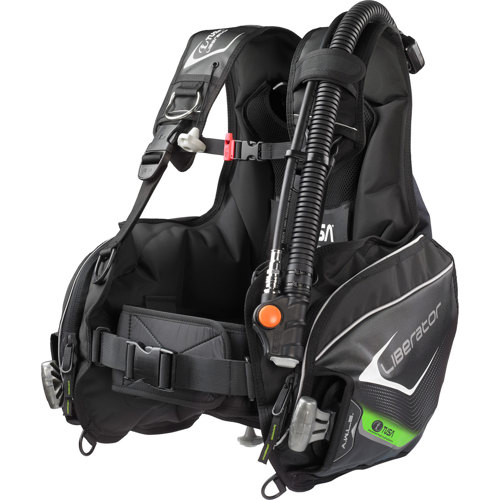
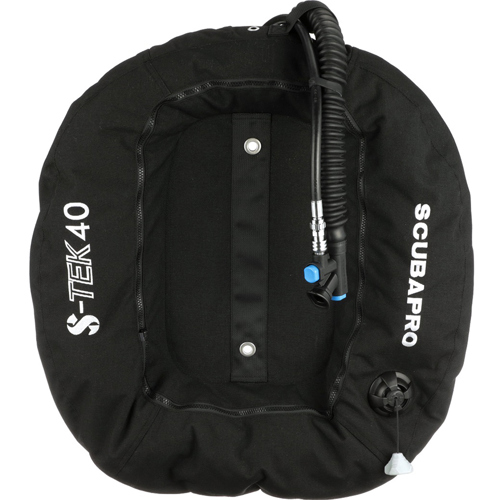
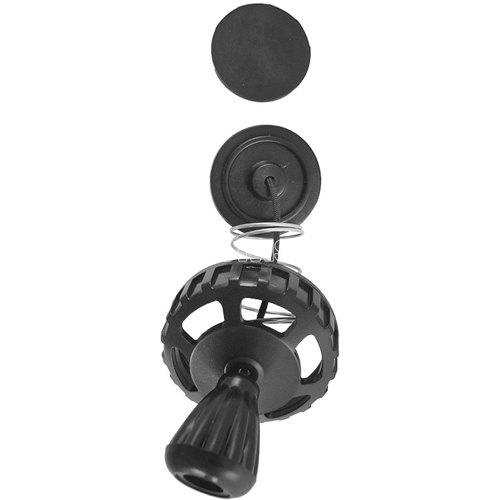
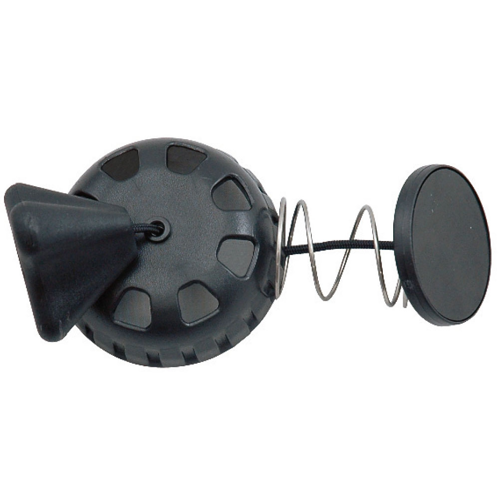
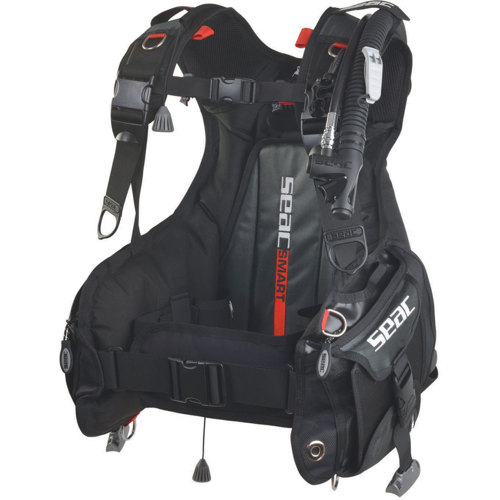
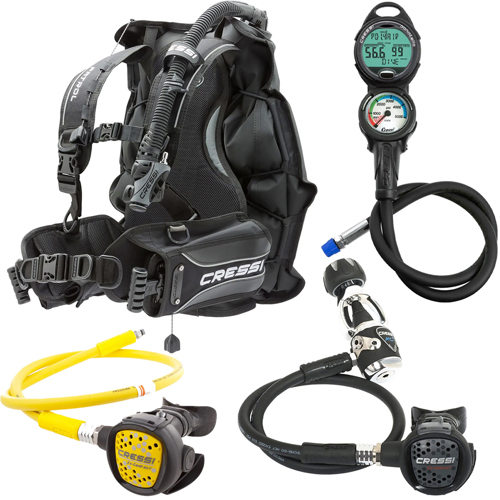
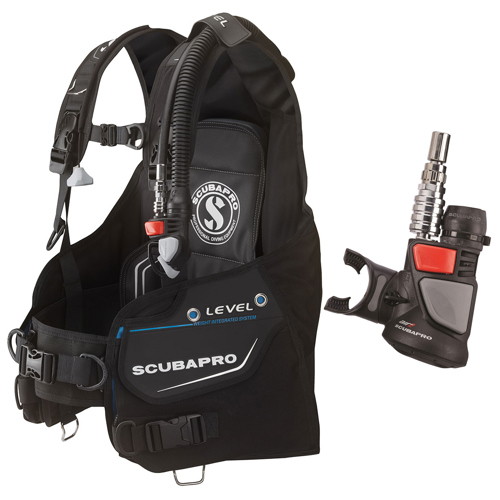
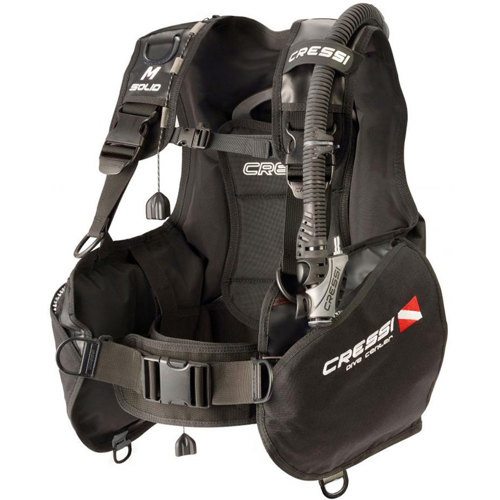
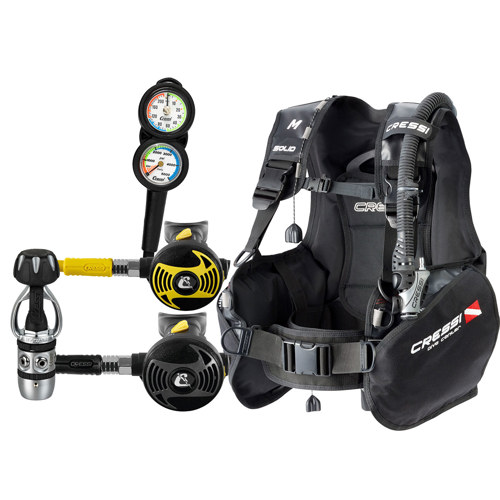
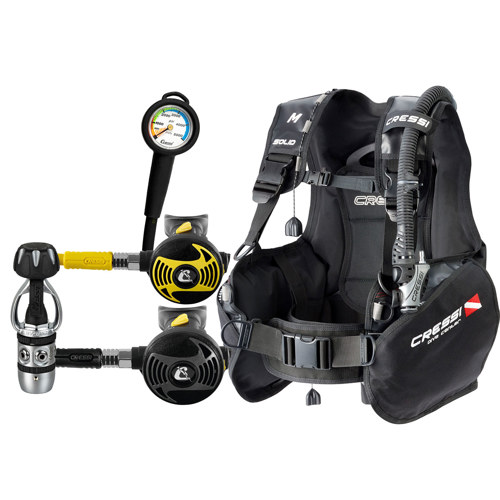
Diving pull dump mechanisms are a cornerstone of safe and effective buoyancy control for both recreational and technical divers, forming a crucial link between comfort, control, and underwater safety. These mechanisms, integrated into Buoyancy Control Devices (BCDs) and drysuits, allow divers to fine-tune their buoyancy by venting excess air with a simple pull of a cord or lever. Whether you’re gearing up for winter dives in January’s brisk waters or planning a tropical getaway, understanding the role and selection of pull dump mechanisms ensures you remain in command of your underwater experience. Shoulder pull dumps, often situated near the left shoulder for easy access, are favored for their intuitive placement—enabling divers to release air while maintaining a streamlined position. Rear or kidney dumps, positioned on the lower back, are especially useful for horizontal trim and can be operated with a subtle reach behind. For those diving in drysuits, cuff dumps at the wrist provide an additional layer of control, venting gas as it migrates upward. Each style offers unique advantages depending on your diving style, exposure protection, and the environments you frequent. From the first-time diver learning to master neutral buoyancy to the seasoned explorer navigating complex wrecks or caves, selecting the right pull dump mechanism can make all the difference in comfort, efficiency, and safety.
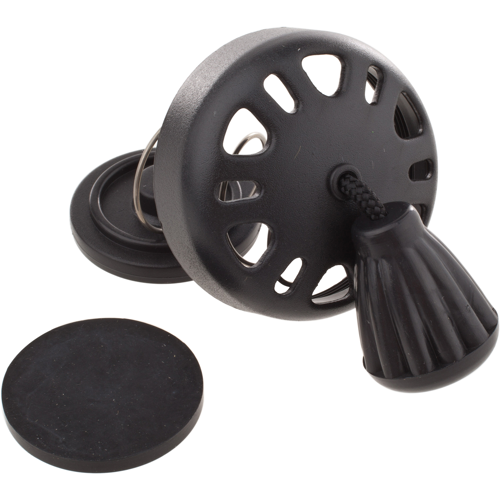
When considering which diving pull dump mechanism best suits your needs, it helps to reflect on your typical dive conditions, equipment preferences, and skill level. Divers who regularly dive in cold water during the winter months often prefer dump valves with oversized grips or extended cords, making them easier to operate with thick gloves. Meanwhile, warm-water adventurers may prioritize low-profile designs that minimize drag and snag hazards. For instructors, divemasters, or those mentoring new divers, reliable and easily accessible pull dumps are invaluable for demonstrating buoyancy techniques and responding quickly to students’ needs. These mechanisms are also thoughtful gifts for the diver in your life, especially for those upgrading their gear or preparing for advanced training. The ability to precisely manage buoyancy isn’t just about comfort—it’s a vital safety skill that prevents rapid ascents, reduces fatigue, and protects delicate marine environments. Many divers recall those pivotal moments when a well-placed pull dump allowed them to control an ascent in surge, hover effortlessly above a coral garden, or make a safe, controlled stop on a safety line. Maintenance is another key consideration: regular rinsing with fresh water after every dive, especially in saltwater or sandy conditions, keeps the internal valve and spring working smoothly, ensuring reliable operation dive after dive.
For anyone assembling or upgrading their dive kit, investing in a high-quality pull dump mechanism is an act of preparation and peace of mind. These components are engineered for durability, but like all dive gear, they benefit from periodic checks and servicing to prevent sticking or leaks. If you’re troubleshooting buoyancy issues, or want to deepen your knowledge of how to handle unexpected situations underwater, explore additional resources like our comprehensive
Diving Problem Handling guide. Whether you’re a solo diver fine-tuning trim for underwater photography, a buddy pair practicing emergency ascents, or a dive leader guiding groups through varied conditions, the confidence that comes from a responsive, well-maintained pull dump mechanism cannot be overstated. As you browse through our curated selection, consider how each mechanism will integrate with your gear and diving style, and remember that the right choice is the one that fits seamlessly into your underwater routine—supporting every descent, ascent, and moment of neutral buoyancy along the way.