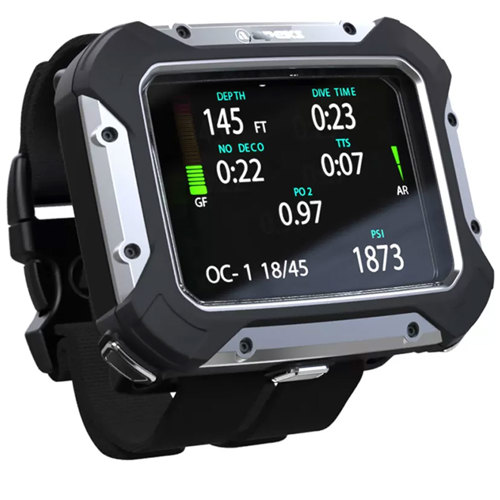
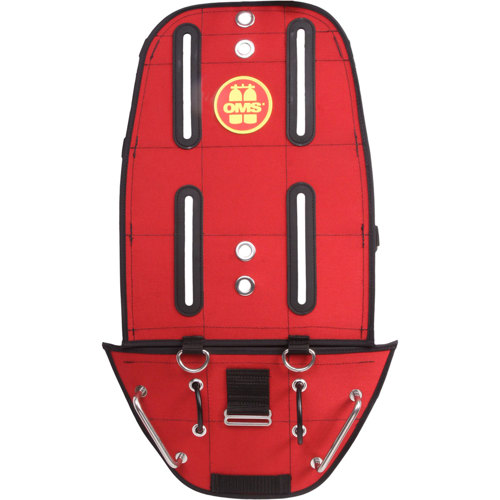
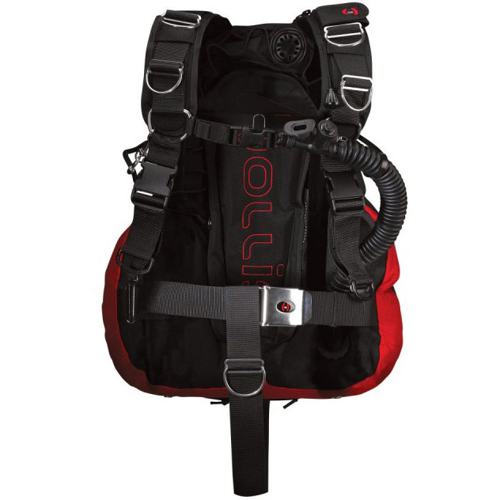
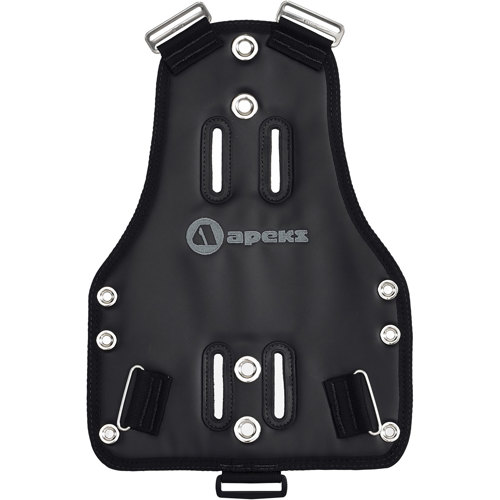
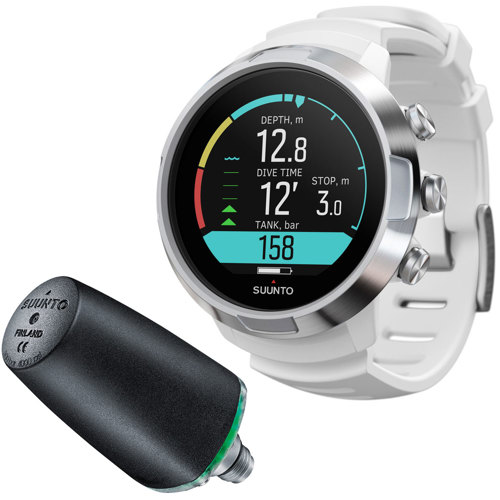
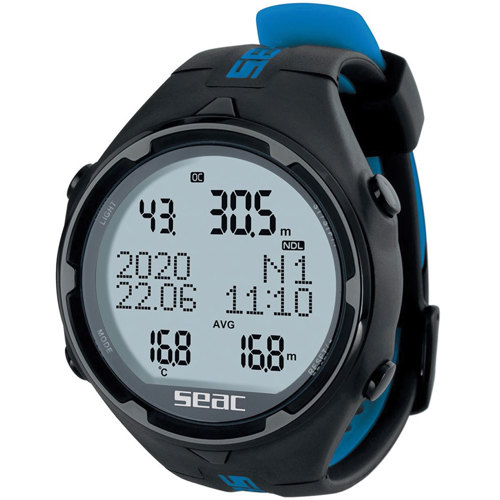
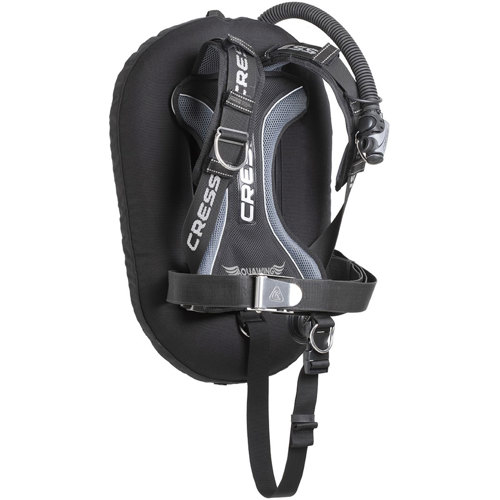
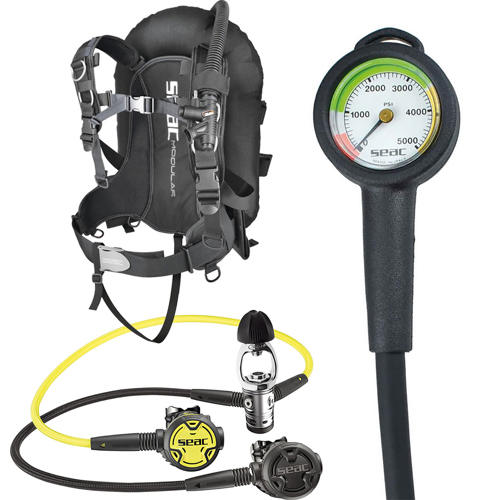
Diving configurations play a crucial role in shaping every underwater adventure, whether you’re a seasoned technical diver preparing for complex exploration or a beginner embarking on your first open water dive. The array of gear setups available reflects the diversity of diving environments and personal preferences, from the classic single tank backmount favored by recreational divers to the advanced technical diving equipment configuration required for demanding environments. As the weather warms and dive conditions improve, many divers find themselves evaluating their gear choices and considering upgrades or new equipment tailored to their diving goals. For those just starting out, the standard recreational single tank configuration—featuring a jacket-style BCD, primary and alternate regulators, and a single cylinder—offers simplicity, reliability, and ease of use, making it an excellent choice for new divers or as a thoughtful gift for someone earning their certification. This setup is also ideal for travel, local shore dives, or relaxed boat outings where streamlined gear and straightforward operation are paramount.
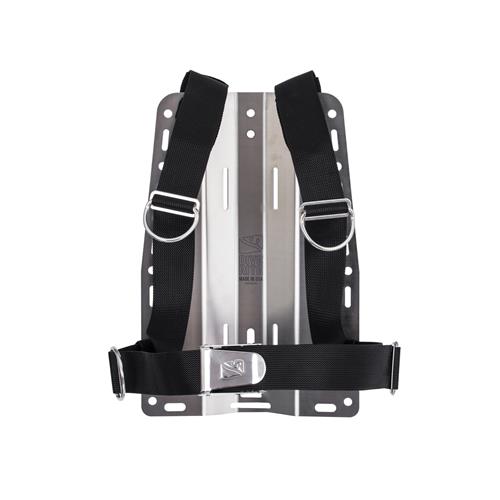
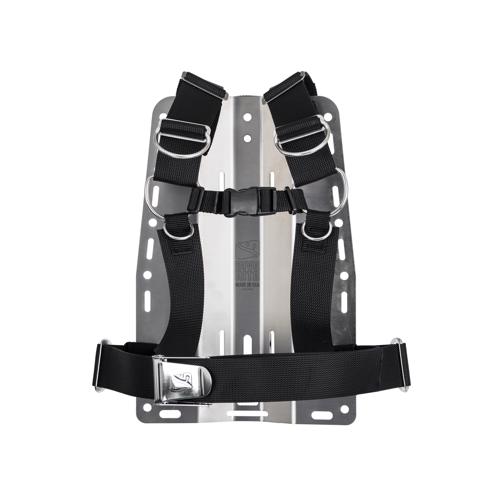
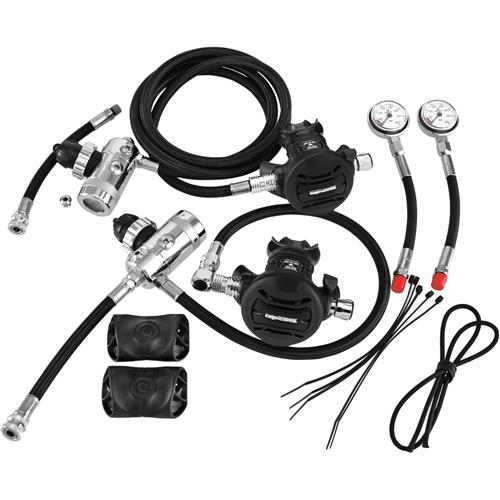
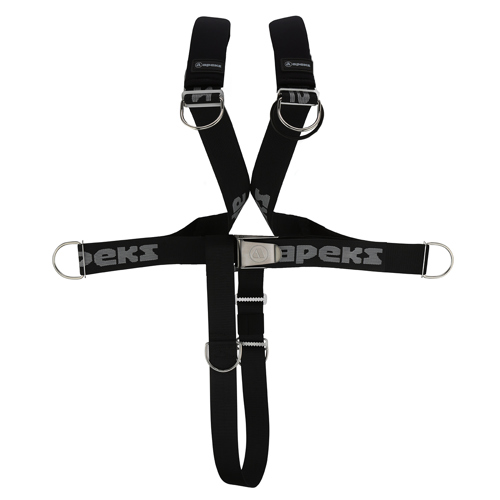
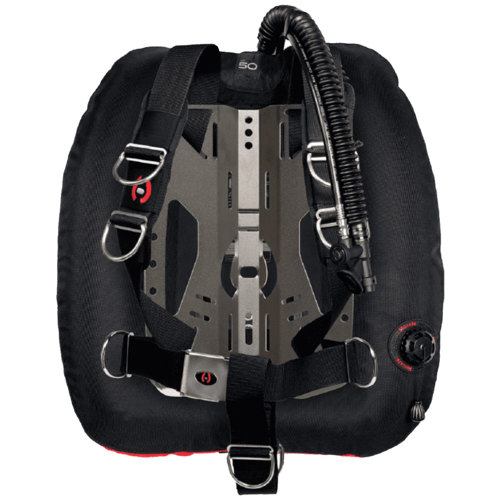
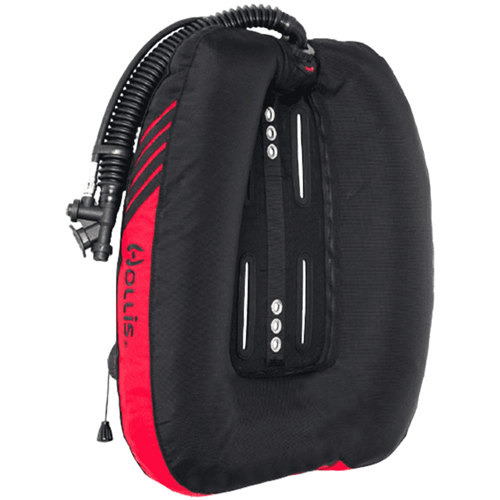
For divers seeking to expand their horizons, technical setups such as twinset/doubles or sidemount configurations open the door to deeper, longer, and more challenging dives. Twinset systems, with two cylinders connected by a manifold, provide redundancy and increased gas supply, essential for technical dives where safety margins are critical. The Hogarthian or DIR (Doing It Right) approach, often adopted in these environments, emphasizes minimalist, standardized gear layouts—think of a 7-foot primary regulator hose for efficient air sharing and a backup regulator on a necklace for quick access. This streamlined philosophy not only enhances safety by reducing drag and entanglement risks but also fosters team cohesion, as everyone knows exactly where to find each component in an emergency. The sidemount configuration, meanwhile, has grown in popularity among cave and wreck divers for its flexibility and comfort, allowing tanks to be donned at the water’s edge and managed independently during the dive. Specialized sidemount BCDs, bungee systems, and dual regulators are key to this setup, offering improved trim and maneuverability in tight spaces. As diving communities gather for summer trips, training courses, or holiday getaways, these more advanced configurations become a point of pride and a mark of experience, often shared among friends and family as a milestone achievement or a much-appreciated gift for the passionate diver.
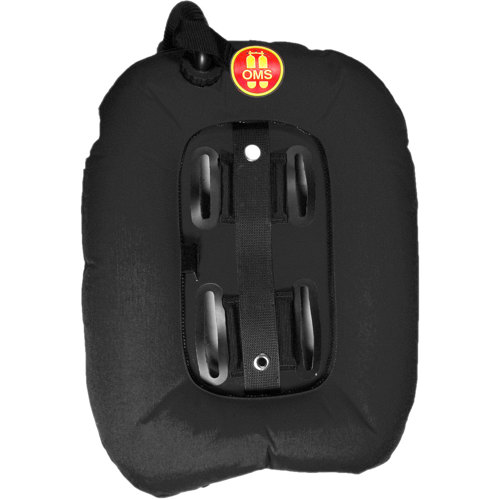
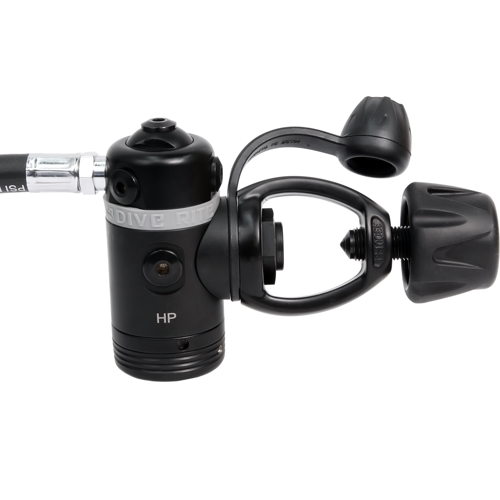
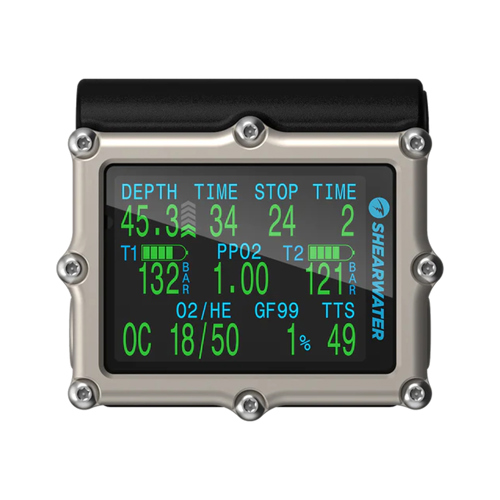
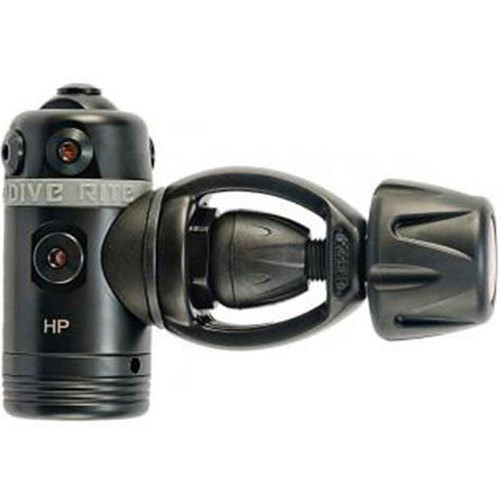
No matter your preferred configuration, attention to detail in equipment selection and setup is essential for a safe and enjoyable dive. Buoyancy control devices come in various styles—from traditional jackets to wing systems favored in technical and sidemount setups—each designed to optimize trim and control based on the diver’s needs and environment. Regulators are selected not only for performance and reliability but also for compatibility with the chosen configuration, such as hose lengths and routing options. Gas management systems, whether a manifold in a twinset or independent cylinders in sidemount, demand careful monitoring and planning, especially as dives become deeper or more complex. Streamlining gear by securing hoses and minimizing dangling accessories helps prevent entanglement and ensures smooth movement through the water, a practice especially important in overhead environments like caves or wrecks. As you browse the selection of diving configurations available, consider how each setup aligns with your diving ambitions, local conditions, and personal comfort. Whether you’re preparing for a summer of exploring new dive sites, gifting a loved one their first set of gear, or upgrading to a technical diving equipment configuration for advanced training, the right setup will enhance every moment below the surface. For a deeper dive into how different gear setups complement various underwater activities and environments, explore our comprehensive overview at
Dive Modes.