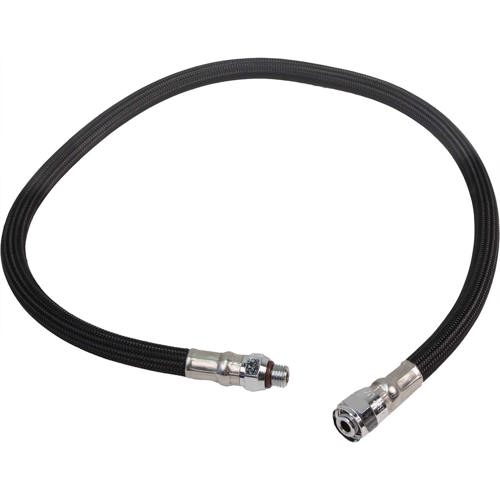
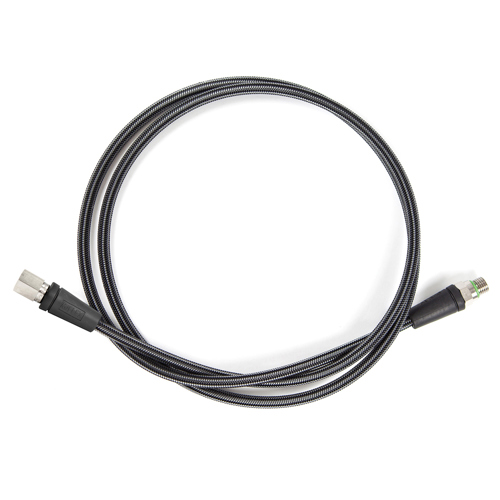
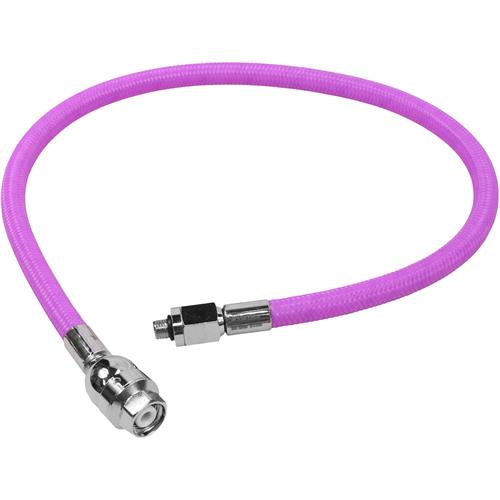
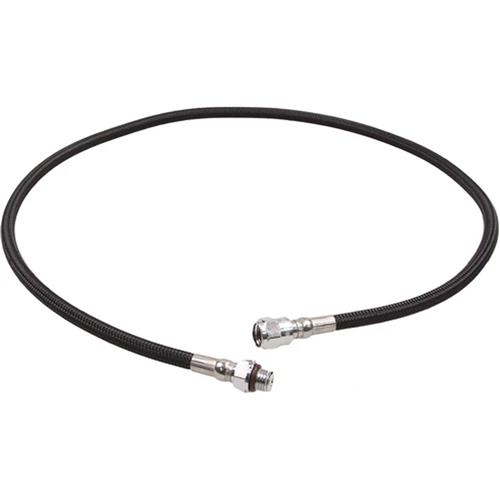
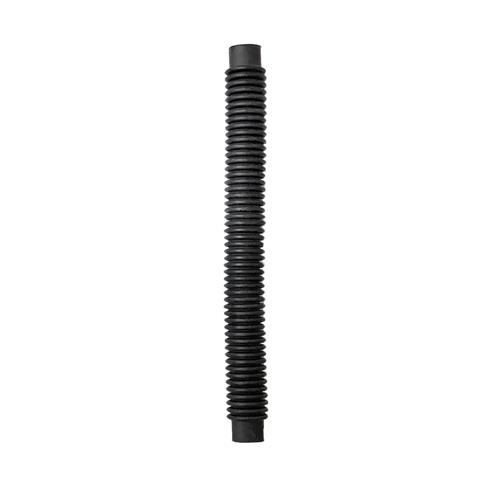
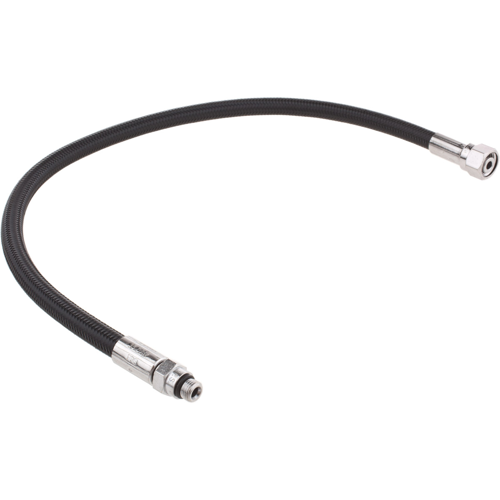
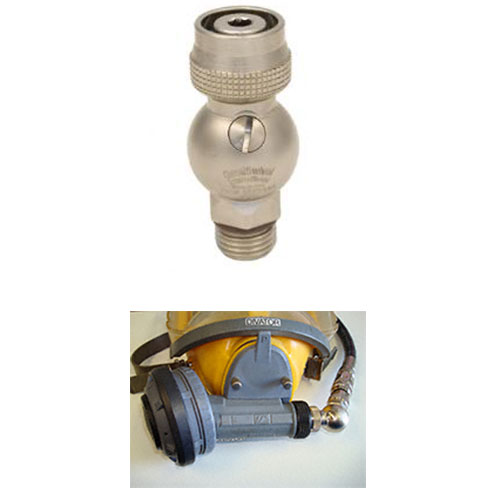
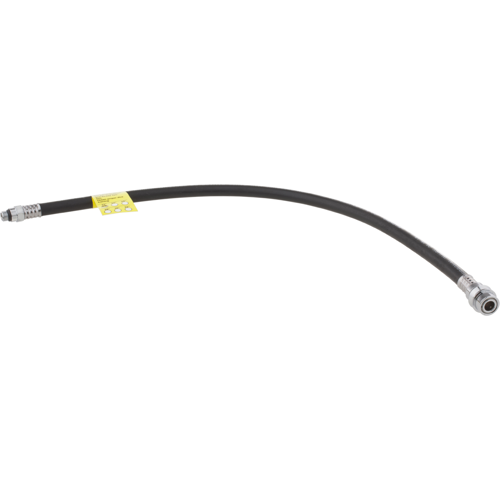
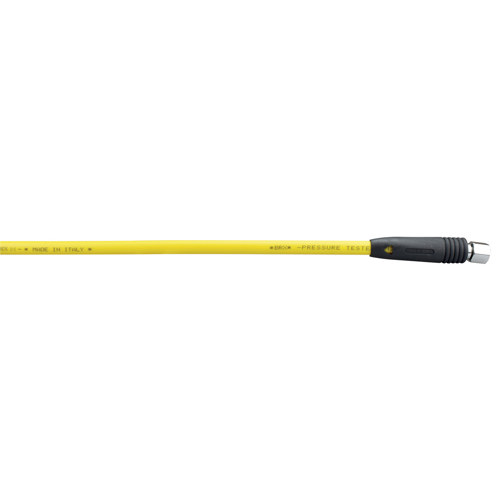
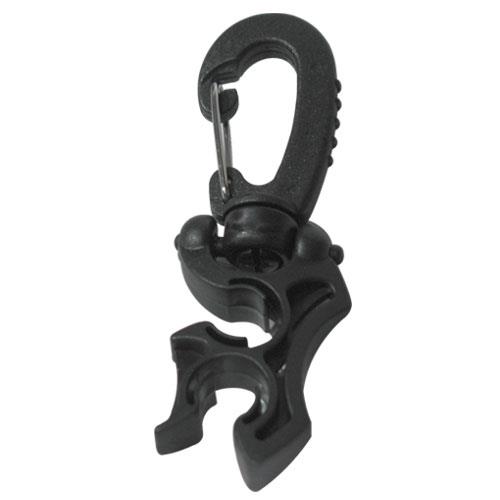
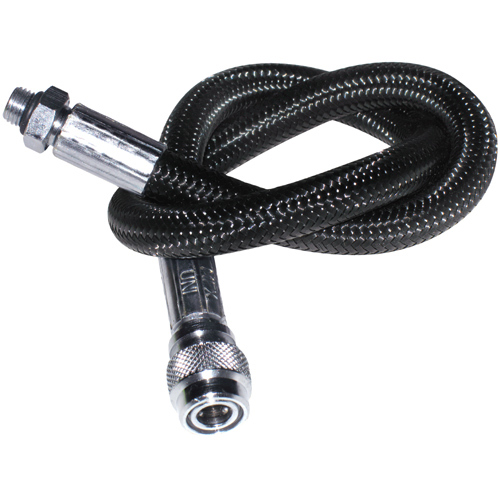
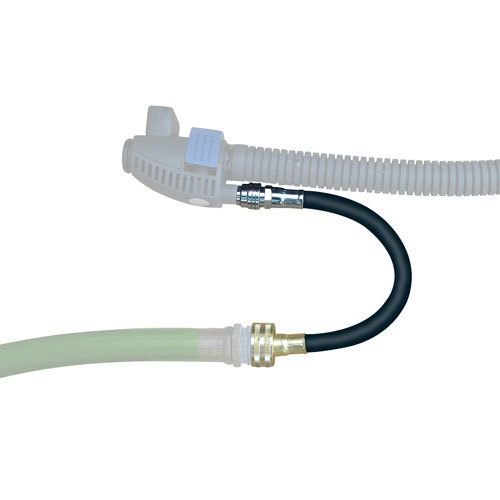
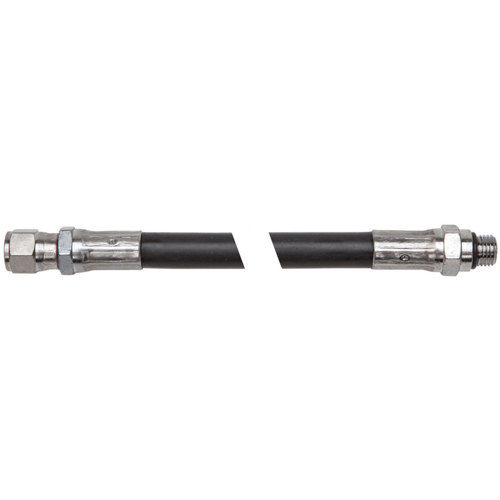
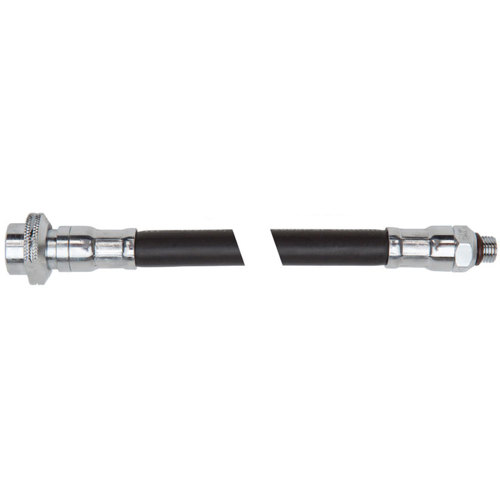
When planning a dive, every piece of equipment plays a crucial role in both safety and comfort, and diving mask hoses are no exception. These specialized hoses are designed to connect full-face masks or surface-supplied systems directly to your regulator or air source, bypassing the standard mouthpiece and offering a seamless, integrated breathing experience. The right diving mask hose can make a significant difference, especially for divers who spend extended periods underwater or those who participate in technical or commercial diving. As the weather warms and dive sites become more accessible, both recreational enthusiasts and seasoned professionals look to upgrade or replace their mask hoses to ensure reliability and ease of movement. Whether you’re preparing for a summer of vibrant reef exploration, joining a local dive club for group excursions, or simply refreshing your gear before a long-awaited trip, selecting the appropriate hose is a foundational step. For those who enjoy gifting practical and thoughtful gear to the divers in their lives, a high-quality mask hose can be a welcome addition to any kit—ideal for birthdays, Father’s Day, or as a reward for completing a certification.
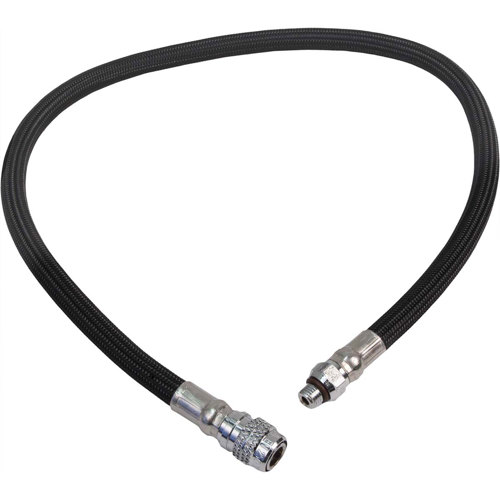
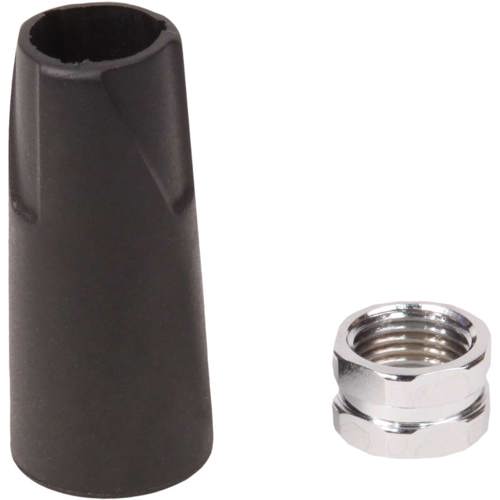
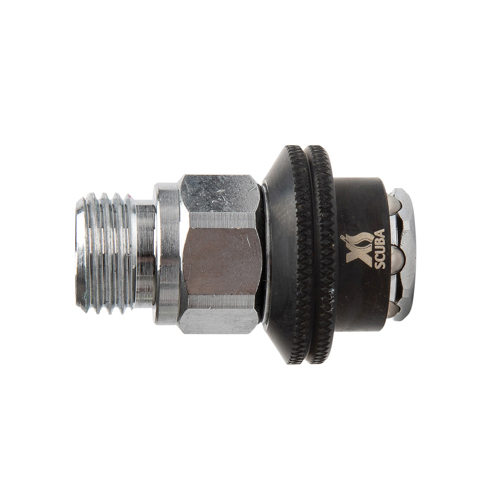
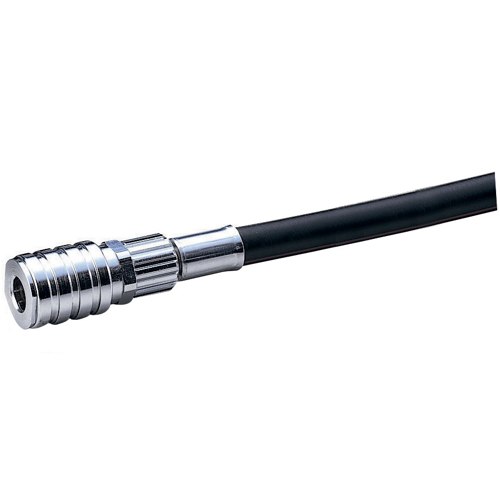
When evaluating diving mask hoses, several considerations come into play. Material is a primary factor: traditional rubber hoses are prized for their durability and negative buoyancy, making them less likely to float up and interfere with your line of sight or entangle with other equipment. On the other hand, lightweight braided hoses are favored by many for their flexibility, resistance to kinking, and ease of packing—features that are particularly valuable for travel or for divers who appreciate a streamlined, low-profile setup. Length and fittings are equally important; hoses are available in a range of sizes to accommodate different mask types and diver preferences, with quick-disconnect (QD) fittings allowing for fast attachment and removal, and swivel connectors reducing jaw fatigue by preventing unwanted twisting and tugging. Divers who spend time in colder waters or who engage in public safety or rescue operations often opt for heavy-duty hoses with reinforced layers, ensuring longevity and reliability even in challenging conditions. Regular inspection of crimps and O-rings is essential to maintain a secure, leak-free air supply—habits that experienced divers develop over countless dives, often sharing stories of how a simple check before a shore entry or boat drop made all the difference in their peace of mind.
For those expanding their diving repertoire, or for families and friends seeking a meaningful gift for an avid diver, diving mask hoses offer a blend of technical performance and personal comfort that can be tailored to any diving style. From the first exhilarating breaths taken through a new full-face mask to the quiet satisfaction of knowing your gear is dialed in for the season ahead, the right hose is a small but vital part of the underwater adventure. If you’re also considering upgrades to your buoyancy control system, you may want to explore compatible options like
Diving Bc Hoses to ensure your entire setup is cohesive and dependable. Whether preparing for warm-water getaways, local quarry dives, or cooler off-season training, investing in quality hoses and maintaining them with care helps ensure every dive is safe, comfortable, and unforgettable.