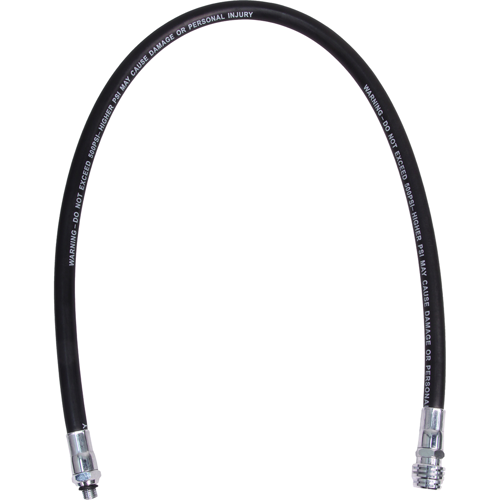
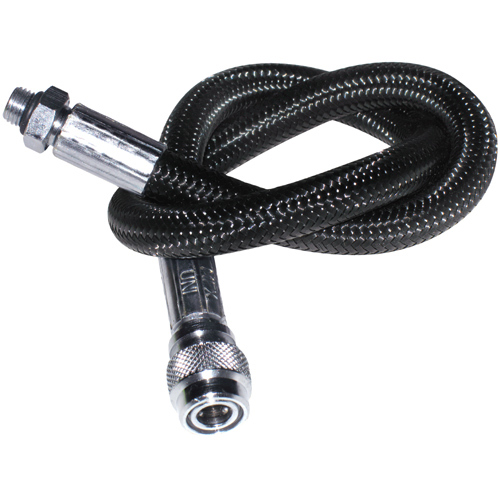
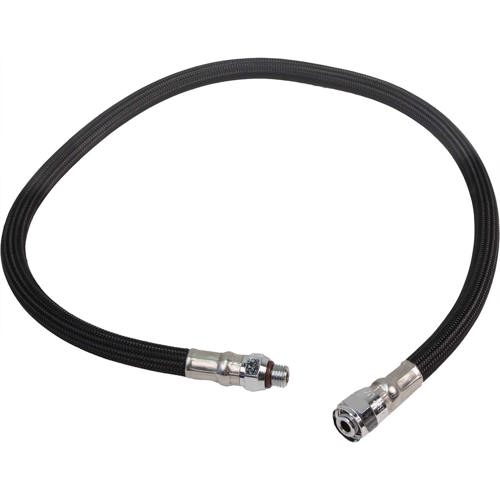
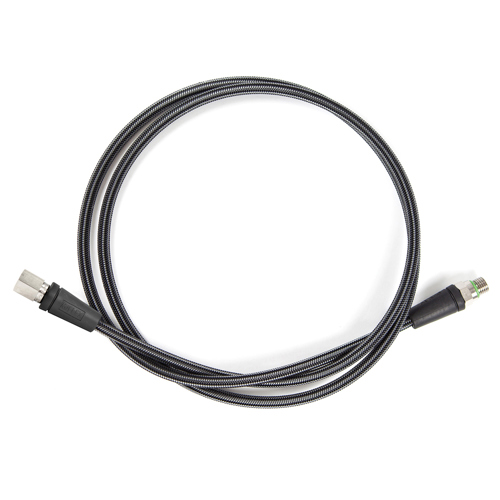
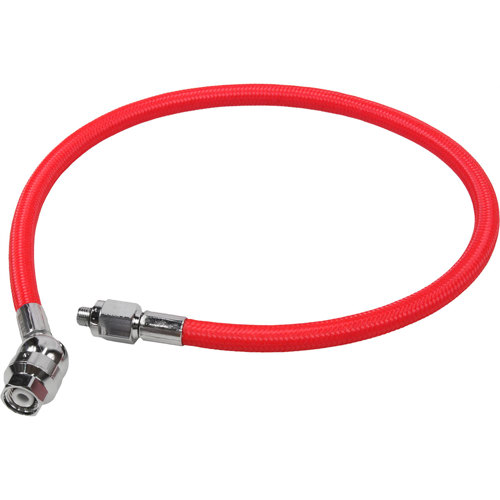
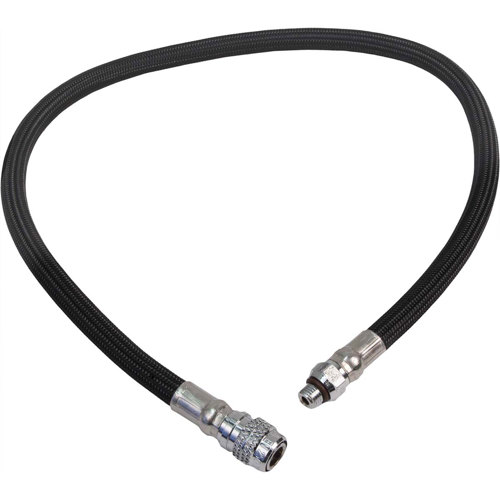
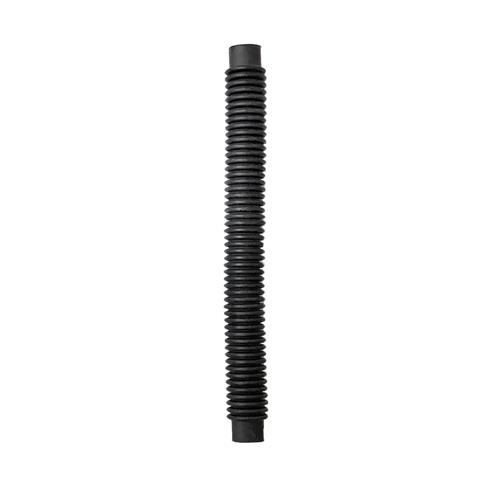
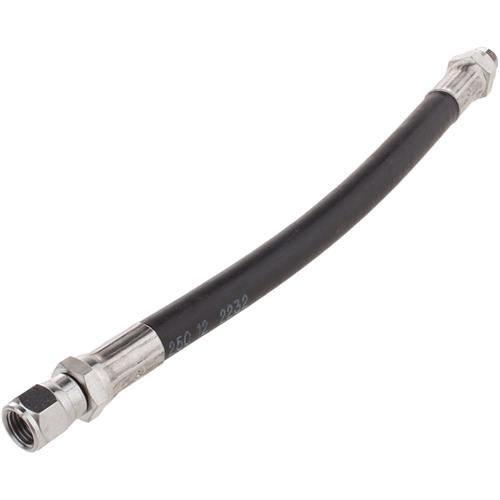
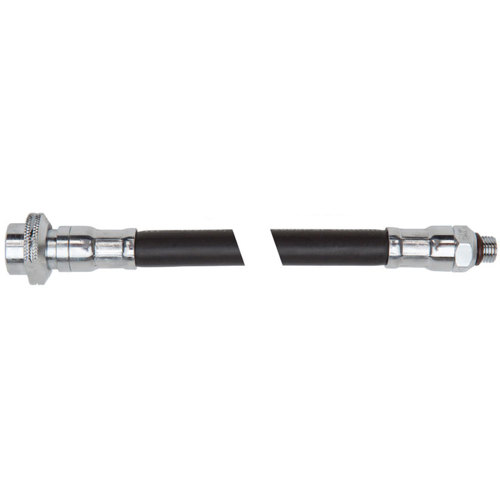
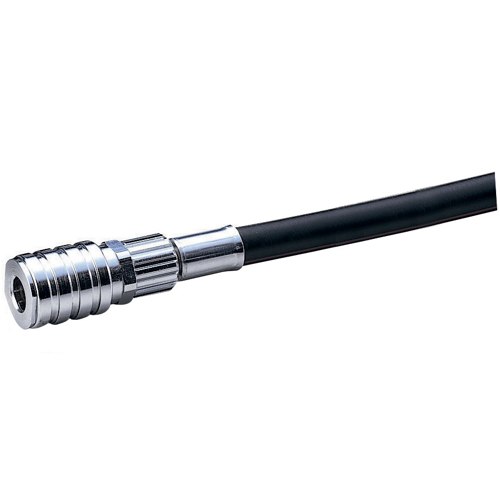
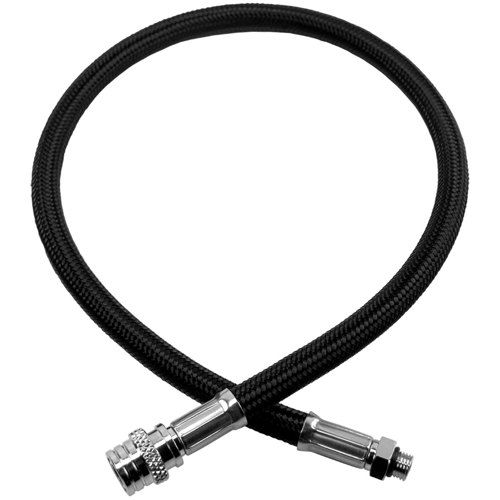
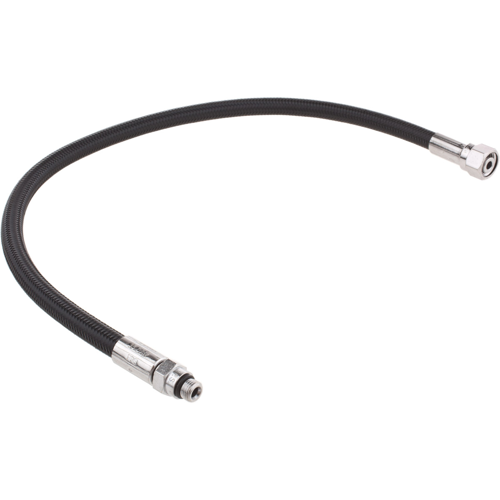
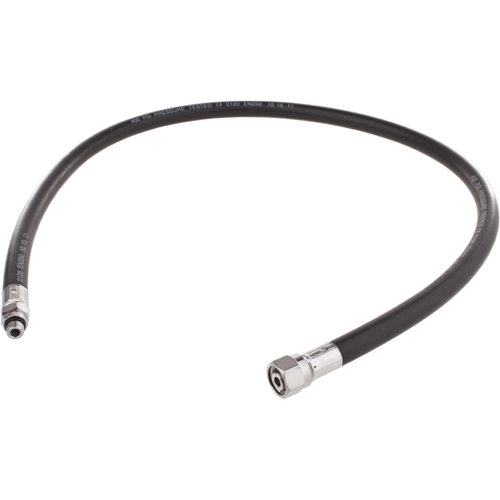
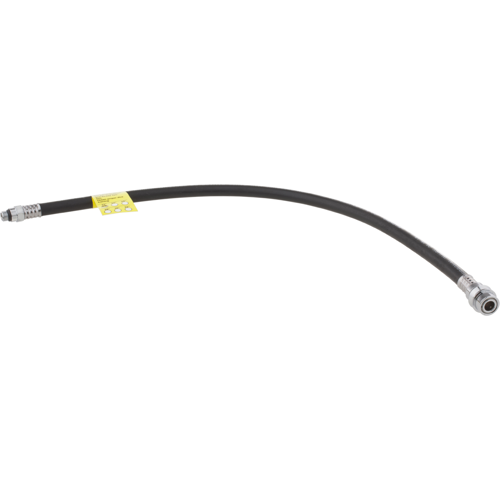
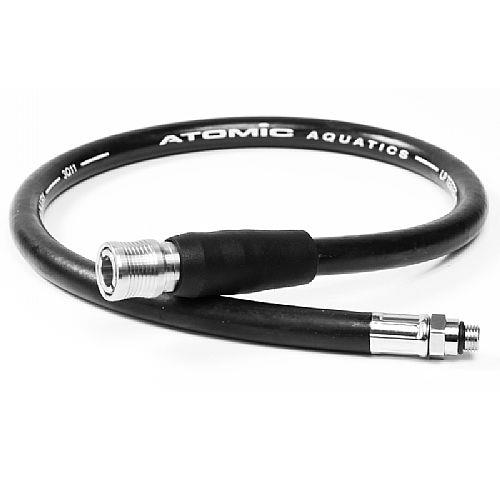
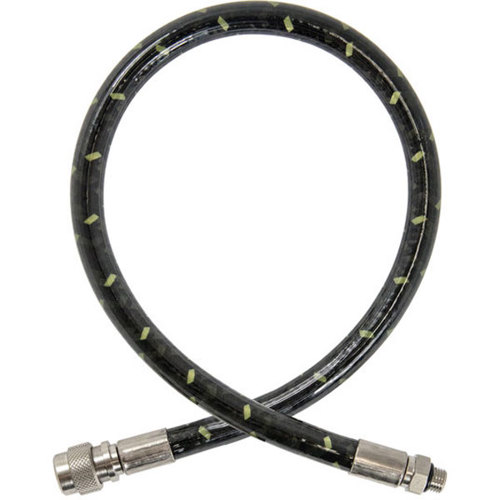
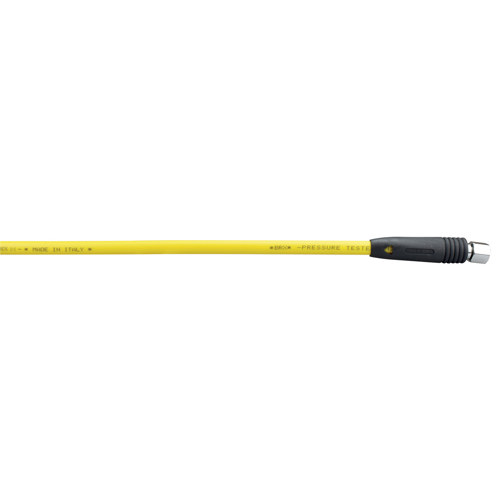
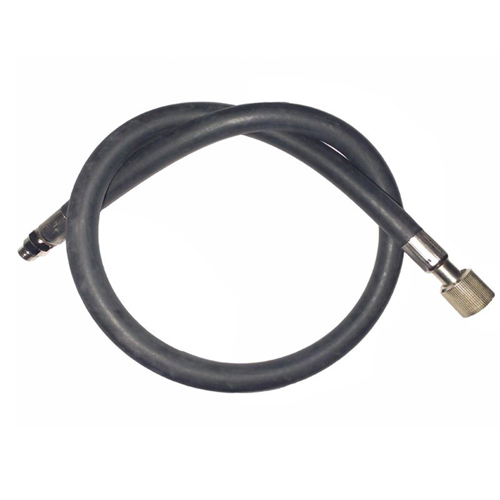
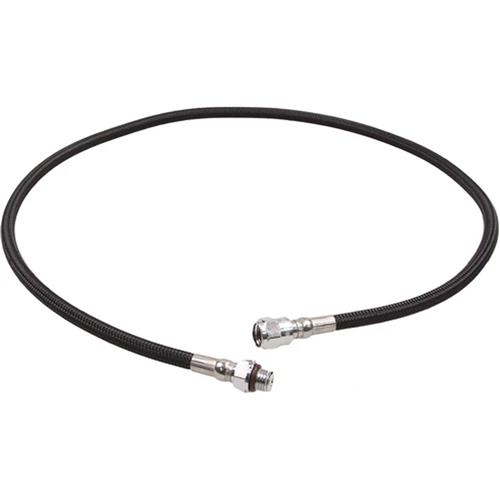
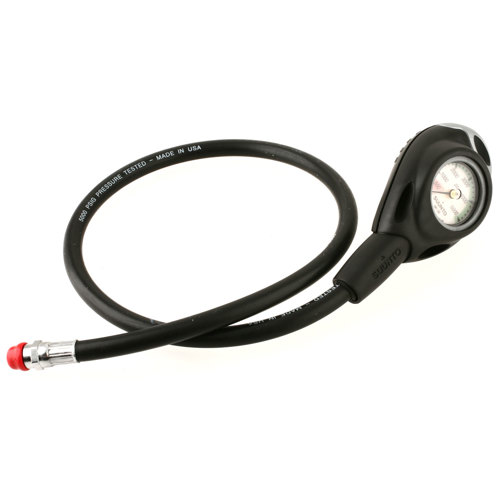
Short diving hoses have become a staple for divers seeking a streamlined, efficient, and snag-free experience underwater. Whether you’re setting up a minimalist recreational rig or configuring a technical diving system, the right hose length can make all the difference in comfort and safety. Short hoses, typically ranging from 20 to 30 inches for the primary second stage and 12 to 15 inches for BCD inflators, help keep your setup tight to the body, reducing the risk of entanglement on reefs, wrecks, or in overhead environments. This close routing is particularly valued in technical diving, sidemount setups, and by those who regularly dive in environments where excess hose can become a liability. For high-pressure (HP) gauges and transmitters, short hoses—usually 6 to 9 inches—are favored for their ability to keep delicate equipment close to the first stage, minimizing the chance of impact damage and making it easier to check your pressure at a glance. The winter months, with their cooler water temperatures and often lower visibility, make streamlined gear even more attractive, as there’s less to snag on thick gloves or bulky exposure protection.
Choosing the right short diving hose isn’t just about length; material and routing also play crucial roles. Braided stainless steel or flexible rubber options each have their own advantages. Many experienced divers prefer braided hoses for their durability and kink resistance, especially when opting for the shorter 9-inch HP hoses, which see less stress at the fittings compared to their 6-inch counterparts. When selecting a hose, consider not only your primary configuration but also your backup and octopus arrangement. A short primary hose pairs well with a longer backup for easier air sharing, particularly in buddy breathing scenarios. For those who like to keep their alternate air source on a necklace, a 20- to 22-inch hose provides just enough length for quick deployment without excess slack. Divers who travel frequently or dive in remote locations often appreciate the simplicity and reliability of a compact setup—less gear to pack, fewer complications during assembly, and a reduced profile in the water. Short hoses are also a thoughtful gift for the diver who has everything, especially those interested in upgrading or customizing their existing gear for the upcoming spring dive season.
As with any piece of dive equipment, the key to satisfaction is matching your hose choice to your personal style, dive environment, and safety needs. If you’re experimenting with different configurations or looking to shave ounces from your kit, you might also want to explore
Lightweight Diving Hoses for even more options tailored to travel and minimalist setups. Short hoses are not just for technical divers—recreational divers, dive instructors, and even underwater photographers benefit from the reduced drag and improved mobility. Picture gliding through a kelp forest or maneuvering in a tight swim-through, your hoses tucked neatly against your gear, nothing trailing to snag or distract. That sense of freedom and confidence comes from a setup that’s been thoughtfully tailored, right down to the length of every hose. Whether you’re preparing for a winter dive trip or gearing up for spring adventures, investing in short diving hoses is a practical step towards a safer, more enjoyable experience beneath the waves.