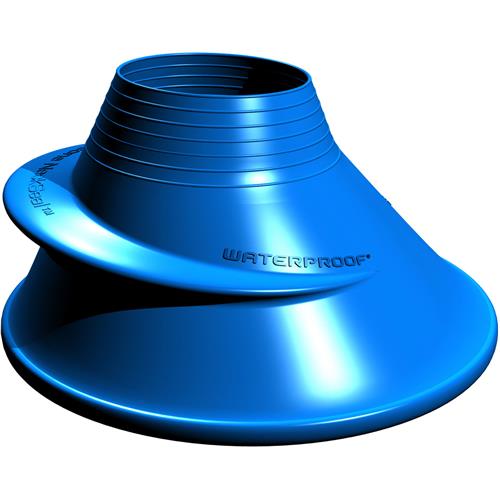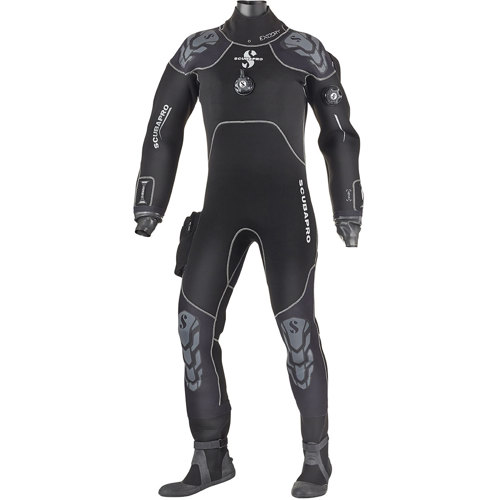
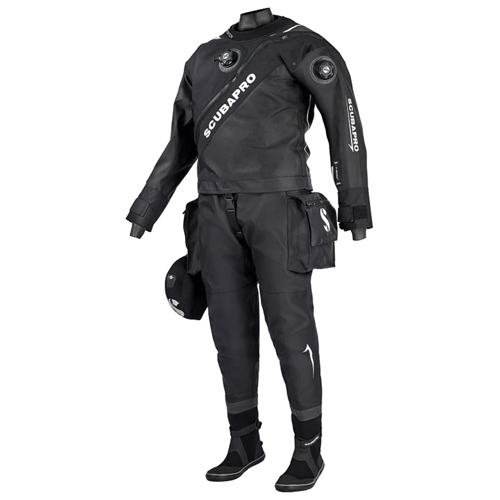
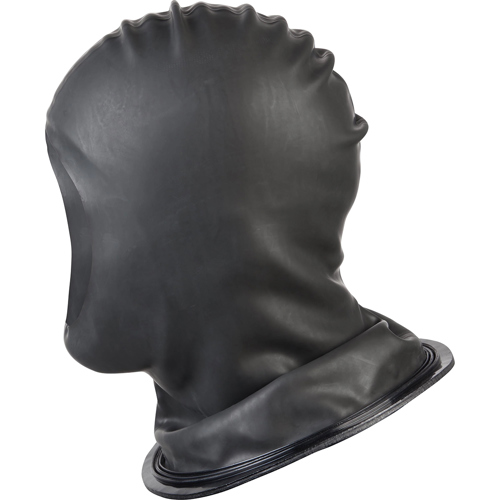
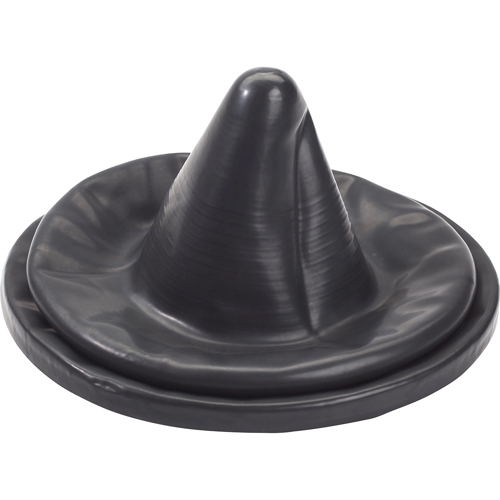
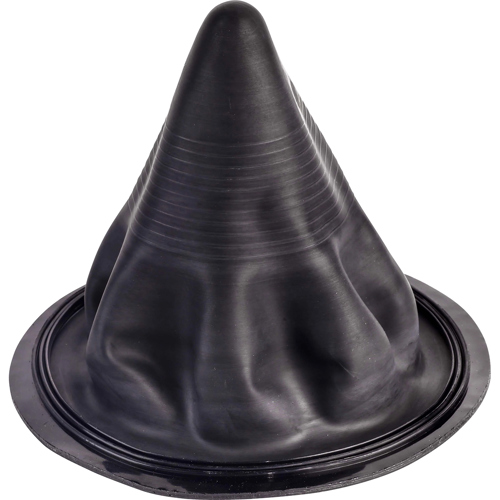
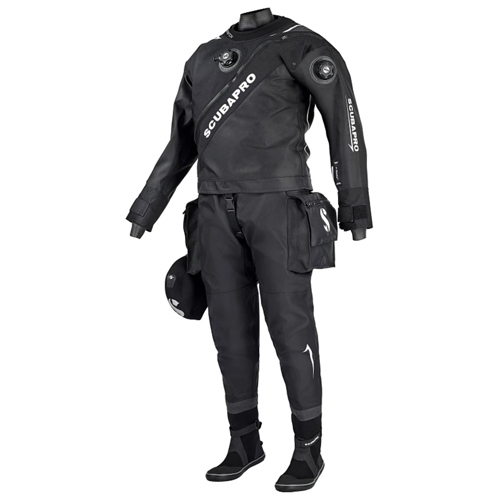
Diving latex necks are a cornerstone of drysuit performance, trusted by divers across the globe for their ability to create a reliable, watertight seal between suit and skin. These trim-to-fit rubber seals are meticulously engineered to deliver both flexibility and durability, making them a favored choice for those who demand confidence in cold, unpredictable waters. Whether you’re a technical diver exploring deep wrecks in the winter months or a recreational enthusiast eager to extend your season into January’s brisk conditions, a well-fitted latex neck seal can mean the difference between a warm, dry dive and an uncomfortable, cut-short excursion. The snug fit around the neck is designed to keep every drop of water out, preserving core warmth and allowing you to focus on the underwater world rather than the chill at the surface. For those with silicone allergies, latex offers a hypoallergenic alternative that doesn’t compromise on comfort or performance, and it remains a cost-effective solution for divers at all experience levels. Seasoned divers often recount that the subtle snap of a latex seal settling into place is a reassuring ritual before every cold-water dive, a final check that they’re prepared for whatever the day brings.
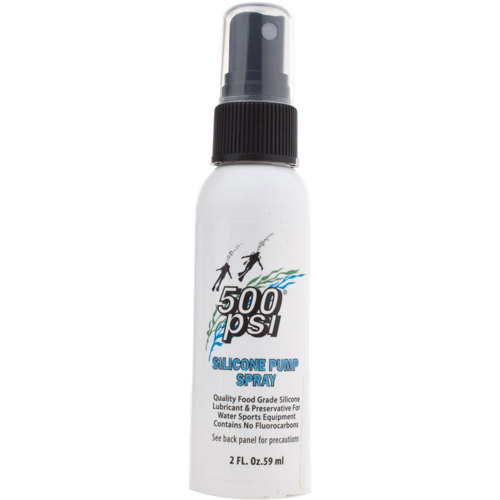
Choosing the right latex neck seal is as much about personal fit as it is about the type of diving you do. Standard latex seals are glued directly onto the suit, providing a time-tested balance of flexibility and watertightness, while newer innovations like quick-change or ZipSeal systems offer the convenience of field replacement—an invaluable feature for those traveling or diving in remote locations. Bellows-style, ribbed designs add extra stretch and comfort, especially appreciated during long dives or when layering thermal protection underneath. Proper sizing is crucial; seals should be trimmed carefully to ensure a secure, yet comfortable fit, leaving enough stretch to avoid restricting circulation but tight enough to prevent leaks. Maintenance is equally important: latex is susceptible to degradation from heat, UV exposure, and ozone, so storing your drysuit in a cool, shaded place and regularly conditioning the seal will extend its life. Many divers make it a habit to inspect their neck seals for signs of dryness, cracking, or hardening—especially after a busy dive season or before packing for a winter getaway. A neglected seal can quickly turn a much-anticipated dive into a soggy, cold ordeal, so a little preventative care goes a long way.
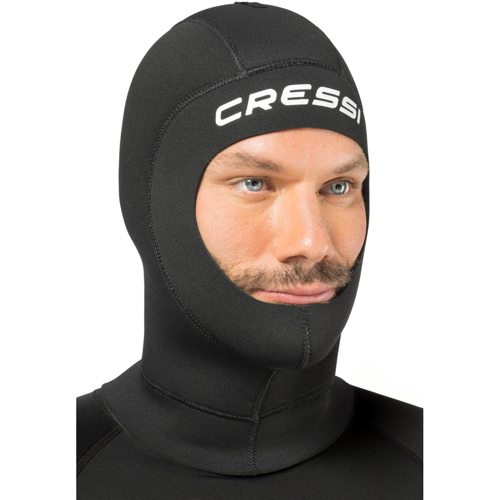
Diving latex necks aren’t just for hardcore technical divers; they’re also a thoughtful gift for anyone who enjoys drysuit diving, from instructors guiding students through their first cold-water certifications to adventure travelers planning trips to icy destinations. The start of the year is a perfect time to upgrade or replace seals that have seen better days, ensuring you’re ready for the challenges of winter and spring diving. For additional comfort and longevity, many divers pair their latex seals with accessories designed to minimize wear and protect sensitive skin. If you’re interested in learning more about complementary gear and best practices, the
Diving Neck Protection page offers a curated selection of products and tips to help you get the most out of your equipment. With proper selection, fitting, and care, latex neck seals will continue to be a trusted companion for countless underwater adventures, offering peace of mind and reliable performance dive after dive.