Diving fatigue is a familiar experience for many who spend time underwater, whether exploring reefs, navigating kelp forests, or training for advanced certifications. After a day of diving, it’s not uncommon to feel a gentle, glowing tiredness—a sign that your body has worked hard managing buoyancy, swimming against currents, and staying warm in an environment that challenges your metabolism. This sensation is often a blend of physical exertion, thermal stress, dehydration, and the subtle effects of breathing compressed gases. Even in balmy tropical waters, your body loses heat more quickly than on land, prompting a metabolic response to maintain core temperature. Add to this the exertion of finning, maintaining trim, and the mental focus required for safe navigation and buddy communication, and it’s clear why divers often crave a hearty meal, hydration, and restful sleep after surfacing. For back sleepers especially, choosing the right scuba diving equipment for back sleepers can help ease post-dive recovery by supporting spinal alignment and reducing strain during rest, making the transition from underwater adventure to restorative sleep as seamless as possible.
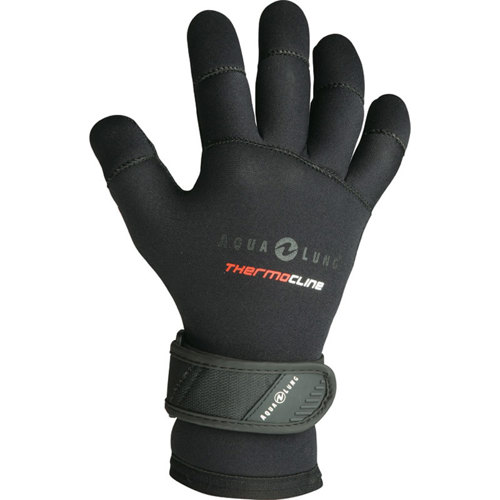
When browsing products related to diving fatigue, it helps to consider who will be using them and in what context. Seasoned divers with a rigorous schedule, instructors leading multiple dives a day, or even beginners excitedly learning the ropes may all experience varying degrees of tiredness after time in the water. Gifts that address diving fatigue—such as hydration aids, thermal protection layers, or ergonomic accessories—are thoughtful choices for anyone passionate about the sport. These items are particularly appreciated during the warmer months when dive trips and travel are in full swing, but they remain useful year-round, as fatigue can occur regardless of water temperature. Those who travel frequently for diving, participate in liveaboards, or enjoy shore diving excursions will find that investing in comfort and recovery products can make a tangible difference in post-dive well-being. For example, maintaining hydration with electrolyte solutions, layering with appropriate thermal gear, and using ergonomic gear to reduce unnecessary exertion are all strategies that can help manage fatigue. Even small details, like choosing accessories designed for easy donning and doffing or selecting supportive post-dive wear, can make a big impact on how quickly and comfortably you recover between dives.
It’s important to recognize the line between normal post-dive tiredness and undue fatigue, which may indicate issues such as decompression stress or dehydration. Paying attention to your body’s signals, practicing slow, efficient movements underwater, and ensuring proper buoyancy can all help limit energy expenditure and reduce fatigue. Divers who prioritize their physical well-being by preparing with the right gear and recovery tools often notice improved stamina and enjoyment throughout the dive season. For those looking to further enhance their endurance and minimize post-dive fatigue, exploring additional resources and strategies can be beneficial. You can find more comprehensive tips and product recommendations for building stamina and supporting recovery on our dedicated
Diving Endurance page. Whether you’re gifting a fellow diver or upgrading your own kit, thoughtful selection of fatigue-reducing products supports a safer, more enjoyable underwater experience—helping you get the most out of every dive, from the first splash to the final ascent.