Diving Down Lines
Whether you're a seasoned diver exploring deep wrecks or a beginner embarking on your first open water adventure, diving down lines are indispensable tools for safe and controlled underwater navigation. These lines, often referred to as shot lines, mooring lines, or simply dive lines, serve as both tactile and visual references during descents, ascents, and decompression stops. In conditions where currents are strong or visibility is limited, a well-rigged scuba line can make all the difference—transforming what might otherwise be a stressful experience into a smooth, manageable dive. The right depth lines help divers control their descent rate, equalize at regular intervals, and maintain precise buoyancy, ensuring a safe return to the surface. During colder months like February, when winter currents and reduced visibility can add extra challenges, having a reliable diving line becomes even more crucial for maintaining orientation and safety throughout the dive.
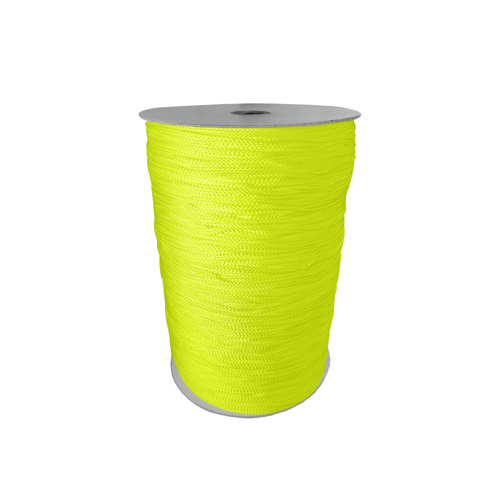
Selecting the ideal dive line setup requires careful consideration of your diving environment and personal preferences. Recreational divers often benefit from mooring lines attached to boats, providing a secure route down to the dive site and back up at the end of the dive. Technical divers, cave explorers, and those venturing into colder or more challenging waters may opt for thicker, more robust lines—often in the 6-10mm range—to withstand abrasion and provide a dependable guide in zero-visibility scenarios. For group dives or busy sites, accessories like jon lines allow divers to clip onto the main anchor line, maintaining a safe distance during crowded safety stops while still enjoying the security of a fixed reference point. If you're shopping for a diver in your life, high-quality dive lines and related accessories make thoughtful gifts, especially for those advancing their training or planning trips to new and more demanding dive sites. The versatility of these lines extends beyond safety; they can also be used for underwater navigation, marking routes, or supporting surface-supplied air systems in hookah diving.
No matter your diving discipline, investing in the right scuba line setup can enhance every aspect of your underwater experience. Practical features such as high-visibility colors, durable materials, and easy-to-handle hardware can streamline both deployment and retrieval, making your dives safer and more enjoyable. As you assemble your kit for the season—whether prepping for winter dives or planning ahead for spring expeditions—it's worth taking the time to understand the different types of depth lines and how they fit within your diving style. For those interested in refining their skills, learning proper handling and deployment techniques is essential; explore more about best practices and safety considerations by visiting our comprehensive guide on
Diving Line Techniques. With the right knowledge and equipment, divers of all levels can confidently navigate the underwater world, making each descent and ascent a seamless part of the adventure.