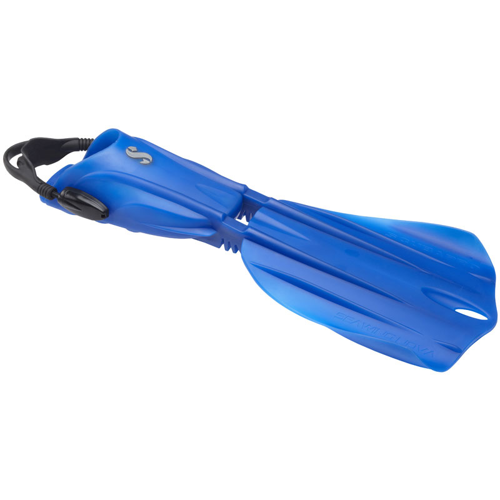
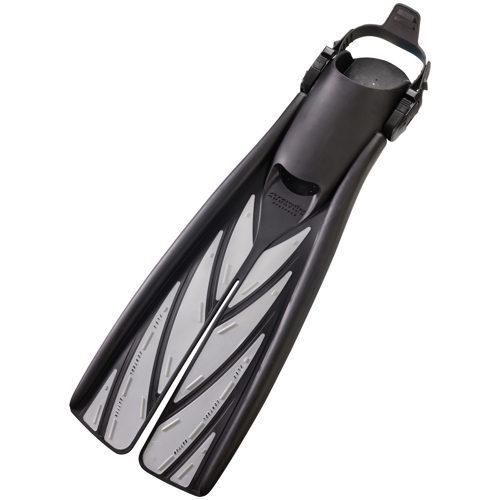
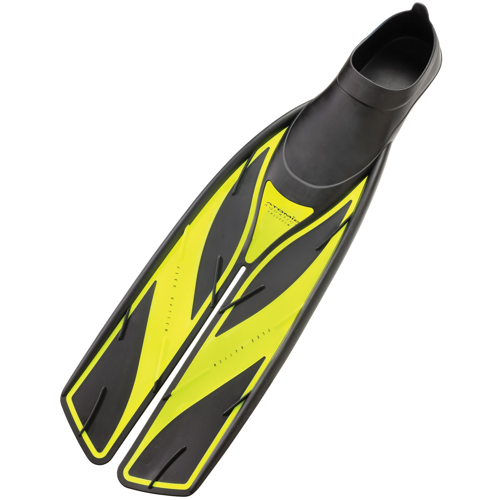
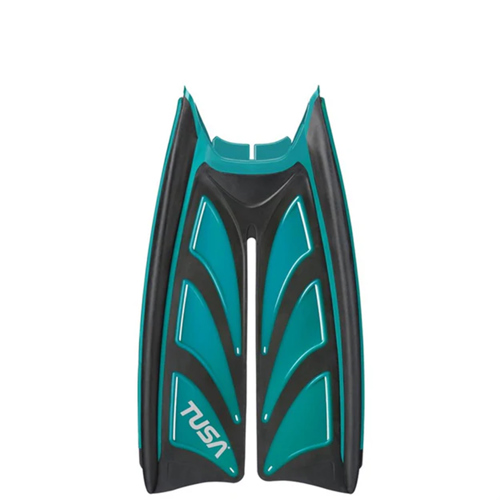
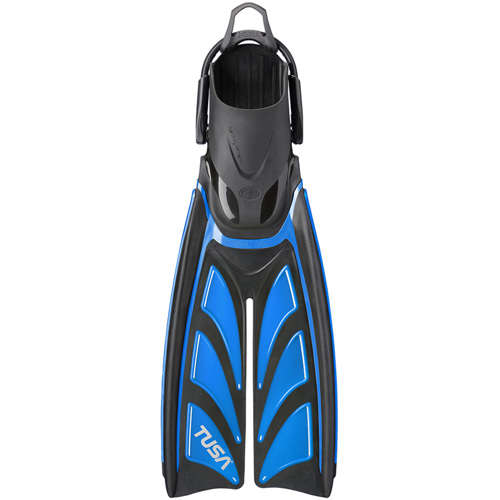
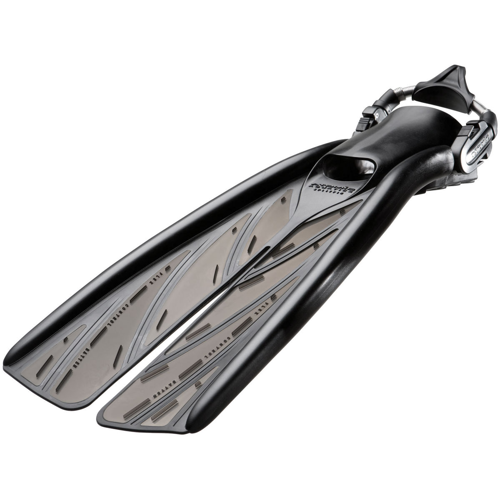
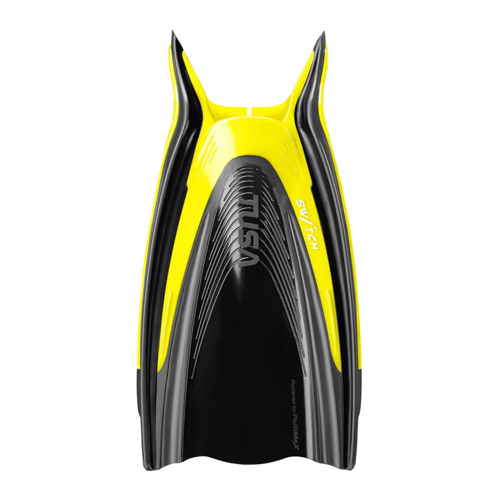
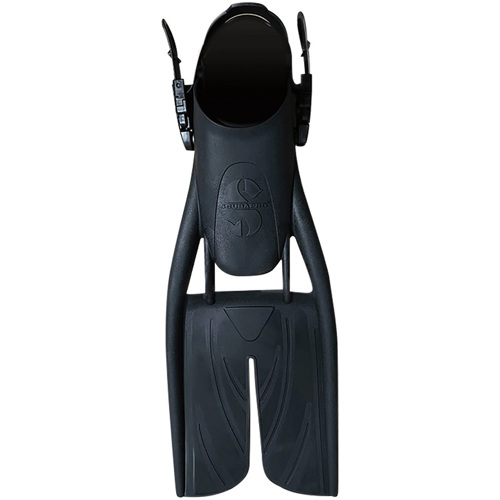
Diving splitters, often referred to as split fins within the scuba community, have become a favored choice among divers seeking a blend of efficiency, comfort, and performance in the water. These innovative fins are distinguished by a blade design split down the center, which allows each side to flex independently, mimicking the motion of a propeller. This unique construction significantly reduces drag and resistance, making it easier to glide through the water with less effort. For divers who spend extended periods exploring reefs, wrecks, or open water, the reduced strain on leg muscles is a game-changer, translating to longer, more enjoyable dives with less fatigue. As the weather warms and dive season hits its stride, split fins are especially popular among recreational divers, underwater photographers who need to hover with minimal movement, and anyone who values a relaxed, energy-efficient kick. The split design is particularly well-suited for flutter kicks, producing powerful thrust even with small, rapid movements—ideal for those who want to cover more ground without working harder. Many divers also find that split fins help minimize the risk of cramping and ankle discomfort during long days beneath the surface, making them a thoughtful gift for both beginners and seasoned enthusiasts looking to upgrade their gear.
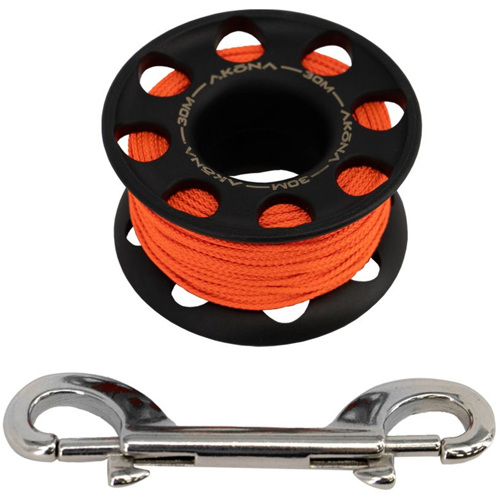
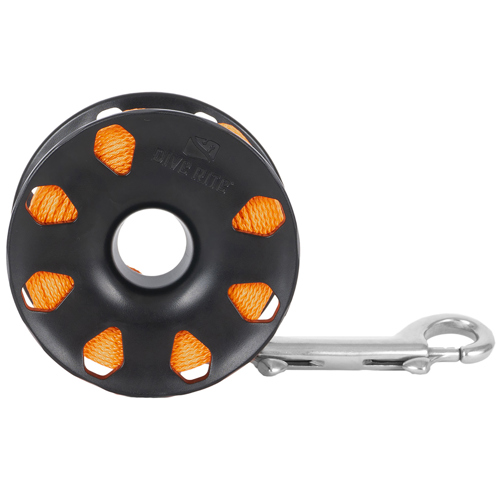
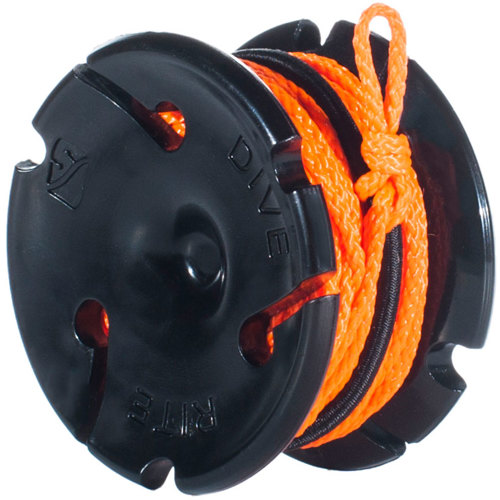
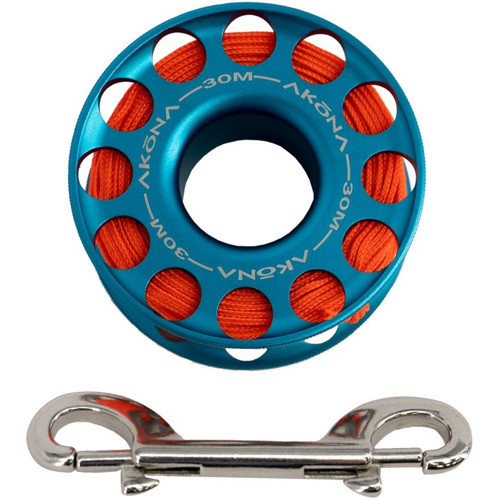
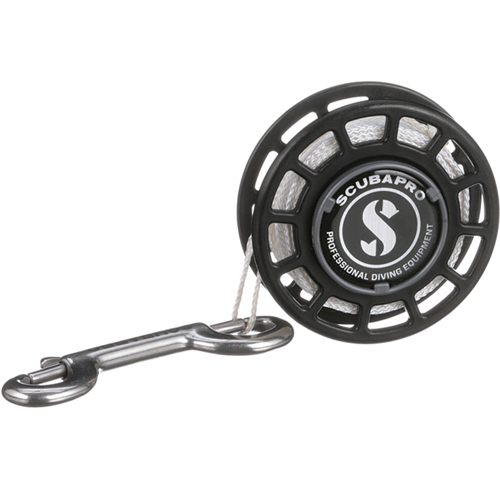
When considering which diving splitters to add to your kit, it’s important to think about your typical dive environment and personal style. Open-heel split fins, which are worn with neoprene boots, offer versatility and protection for shore entries or colder waters, while full-foot versions are lighter and often preferred for warm-water dives from boats. Adjustability and comfort in the foot pocket are key—look for fins with secure, easy-to-use straps or springs that can be quickly donned and doffed, even with gloves. Durability is another factor, especially if you dive frequently or travel with your equipment; materials like high-grade polymers and reinforced hinges help ensure your fins stand up to repeated use. While split fins are engineered for efficiency, they may not be the best match for all finning techniques, such as frog kicks or back kicks, which are sometimes favored in technical or cave diving. However, for most recreational divers, the ease of propulsion and reduced exertion make split fins an appealing choice for everything from drift dives along vibrant reefs to leisurely explorations of shallow coves. If you’re assembling a complete setup, consider pairing your fins with reliable accessories such as high-visibility
Diving Lines for added safety and navigation in low-visibility conditions. As dive trips and underwater adventures become more frequent in the late spring and summer months, split fins prove themselves as a smart investment—whether you’re shopping for yourself or searching for a practical, appreciated gift for the diver in your life.
Beyond comfort and propulsion, the right pair of diving splitters can enhance your overall experience by allowing you to focus on the wonders beneath the surface rather than the effort required to get there. Many divers recall their first time switching to split fins and noticing how much easier it was to keep up with a group or maintain control in a gentle current, all while conserving air and energy. This makes split fins not only a practical upgrade for those who dive regularly but also a confidence booster for newer divers still building stamina and technique. As with any piece of dive equipment, personal fit and preference play a significant role, so it’s worthwhile to try on different styles and consult with experienced divers or instructors for recommendations tailored to your needs. Whether you’re planning a tropical getaway, gearing up for local lake dives, or surprising a friend with a thoughtful addition to their gear bag, split fins offer a blend of technology and comfort that supports longer, more relaxed dives throughout the most active months of the year.