Diving Buoyancy Materials
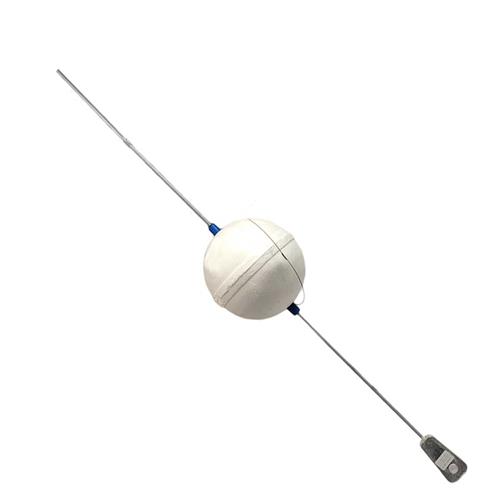
Diving buoyancy materials are at the heart of every safe and enjoyable underwater adventure, providing the essential lift and stability divers need to explore the aquatic world with confidence. Whether you’re a seasoned technical diver descending into the mysterious blue depths, a recreational scuba enthusiast gliding above vibrant coral reefs, or a marine researcher piloting remotely operated vehicles (ROVs), the right buoyancy solutions make all the difference. The science of buoyancy control is built around a fascinating array of materials engineered for specific underwater environments. For shallow to midwater diving, closed-cell polyurethane foams are a popular choice, renowned for their hydrostatic pressure resistance and reliability down to impressive depths. These foams maintain their structure and lift even after repeated exposure to water, making them a trusted companion for divers who demand consistency and safety. Meanwhile, deep-sea explorers rely on advanced syntactic foams—composed of hollow glass microspheres embedded in a robust resin matrix—for their unmatched durability, low density, and ability to withstand crushing pressures. These high-strength, pressure-resistant materials are the backbone of submersible and ROV design, enabling exploration of the ocean’s furthest reaches where sunlight never penetrates and pressure is relentless.
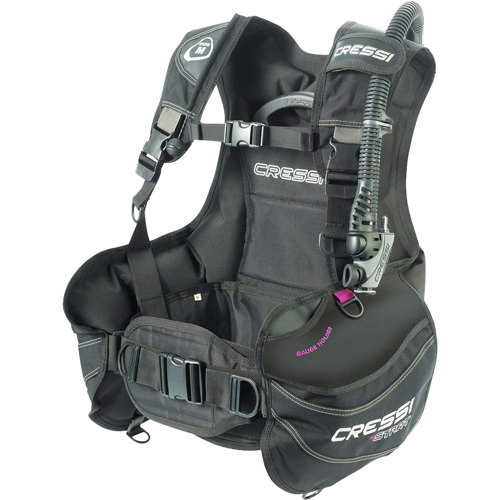
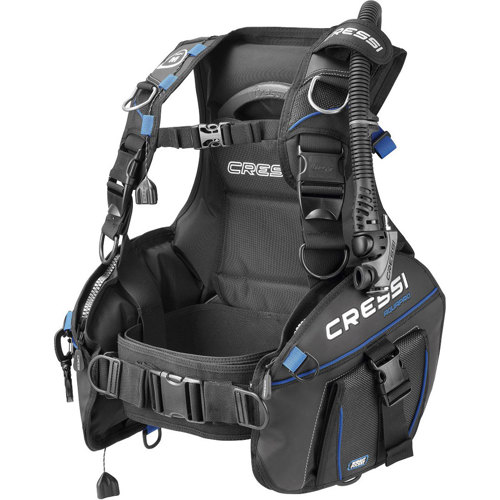
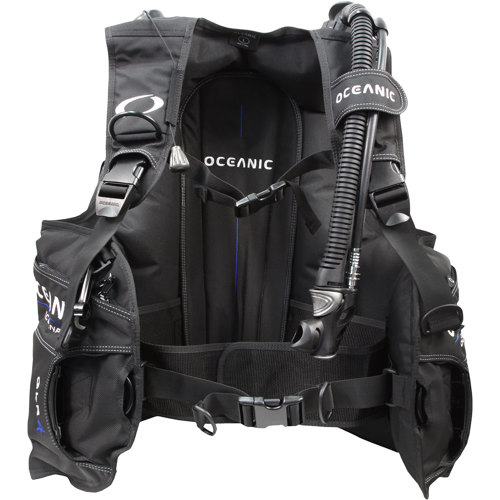
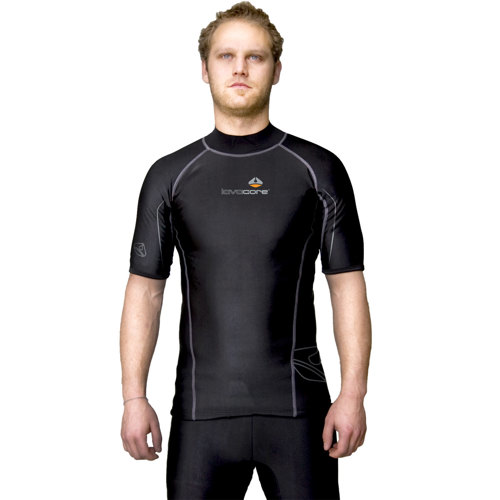
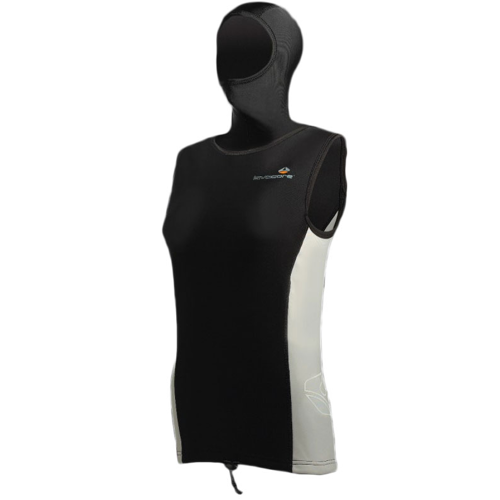
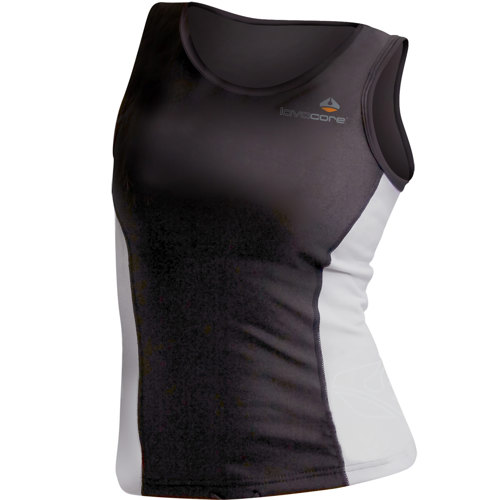
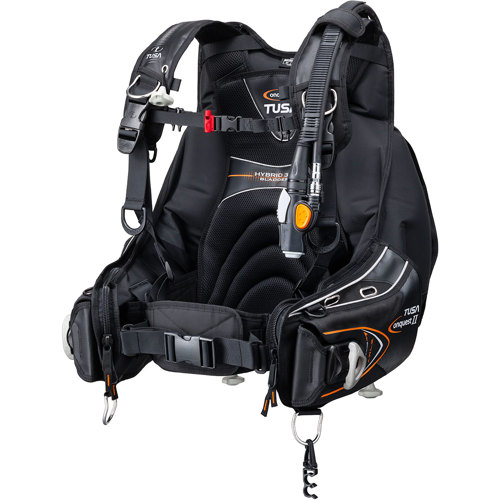
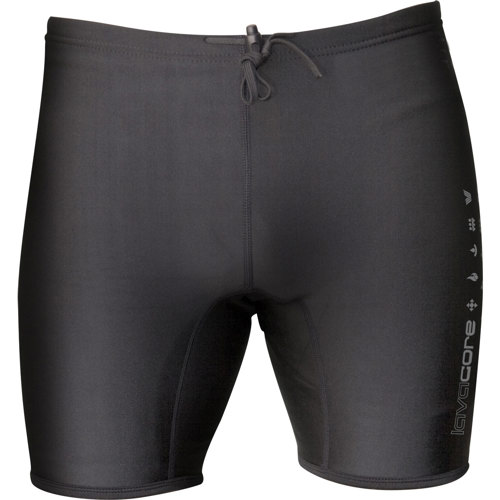
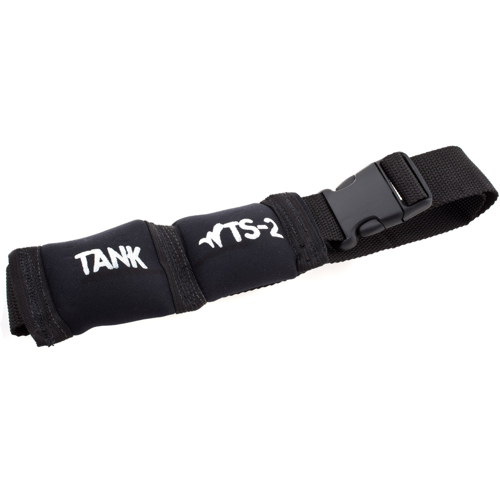
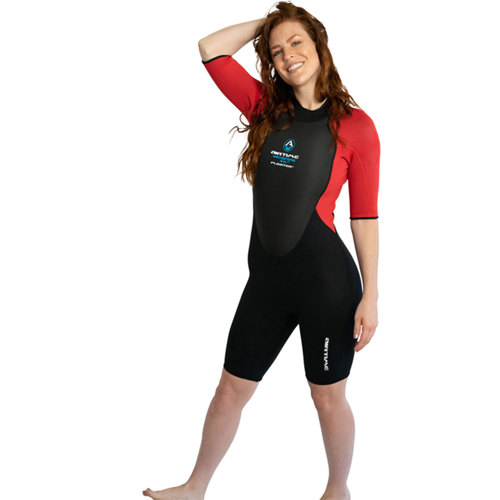
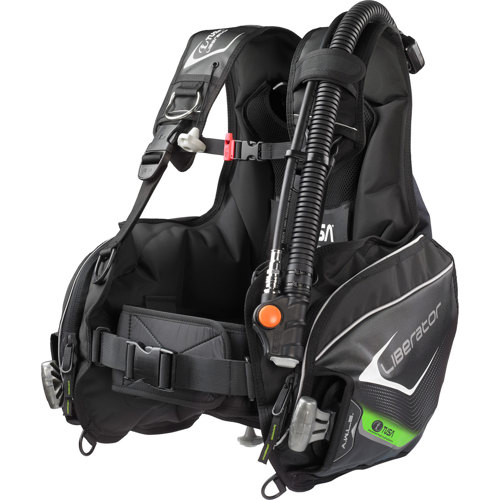
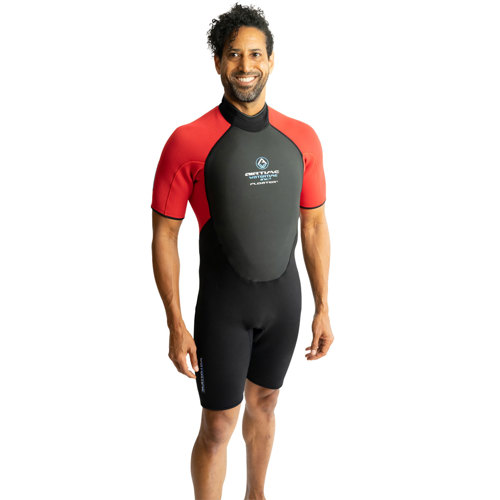
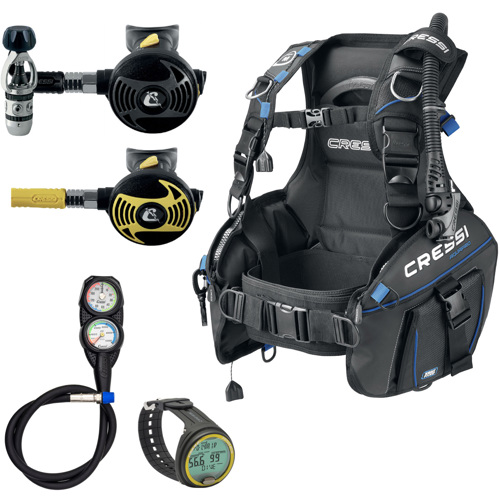
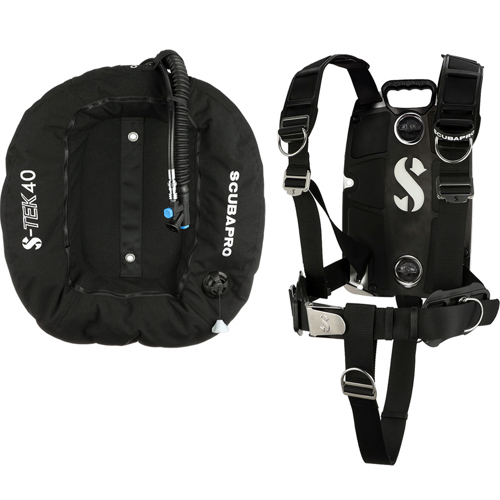
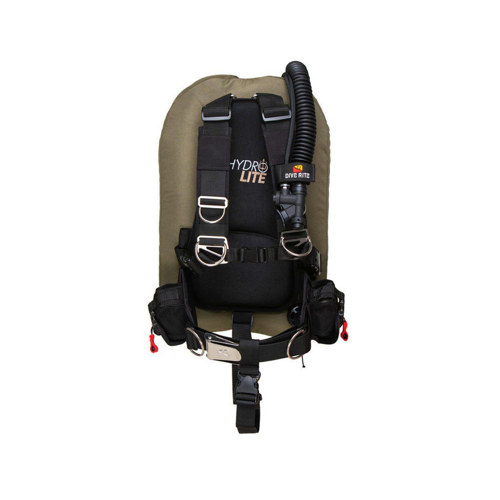
For those who spend their time in warmer waters or enjoy the flexibility of recreational diving, neoprene remains an indispensable material. Wetsuits crafted from neoprene not only provide thermal protection but also deliver inherent buoyancy—though it’s important to remember that neoprene compresses with depth, gradually losing some of its lift as you descend. Scuba divers often rely on buoyancy control devices (BCDs) that utilize inflatable air bladders made from durable nylon or rubber, allowing for precise adjustments throughout the dive. These BCDs are essential for achieving neutral buoyancy, which is the diver’s ability to hover effortlessly at any depth without sinking or floating upward. The art of buoyancy control is a skill honed over time, transforming a diver’s experience from clumsy and exhausting to graceful and energy-efficient. In addition to positive buoyancy solutions, weight systems play a crucial role, with modern alternatives to traditional lead—like stainless steel—offering improved environmental safety while providing the necessary negative buoyancy for descent and stability.
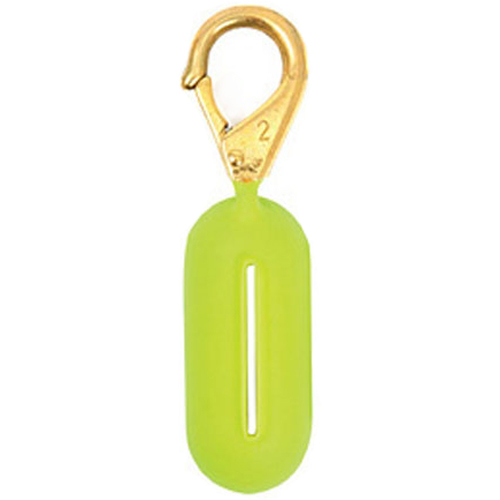
As February ushers in cooler waters in many regions, the thoughtful selection of buoyancy materials becomes even more important. Divers preparing for early spring trips or planning getaways to tropical destinations will appreciate the benefits of lightweight, pressure-resistant gear that adapts to varying conditions. These products also make thoughtful gifts for dive buddies, instructors, or family members who are passionate about the underwater world—especially as new diving seasons approach and gear upgrades are top of mind. For those interested in fine-tuning their setup, smaller accessories such as
Dive Pocket Buoys offer a practical solution for adjusting trim and achieving perfect balance in the water. Whether you’re outfitting a research vessel, gearing up for your next adventure, or simply looking to improve your comfort and control underwater, the right buoyancy materials will elevate your diving experience—helping you to move effortlessly, conserve energy, and fully immerse yourself in the wonders below the surface.